ختم عمود ناقل الحركة
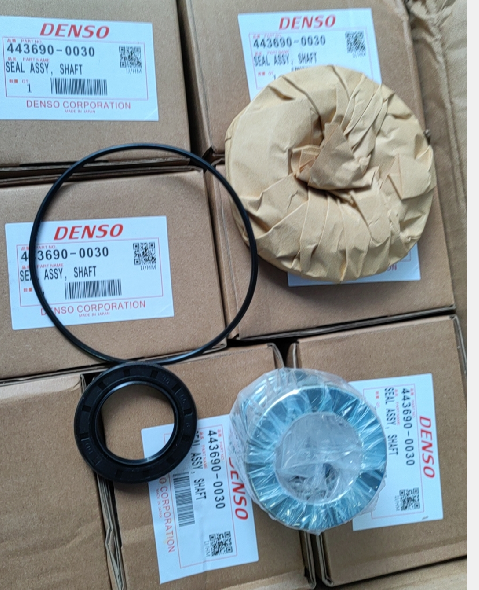
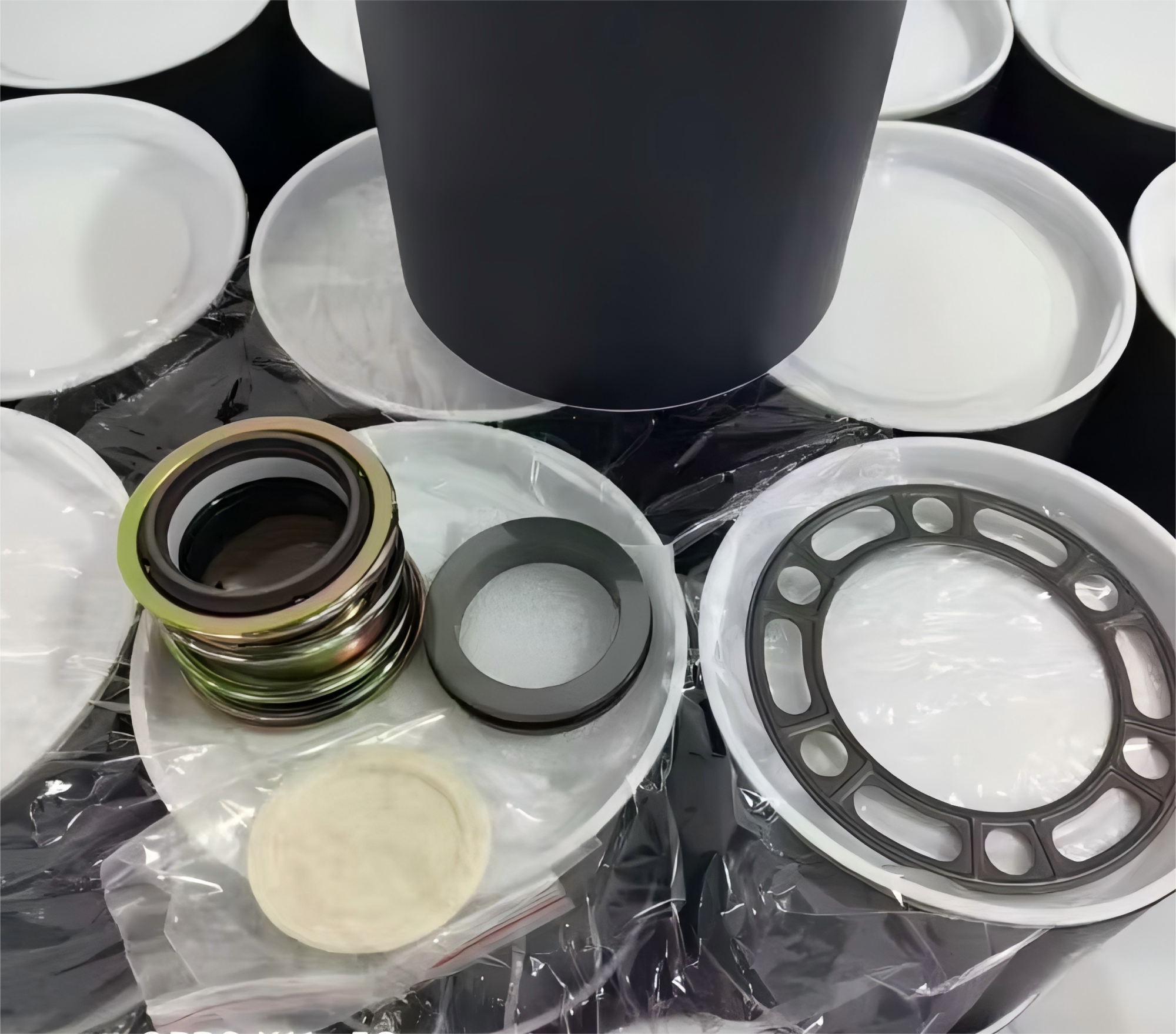
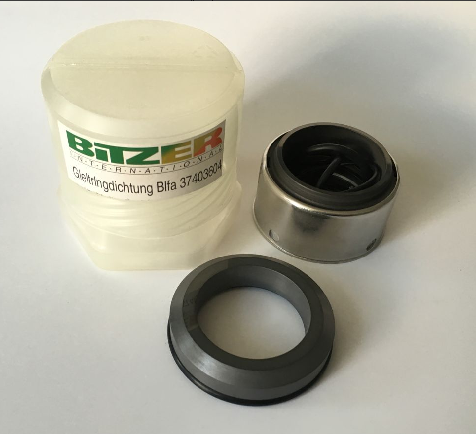
تُعَدُّ ختم عمود النقل مكوِّنًا حيويًّا في الآلات automotive والصناعية، حيث تشكِّل الحاجز الرئيسي بين عمود النقل الدوار والعناصر الثابتة للغلاف. وتُمثِّل هذه الحلول الختمية المُصنَّعة بدقة وسيلةً لمنع تسرب زيت التزييت، وفي الوقت نفسه تحجب دخول الملوِّثات إلى أنظمة النقل الحساسة. ويعمل ختم عمود النقل بواسطة مواد مطاطية متقدِّمة مدمجة مع هياكل تقوية معدنية، ما يخلق واجهة ختم ديناميكية تحافظ على التلامس مع الأسطح الدوارة في ظل مختلف ظروف التشغيل. وتتضمن تصاميم ختم عمود النقل الحديثة شفاه ختم متعددة، وآليات مزوَّدة بزنبركات، ومطاطًا متخصِّصًا قادرًا على التحمُّل في درجات الحرارة والضغوط والتأثيرات الكيميائية القصوى. كما تتضمَّن هذه الختمات ملفًّا هندسيًّا متطوِّرًا يسمح بتعويض عدم انتظام المحاذاة وانحراف الدوران (Runout) للعمود، مع الحفاظ على أداء ختمٍ ثابتٍ طوال فترات الخدمة الطويلة. ويتضمَّن تركيب ختم عمود النقل عادةً غلافًا معدنيًّا يوفِّر المتانة البُنية، وشفاه ختم أولية وثانوية لتوفير حماية احتياطية، وزنبركات حلزونية (Garter Springs) تضمن ضغط تلامسٍ أمثلٍ ضد الأسطح الدوارة. وتضمن عمليات التصنيع المتقدِّمة تحديدًا دقيقًا للتَّحملات الأبعادية والتشطيبات السطحية الضرورية لأداء الختم الموثوق. أما اختيار مادة ختم عمود النقل فيشمل مركبات نتريل أو فلورو كربون أو بولي أكريلات متخصِّصة، تُختار وفقًا لمتطلبات التطبيق المحدَّدة، مثل نطاقات درجات الحرارة، وتوافقها مع السوائل، وتوقعات المتانة. وتخضع منتجات ختم عمود النقل عالية الجودة لبروتوكولات اختبار صارمة تشمل التحقُّق من سرعة الدوران، ودورات الضغط، والظروف الحرارية القصوى، والتحقق من مقاومتها للمواد الكيميائية. أما اعتبارات التركيب الخاصة بتطبيقات ختم عمود النقل فتشمل إعداد الغلاف بشكلٍ مناسب، وتحقيق المحاذاة الصحيحة في الاتجاه، واستخدام أدوات تركيب مناسبة لتفادي التلف أثناء التجميع. ويؤثر أداء ختم عمود النقل تأثيرًا مباشرًا على كفاءة النظام ككل، وفترات الصيانة، والموثوقية التشغيلية عبر مجموعة واسعة من التطبيقات الصناعية والautomotive التي تتطلَّب حلول ختم للأعمدة الدوارة لضمان الأداء الأمثل للمعدات.
 ×
×

 EN
EN