התקנה חסכונית במרחב ויישומים רב-תכליתיים
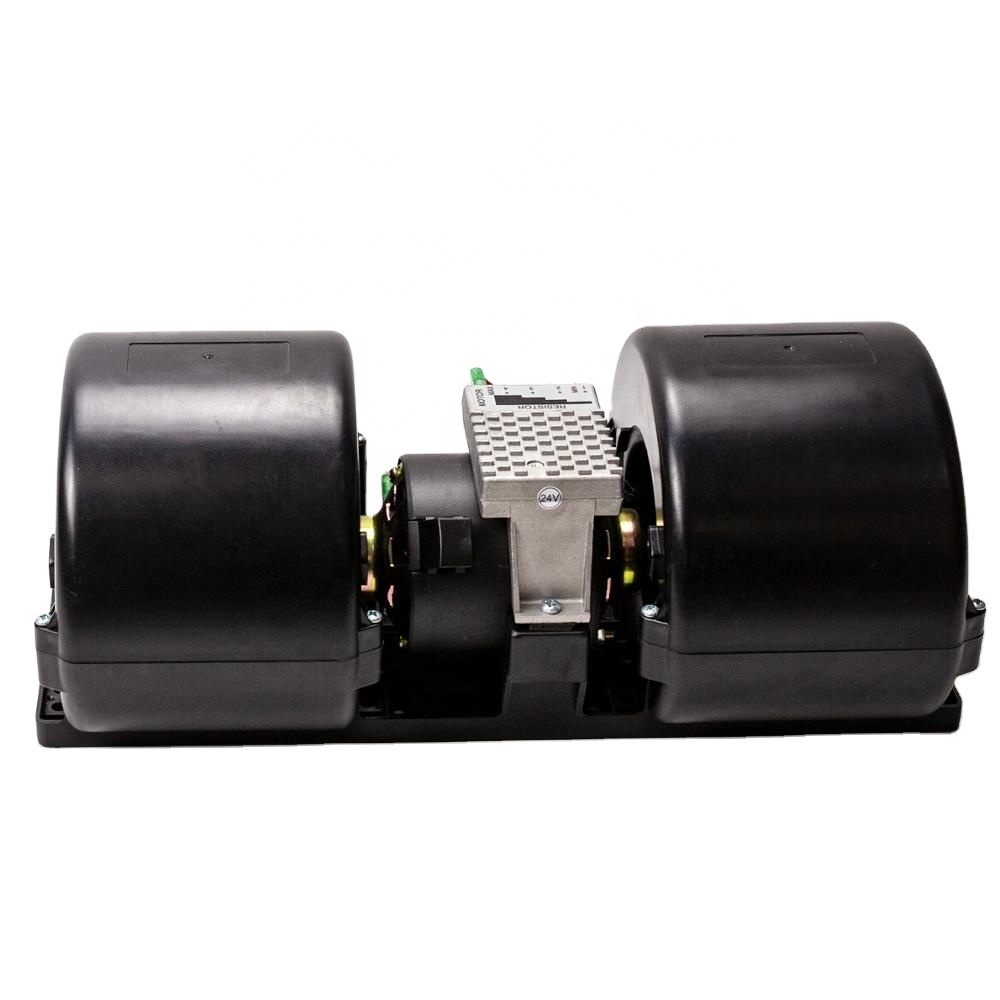
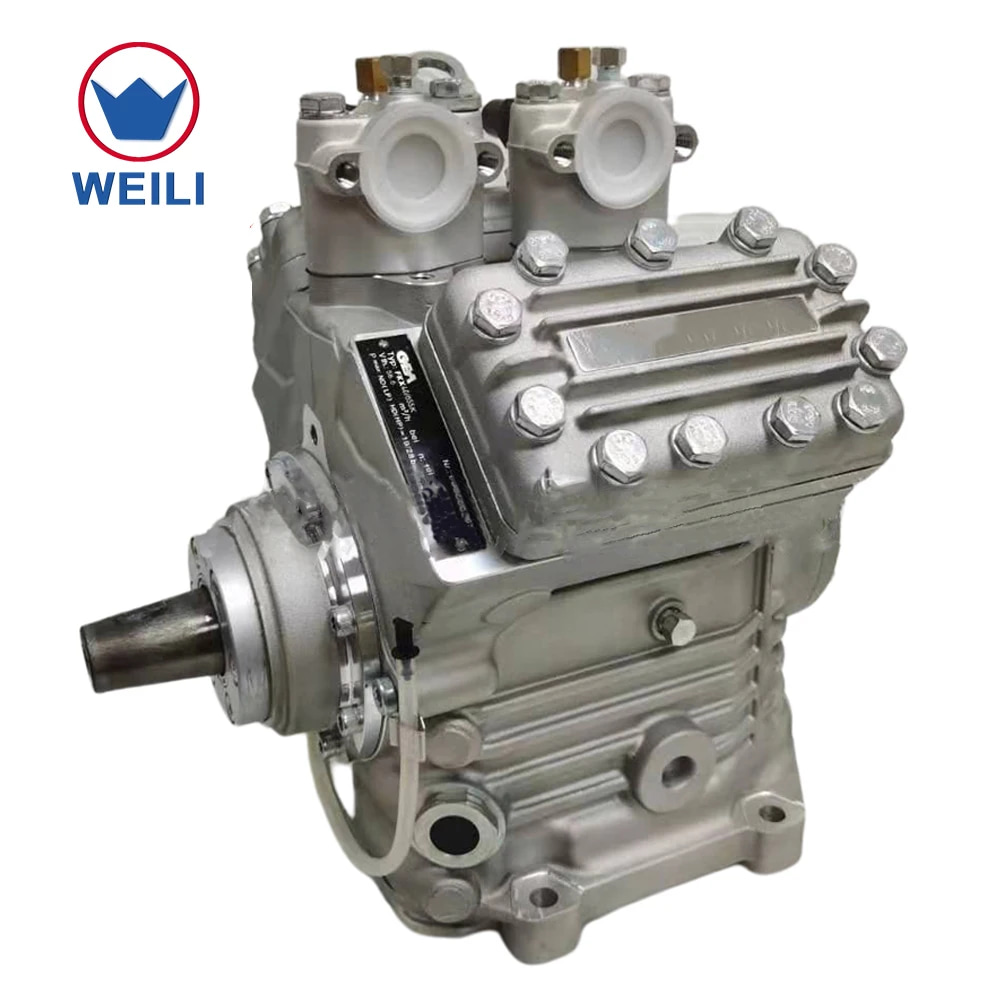
מקרר התעושה המותקן על גג האוטובוס מקסם את שטח המגורים הפנימי באמצעות תצורת ההתקנה החיצונית החדשנית שלו, אשר מבטלת את הצורך בציוד קירור פנימי עב ומספקת כיסוי מוחלט של בקרת האקלים. העיצוב החסכוני בשטח זה הוכחה כבעל ערך מיוחד באוטובוסים קטנים שעברו המרה, שם כל סנטימטר רבוע של שטח פנימי משרת מטרות מרובות והאחסון נותר בערכו הגבוה ביותר. מיקום ההתקנה מעל הראש מספק דפוסי הפצת אויר אופטימליים שמקרים את כל אזור המגורים באופן אחיד, ללא יצירת כתמים חמים לא נעימים או מצבים של זרימת אויר חזקה הנפוצים במקררים המותקנים בחלונות. הליכי ההתקנה המקצועיים מבטיחים התפלגות משקל מתאימה לאורך חלקים מחוזקים של הגג, תוך שמירה על יציבות הרכב ואופי הנסיעות שלו, וכן תמיכה בטוחה במקרר המותקן על גג האוטובוס במהלך הנסיעה. מערכות ההתקנה הוויזואליות תומכות במגוון תצורות גג, כולל פרופילים מעוגלים, התקנות של לוחות סולאריים ותוספות גג קיימות, מבלי לפגוע בתפקוד או במראה החיצוני. פרופילים זריזים שומרים על האראודינמיקה של הרכב ועל מגבלות גובה הנקבה (ground clearance), תוך הספקת יכולת קירור מלאה ליישומים מגוונים – מהנעה לשימושים תחביביים ועד פעילויות מסחריות. מקרר התעושה המותקן על גג האוטובוס מתאים למגוון תצורות כוח, כולל מערכות זרם ישר (DC) של 12 וולט, מערכות אינורטר וקומבינציות עם מנועי דיזל, מה שהופך אותו מתאים למבנים חשמליים שונים ולדפוסי שימוש מגוונים. אפשרויות צינורות גמישים מאפשרות התאמות אישיות להפצת האויר, בהתאם לתכנונים פנימיים ייחודיים ולדרישות קירור ספציפיות באוטובוסים מסוגים שונים. המערכת מתמזגת באופן חלק למערכות הالتهיה הקיימות ולחורים בגג, ויוצרת פתרונות מוחלטים לבקרת האקלים שמנהלים הן את הטמפרטורה והן את איכות האויר. ההתקנה דורשת בדרך כלל שינויים מינימליים בפנים, מה שמשמר את התכונות המקוריות של הרכב ואת ערך המכר שלו, תוך הוספת פונקציונליות וراווה משמעותיות. מקרר התעושה המותקן על גג האוטובוס תומך במגוון אפשרויות בקרה, כולל מדחום קיר, שלטים אלחוטיים וتكامل עם אפליקציות סמרטפון, כדי להפעילו בנוחות מכל מקום בתוך הרכב או סביבו. שירותי ההתקנה המקצועיים מבטיחים חיבורים חשמליים תקינים, איטום נגד מזג האוויר וביצוע בדיקות מערכת שמאשרות ביצוע אופטימלי והתאמה לדרישות הבטיחות. הגישה הזו 'מוכנה לשימוש' מפחיתה את מורכבות ההתקנה, תוך סיפוק פתרונות קירור מהימנים שמעשירים את חוויית החיים הניידים ביישומים ודרישות משתמש מגוונים.
 ×
×

 EN
EN