
 EN
EN



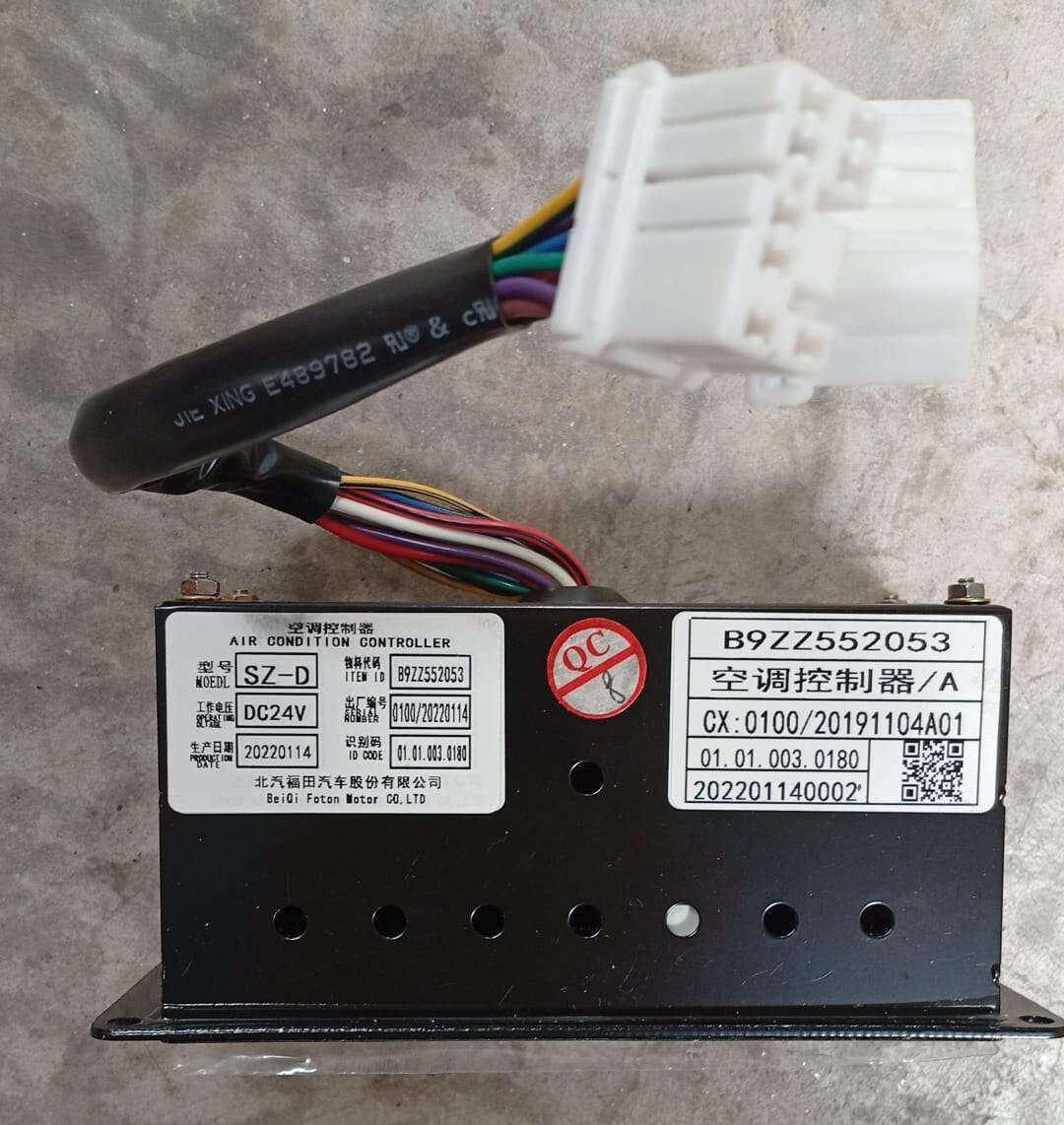
חלקי ריפר הם רכיבים מיוחדים שמאפשרים לתשתיות תחבורה מקררים לפעול ביעילות לאורך רשת האספקה של השרשרת הקרה. רכיבים מכניים ואלקטרוניים קריטיים אלו פועלים יחד כדי לשמור על בקרת טמפרטורה מדויקת במיכלי ריפר, יחידות מסילה ומערכות קירור המותקנות על משאיות. הבנת מהו ריפר ומהן הפונקציות הספציפיות שלו עוזרת למנהלי לוגיסטיקה, לבעלי צי ולמומחים בתחום שרשרת האספקה לקבל החלטות מושכלות בנוגע לתחזוקת הציוד, לתכנון החלפת חלקי החילוף ולבטיחות השרשרת הקרה.
שרשרת הקרה תלויה בחלקי ריפר אמינות כדי להגן על מטענים רגישים לטמפרטורה ששוויים מיליארדי דולרים מדי שנה. מהתרופות הדורשות טמפרטורות נמוכות במיוחד, דרך ירקות ופירות טריים הדורשים בקרת לחות מדויקת, חלקי הריפר מאפשרים את התנועה הלא-מופסקת של סחורות פגומות ברשתות האספקה הגלובליות. בחינה מקיפה זו בוחנת את הרכיבים העיקריים שמאפשרים את תחבורה המאוקרת, ומביאה לחשוף כיצד הרכיבים הללו מתמזגים כדי לתמוך בפעולות לא-מופסקות של שרשרת הקרה.
הרכיבים המרכזיים של מערכות התעבורה המאוקרת
מדחס יחידות ומערכות הנעה
הקומפרסור מהווה את ליבת כל מערכת ריפר, וחלקי ריפר הקשורים לקומפרסור כוללים מספר רכיבים מחוברים זה לזה. ציוד קומפרסור עיקרי כולל פיסטונים, שסתומים, אטמים ורכיבי איטום שיוצרים את הפרש הלחצים הנדרש למחזורי הקירור. מערכות חגורה נעה, גלגלות ומנגנוני חיבור מעבירים כוח ממנועי דיזל או מנועים חשמליים ליחידות הקומפרסור, ודורשים בדיקה תקופתית והחלפה כדי לשמור על יעילות המערכת.
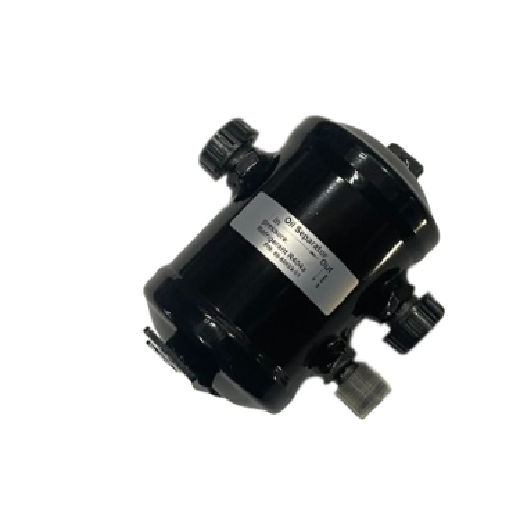
חומרת הרכבה של הקומפרסור, מאבטי רעידות ומוטות יישור מהווים רכיבי ריפר נוספים המבטיחים פעילות יציבה בתנאי תחבורה. רכיבים אלו סופגים את רעידות הדרך והתנועה של המנוע תוך שמירה על מיקום מדויק של הקומפרסור. מערכות הזרמת השמן בתוך ציוד הקומפרסור מסתמכות על מסננים מיוחדים, משאבות ויחידות הפרדה כדי לשמור על שמן שמייצר שימון תקין ולמנוע זיהום שיכול לפגוע בביצועי הקירור.
אלמנטים להחלפת חום ולקירור
סלילי המאדות ומערכות המưngנים מייצגים חלקים קריטיים של מקררים שמאפשרים העברת חום בין מערכת הנוזל הקירורי לאויר. סלילי המאדות כוללים מספר קטעי צינורות, מערכות כנפיות (פינים) וחיישני טמפרטורה שמעקבים אחר ביצועי הקירור בכל אזור המטען. יחידות המנגנים כוללות מנועי מאוורר, מערכות להבים ובניית מעטפה שמביאות לפיזור החום מהנוזל הקירורי הנסחף לפני שחוזר למצב נוזלי.
שסתומי הרחבה ובקרים תרמוסטטיים מסדרים את זרימת הנוזל הקירורי בין רכיבי המערכת, ומשמרים הפרשי לחץ אופטימליים למחזורי קירור יעילים. חלקים אלו המדויקים של המקרר כוללים מנגנוני קפיצים, ערכות דיאפרגמות וציוד התאמתי ש מגיבים לשינויי טמפרטורה ולדרישות המטען. צינורות מחליפי החום, חיבורים וחומרים בידוד משלימים את מערכת ניהול החום שמיועדת להגן על מטענים רגישים לטמפרטורה.
רכיבי מערכת בקרה ומערכת ניטור
אלקטרוניקה לבקרת טמפרטורה
חלקי ריפר מודרניים כוללים מודולי בקרה אלקטרוניים מתקדמים המנהלים את ערכי הטמפרטורה המבוקשים, מחזורי ההפשרה ומערכות התרעה. בקרי מיקרו-מעבד מכילים לוחות מעגלים, מודולי זיכרון וממשקים תקשורת המאפשרים ניטור מרחוק וא возможности של רישום נתונים. קבוצות חיישני טמפרטורה, חיבורים כבלים ומסבים חיבור מספקים קלט מדידה מדויק לצורך בקרת אקלים מדויקת לאורך כל פעולות ההובלה.
לוחות תצוגה, ממשקים של לוחות מקשים ואורות מדicators מאפשרים למנהלים לעקוב אחר מצב המערכת ולשנות את פרמטרי הפעולה לפי הצורך. חלקים אלו של מקררים לממשק המשתמש כוללים מסכים LCD, רכיבי כפתורים ומערכים של LED שמספקים משוב בזמן אמת בנוגע לטמפרטורת המטען, ביצועי המערכת ודרישות התיקון. מערכות ספק כוח גיבוי ורכיבי סוללות מבטיחות פעילות מתמדת במהלך עצירות המנוע או תקלות במערכת החשמל.
מערכות זרימת אוויר והסבה
זרימת אוויר יעילה דורשת מספר סוגי חלקים של מקררים שפועלים בשיתוף פעולה כדי לשמור על טמפרטורות אחידות בכל מרחב המטען. רכיבי מנועי מדחסים, מערכות להבי מאווררים ומבני מעטפות יוצרים את דפוסי זרימת האוויר הדרושים להתפלגות טמפרטורה עקיבה. נגדי מהירות משתנה ובקרים של מנועים מכווננים את קצב ההסבה בהתאם לסוג המטען, צפיפות המטען והתנאים הטמפרטוריים החיצוניים.
רכיבי מערכת צינורות, לוחות הפצת אוויר ונתיבי אוויר חזרה מכוונים את זרימת האוויר המוגדר סביב מטעני המטען וחזרה לסלילים המאדות לצורך בקרת טמפרטורה. המבנה חלקי מקרר כוללים לוחות מבודדים, חיבורים גמישים ומסגרות איטום שמניעים דליפת אוויר ומשמרים את יעילות המערכת. רכיבי בקרת לחות, חיישני לחות ומערכות ניקוז מנהלים את רמות הקondenציה כדי להגן הן על המטען והן על רכיבי הציוד.
רכיבי ייצור חשמל ומערכת הדלק
רכיבי מנוע ומערכות הנעה
מונעי דיזל מרכיבים מספקים כוח לרוב יחידות הקירור הניידות, ודורשים חלקים מיוחדים לקירור נייד שתוכננו לפעול באופן רציף בתנאי עומס משתנים. בלוקי המנוע, מערכות הצילינדרים ומערכות הפיסטונים מייצרים כוח מכני שמניע את יחידות המניע והמערכות להפקת חשמל. רכיבי הזרקת הדלק, מערכות ספיגת האוויר ומערכות הפליטה ממזינות את יעילות הבעירה תוך התאמה לדרישות הפליטות באזורים פועלים שונים.
רכיבי מערכת הקירור כוללים מונטי רדיאטורים, יחידות משאבת מים ובקרות טרמוסטט שמנהלות את טמפרטורת הפעולה של המנוע במהלך מחזורי קירור ממושכים. רכיבי הקירור הניהוליים האלה מונעים חימום יתר תוך שמירה על ביצועי המנוע האופטימליים בתחומי טמפרטורת הסביבה השונים. מערכות הפעלה בחגורות, מונטי אלטרנטורים ומעגלי הטעינה מספקים כוח חשמלי למערכות הבקרה, תאורה וציוד עזר אחר.
מערכות ניהול הדלק ואחסון הדלק
מכלול מיכלי הדלק, מנגנוני המניעים והמערכות לסינון מהווים חלקים חיוניים של ריפרים שמבטיחים ייצור כוח אמין לאורך כל פעולות ההובלה. למיכלי הדלק העיקריים יש חיישני רמה, פתחי מילוי ומערכות ליציאת אדים שתוכננו ליישומים ניידים ולתנאי איכות דלק משתנים. אלמנטי הסינון המשניים, מפרידי המים ומערכות עיבוד הדלק מגנים על רכיבי המנוע מפני זיהום שיכול להפריע לפעולת הקירור.
רכיבי הזרקת הדלק כוללים משאבות הזרקה, מתאמני לחץ וקווים להפצה ששמורים על זרימת דלק עקיבה בתנאי פעולה דינמיים. חלקים אלו המדויקים של הריפר חייבים להתאים את עצמם לתנועת הרכבת, לשינויי טמפרטורה ולתקופות עבודה ממושכות, תוך מניעה של חדירת אוויר או אובדן לחץ. מערכות ניטור הדלק, מדדי צריכה ואלרטים חשמליים מספקים למנהלים מידע בזמן אמת על רמות הדלק וקצב הצריכה לצורך תכנון הפעולות.
מערכות תמיכה בתחזוקה ובאימונים
סינון וניהול נוזלים
מערכות סינון מקיפות מגינות על חלקים קריטיים של מקררים מפני זיהום שיכול לפגוע בביצועי המערכת או באימוניות שלה. רכיבי מסנני אוויר, יחידות סינון שמן ומערכות ניקוי דלק מסירים חלקיקים, לחות ומזוהמים כימיים שמתרכזים במהלך הפעולה הרגילה. רכיבי גוף המסנן, אלמנטי החתימה והחומר לתמיכה מבטיחים התקנה תקינה ומונעים מצבים של מעבר צדדי (bypass) שעלולים לאפשר למזוהמים להגיע לרכיבים רגישים.
מערכות ניהול נוזלים כוללות מיכלי שמן, מאגרי הידראוליקה ומיכלי הרחבה של נוזל קירור שמתחזקים את רמות הנוזלים הנאותות לאורך פעולת המערכת. חלקים אלו לאחסון והפצה במערכת הקירור כוללים חיישני רמה, שסתומי שחרור לחץ ומשאבות סיבוב שמצויידות במערכת אוטומטית לפיצוי אובדן נוזלים או התפשטות תרמית. שסתומי ניקוז, פתחי שירות וחיבורים מהירים מקלים על הליכי תחזוקה שגרתיים תוך מינימיזציה של עצירת המערכת.
חלקי מבנה וחיבורים
מסגרות חיבור, מבודדי רטט ותומכים מבניים הם חלקים לרוב לא מודגשים במערכת הקירור שמבטיחים את שלמות המערכת במהלך פעולות ההובלה. ערכות מסגרת, נקודות עיגון ואלמנטים לתמיכה מפיצים את עומסי הציוד על מבנה הרכב תוך התאמה לרעידות דרך ולתנודות המטען. בלמי זעזועים, חיבורים גמישים ומחסומים מבודדים מונעים העברת מתח מכני שיכול לפגוע ברכיבים רגישים או ליצור בעיות רעש.
לוחות גישה, דלתות שירות ומכסים לרכיבים מגנים על הרכיבים הפנימיים של המקרר תוך כדי מתן גישה לשירות לצורך בדיקות שגרתיות ותיקונים. אלמנטים הגנתיים אלו כוללים מנגנוני נעילה, אבזמים אטומים וחומרים בידוד שמתחזקים את האבטחה של המערכת ואת היעילות התרמית שלה. מערכות הגנה לחוטים, ציוד לרouting כבלים וערכות חיבור מגינות על רכיבים חשמליים מפני חשיפה לסביבה ופגיעות מכניות במהלך הפעולה.
שאלה נפוצה
באיזו תדירות יש להחליף רכיבי מקרר במהלך הפעלה רגילה?
מרווחי ההחלפה של חלקים למקלחות נבדלים באופן משמעותי בהתאם לסוג הרכיב, תנאי הפעלה ונהלי התיקון. אלמנטי המסננים דורשים בדרך כלל החלפה כל 250–500 שעות פעילות, בעוד שרצועות ורכיבי איטום עשויים להזדקק לטיפול כל 1,000–2,000 שעות. רכיבים עיקריים כגון מכווצים ומודולי בקרה יכולים לפעול עד 8,000–15,000 שעות עם תחזוקה מתאימה, אך מערכות ניטור צריכות לעקוב אחר מדדי הביצוע כדי לקבוע את זמן ההחלפה האופטימלי, ולא רק להסתמך על לוחות זמנים מבוססי שעות.
אילו הם החלקים הקריטיים ביותר במקלחת לשמירה על שלמות שרשרת הקרה?
חיישני טמפרטורה, מONTאży דחיסה ורכיבי מערכת הבקרה מייצגים את חלקי ה-reefer החשובים ביותר לאמינות שרשרת הקרה. כשלים בחיישנים עלולים לגרום להשתנות בטמפרטורה ללא זיהוי, בעוד שבעיות בדוחסים פוגעות באופן מיידי בכושר הקירור. תקלות במערכת הבקרה עלולות למנוע תגובה מתאימה לשינויי טמפרטורה או לכשלים בציוד. נוכחותו של חיישנים חילופיים, מעגלים בקרתיים משניים ורכיבי דחיסה חילופיים באחסון מבטיחה המשך הגנה על שרשרת הקרה גם כאשר המערכות הראשיות נתקלות בבעיות.
האם חלקים חילופיים ל-reefer יכולים לספק את אותה האמינות כמו רכיבי ציוד מקוריים?
חלקי ריפר איכותיים לתחום הרכיבים החיצוניים יכולים להתאים או לעלות על ביצועי הציוד המקורי כאשר הם מיוצרים לפי مواדי תקן ודרישות איכות מתאימות. עם זאת, יש לבדוק את התאמתם, את ההגנה המוצעת על ידי האחריות, ואת זמינות התמיכה הטכנית בעת בחירת רכיבים להחלפה. חלק מספקים של רכיבים חיצוניים מציעים עיצובים משופרים שמשפרים את מגבלות הציוד המקורי, בעוד אחרים עשויים להשתמש בחומרים נחותים או בתהליכי ייצור שפוגעים באימונות ארוכת טווח. הערכת מומחה של مواדי הרכיבים ואישורי הספק עוזרת להבטיח בחירה אופטימלית של הרכיבים.
איך תנאי הסביבה משפיעים על ביצועי חלקי הריפר והאורך שלהם?
טמפרטורות קיצוניות, רמות לחות וסביבות קורוזיביות משפיעות באופן משמעותי על עמידות חלקי המקרר ועל דרישות התיקון והתחזוקה שלו. טמפרטורות סביבה גבוהות מגדילות את עומס העבודה של המניע ומאיצות את הדריסה של הרכיבים, בעוד שחשיפה לאויר מלוח גורמת לקורוזיה ברכיבים מתכתיים וחיבורים חשמליים. הצטברות אבק ופסולת עלולה לסגור מסנני אוויר ומחליפים חום, מה שמפחית את יעילות המערכת ומעלים את המתח על הרכיבים. ניקיון תקופתי, שיטופי הגנה ולוחות זמנים לתיקון ותחזוקה שמתאימים לסוג הסביבה עוזרים למקסם את משך החיים של חלקי המקרר בתנאי פעילות קשים.