ewaporator w systemie chłodniczym
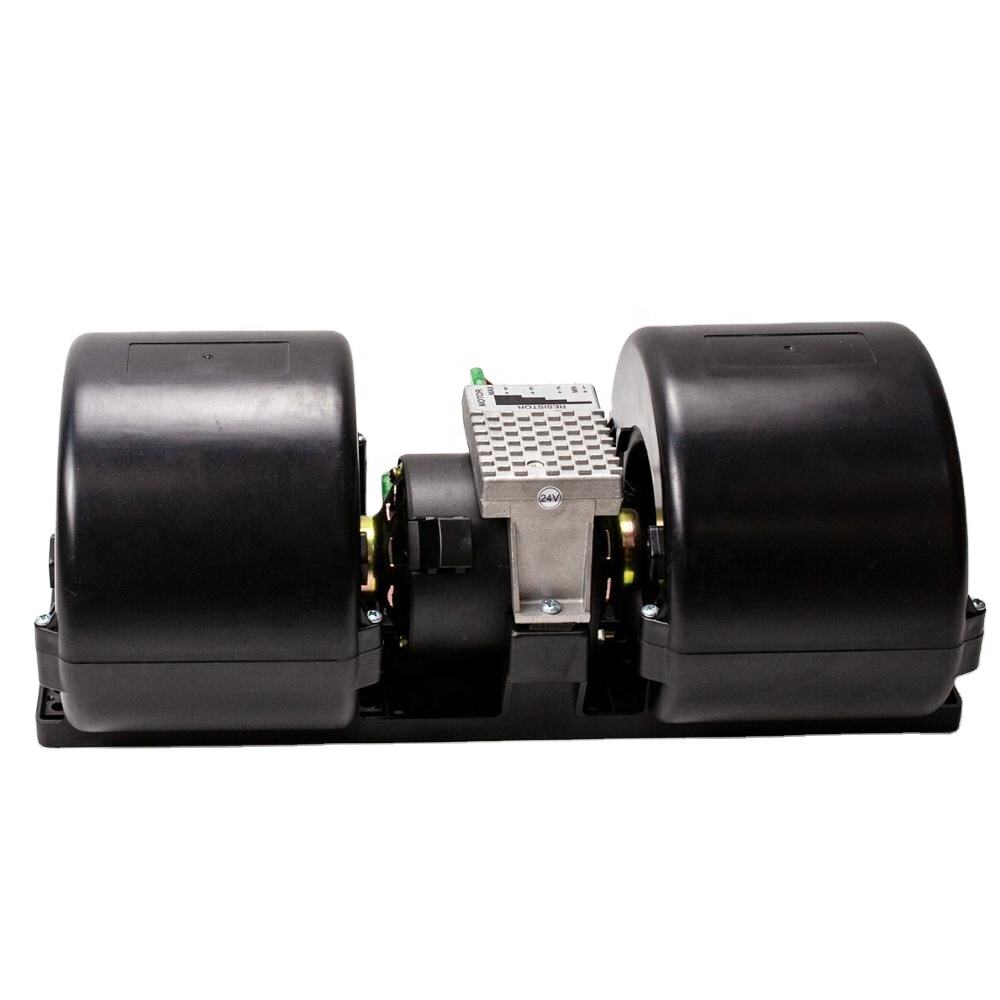
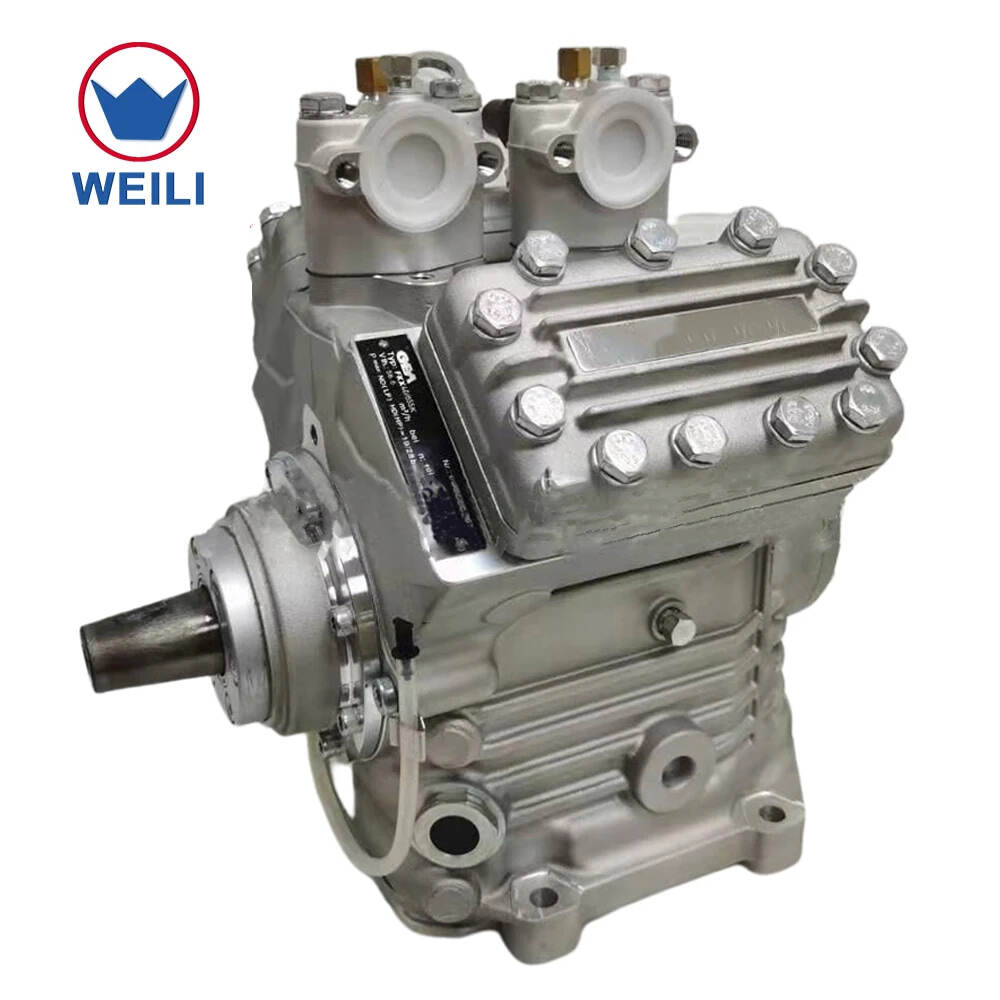
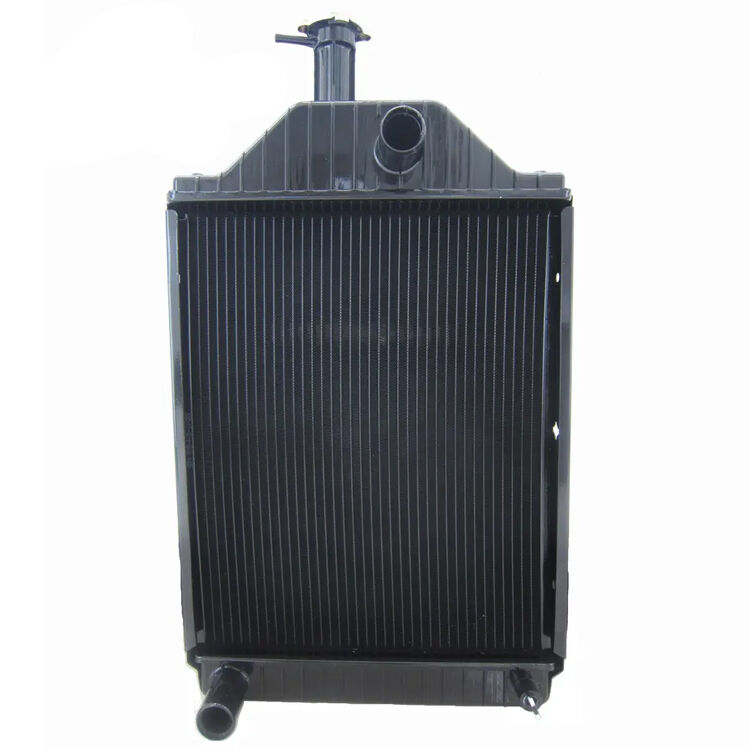
Parownik w systemie chłodniczym pełni funkcję kluczowego wymiennika ciepła, który umożliwia pobór energii cieplnej ze środowiska otaczającego. To niezbędne urządzenie działa poprzez umożliwienie czynnikowi chłodniczemu przejście z fazy ciekłej w fazę gazową, skutecznie usuwając ciepło z określonej przestrzeni lub chłodzonego produktu. Parownik w systemie chłodniczym funkcjonuje w oparciu o starannie kontrolowany proces, w którym niskociśnieniowy i niskotemperaturowy czynnik chłodniczy w stanie ciekłym wpływa do rurek (zwojów) i pobiera energię cieplną z powietrza lub materiałów stykających się z powierzchnią parownika. W miarę jak czynnik chłodniczy pochłania tę energię cieplną, przechodzi w stan pary, generując efekt chłodzenia, który stanowi podstawę technologii chłodniczej. Nowoczesne konstrukcje parowników wykorzystują zaawansowane układy żeberek oraz rozmieszczenie rurek w celu maksymalizacji wydajności wymiany ciepła przy jednoczesnym minimalizowaniu zużycia energii. Parownik w systemie chłodniczym zwykle wykonany jest z miedzi lub aluminium, zapewniając doskonałą przewodność cieplną oraz odporność na korozję. Te elementy są strategicznie umieszczane w jednostkach chłodniczych, aby zagwarantować optymalny przepływ powietrza i jednolite rozprowadzanie temperatury w całej chłodzonej przestrzeni. Istnieje wiele rodzajów parowników, w tym parowniki rurowe gładkie, rurowe żebrowane oraz płytowe – każdy z nich zaprojektowany dla konkretnych zastosowań i wymagań dotyczących wydajności. Do cech technologicznych parownika w systemie chłodniczym należą precyzyjnie zaprojektowane powierzchnie wymiany ciepła, które zwiększają jego zdolności wymienne, a specjalne powłoki zapobiegają tworzeniu się lodu i poprawiają trwałość eksploatacyjną. Zastosowania technologii parowników obejmują liczne gałęzie przemysłu – od komercyjnego przechowywania żywności i domowych systemów klimatyzacji po chłodzenie przemysłowe i chłodzenie sprzętu medycznego. Wielofunkcyjność parownika w systemie chłodniczym czyni go niezastąpionym w utrzymywaniu kontrolowanych temperatur w sklepach spożywczych, restauracjach, szpitalach, laboratoriach oraz zakładach produkcyjnych, gdzie produkty wrażliwe na temperaturę wymagają stałej i niezawodnej wydajności chłodzenia.
 ×
×

 EN
EN