
 EN
EN



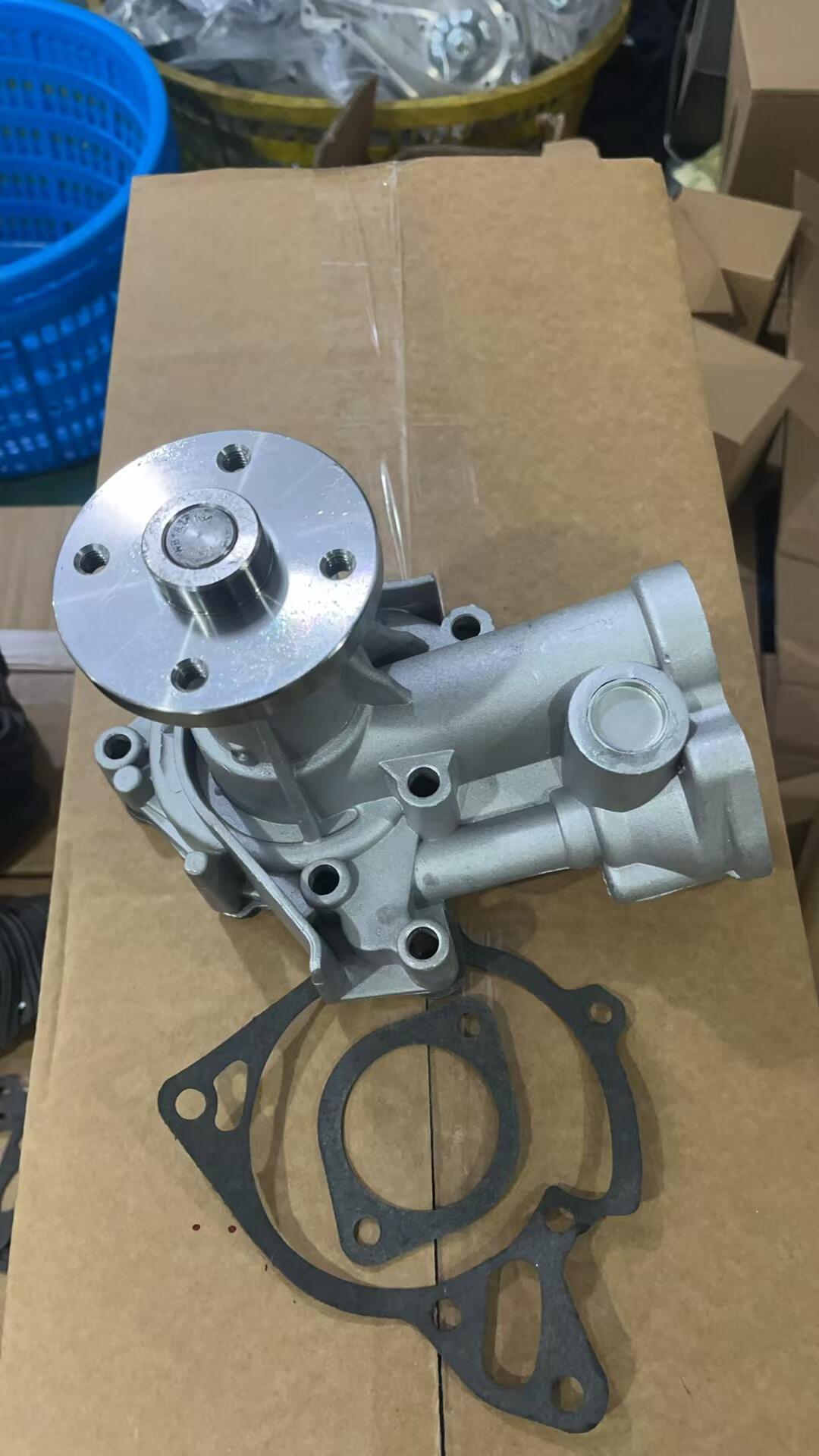
Transport chłodniczy w znacznym stopniu polega na specjalistycznych komponentach zwanych częściami do kontenerów chłodniczych, które zapewniają optymalną kontrolę temperatury podczas przewozu ładunku. Te kluczowe elementy współpracują, aby zapewnić, że towary szybko psujące się utrzymują się w precyzyjnych zakresach temperatury na całej trasie, zapobiegając psuciu się i utrzymaniu jakości produktu. Zrozumienie, w jaki sposób części do kontenerów chłodniczych przyczyniają się do wydajności chłodzenia, jest kluczowe dla specjalistów logistycznych, menedżerów flot oraz wszystkich zaangażowanych w transport łańcucha chłodniczego.
Sprawność systemów transportu chłodniczego zależy od bezproblemowej pracy wielu elementów urządzeń chłodniczych działających w harmonii. Od zaworów rozprężnych regulujących przepływ czynnika chłodniczego po sprężarki utrzymujące różnicę ciśnień — każdy z tych komponentów odgrywa kluczową rolę w tworzeniu i utrzymywaniu kontrolowanego środowiska niezbędnego do przewozu towarów wrażliwych na temperaturę. Współczesne elementy urządzeń chłodniczych uległy znacznemu rozwojowi, aby spełnić wymagania długotrwałego transportu na duże odległości, jednocześnie minimalizując zużycie energii i maksymalizując niezawodność.
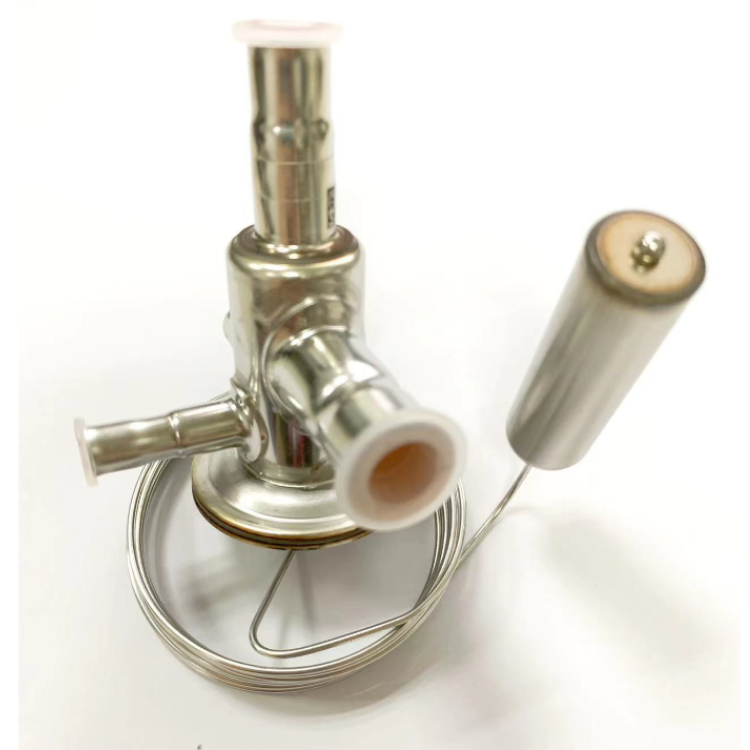
Podstawowe mechanizmy zapewniające wydajność elementów urządzeń chłodniczych
Systemy kontroli przepływu czynnika chłodniczego
Podstawą wydajności chłodzenia w transporcie jest precyzyjna kontrola przepływu czynnika chłodniczego, osiągana dzięki specjalnym elementom urządzeń chłodniczych zaprojektowanym właśnie do tego celu. Zawory rozprężne pełnią funkcję kluczowych punktów sterowania, regulując ilość czynnika chłodniczego dopływającego do cewek parownika i bezpośrednio wpływając tym samym na zdolność systemu do odprowadzania ciepła z przestrzeni ładunkowej. Te elementy urządzeń chłodniczych automatycznie dostosowują się do zmieniających się warunków obciążenia, zapewniając optymalne rozprowadzanie czynnika chłodniczego niezależnie od fluktuacji temperatury otoczenia lub zmian masy cieplnej ładunku.
Zaawansowane części chłodnic do transportu morskiego zawierają regulatory termiczne i elektroniczne, które szybko reagują na zmiany temperatury w przestrzeni chłodzonej. Taka szybkość reakcji zapobiega nadmiernemu ochładzaniu lub niedostatecznemu ochładzaniu, co może negatywnie wpływać zarówno na wydajność energetyczną, jak i na integralność ładunku. Precyzja tych systemów sterowania pozwala jednostkom chłodniczym do transportu utrzymywać stabilną temperaturę w bardzo wąskich zakresach – zazwyczaj w odchyleniu o jeden–dwa stopnie od zadanej temperatury.
Optymalizacja wymiany ciepła
Efektywna richcza wymiana ciepła stanowi kolejny kluczowy obszar, w którym części chłodnic do transportu morskiego znacząco wpływają na ogólną wydajność systemu. Zwoje parownika i skraplacza, jako niezbędne części chłodnic do transportu morskiego, są projektowane z powiększoną powierzchnią wymiany ciepła oraz zoptymalizowanym kształtem żeberek w celu maksymalizacji szybkości przekazywania ciepła. Te ulepszenia pozwalają systemom chłodniczym osiągać zamierzone efekty chłodzenia przy mniejszym zużyciu energii, co bezpośrednio przekłada się na poprawę efektywności paliwowej pojazdów transportowych.
Nowoczesne części chłodnicze wykorzystują zaawansowane materiały i techniki wytwarzania w celu poprawy wydajności wymiany ciepła. Miedziane rury z wzmocnionymi powierzchniami wewnętrznymi, aluminiowe żebra z zoptymalizowaną odległością między nimi oraz specjalne konfiguracje cewek przyczyniają się do lepszej wydajności termicznej. Te ulepszenia pozwalają systemom transportu chłodzonego szybciej osiągać docelowe temperatury i utrzymywać je przy mniejszym czasie ciągłej pracy, co zmniejsza całkowite zużycie energii podczas operacji transportowych.
Ulepszenia efektywności energetycznej dzięki zaawansowanym komponentom
Kompresor Postępy technologiczne
Systemy sprężarkowe stanowią serce jednostek transportu chłodzonego, a nowoczesne części chłodnicze w tej kategorii osiągnęły znaczące postępy w zakresie efektywności. Sprężarki o zmiennej prędkości obrotowej, sterowane zaawansowanymi systemami elektronicznymi, dostosowują swoją pracę do rzeczywistego zapotrzebowania na chłodzenie, a nie działają z ustaloną prędkością. Ta zdolność dynamicznego dostosowywania pozwala części do chłodni samochodowych precyzyjnie reagować na zmieniające się obciążenia termiczne podczas transportu.
Integracja technologii sprężarek śrubowych i obrotowych w częściach chłodniczych (reefer) doprowadziła do znaczącego obniżenia zużycia energii przy jednoczesnym zwiększeniu niezawodności. Te konstrukcje sprężarek minimalizują straty wewnętrzne i działają cichiej niż tradycyjne sprężarki tłokowe, co czyni je idealnym rozwiązaniem w zastosowaniach dostaw miejskich, gdzie obowiązują ograniczenia dotyczące poziomu hałasu. Dodatkowo nowoczesne części sprężarek chłodniczych charakteryzują się ulepszonymi systemami smarowania oraz zwiększoną odpornością na zużycie, co wydłuża ich czas pracy i zmniejsza zapotrzebowanie na konserwację.
Integracja sterowania elektronicznego
Nowoczesne części chłodni samochodowych zawierają zaawansowane elektroniczne systemy sterowania, które optymalizują wydajność chłodzenia dzięki inteligentnym funkcjom monitorowania i regulacji. Te systemy sterowania stale analizują wiele parametrów, w tym temperaturę otoczenia, temperaturę w przestrzeni ładunkowej, poziom wilgotności oraz ciśnienie czynnika chłodniczego, dokonując w czasie rzeczywistym korekt działania systemu. Taka precyzyjna kontrola zapewnia, że systemy chłodzenia działają z maksymalną wydajnością w różnych warunkach transportu.
Inteligentne części chłodnic do kontenerów wyposażone w sterowanie mikroprocesorowe mogą implementować złożone algorytmy przewidujące zapotrzebowanie na chłodzenie na podstawie danych historycznych oraz bieżących warunków. Ta zdolność predykcyjna pozwala systemowi chłodzenia dostosowywać swoje działanie proaktywnie, a nie reaktywnie, zapewniając stabilność temperatury przy jednoczesnym minimalizowaniu zużycia energii. Wdrożenie tych inteligentnych części chłodnic do kontenerów przyniosło poprawę efektywności o piętnaście do dwudziestu pięciu procent w porównaniu do konwencjonalnych mechanicznych systemów sterowania.
Stabilność temperatury i precyzyjne sterowanie
Technologia czujników i monitoring
Dokładna kontrola temperatury zależy w dużej mierze od zaawansowanych technologii czujników zintegrowanych w nowoczesnych częściach kontenerów chłodniczych. Wiele czujników temperatury umieszczonych w różnych miejscach przestrzeni chłodzonej zapewnia kompleksowe monitorowanie warunków termicznych, umożliwiając systemowi sterowania wykrywanie i reagowanie na zmiany temperatury jeszcze zanim wpłyną one na jakość ładunku. Te wyposażone w czujniki części kontenerów chłodniczych zapewniają jednolite rozprowadzanie temperatury oraz eliminują obszary o podwyższonej temperaturze, które mogłyby zagrozić integralności produktu.
Cyfrowe czujniki temperatury wbudowane w części chłodnicze zapewniają wyższą dokładność i szybsze czasy reakcji w porównaniu do tradycyjnych urządzeń pomiarowych działających mechanicznie. Ulepszona zdolność pomiarowa pozwala systemom chłodniczym utrzymywać ścisłe tolerancje temperatury, co jest szczególnie istotne dla produktów farmaceutycznych i biotechnologicznych wymagających rygorystycznego przestrzegania zakresów temperaturowych. Precyzja nowoczesnych czujników stosowanych w częściach chłodniczych umożliwia operatorom transportu spełnianie coraz bardziej rygorystycznych wymogów regulacyjnych dotyczących logistyki z kontrolą temperatury.
Systemy zarządzania przepływem powietrza
Skuteczna cyrkulacja powietrza stanowi kluczowy czynnik wpływający na wydajność chłodzenia, a specjalistyczne części do kontenerów chłodniczych zaprojektowane w celu zarządzania przepływem powietrza odgrywają w tym procesie istotną rolę. Wentylatory parownika oraz systemy cyrkulacji powietrza zapewniają jednolite rozprowadzanie temperatury w całej przestrzeni ładunkowej, zapobiegając warstwowaniu się temperatury, które może prowadzić do uszkodzenia towarów. Te części do kontenerów chłodniczych zostały zaprojektowane tak, aby zapewnić optymalny przepływ powietrza przy jednoczesnym minimalizowaniu zużycia energii.
Nowoczesne części do kontenerów chłodniczych są wyposażone w sterowanie wentylatorami o zmiennej prędkości, dostosowujące przepływ powietrza do wzorców załadunku i wymagań temperaturowych ładunku. To adaptacyjne zarządzanie przepływem powietrza zapobiega nadmiernemu obiegowi powietrza, który marnuje energię, jednocześnie gwarantując wystarczający przepływ powietrza do utrzymania jednolitości temperatury. Poprawnie zaprojektowane części do kontenerów chłodniczych wspierające przepływ powietrza zawierają również cechy ograniczające gromadzenie się szronu na cewkach parownika, co zmniejsza częstotliwość cykli rozmrażania i zapewnia stałą wydajność chłodzenia.
Czynniki dotyczące konserwacji i trwałości
Inżynieria trwałości
Surowe warunki eksploatacji w transporcie chłodniczym wymagają, aby części do urządzeń chłodniczych (reeferów) były zaprojektowane z myślą o wyjątkowej trwałości i niezawodności. Komponenty muszą wytrzymać stałe drgania, cykliczne zmiany temperatury oraz oddziaływanie różnych czynników środowiskowych, zachowując przy tym stałą skuteczność działania. Nowoczesne części do urządzeń chłodniczych wykorzystują zaawansowane materiały oraz powłoki ochronne zapobiegające korozji i zużyciu, co wydłuża ich czas użytkowania i zmniejsza częstotliwość wymiany.
W trakcie produkcji części chłodniczych stosowane są solidne techniki konstrukcyjne, w tym wzmocnione systemy montażowe, uszczelnione połączenia elektryczne oraz osłony ochronne chroniące wrażliwe komponenty przed uszkodzeniami spowodowanymi czynnikami zewnętrznymi. Takie ulepszenia odporności zapewniają, że systemy chłodnicze zachowują wysoką sprawność przez długie okresy eksploatacji, co zmniejsza całkowity koszt posiadania dla operatorów transportu. Dobrze zaprojektowane części chłodnicze zawierają również funkcje diagnostyczne pozwalające monitorować stan komponentów oraz przewidywać potrzebę konserwacji jeszcze przed wystąpieniem awarii.
Integracja konserwacji preventywnej
Nowoczesne części chłodnicze są zaprojektowane z uwzględnieniem łatwości konserwacji oraz możliwości diagnostycznych, które wspierają proaktywne programy konserwacji. Wbudowane systemy monitoringu śledzą parametry pracy i wydajność poszczególnych komponentów, zapewniając wcześniejsze ostrzeżenia przed potencjalnymi problemami, zanim wpłyną one na skuteczność działania systemu. Ta funkcja diagnostyczna pozwala zespołom serwisowym na rozwiązywanie problemów w ramach zaplanowanych okresów konserwacji, a nie na radzenie sobie z nagłymi awariami podczas operacji transportowych.
Projekt współczesnych części chłodniczych kładzie nacisk na łatwość serwisowania oraz wymiany komponentów, aby zminimalizować przestoje podczas czynności konserwacyjnych. Szybko odłączane złącza, łatwo dostępne miejsca montażowe oraz ustandaryzowane procedury wymiany przyczyniają się do skrócenia czasu i obniżenia kosztów konserwacji. Te przyjazne dla serwisu cechy zapewniają, że systemy chłodnicze mogą być utrzymywane w stanie maksymalnej wydajności przy minimalnym wpływie na operacje transportowe, co maksymalizuje wykorzystanie pojazdów oraz ich rentowność.
Często zadawane pytania
Jakie są najważniejsze części chłodni samochodowych niezbędne do utrzymania wydajności chłodzenia podczas transportu?
Najważniejszymi częściami chłodni samochodowych wpływającymi na wydajność są zawory rozprężne kontrolujące przepływ czynnika chłodniczego, sprężarki zapewniające moc chłodzącą, wymienniki ciepła (parowniki i skraplacze) oraz elektroniczne systemy sterowania umożliwiające precyzyjną pracę i czujniki temperatury służące do monitorowania. Każda z tych komponentów odgrywa kluczową rolę w utrzymaniu optymalnej wydajności chłodzenia podczas operacji transportowych.
Jak często należy sprawdzać i konserwować części chłodni samochodowych, aby zapewnić ich optymalną wydajność?
Części chłodni kontenerowych powinny być poddawane kompleksowej inspekcji co 250–500 godzin pracy, w zależności od intensywności użytkowania i warunków środowiskowych. Kluczowe elementy, takie jak filtry i czujniki, mogą wymagać częstszej kontroli, podczas gdy główne części chłodni kontenerowych, np. sprężarki i richłodniki, zazwyczaj wymagają szczegółowego serwisu raz w ciągu roku. Regularne konserwowanie części chłodni kontenerowych zapobiega spadkowi wydajności i wydłuża żywotność poszczególnych komponentów.
Czy uaktualnienie określonych części chłodni kontenerowych może poprawić wydajność starszych systemów chłodniczych?
Tak, uaktualnienie kluczowych części chłodni kontenerowych może znacznie poprawić wydajność starszych systemów. Zastąpienie sterowania mechanicznego systemami elektronicznymi, przejście na sprężarki o zmiennej prędkości obrotowej oraz zainstalowanie zaawansowanych zaworów rozprężnych mogą przynieść istotne korzyści w zakresie wydajności. Jednak przy doborze zamiennych części chłodni kontenerowych do starszych jednostek chłodniczych należy starannie ocenić ich zgodność z istniejącymi komponentami systemu.
Jakie objawy wskazują na konieczność wymiany części chłodniczych, aby zachować wydajność?
Objawami wskazującymi na konieczność wymiany części chłodniczych są zwiększone zużycie energii, trudności w utrzymywaniu docelowych temperatur, częste włączanie i wyłączanie urządzenia, nietypowe dźwięki podczas pracy oraz widoczne zużycie lub uszkodzenie komponentów. Systemy monitoringu wbudowane w nowoczesne części chłodnicze mogą również dostarczać informacji diagnostycznych wskazujących na potrzebę ich wymiany w celu zapewnienia optymalnego poziomu wydajności.
Spis treści
- Podstawowe mechanizmy zapewniające wydajność elementów urządzeń chłodniczych
- Ulepszenia efektywności energetycznej dzięki zaawansowanym komponentom
- Stabilność temperatury i precyzyjne sterowanie
- Czynniki dotyczące konserwacji i trwałości
-
Często zadawane pytania
- Jakie są najważniejsze części chłodni samochodowych niezbędne do utrzymania wydajności chłodzenia podczas transportu?
- Jak często należy sprawdzać i konserwować części chłodni samochodowych, aby zapewnić ich optymalną wydajność?
- Czy uaktualnienie określonych części chłodni kontenerowych może poprawić wydajność starszych systemów chłodniczych?
- Jakie objawy wskazują na konieczność wymiany części chłodniczych, aby zachować wydajność?