Eficiență energetică îmbunătățită și economii de costuri
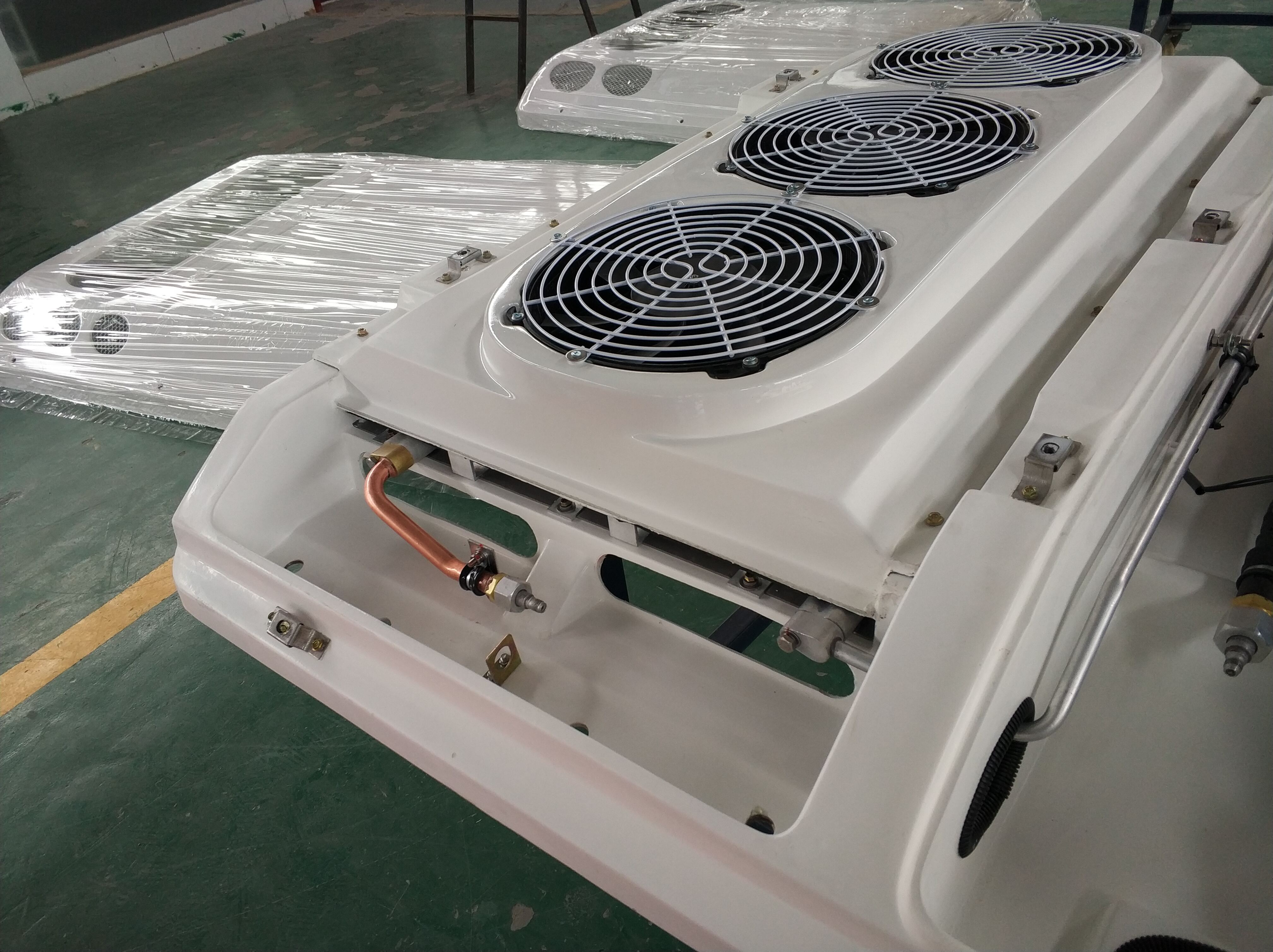
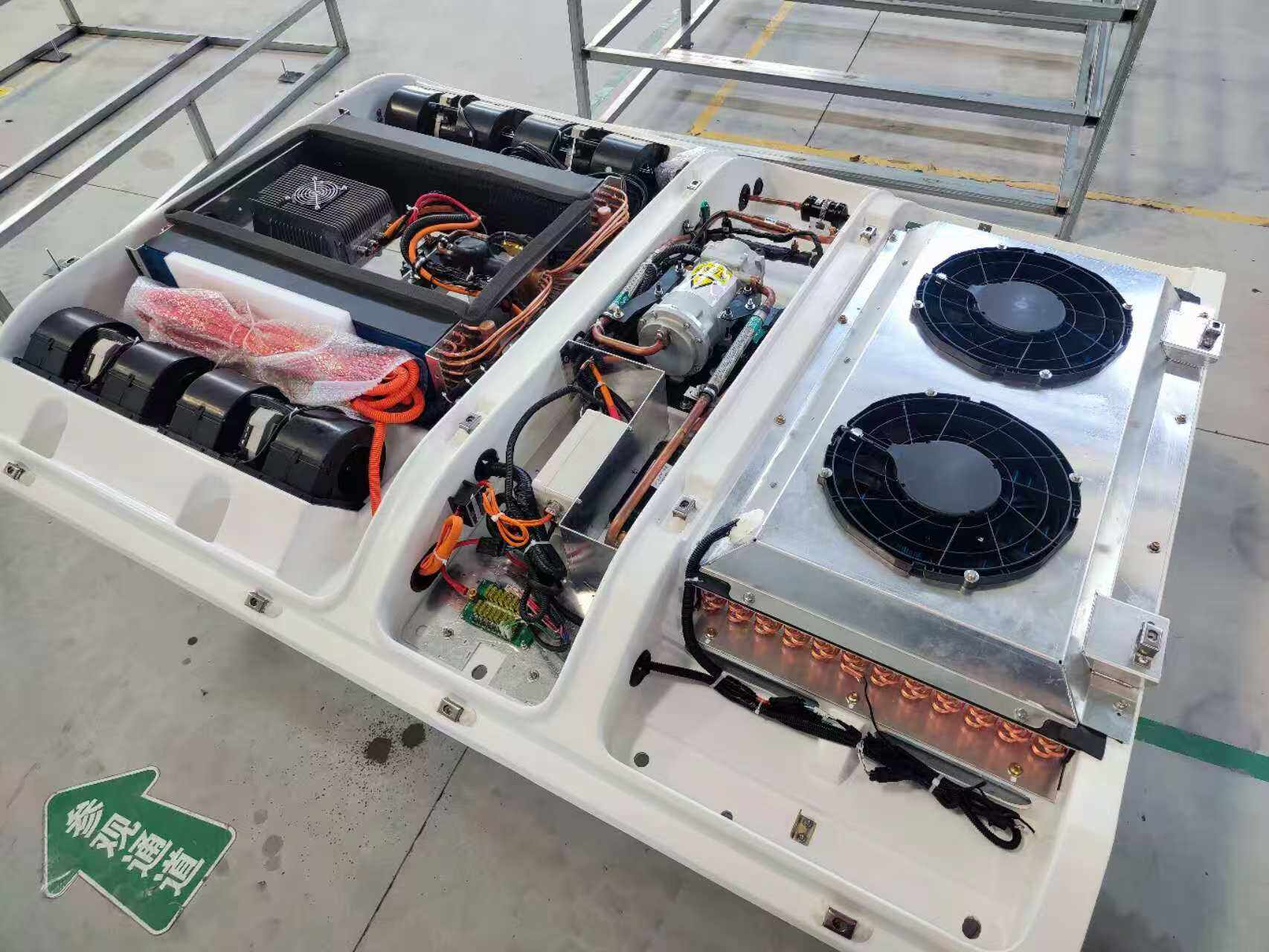
Eficiența remarcabilă energetică a ventilatorului modern de condensator AC pentru autobuze oferă economii semnificative de costuri operatorilor de transport, sprijinind în același timp obiectivele de sustenabilitate ambientală. Tehnologia avansată a motorului integrată în aceste unități asigură o eficiență superioară comparativ cu sistemele tradiționale, rezultând reduceri măsurabile ale consumului de combustibil și ale costurilor de exploatare. Ventilatorul de condensator AC pentru autobuze utilizează motoare cu comutație electronică care oferă un control precis al vitezei și elimină pierderile de energie asociate sistemelor mecanice de reglare a vitezei. Această tehnologie permite ventilatorului să funcționeze la viteze optime pentru condițiile actuale, evitând risipa legată de funcționarea constantă la viteză ridicată. Eficiența îmbunătățită se traduce direct într-o sarcină redusă asupra alternatorului, ceea ce scade consumul de combustibil al motorului și prelungește autonomia vehiculului între opririle pentru alimentare. Pentru operatorii de flotă, aceste economii se multiplică pe întreaga lor inventariere de vehicule, generând reduceri semnificative ale costurilor anuale. Ventilatorul de condensator AC pentru autobuze include, de asemenea, algoritmi inteligenți de comandă care învață modelele de funcționare și optimizează performanța în consecință, sporind ulterior economiile de energie. În perioadele cu cerințe reduse de răcire, sistemul reduce automat consumul de energie electrică, menținând în același timp confortul pasagerilor. Sarcina electrică redusă diminuează, de asemenea, uzura sistemului de încărcare și a bateriilor vehiculului, prelungind durata lor de funcționare și reducând costurile de înlocuire. Economii suplimentare privind întreținerea reprezintă un alt avantaj semnificativ, deoarece funcționarea eficientă a ventilatorului de condensator AC pentru autobuze reduce stresul termic asupra componentelor sistemului, determinând intervale mai lungi între intervențiile de service. Controlul precis al motorului minimizează curenții de pornire și stresul operațional, contribuind la prelungirea duratei de viață a motorului și la reducerea frecvenței înlocuirii acestuia. Capacitățile integrate de monitorizare energetică din sistemele avansate de ventilatoare de condensator AC pentru autobuze oferă feedback în timp real privind consumul de energie, permițând operatorilor să urmărească îmbunătățirile de eficiență și să calculeze rentabilitatea investiției. Această abordare bazată pe date ajută companiile de transport să ia decizii informate privind modernizarea flotei și programarea întreținerii, maximizând beneficiile economice ale investițiilor lor în sistemele de aer condiționat.
 ×
×

 EN
EN