Εξαιρετική αντοχή και αξιοπιστία λειτουργίας
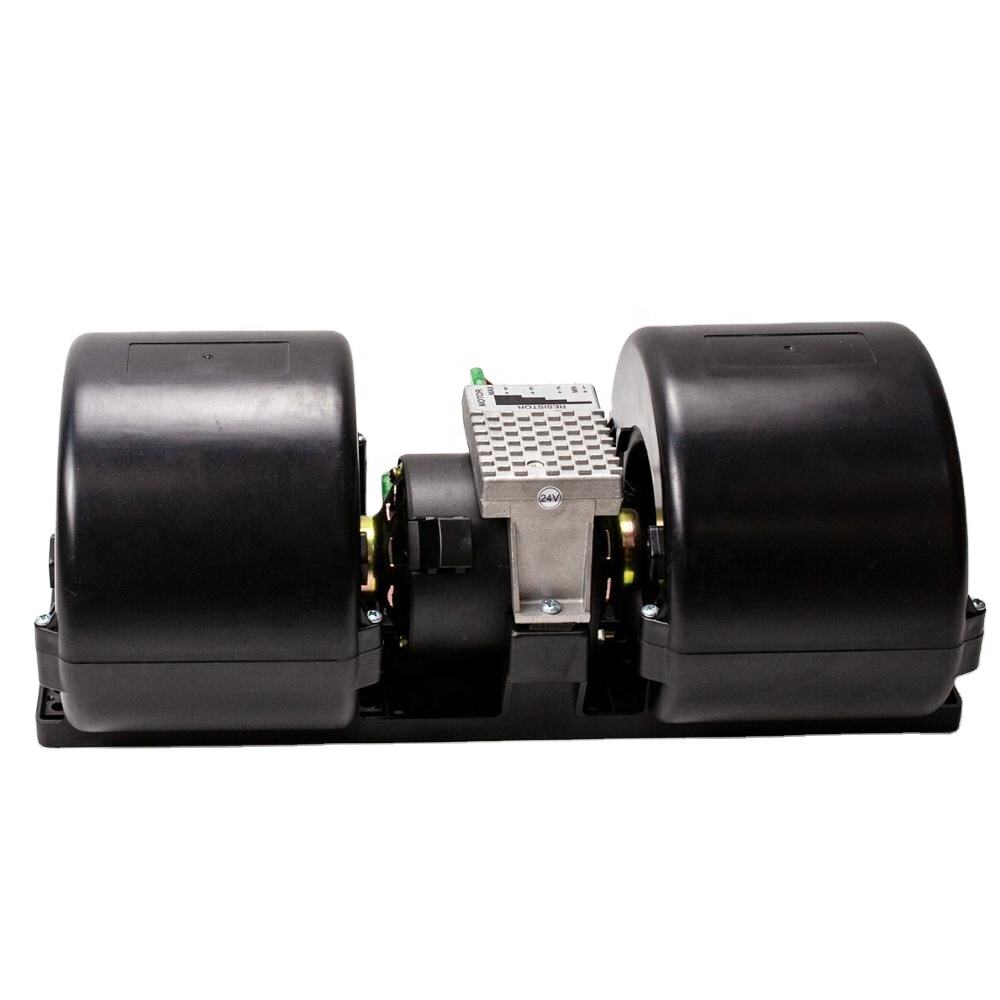
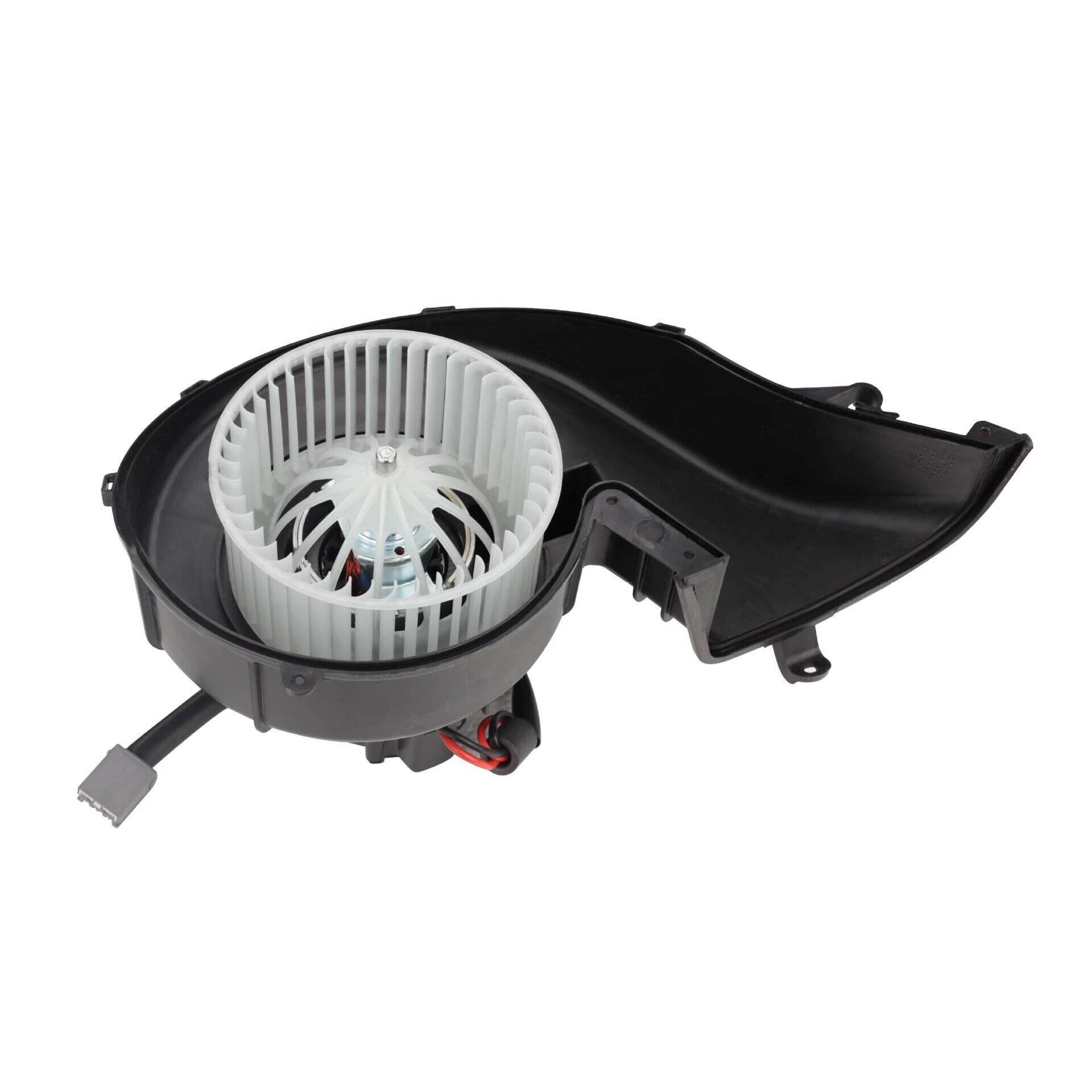
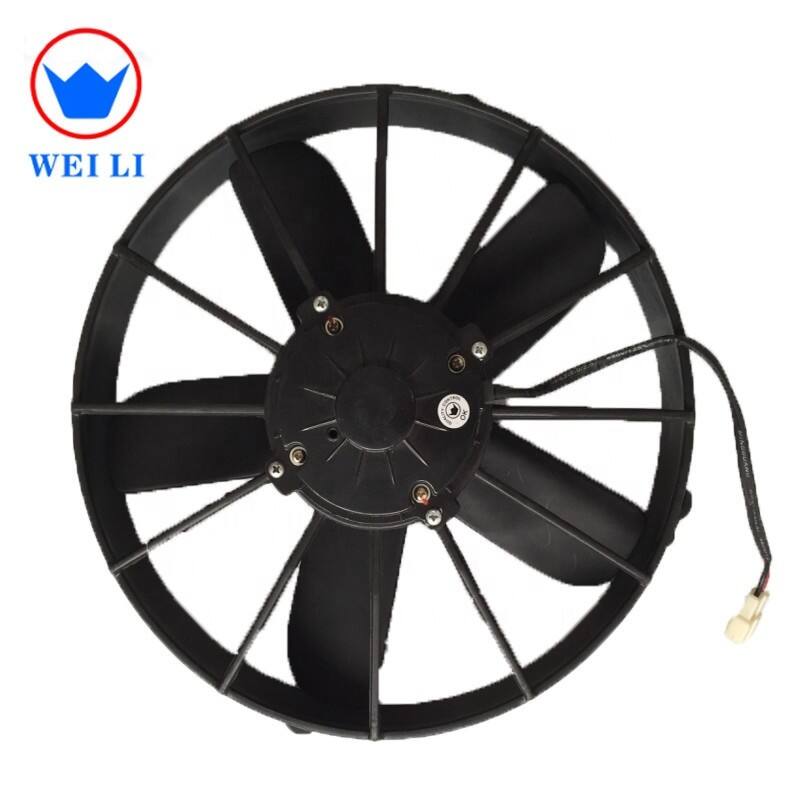
Ο κινητήρας του ανεμιστήρα συμπιεστή επιδεικνύει εξαιρετική ανθεκτικότητα μέσω της μηχανολογικά κατασκευασμένης του δομής, η οποία αντέχει τις πιο απαιτητικές βιομηχανικές συνθήκες, παρέχοντας συνεχώς αξιόπιστη και σταθερή απόδοση από χρόνο σε χρόνο. Υψηλής ποιότητας υλικά, όπως περιβλήματα από χάλυβα υψηλής ποιότητας, επιστρώματα ανθεκτικά στη διάβρωση και ακριβώς κατεργασμένα εξαρτήματα, διασφαλίζουν ότι ο κινητήρας διατηρεί τη βέλτιστη λειτουργία του, ακόμη και όταν εκτίθεται σε ακραίες συνθήκες, όπως ακραίες θερμοκρασίες, υγρασία, χημικές ουσίες και μηχανική τάση. Τα συστήματα κυλινδρικών εδράνων χρησιμοποιούν προηγμένες τεχνολογίες λίπανσης και σφραγισμένες κατασκευές, που επεκτείνουν τα διαστήματα συντήρησης, μειώνουν τις απαιτήσεις συντήρησης και εξαλείφουν πρόωρα προβλήματα φθοράς, τα οποία είναι συνήθη σε κινητήρες χαμηλότερης ποιότητας. Η ανθεκτική συναρμολόγηση του δρομέα περιλαμβάνει τεχνικές δυναμικής ισορρόπησης που εξαλείφουν τη φθορά που προκαλείται από την ταλάντωση και επεκτείνουν σημαντικά τη διάρκεια ζωής των εδράνων πέραν των τυπικών προδιαγραφών για κινητήρες. Τα συστήματα θερμικής προστασίας παρακολουθούν συνεχώς τη θερμοκρασία λειτουργίας και εφαρμόζουν προστατευτικά μέτρα για να αποτρέψουν ζημιές λόγω υπερθέρμανσης, διασφαλίζοντας ότι ο κινητήρας του ανεμιστήρα συμπιεστή λειτουργεί με ασφάλεια εντός των σχεδιαστικών παραμέτρων του, ανεξάρτητα από τις συνθήκες περιβάλλοντος ή τις μεταβολές φορτίου. Οι διαδικασίες ελέγχου ποιότητας κατά τη διάρκεια της παραγωγής περιλαμβάνουν εκτενείς δοκιμαστικές διαδικασίες που επαληθεύουν τις προδιαγραφές απόδοσης και εντοπίζουν πιθανά προβλήματα πριν από την παράδοση των κινητήρων στις εγκαταστάσεις των πελατών. Η σφραγισμένη κατασκευή του κινητήρα του ανεμιστήρα συμπιεστή αποτρέπει τη μόλυνση από σκόνη, υγρασία και αιωρούμενα σωματίδια, τα οποία συνήθως προκαλούν εσωτερική φθορά των εξαρτημάτων και μείωση της απόδοσης με την πάροδο του χρόνου. Στατιστικά στοιχεία επαληθευμένης αξιοπιστίας στο πεδίο δείχνουν ότι ο μέσος χρόνος μεταξύ αστοχιών υπερβαίνει τα βιομηχανικά πρότυπα, προσφέροντας εμπιστοσύνη για κρίσιμες εφαρμογές, όπου η αδυναμία λειτουργίας του εξοπλισμού οδηγεί σε σημαντικές οικονομικές απώλειες. Η κάλυψη της εγγύησης αντικατοπτρίζει την εμπιστοσύνη του κατασκευαστή στην ανθεκτικότητα του προϊόντος, επεκτείνεται συχνά πέραν των τυπικών βιομηχανικών όρων και περιλαμβάνει εκτενή προστασία έναντι ελαττωμάτων και προβλημάτων απόδοσης. Η ικανότητα του κινητήρα να αντέχει συχνούς κύκλους ενεργοποίησης-απενεργοποίησης χωρίς φθορά τον καθιστά ιδανικό για εφαρμογές που απαιτούν ανταπόκριση σε πραγματικό χρόνο και μεταβλητούς κύκλους λειτουργίας. Οι απαιτήσεις προληπτικής συντήρησης παραμένουν ελάχιστες λόγω της ανθεκτικής κατασκευής, μειώνοντας το συνεχές κόστος συντήρησης και απλοποιώντας τον προγραμματισμό των εργασιών συντήρησης. Η ευκολία πρόσβασης στα εξαρτήματα διευκολύνει τις γρήγορες επιθεωρήσεις και τις τακτικές διαδικασίες συντήρησης, ελαχιστοποιώντας την αδυναμία λειτουργίας του εξοπλισμού κατά τα προγραμματισμένα διαστήματα συντήρησης. Το αποδεδειγμένο ιστορικό αξιόπιστης λειτουργίας του κινητήρα του ανεμιστήρα συμπιεστή σε απαιτητικές εφαρμογές σε διάφορους τομείς παρέχει εγγύηση για νέες εγκαταστάσεις και έργα αναβάθμισης, όπου η συνεκτικότητα της απόδοσης είναι απαραίτητη για την επιτυχία των λειτουργιών.
 ×
×

 EN
EN