Προηγμένη Τεχνολογία Ψύξης για Ανώτερο Έλεγχο της Θερμοκρασίας
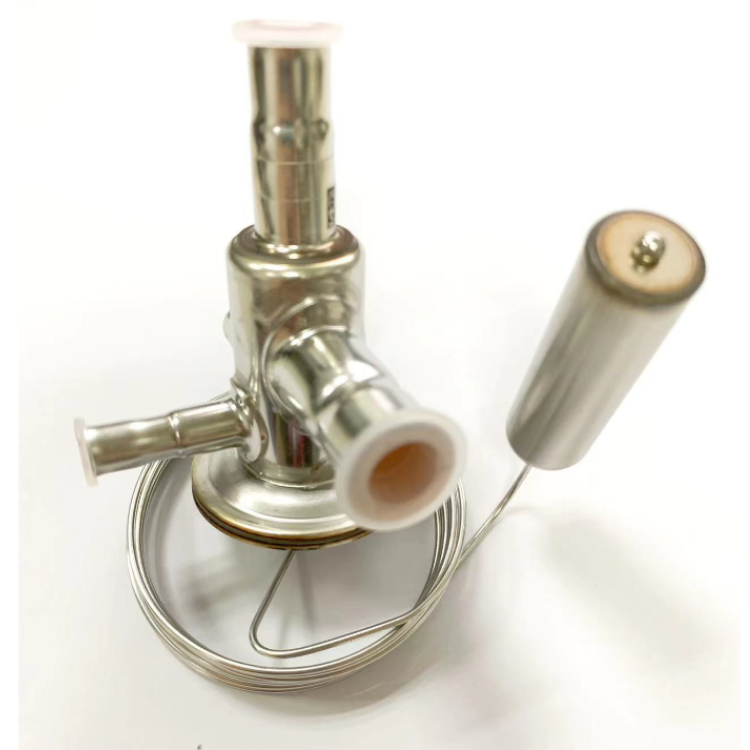
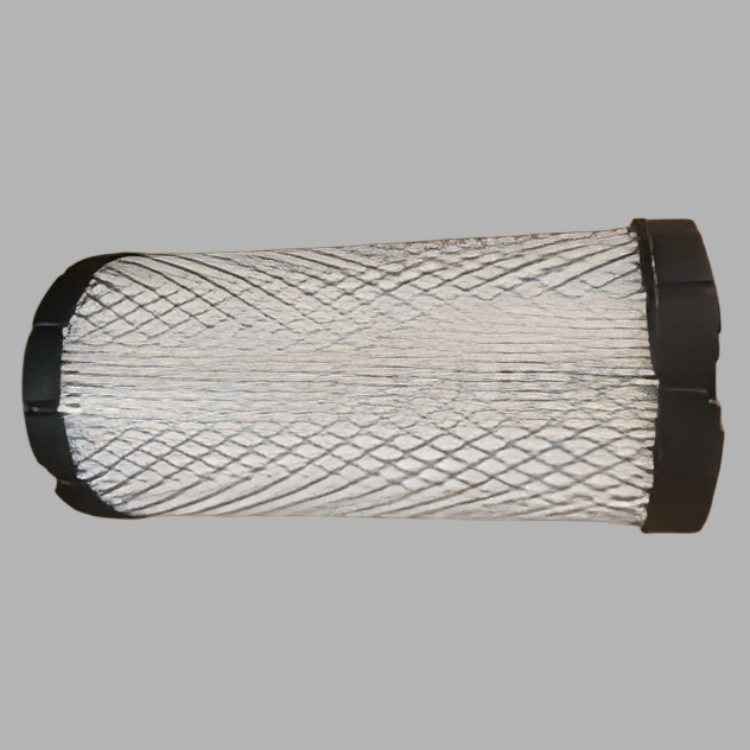
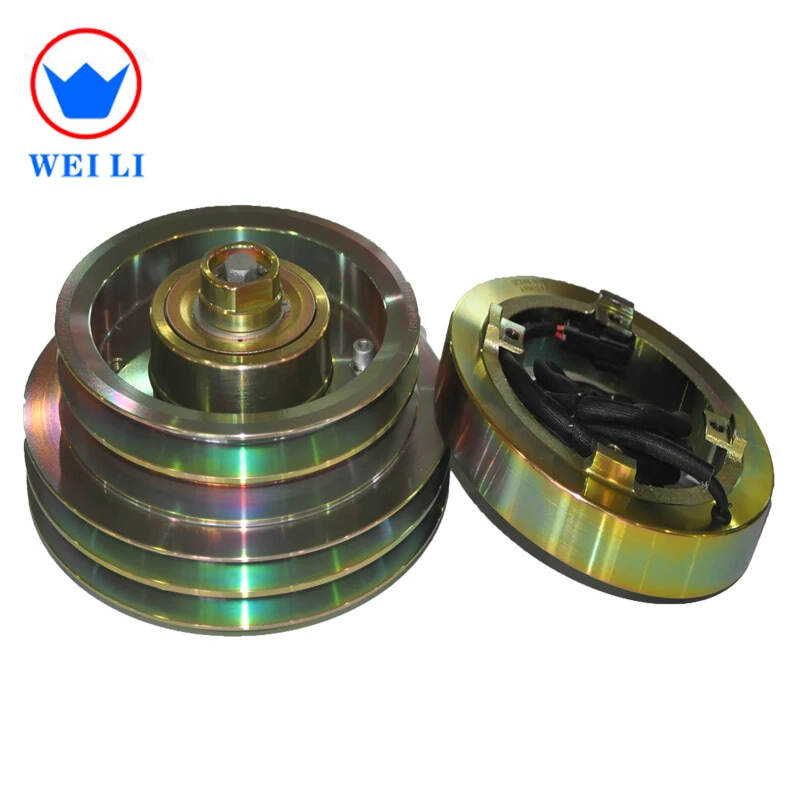
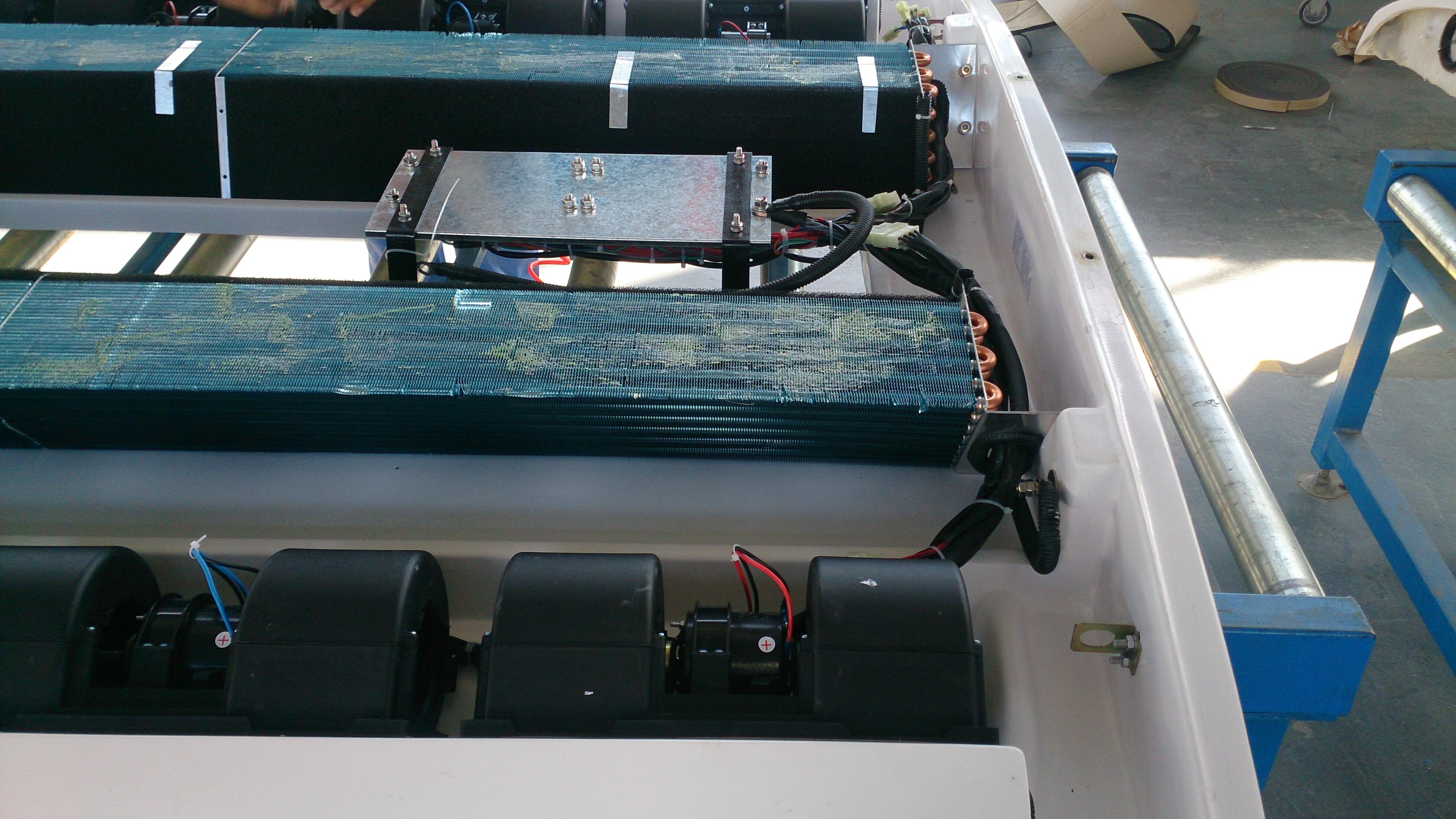
Η τεχνολογία ψύξης που ενσωματώνεται στα σύγχρονα εξαρτήματα ψυκτικών φορτηγών αποτελεί μια επανάσταση στις δυνατότητες διαχείρισης της θερμοκρασίας, μεταμορφώνοντας τα πρότυπα προστασίας των φορτίων. Αυτά τα προηγμένα συστήματα χρησιμοποιούν κατασκευές συμπιεστών κατάστασης της τέχνης σε συνδυασμό με ψυκτικά μέσα φιλικά προς το περιβάλλον, προκειμένου να επιτύχουν ακριβή έλεγχο της θερμοκρασίας σε μια ευρεία γκάμα ρυθμίσεων. Η τεχνολογία πολυσταδιακής συμπίεσης επιτρέπει γρήγορες δυνατότητες «pulldown», φέρνοντας επιταχυνόμενα τους χώρους φόρτωσης στις επιθυμητές θερμοκρασίες και διατηρώντας τις με εξαιρετική ακρίβεια. Αυτή η ακρίβεια αποδεικνύεται κρίσιμη για προϊόντα ευαίσθητα στη θερμοκρασία, όπως οι εμβολιασμοί, τα φρέσκα λαχανικά και οι ειδικές χημικές ουσίες, τα οποία απαιτούν αυστηρό έλεγχο του περιβάλλοντος καθ’ όλη τη διάρκεια της μεταφοράς. Οι έξυπνοι αλγόριθμοι ελέγχου παρακολουθούν συνεχώς και προσαρμόζουν την απόδοση του συστήματος βάσει πραγματικών συνθηκών, αντισταθμίζοντας αυτόματα τις μεταβολές της εξωτερικής θερμοκρασίας, τα ανοίγματα των πορτών και τις αλλαγές στη φόρτωση του φορτίου. Η ενσωμάτωση συμπιεστών με μεταβλητή ταχύτητα επιτρέπει στο σύστημα να ρυθμίζει την ισχύ ψύξης σύμφωνα με την πραγματική ζήτηση, βελτιώνοντας σημαντικά την ενεργειακή απόδοση, ενώ διατηρεί τις βέλτιστες συνθήκες. Οι προηγμένες κατασκευές εξατμιστών διασφαλίζουν ομοιόμορφη διανομή του αέρα σε όλον τον χώρο φόρτωσης, εξαλείφοντας τις κλίσεις θερμοκρασίας που θα μπορούσαν να θέσουν σε κίνδυνο την ποιότητα των προϊόντων. Τα συστήματα απόψυξης λειτουργούν με βάση εξελιγμένους χρονικούς και θερμοκρασιακούς ελέγχους, ελαχιστοποιώντας τη διατάραξη των συνθηκών του φορτίου, ενώ διατηρούν τη βέλτιστη απόδοση των ανταλλακτών θερμότητας. Τα συστήματα αντικατάστασης σε κατάσταση έκτακτης ανάγκης προσφέρουν προστασία έναντι αποτυχιών του κύριου συστήματος, ενσωματώνοντας εφεδρικούς ελέγχους και εναλλακτικές πηγές ενέργειας που προστατεύουν τις αξιόλογες επενδύσεις σε φορτία. Η ενσωμάτωση έξυπνων αισθητήρων σε όλο το σύστημα ψύξης ενεργοποιεί δυνατότητες προληπτικής συντήρησης, εντοπίζοντας δυνητικά προβλήματα πριν αυτά οδηγήσουν σε αποτυχίες του συστήματος ή αποκλίσεις της θερμοκρασίας. Οι δυνατότητες απομακρυσμένης παρακολούθησης επιτρέπουν στους διαχειριστές στόλων να παρακολουθούν την απόδοση του συστήματος σε πραγματικό χρόνο, λαμβάνοντας ειδοποιήσεις για οποιεσδήποτε αποκλίσεις από τις προγραμματισμένες παραμέτρους. Η μοντουλαρή κατασκευή των εξαρτημάτων ψύξης διευκολύνει τις επισκευές επιτόπου και την αντικατάσταση εξαρτημάτων, ελαχιστοποιώντας τον χρόνο αδράνειας και μειώνοντας το κόστος συντήρησης. Αυτές οι τεχνολογικές πρόοδοι προσφέρουν μετρήσιμα οφέλη, συμπεριλαμβανομένης της μείωσης των απωλειών προϊόντων, των χαμηλότερων λειτουργικών δαπανών, της ενίσχυσης της συμμόρφωσης προς τη νομοθεσία και της βελτίωσης της ικανοποίησης των πελατών μέσω αξιόπιστης προστασίας των φορτίων.
 ×
×

 EN
EN