Mechanical Shaft Seal: Advanced Sealing Solutions for Industrial Applications

Get a Free Quote

Our representative will contact you soon.
Email
Name
Company Name
Message
0/1000

mechanical shaft seal

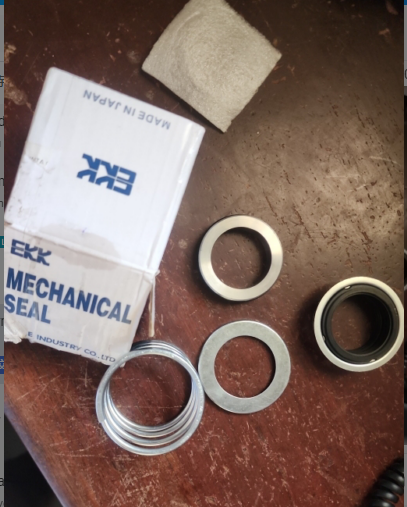
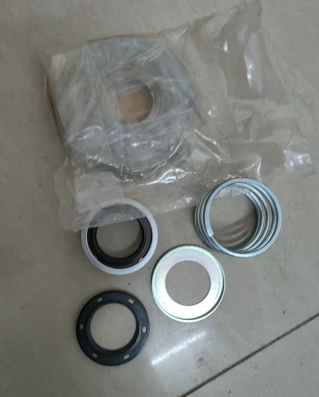
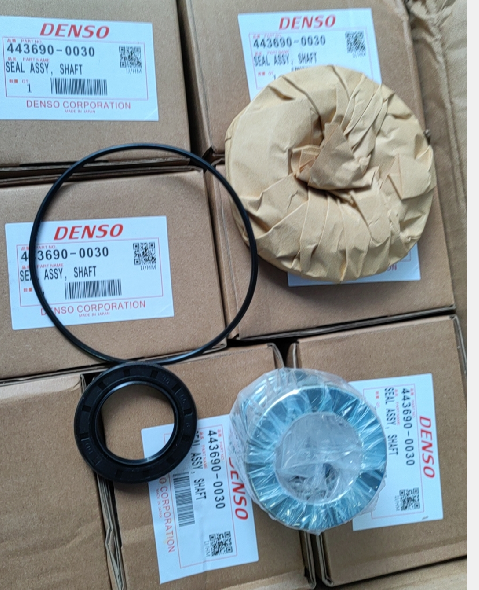
A mechanical shaft seal represents a critical component in rotating machinery, designed to prevent fluid leakage between stationary and rotating parts while maintaining optimal system performance. This sophisticated sealing solution consists of two primary surfaces - one rotating with the shaft and one stationary - that create a dynamic seal through precise contact pressure and lubrication films. The mechanical shaft seal operates on the principle of controlled leakage, where minimal fluid loss occurs across the sealing interface, ensuring both equipment protection and environmental safety. Modern mechanical shaft seal designs incorporate advanced materials including carbon graphite, silicon carbide, tungsten carbide, and various elastomers to withstand extreme operating conditions. These seals function by maintaining a thin liquid film between the sealing faces, which provides lubrication while preventing significant leakage. The spring-loaded mechanism ensures consistent face contact pressure, compensating for wear and thermal expansion. Temperature resistance capabilities of mechanical shaft seal systems range from cryogenic applications to high-temperature industrial processes, making them versatile solutions for diverse industries. Pressure handling capacity extends from vacuum conditions to several hundred bar, demonstrating the robust engineering behind mechanical shaft seal technology. Chemical compatibility considerations drive material selection, ensuring long-term reliability in corrosive environments. Installation configurations include pusher and non-pusher designs, cartridge assemblies, and split seals for maintenance convenience. The mechanical shaft seal serves as the primary barrier against contamination, protecting bearings and other internal components from external debris while retaining process fluids. Performance monitoring capabilities through built-in sensors enable predictive maintenance strategies, reducing unexpected downtime and extending equipment lifespan. Quality standards such as API, ISO, and DIN govern mechanical shaft seal manufacturing, ensuring consistent performance across global applications.

New Product Releases

The mechanical shaft seal delivers exceptional reliability through its proven design principles, eliminating the frequent maintenance requirements associated with traditional packing materials. Users benefit from significantly reduced downtime since mechanical shaft seal systems operate continuously without adjustment needs for extended periods. Leak prevention capabilities provide both environmental protection and cost savings by minimizing product loss and contamination risks. The self-adjusting nature of mechanical shaft seal technology compensates for normal wear patterns, maintaining effective sealing performance throughout the service life. Energy efficiency improvements result from reduced friction compared to compression packing, leading to lower power consumption and operational costs. Installation simplicity allows maintenance teams to replace mechanical shaft seal units quickly, minimizing production interruptions and labor expenses. Temperature stability ensures consistent performance across wide operating ranges, from cryogenic applications to high-heat industrial processes. Pressure resistance characteristics enable mechanical shaft seal deployment in demanding applications where traditional seals fail, expanding equipment operational envelopes. Chemical resistance properties protect against aggressive media, extending service intervals and reducing replacement frequency. Contamination prevention features protect internal machinery components, reducing overall maintenance costs and extending equipment lifespan. The mechanical shaft seal design prevents external debris ingress while retaining process fluids, maintaining system cleanliness and efficiency. Predictable service life enables accurate maintenance planning, improving inventory management and reducing unexpected repair costs. Standardized dimensions facilitate easy retrofitting into existing equipment, allowing upgrades without major modifications. Performance monitoring capabilities through integrated sensors provide early warning of potential issues, enabling proactive maintenance strategies. The mechanical shaft seal offers superior sealing effectiveness compared to alternative solutions, ensuring compliance with environmental regulations and safety standards. Cost-effectiveness emerges through reduced maintenance frequency, lower energy consumption, and extended equipment life, providing excellent return on investment for industrial operations.

Latest News

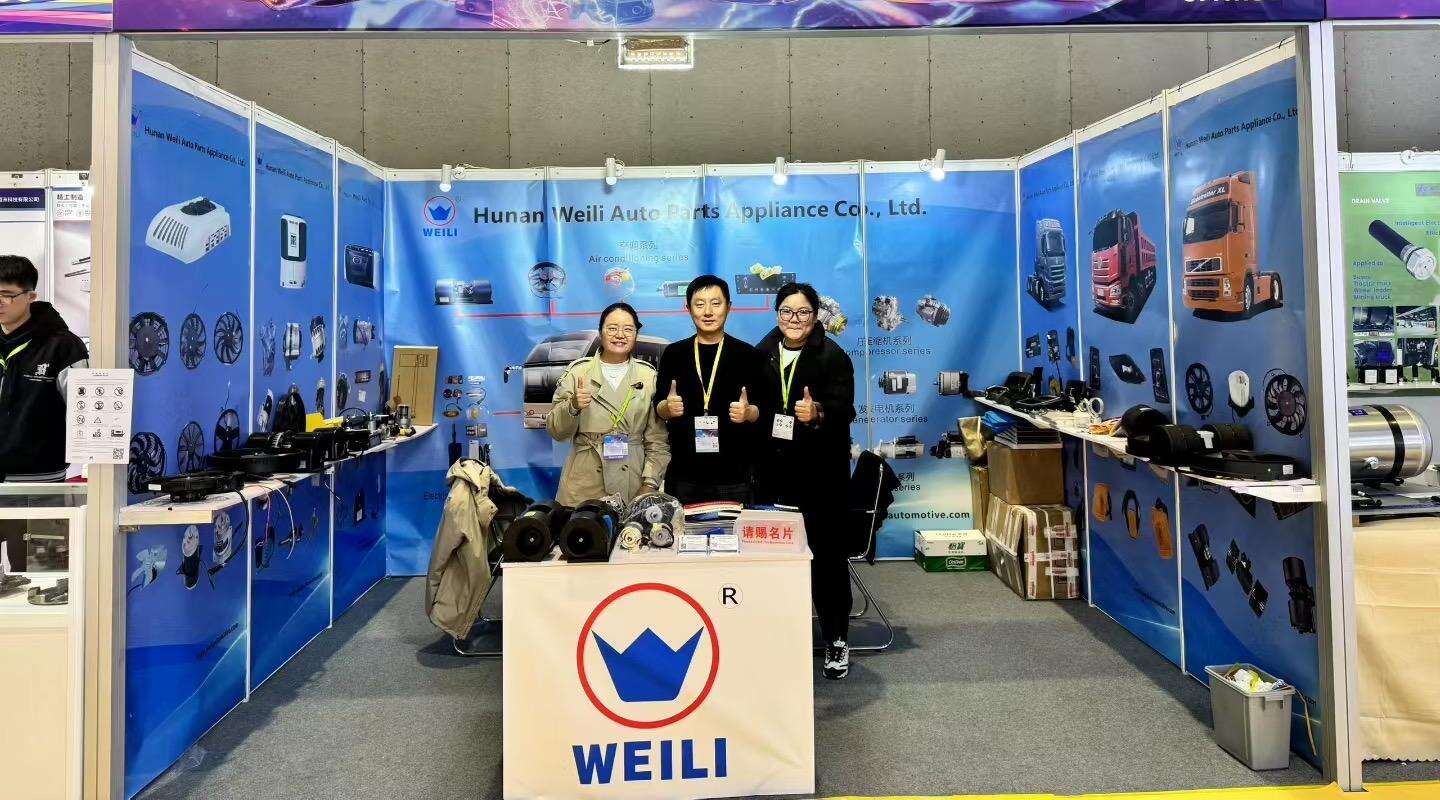
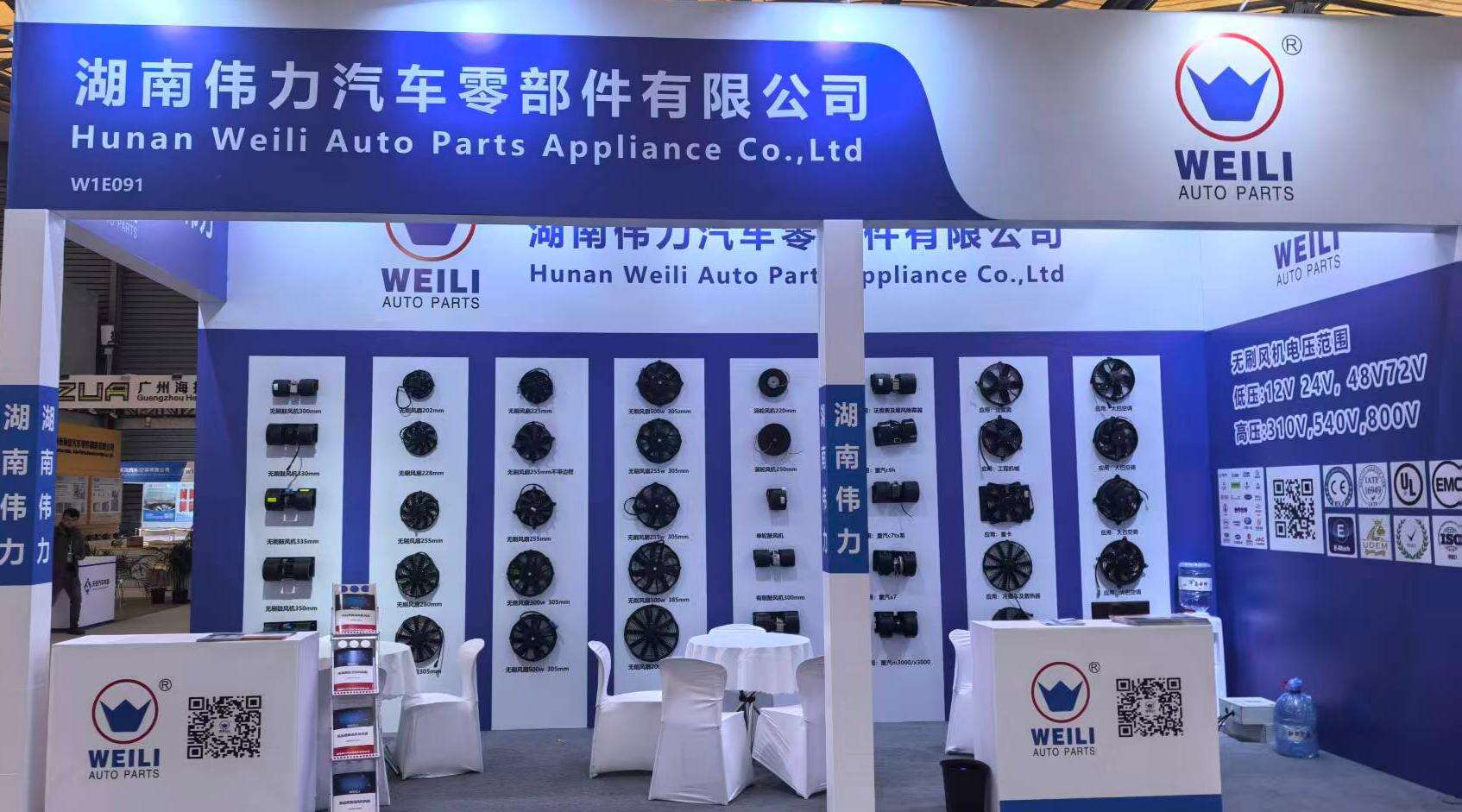
Hunan Weili in 2025 Automechanika Shanghai

10

Feb

Hunan Weili in 2025 Automechanika Shanghai

View More
Hunan Weili in CIAAR 2025

10

Feb

Hunan Weili in CIAAR 2025

View More
Hunan Weili in The 138th China Import and Export Fair

10

Feb

Hunan Weili in The 138th China Import and Export Fair

View More

Get a Free Quote

Our representative will contact you soon.
Email
Name
Company Name
Message
0/1000

mechanical shaft seal

Superior Leak Prevention Technology

Superior Leak Prevention Technology

The mechanical shaft seal excels in leak prevention through its innovative dual-face sealing design, which creates an virtually impermeable barrier between rotating and stationary components. This advanced sealing mechanism operates through precision-engineered surfaces that maintain optimal contact pressure while allowing minimal controlled leakage for lubrication purposes. The primary sealing interface consists of lapped faces manufactured to extremely tight tolerances, typically within micrometers, ensuring consistent sealing performance throughout the operational cycle. Spring-loaded mechanisms provide constant face pressure, automatically compensating for thermal expansion, wear patterns, and mechanical deflections that could compromise sealing integrity. The mechanical shaft seal design incorporates secondary sealing elements, including O-rings and gaskets, that provide additional barriers against leakage paths around the seal housing and shaft interface. Fluid film lubrication between the sealing faces prevents direct metal-to-metal contact, reducing wear while maintaining the thin barrier necessary for effective sealing. Advanced face materials such as silicon carbide and tungsten carbide offer exceptional durability and chemical resistance, ensuring long-term leak prevention in aggressive media applications. The balanced design of modern mechanical shaft seal systems minimizes hydraulic forces that could cause face separation, maintaining consistent sealing contact even under varying pressure conditions. Temperature management features, including heat dissipation pathways and thermal barrier coatings, prevent thermal distortion that could compromise the sealing interface. Quality control measures during manufacturing ensure each mechanical shaft seal meets strict leakage specifications, typically less than one drop per minute for most applications. Environmental compliance benefits include elimination of fugitive emissions and reduced product loss, supporting sustainability initiatives and regulatory requirements. The mechanical shaft seal leak prevention capability directly translates to cost savings through reduced product waste, environmental cleanup costs, and regulatory compliance expenses.
Extended Service Life and Durability

Extended Service Life and Durability

The mechanical shaft seal demonstrates exceptional longevity through robust construction materials and intelligent design features that minimize wear and maximize operational life. Premium face materials including carbon graphite, silicon carbide, and specialized ceramics provide outstanding wear resistance while maintaining dimensional stability under extreme operating conditions. The self-lubricating properties of mechanical shaft seal interfaces reduce friction-induced wear, allowing components to operate smoothly for years without replacement. Thermal management systems within mechanical shaft seal designs prevent heat buildup that could damage sealing faces or cause premature failure of elastomeric components. Corrosion resistance features protect against chemical attack from process fluids, ensuring structural integrity throughout extended service periods. The balanced hydraulic design eliminates excessive face loading that could accelerate wear, while spring systems provide consistent pressure regardless of operating conditions. Material compatibility testing ensures mechanical shaft seal components resist degradation when exposed to specific process chemicals, extending service intervals significantly. Precision manufacturing techniques create sealing faces with optimal surface finish and flatness, promoting even wear patterns and extending operational life. The modular design of mechanical shaft seal assemblies allows individual component replacement without complete seal renewal, maximizing cost-effectiveness and minimizing maintenance complexity. Protective coatings on metal components prevent corrosion and extend the useful life of housing materials in challenging environments. Quality testing protocols verify mechanical shaft seal durability under accelerated aging conditions, providing confidence in long-term performance predictions. Predictive maintenance capabilities through condition monitoring enable optimal replacement timing, maximizing service life while preventing unexpected failures. The mechanical shaft seal design philosophy emphasizes redundancy and fail-safe features, ensuring continued operation even when individual components approach end-of-life conditions. Field performance data consistently demonstrates mechanical shaft seal service life advantages over alternative sealing technologies, with many applications achieving years of trouble-free operation. Investment recovery through extended service intervals makes mechanical shaft seal technology highly cost-effective for critical applications where reliability and longevity are paramount considerations.
Versatile Application Compatibility

Versatile Application Compatibility

The mechanical shaft seal offers unmatched versatility across diverse industrial applications, accommodating varying pressures, temperatures, speeds, and chemical environments through specialized design configurations. Pressure handling capabilities range from full vacuum conditions to over 300 bar, enabling mechanical shaft seal deployment in applications from pharmaceutical processing to high-pressure hydraulic systems. Temperature tolerance spans from cryogenic liquefied gas handling at minus 200 degrees Celsius to high-temperature molten metal applications exceeding 400 degrees Celsius. Chemical compatibility matrices guide mechanical shaft seal material selection for specific media, ensuring reliable performance in acids, bases, solvents, and aggressive industrial chemicals. Speed adaptability allows mechanical shaft seal operation in low-rpm mixer applications as well as high-speed centrifugal equipment operating at thousands of revolutions per minute. Shaft size flexibility accommodates equipment ranging from small laboratory pumps with 10mm shafts to large industrial compressors with shafts exceeding 500mm diameter. The mechanical shaft seal design variations include pusher and non-pusher configurations, split assemblies for maintenance access, and cartridge units for simplified installation. Industry-specific certifications enable mechanical shaft seal use in regulated environments including pharmaceutical, food processing, nuclear, and aerospace applications where compliance is critical. Mounting options provide installation flexibility, with face-mounted, flange-mounted, and cartridge-style configurations accommodating different equipment designs and space constraints. Fluid compatibility extends to gases, liquids, slurries, and multiphase media, making mechanical shaft seal technology suitable for virtually any rotating equipment application. Custom engineering capabilities allow mechanical shaft seal manufacturers to develop specialized solutions for unique operating conditions or non-standard equipment configurations. Retrofitting possibilities enable mechanical shaft seal installation in existing equipment originally designed for packing or other sealing methods, providing upgrade paths for improved performance. The mechanical shaft seal standardization across multiple equipment types simplifies inventory management and maintenance procedures for facilities operating diverse rotating machinery. Performance optimization features including face geometry modifications and material selection allow mechanical shaft seal customization for specific operating parameters, ensuring optimal efficiency and reliability.

Get a Free Quote

Our representative will contact you soon.
Email
Name
Company Name
Message
0/1000