High-Performance Automotive Condenser Fan - Advanced Cooling Solutions for Superior Vehicle Climate Control

Get a Free Quote

Our representative will contact you soon.
Email
Name
Company Name
Message
0/1000

automotive condenser fan

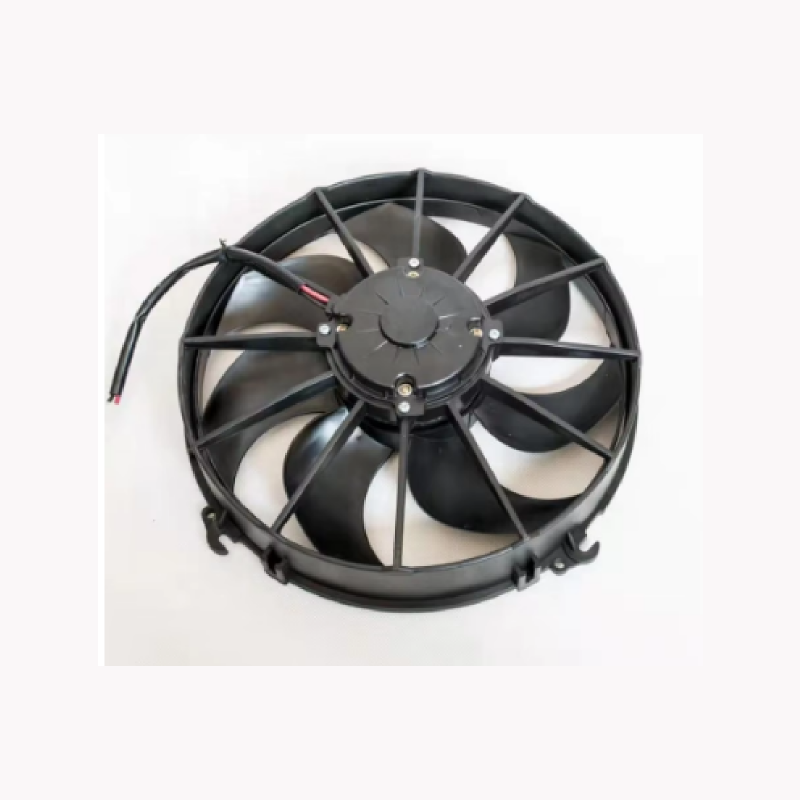
The automotive condenser fan represents a critical component in modern vehicle air conditioning systems, designed specifically to enhance cooling efficiency and maintain optimal climate control performance. This essential device operates as part of the vehicle's HVAC system, working in conjunction with the condenser unit to facilitate proper heat exchange and refrigerant circulation. The automotive condenser fan primarily functions by drawing ambient air through the condenser coils, enabling the compressed refrigerant to release heat and transform from a high-pressure gas back into liquid form. This process ensures that the air conditioning system operates at peak efficiency while maintaining comfortable cabin temperatures for passengers. Modern automotive condenser fan units incorporate advanced motor technology, featuring brushless designs that deliver superior durability and reduced maintenance requirements compared to traditional brushed motors. These fans utilize precision-engineered blade configurations optimized for maximum airflow while minimizing noise levels and power consumption. The integration of smart control systems allows the automotive condenser fan to automatically adjust speed based on cooling demands, ambient temperature conditions, and engine load parameters. Variable speed capabilities enable the fan to operate efficiently across different driving conditions, from idle traffic situations to highway cruising speeds. Construction materials typically include corrosion-resistant plastics and lightweight metals that withstand harsh automotive environments, including exposure to road salt, moisture, and temperature extremes. The automotive condenser fan assembly often features protective shrouding that channels airflow effectively while preventing debris contamination and physical damage. Installation compatibility spans various vehicle makes and models, with manufacturers offering specific configurations tailored to different engine bay layouts and cooling system requirements. Quality automotive condenser fan units undergo rigorous testing protocols to ensure reliability, performance consistency, and compliance with automotive industry standards for electromagnetic interference and vibration resistance.

New Product Releases

The automotive condenser fan delivers numerous practical benefits that directly impact vehicle performance, comfort, and long-term reliability for drivers and passengers alike. Enhanced cooling efficiency stands as the primary advantage, enabling faster cabin temperature reduction during hot weather conditions while maintaining consistent climate control throughout extended driving periods. This improved cooling capability translates into reduced strain on the entire air conditioning system, extending component lifespan and minimizing costly repair requirements over time. Energy efficiency represents another significant benefit, as modern automotive condenser fan designs consume less electrical power while delivering superior airflow performance compared to older fan technologies. This efficiency improvement reduces alternator load, contributing to better fuel economy and decreased emissions output. The automotive condenser fan operates with notably reduced noise levels, creating a quieter cabin environment that enhances overall driving comfort and reduces passenger fatigue during long journeys. Reliability improvements stem from advanced motor designs and quality construction materials that resist wear, corrosion, and mechanical failure even under demanding operating conditions. Installation convenience makes the automotive condenser fan an attractive upgrade option, with most units designed for direct replacement without requiring extensive modifications or specialized tools. The variable speed functionality allows the fan to automatically adjust operation based on real-time cooling demands, ensuring optimal performance while preventing unnecessary energy waste during periods of lower cooling requirements. Maintenance benefits include self-cleaning blade designs that resist debris accumulation and sealed motor housings that protect internal components from contamination. The automotive condenser fan contributes to engine protection by preventing overheating situations that could result in severe mechanical damage and expensive repairs. Cost-effectiveness emerges through reduced maintenance needs, improved system efficiency, and extended component lifespans that provide excellent return on investment. Quality automotive condenser fan units often include warranty coverage that provides peace of mind and protection against manufacturing defects, ensuring reliable operation for years of dependable service.

Practical Tips

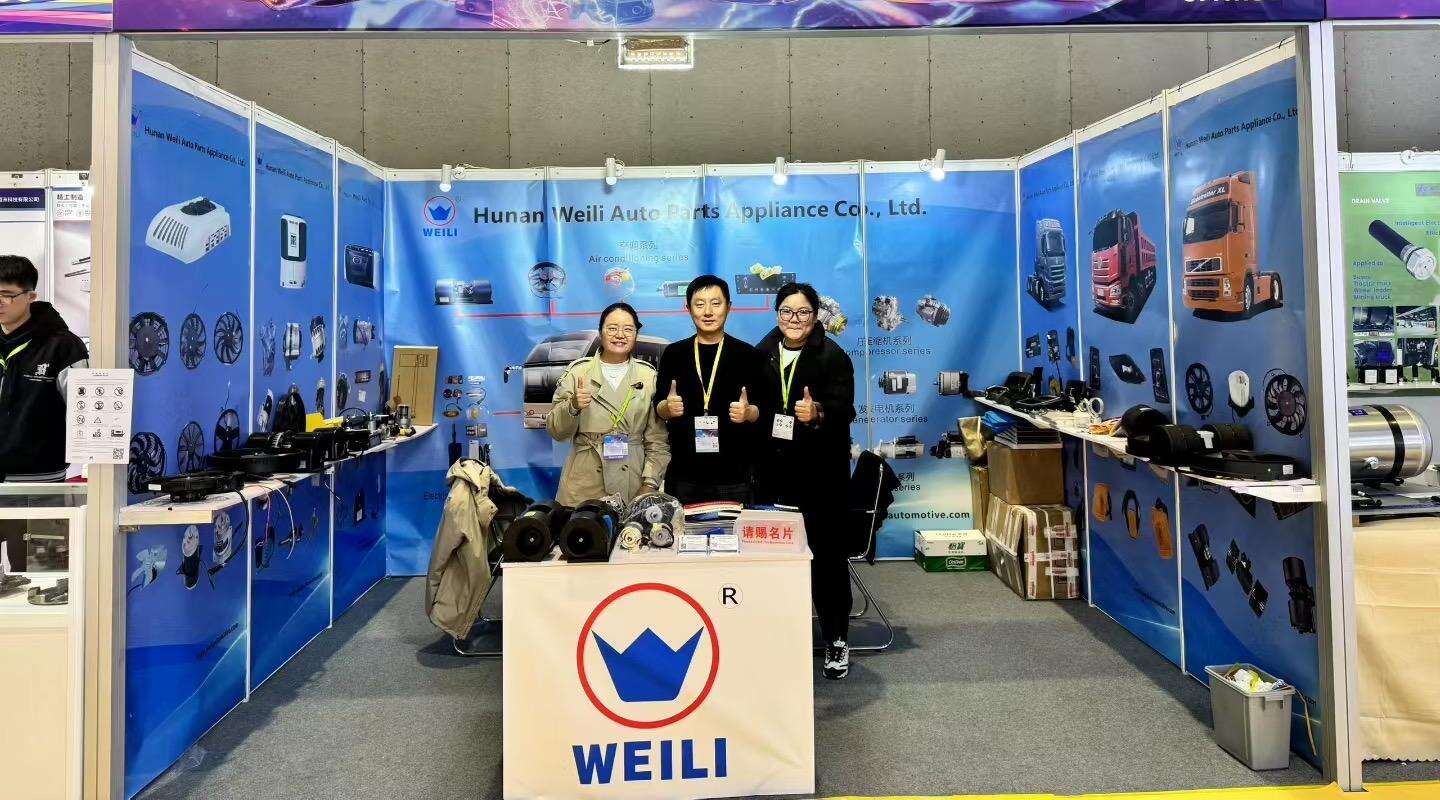
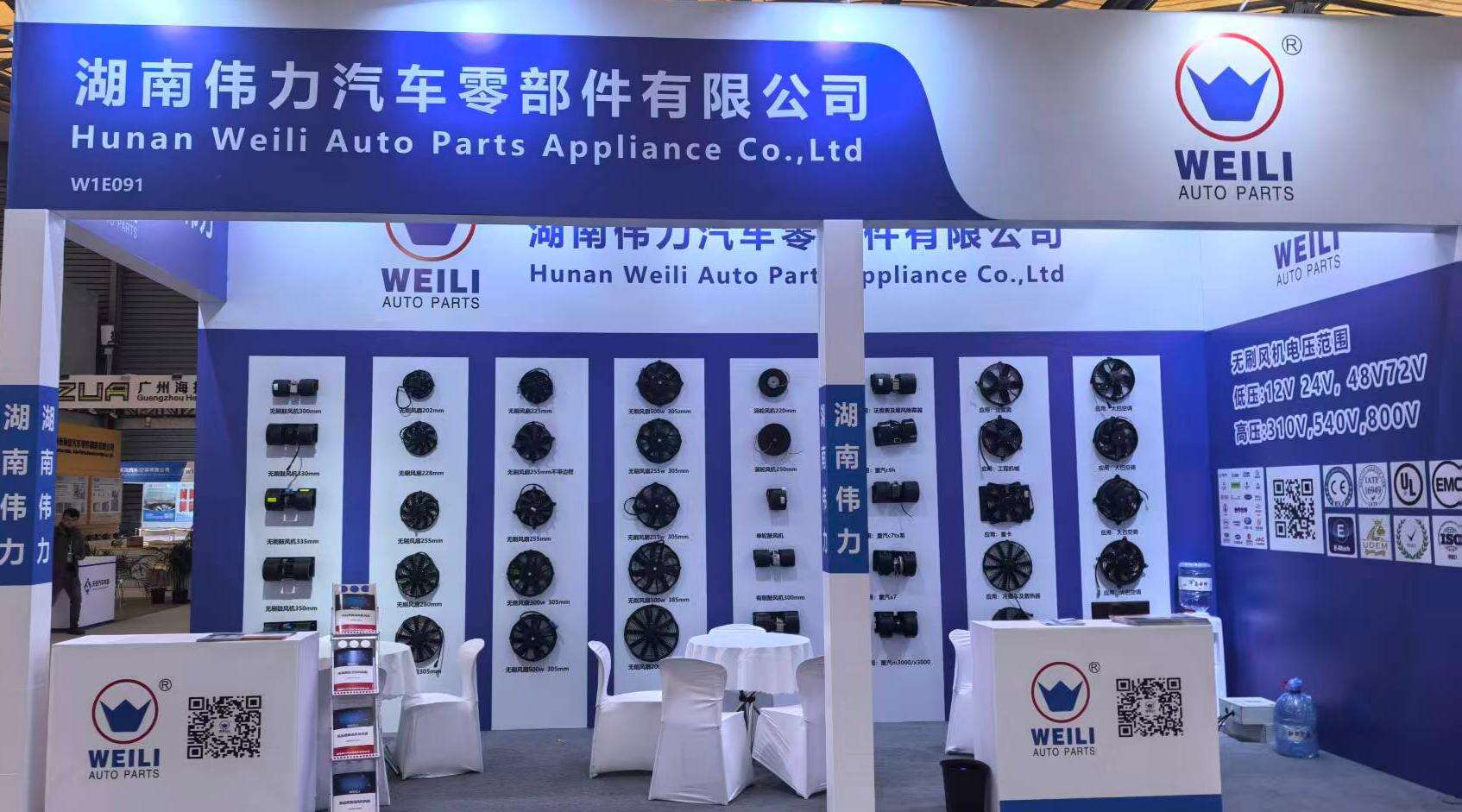
Hunan Weili in 2025 Automechanika Shanghai

10

Feb

Hunan Weili in 2025 Automechanika Shanghai

View More
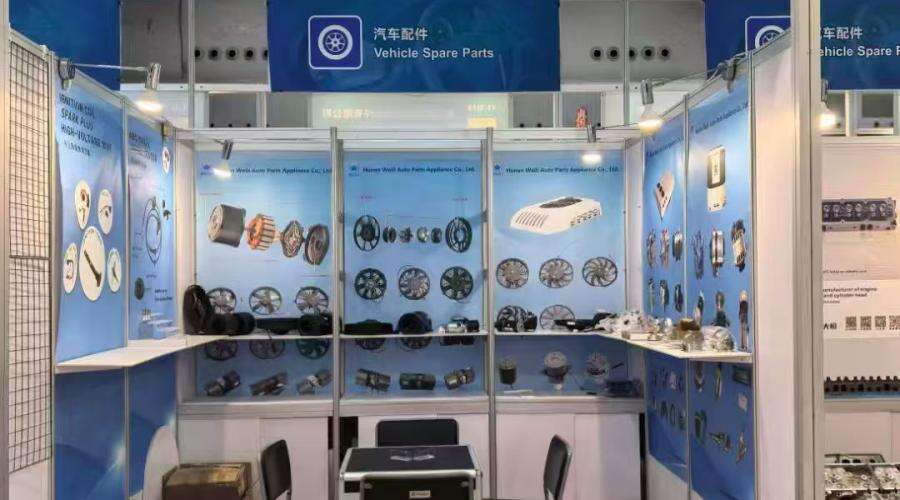
Hunan Weili in CIAAR 2025

10

Feb

Hunan Weili in CIAAR 2025

View More
Hunan Weili in The 138th China Import and Export Fair

10

Feb

Hunan Weili in The 138th China Import and Export Fair

View More

Get a Free Quote

Our representative will contact you soon.
Email
Name
Company Name
Message
0/1000

automotive condenser fan

Advanced Variable Speed Control Technology

Advanced Variable Speed Control Technology

The automotive condenser fan incorporates sophisticated variable speed control technology that revolutionizes cooling system efficiency and performance optimization. This innovative feature enables the fan to automatically adjust rotational speed based on real-time monitoring of ambient temperature, cabin cooling demands, and engine operating conditions. Unlike traditional fixed-speed fans that operate at constant speeds regardless of actual cooling requirements, the variable speed automotive condenser fan intelligently modulates its operation to deliver precisely the right amount of airflow needed for optimal heat exchange. The control system utilizes advanced sensors that continuously monitor refrigerant pressure, condenser temperature, and ambient air conditions to determine the most efficient operating speed. This dynamic adjustment capability prevents unnecessary energy consumption during periods of lower cooling demand while ensuring maximum performance during extreme heat conditions. The variable speed functionality extends beyond simple on-off operation, offering multiple speed settings that provide smooth transitions and eliminate the jarring effects of sudden speed changes. This technology significantly reduces electrical load on the vehicle's charging system, contributing to improved fuel economy and reduced emissions output. The precision control also minimizes wear on fan components by avoiding the stress associated with constant high-speed operation, thereby extending service life and reducing maintenance requirements. Additionally, the variable speed automotive condenser fan operates more quietly across its speed range, eliminating the noise spikes associated with single-speed units that must run at maximum velocity to meet peak cooling demands. The intelligent control system can also integrate with the vehicle's engine management system to coordinate fan operation with engine cooling requirements, providing comprehensive thermal management that protects critical powertrain components while maintaining optimal cabin comfort levels.
Premium Construction and Durability Engineering

Premium Construction and Durability Engineering

The automotive condenser fan features premium construction materials and advanced durability engineering that ensure reliable operation under the most challenging automotive environments. High-grade thermoplastic materials resist degradation from exposure to engine bay heat, road chemicals, and UV radiation while maintaining structural integrity throughout extended service periods. The fan blade assembly utilizes precision-molded designs that balance optimal airflow characteristics with exceptional strength and vibration resistance. Advanced polymer compounds incorporated into the automotive condenser fan construction provide superior impact resistance, preventing damage from road debris and minor collisions while maintaining aerodynamic efficiency. The motor housing features sealed bearing assemblies that eliminate contamination from dust, moisture, and automotive fluids, ensuring smooth operation and extended service life even in harsh operating conditions. Corrosion-resistant coatings applied to metal components protect against rust formation and chemical degradation, particularly important for vehicles operated in coastal areas or regions where road salt usage is common. The automotive condenser fan assembly includes reinforced mounting points that distribute operational stresses evenly, preventing fatigue failures and ensuring secure installation throughout the vehicle's service life. Quality control processes during manufacturing include comprehensive testing protocols that verify dimensional accuracy, material properties, and performance specifications before units reach the market. Temperature cycling tests ensure that the automotive condenser fan maintains performance consistency across extreme temperature ranges, from sub-zero winter conditions to scorching summer heat. Vibration testing validates the fan's ability to withstand engine and road-induced vibrations without developing resonance issues or structural failures. The electrical connections utilize automotive-grade terminals and wiring that resist corrosion and maintain reliable conductivity despite exposure to moisture and temperature fluctuations. This commitment to premium construction translates into reduced warranty claims, fewer roadside failures, and enhanced customer satisfaction through dependable long-term performance.
Optimized Airflow Design for Maximum Cooling Efficiency

Optimized Airflow Design for Maximum Cooling Efficiency

The automotive condenser fan incorporates cutting-edge aerodynamic design principles that maximize cooling efficiency while minimizing power consumption and operational noise levels. Advanced computational fluid dynamics modeling guides the development of blade profiles, pitch angles, and hub configurations that optimize airflow patterns through the condenser assembly. The fan blade geometry features precisely calculated curves and angles that generate maximum static pressure while reducing turbulence and energy losses associated with inefficient airflow patterns. This optimized design enables the automotive condenser fan to move greater volumes of air at lower rotational speeds, reducing power consumption while enhancing heat transfer effectiveness. The blade count and spacing utilize mathematical optimization to balance airflow volume with noise reduction, creating a fan that operates quietly while delivering superior cooling performance. Tip clearance specifications ensure optimal efficiency by minimizing air recirculation losses while preventing contact with surrounding components during normal operation and thermal expansion. The automotive condenser fan shroud design channels airflow precisely through the condenser core, eliminating bypass losses that reduce cooling effectiveness in poorly designed systems. Strategic placement of inlet and outlet areas optimizes pressure differentials that drive efficient heat exchange while preventing flow separation and turbulence that can compromise performance. The hub design incorporates aerodynamic fairings that reduce drag and improve overall system efficiency while providing robust mounting for the blade assembly. Advanced materials in the blade construction allow for thinner profiles that reduce weight and rotational inertia while maintaining necessary strength characteristics. The automotive condenser fan design also considers integration with vehicle aerodynamics, ensuring that airflow patterns complement rather than interfere with overall vehicle cooling and drag characteristics. Extensive wind tunnel testing validates the design's effectiveness across various vehicle speeds and environmental conditions, ensuring consistent performance whether the vehicle is stationary in traffic or cruising at highway speeds.

Get a Free Quote

Our representative will contact you soon.
Email
Name
Company Name
Message
0/1000