axle oil seals
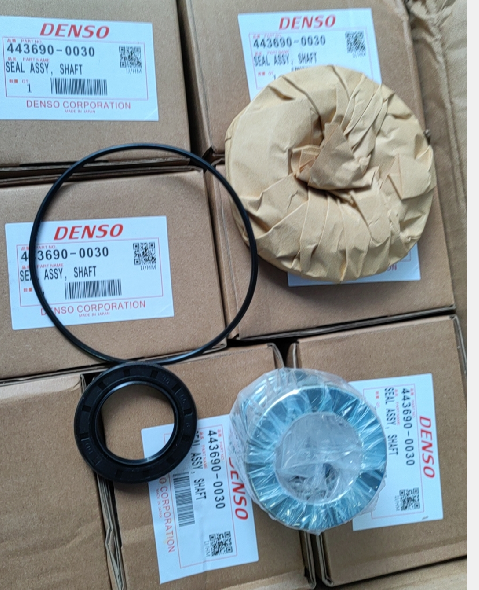
Axle oil seals represent critical components in automotive and industrial machinery systems, serving as protective barriers that prevent lubricant leakage while blocking external contaminants from entering sensitive mechanical assemblies. These specialized sealing devices are strategically positioned at rotating shaft interfaces within axles, transmissions, and differential housings to maintain optimal operational conditions. The primary function of axle oil seals involves creating an effective barrier between rotating components and stationary housing elements, ensuring that essential lubricating oils remain contained within their designated chambers. This containment prevents costly fluid loss while simultaneously protecting internal mechanisms from dust, moisture, dirt, and other harmful particles that could compromise system performance. Modern axle oil seals incorporate advanced materials and engineering technologies to deliver superior sealing capabilities under demanding operational conditions. These components typically feature multi-layered construction combining rubber compounds, metal reinforcement elements, and specialized lip designs that maintain contact pressure against rotating shafts. The technological sophistication of contemporary axle oil seals includes precision-molded sealing lips that adapt to shaft irregularities, spring-loaded retention systems that compensate for wear, and heat-resistant materials that withstand extreme temperature fluctuations. Applications for axle oil seals span numerous industries including automotive manufacturing, heavy machinery operations, agricultural equipment, marine vessels, and industrial manufacturing facilities. In automotive applications, these seals protect rear axle assemblies, front wheel bearings, transmission output shafts, and transfer case components. Heavy equipment utilizes axle oil seals in construction machinery, mining equipment, and material handling systems where robust sealing performance is essential for operational reliability. The marine industry depends on these components to protect propulsion systems from saltwater intrusion and maintain lubrication integrity in harsh aquatic environments.
 ×
×

 EN
EN