Advanced Motor Technology and Energy Efficiency
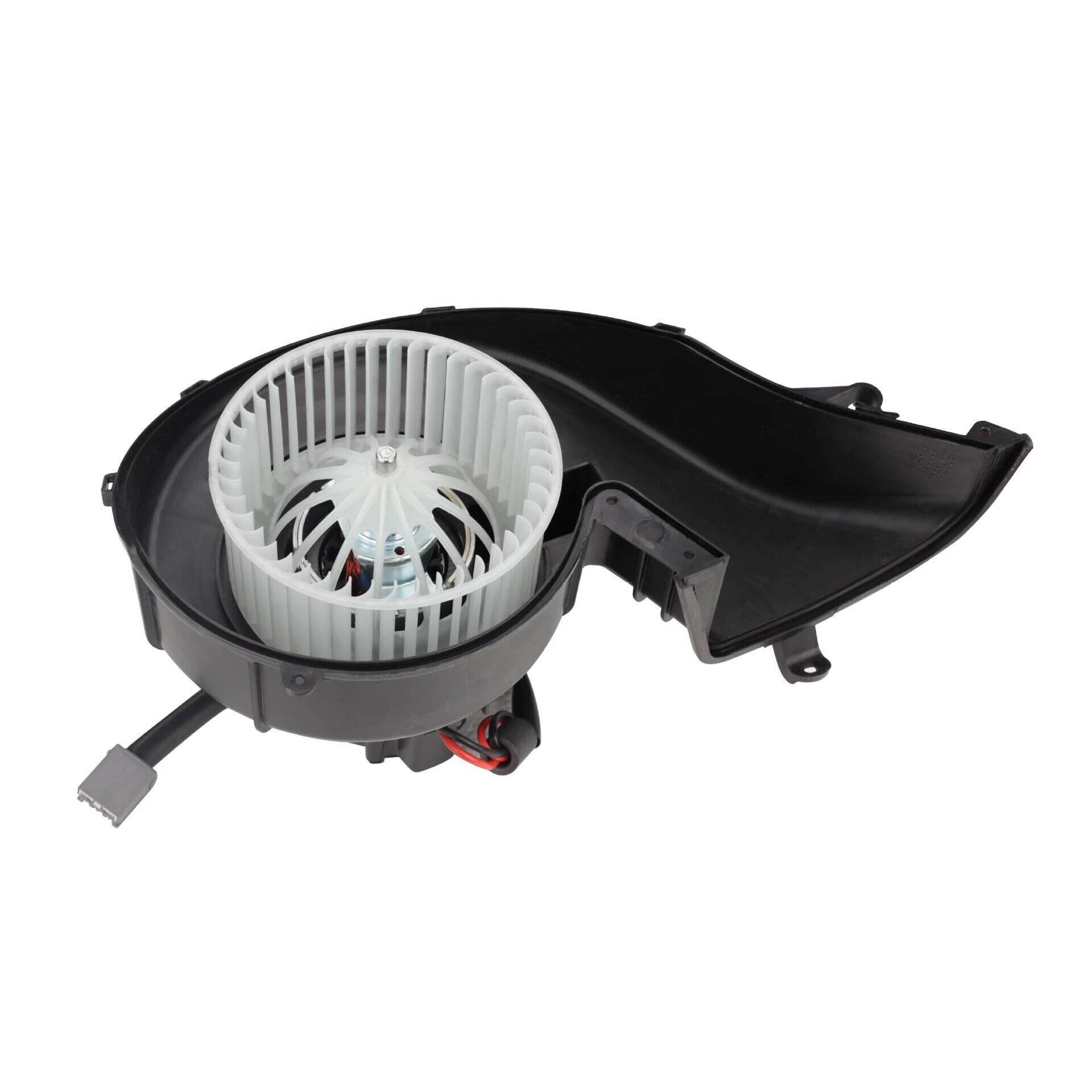
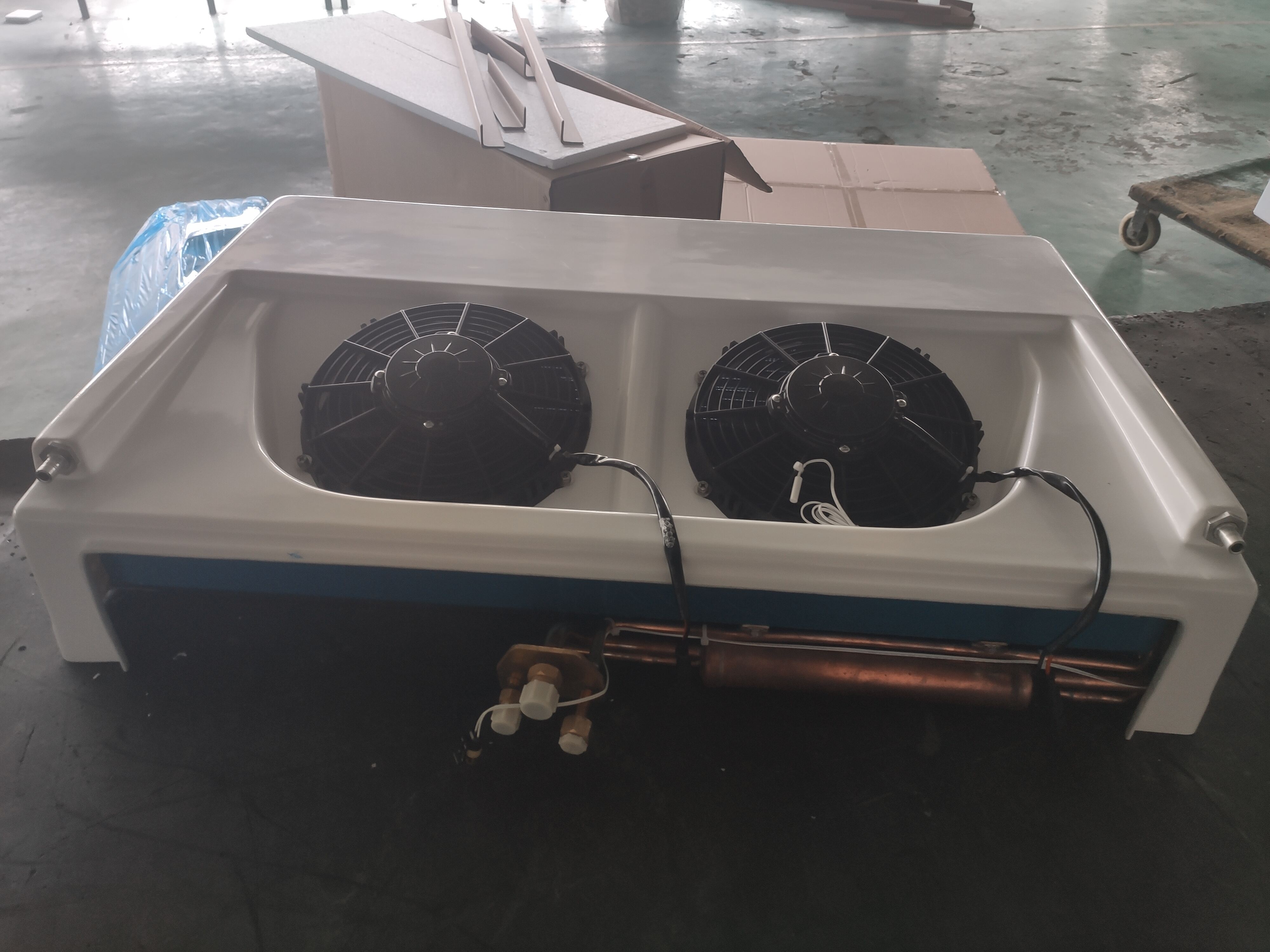
The condenser electric fan incorporates cutting-edge motor technology that revolutionizes cooling system efficiency while dramatically reducing energy consumption. The electronically commutated motor delivers exceptional performance through precise speed control and optimal power management, resulting in energy savings of up to thirty percent compared to traditional cooling fans. This advanced motor design eliminates the need for carbon brushes, significantly reducing maintenance requirements and extending operational lifespan beyond ten years under normal operating conditions. The variable frequency drive technology allows the condenser electric fan to automatically adjust its speed based on real-time cooling demands, ensuring optimal energy utilization throughout different operational phases. During low-demand periods, the fan operates at reduced speeds, consuming minimal electricity while maintaining adequate cooling capacity. When cooling requirements increase, the motor seamlessly ramps up to full capacity, delivering maximum airflow without compromising efficiency. The permanent magnet synchronous motor design provides exceptional torque characteristics and maintains consistent performance across varying load conditions and environmental temperatures. Integrated power factor correction technology ensures optimal electrical efficiency, reducing reactive power consumption and minimizing electrical costs. The motor controller features sophisticated algorithms that monitor temperature, current, and speed parameters continuously, making real-time adjustments to optimize performance while preventing overload conditions. This intelligent control system extends motor life by preventing operation outside safe parameters and automatically compensating for changes in operating conditions. The condenser electric fan motor utilizes high-grade insulation materials and precision manufacturing techniques that ensure reliable operation in extreme environmental conditions, including high humidity, temperature fluctuations, and exposure to industrial contaminants. Advanced cooling mechanisms within the motor housing prevent overheating and maintain optimal operating temperatures even during extended continuous operation periods.
 ×
×

 EN
EN