Truck HVAC Systems: Advanced Climate Control Solutions for Commercial Vehicles

Get a Free Quote

Our representative will contact you soon.
Email
Name
Company Name
Message
0/1000

truck hvac

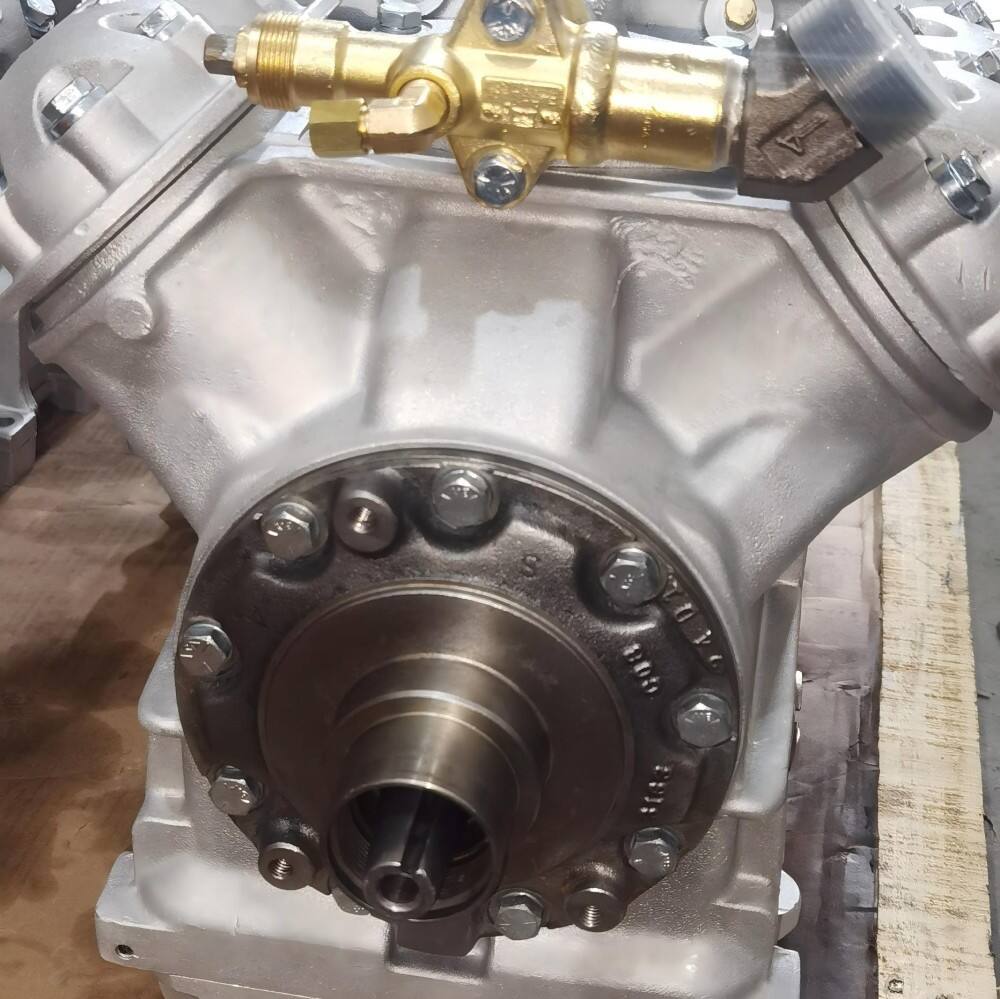
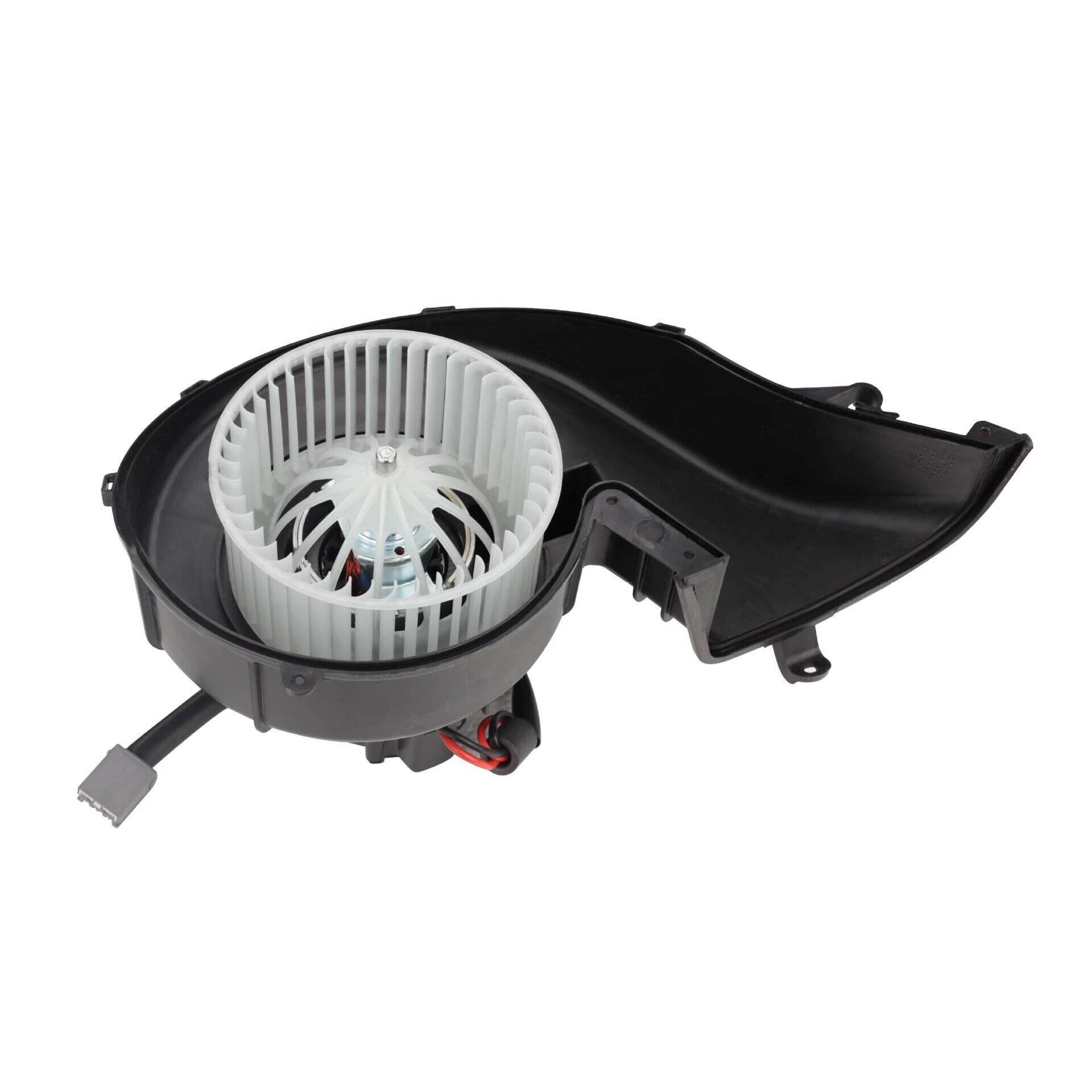
Truck HVAC systems represent a critical component in modern commercial transportation, designed to maintain optimal cabin temperatures and air quality for drivers during long-haul journeys and local deliveries. These sophisticated climate control systems integrate heating, ventilation, and air conditioning functions specifically engineered to withstand the demanding operational conditions of commercial vehicles. Unlike standard automotive HVAC units, truck HVAC systems must accommodate larger cabin spaces, extended operating hours, and varying load conditions while maintaining energy efficiency and reliability. The primary functions of truck HVAC encompass temperature regulation through both heating and cooling capabilities, humidity control to prevent windshield fogging and maintain comfort, air filtration to remove dust and pollutants from outside air, and defrosting mechanisms for windshield and window clearing during adverse weather conditions. Technologically, modern truck HVAC systems incorporate advanced features including variable-speed compressors that adjust cooling output based on demand, electronic expansion valves for precise refrigerant control, multi-zone climate control allowing different temperature settings for various cabin areas, and integrated diagnostic systems that monitor performance and alert operators to maintenance needs. These systems utilize environmentally friendly refrigerants complying with current regulations while maximizing cooling efficiency. Applications for truck HVAC extend across numerous commercial vehicle categories including long-haul freight trucks, delivery vans, construction vehicles, agricultural equipment, and specialized transport vehicles such as refrigerated trucks and mobile service units. The versatility of truck HVAC systems allows customization for specific vehicle types and operational requirements, ensuring optimal performance whether vehicles operate in extreme heat, frigid conditions, or varying climatic zones throughout their routes.

Popular Products

Truck HVAC systems deliver substantial benefits that directly impact driver productivity, vehicle operation costs, and overall business efficiency. Enhanced driver comfort stands as the most immediate advantage, as these systems maintain consistent cabin temperatures regardless of external weather conditions, reducing fatigue and improving concentration during extended driving periods. This comfort translates into improved safety outcomes, as alert, comfortable drivers make better decisions and experience fewer accidents compared to those operating in uncomfortable cabin environments. Energy efficiency represents another significant benefit, with modern truck HVAC units consuming less fuel through variable-speed operation and smart controls that adjust output based on actual cooling or heating demands rather than running at constant maximum capacity. This efficiency directly reduces operational costs by lowering fuel consumption, which constitutes a major expense category for commercial vehicle operators. Reliability improvements in contemporary truck HVAC systems minimize unexpected breakdowns and costly roadside repairs, ensuring vehicles remain operational and profitable. Advanced diagnostic capabilities allow preventive maintenance scheduling, catching potential issues before they result in system failures or expensive component replacements. Air quality enhancement through sophisticated filtration systems protects driver health by removing harmful particles, allergens, and pollutants from cabin air, potentially reducing healthcare costs and sick leave for fleet operators. Productivity gains emerge from reduced driver turnover, as comfortable working conditions attract and retain quality drivers in a competitive labor market. Extended vehicle lifespan results from reduced wear on other vehicle systems, as properly functioning HVAC prevents moisture-related corrosion and electrical issues that can damage interior components and wiring harnesses. Compliance with workplace safety regulations becomes easier when vehicles maintain appropriate temperature ranges, protecting companies from liability issues and regulatory penalties. Investment return accelerates through improved driver satisfaction, reduced maintenance costs, enhanced fuel economy, and increased vehicle utilization rates made possible by reliable climate control systems.

Practical Tips

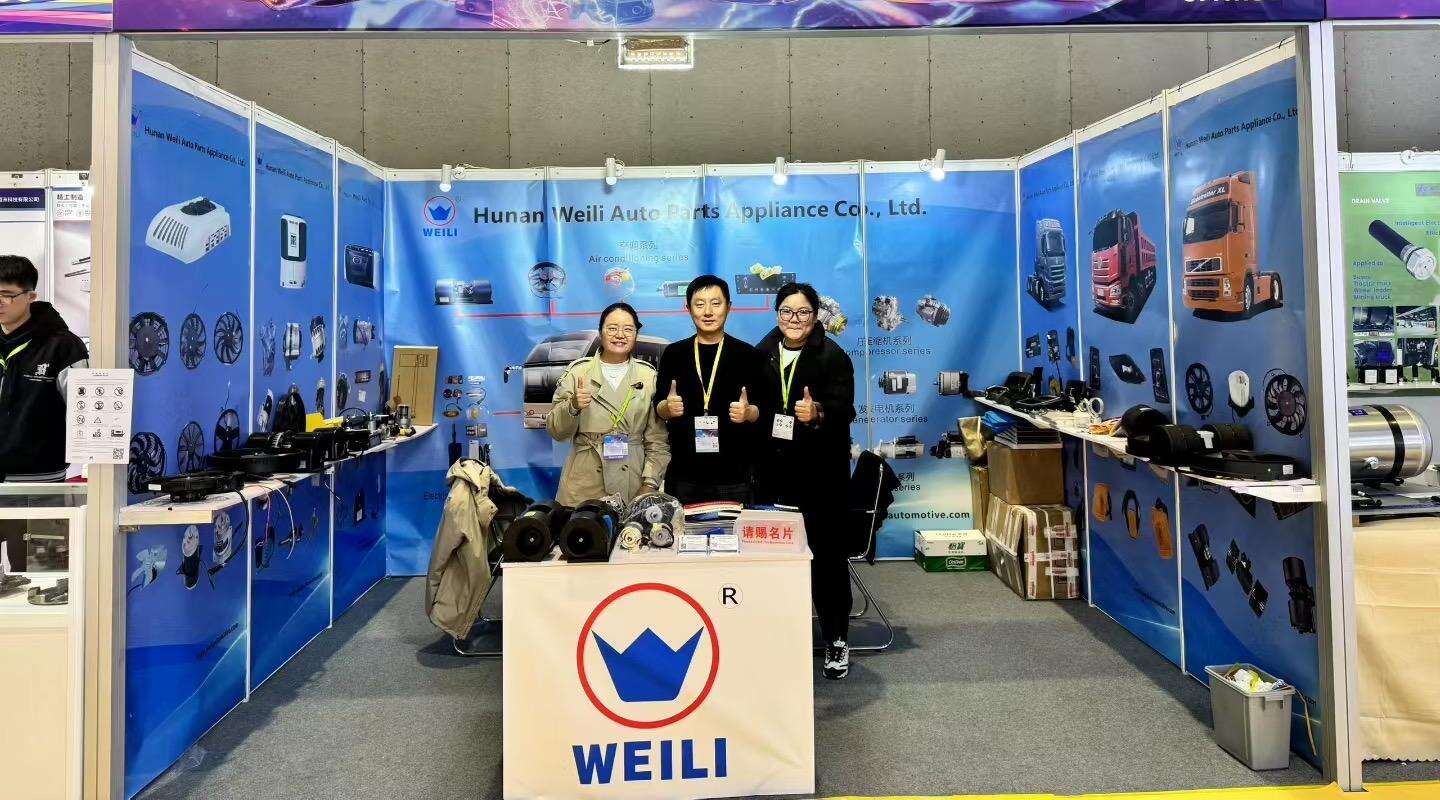
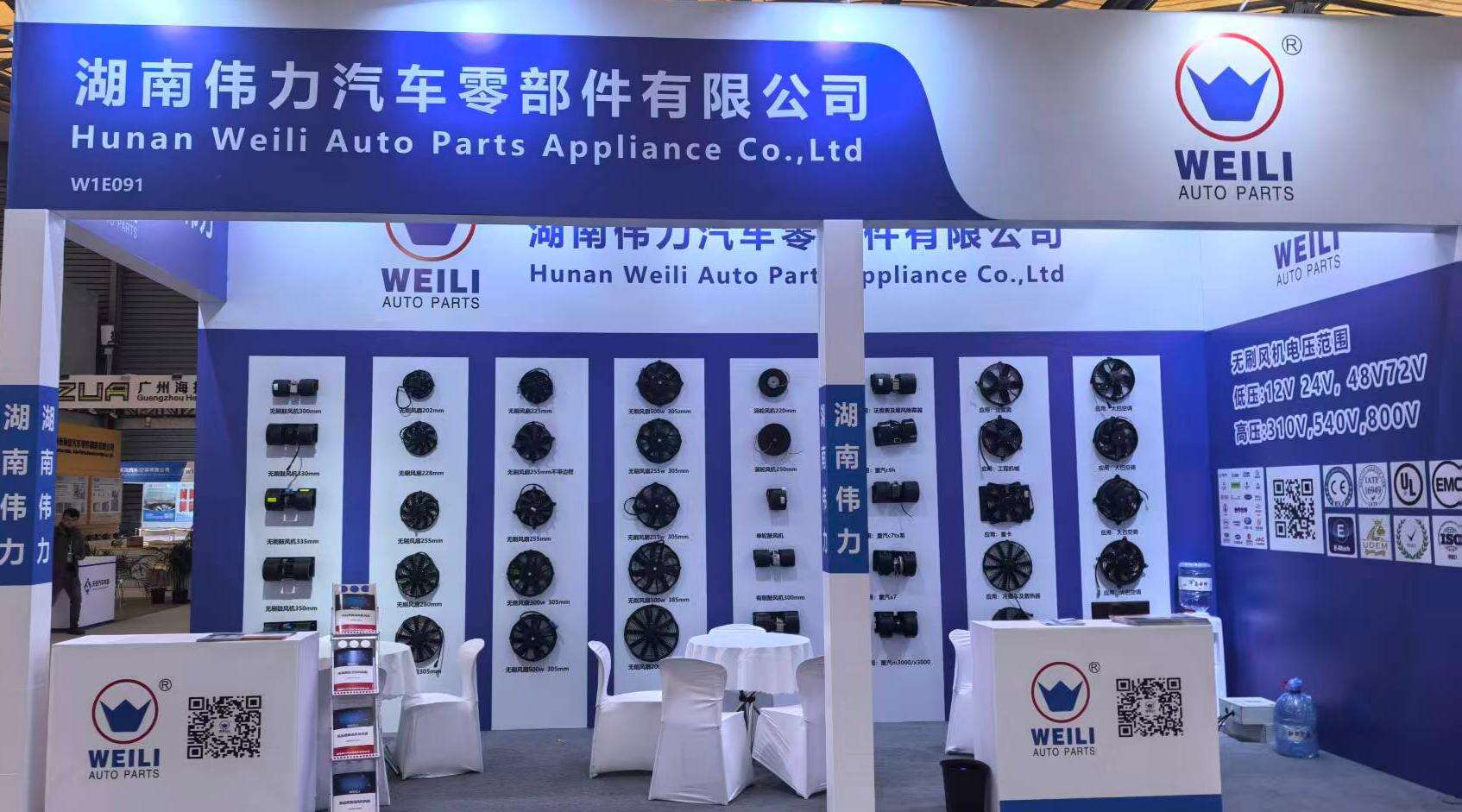
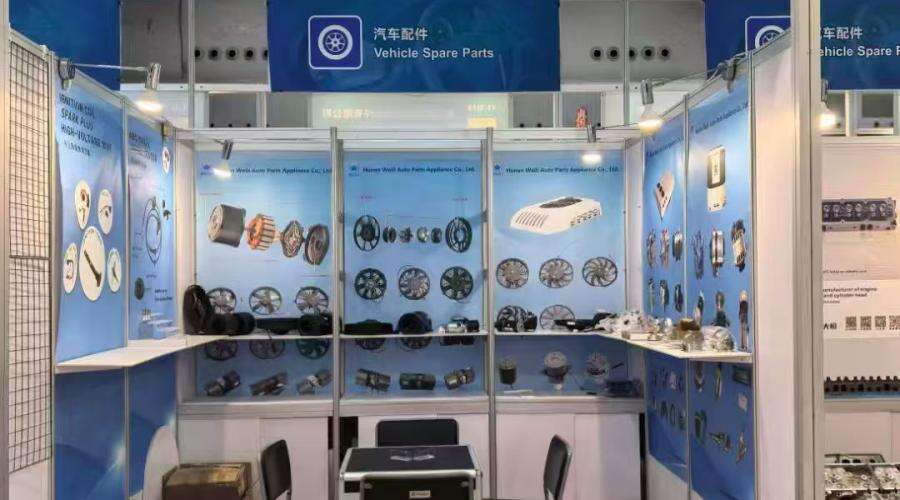
Hunan Weili in 2025 Automechanika Shanghai

10

Feb

Hunan Weili in 2025 Automechanika Shanghai

View More
Hunan Weili in CIAAR 2025

10

Feb

Hunan Weili in CIAAR 2025

View More
Hunan Weili in The 138th China Import and Export Fair

10

Feb

Hunan Weili in The 138th China Import and Export Fair

View More

Get a Free Quote

Our representative will contact you soon.
Email
Name
Company Name
Message
0/1000

truck hvac

Advanced Energy Management Technology

Advanced Energy Management Technology

Modern truck HVAC systems incorporate cutting-edge energy management technology that revolutionizes how commercial vehicles consume power for climate control operations. These advanced systems utilize variable-speed compressors that automatically adjust their operation intensity based on real-time cooling demands, eliminating the inefficient on-off cycling typical of traditional systems. This intelligent approach significantly reduces fuel consumption by matching compressor output to actual requirements rather than operating at maximum capacity regardless of need. Smart control algorithms continuously monitor cabin temperature, humidity levels, and external conditions to optimize system performance while minimizing energy usage. The integration of thermal management systems ensures that waste heat from engine operation contributes to cabin heating when needed, further improving overall energy efficiency. Electronic expansion valves provide precise refrigerant flow control, maximizing heat transfer efficiency while preventing system overcharge or undercharge conditions that waste energy and reduce cooling effectiveness. Battery management integration allows these systems to operate efficiently during idle periods without excessive drain on vehicle electrical systems, particularly important for trucks equipped with auxiliary power units or hybrid drive systems. Energy recovery features capture and utilize heat from air conditioning condensers and other vehicle systems, creating a comprehensive thermal management approach that maximizes available energy resources. Temperature zone control capabilities allow drivers to heat or cool specific cabin areas independently, preventing energy waste from conditioning unused spaces. These technological advances collectively deliver measurable improvements in fuel economy, often reducing HVAC-related fuel consumption by twenty to thirty percent compared to conventional systems. The sophisticated energy management extends beyond immediate fuel savings to reduce wear on alternators, batteries, and other electrical components by minimizing power demands during system operation.
Superior Durability and Reliability Engineering

Superior Durability and Reliability Engineering

Truck HVAC systems undergo rigorous engineering specifically designed to withstand the harsh operational environments and demanding duty cycles characteristic of commercial vehicle applications. These systems incorporate heavy-duty components manufactured to military-grade specifications, ensuring consistent performance despite exposure to extreme temperatures, constant vibration, dust, moisture, and other challenging conditions encountered during commercial transportation operations. Reinforced mounting systems utilize vibration-damping materials and structural supports engineered to handle the continuous movement and road shock experienced by commercial vehicles, preventing component loosening, refrigerant leaks, and premature failure. Corrosion-resistant materials including specialized coatings, stainless steel components, and advanced aluminum alloys protect critical system elements from salt spray, road chemicals, and environmental contaminants that would quickly degrade standard automotive HVAC components. Sealed electrical connections and weatherproof control modules prevent moisture infiltration and electrical failures that commonly affect less robust systems operating in commercial environments. Extended-life refrigerant systems utilize enhanced sealing technologies and premium materials to maintain proper refrigerant levels throughout extended service intervals, reducing maintenance requirements and preventing costly system failures. Filtration systems designed for commercial applications handle higher dust loads and contaminant levels while maintaining effectiveness over longer replacement intervals compared to standard automotive filters. Temperature cycling resistance ensures components maintain integrity and performance despite repeated exposure to extreme hot and cold conditions during varied route operations and seasonal changes. Quality control processes including extensive testing under simulated operational conditions verify system reliability before deployment, while comprehensive warranty programs demonstrate manufacturer confidence in long-term performance. Modular design approaches facilitate rapid component replacement and system servicing, minimizing vehicle downtime when maintenance becomes necessary. These durability enhancements translate directly into reduced total cost of ownership through decreased maintenance frequency, extended component life, and improved vehicle availability for revenue-generating operations.
Comprehensive Climate Control Customization

Comprehensive Climate Control Customization

Truck HVAC systems offer extensive customization capabilities that allow precise adaptation to specific vehicle types, operational requirements, and driver preferences, creating optimal working environments across diverse commercial applications. Multi-zone temperature control enables independent climate management for different cabin areas, including separate controls for driver and passenger zones, sleeper compartments, and cargo areas when climate-controlled transport becomes necessary. This zoning capability allows drivers to maintain comfortable temperatures in occupied areas while reducing energy consumption in unused spaces, optimizing both comfort and efficiency. Programmable control systems store multiple climate preferences and automatically adjust settings based on time of day, route characteristics, or operational modes, providing consistent comfort without requiring constant manual adjustments. Integration capabilities with vehicle telematics systems enable remote monitoring and control of HVAC operations, allowing fleet managers to optimize settings for fuel efficiency while maintaining driver comfort standards. Auxiliary heating systems designed for extreme cold weather operations ensure reliable cabin heating when main engines are not running, critical for compliance with anti-idling regulations and driver rest period requirements. Specialized filtration options include HEPA filters for enhanced air quality, activated carbon filters for odor control, and antimicrobial treatments that prevent bacterial and mold growth within the system. Humidity control features prevent windshield fogging and maintain comfortable moisture levels, particularly important for vehicles operating in high-humidity environments or during rapid temperature changes. Noise reduction engineering minimizes operational sound levels, creating quieter cabin environments that reduce driver fatigue and improve communication capabilities. Installation flexibility accommodates various vehicle configurations and space constraints, with compact designs for smaller commercial vehicles and expandable systems for large trucks and specialized equipment. Control interface customization includes traditional manual controls, digital displays, smartphone integration, and voice activation options that match driver preferences and operational requirements. These comprehensive customization options ensure that truck HVAC systems provide optimal performance regardless of vehicle application, operational environment, or specific user requirements while maintaining the flexibility to adapt as operational needs evolve.

Get a Free Quote

Our representative will contact you soon.
Email
Name
Company Name
Message
0/1000