
 EN
EN



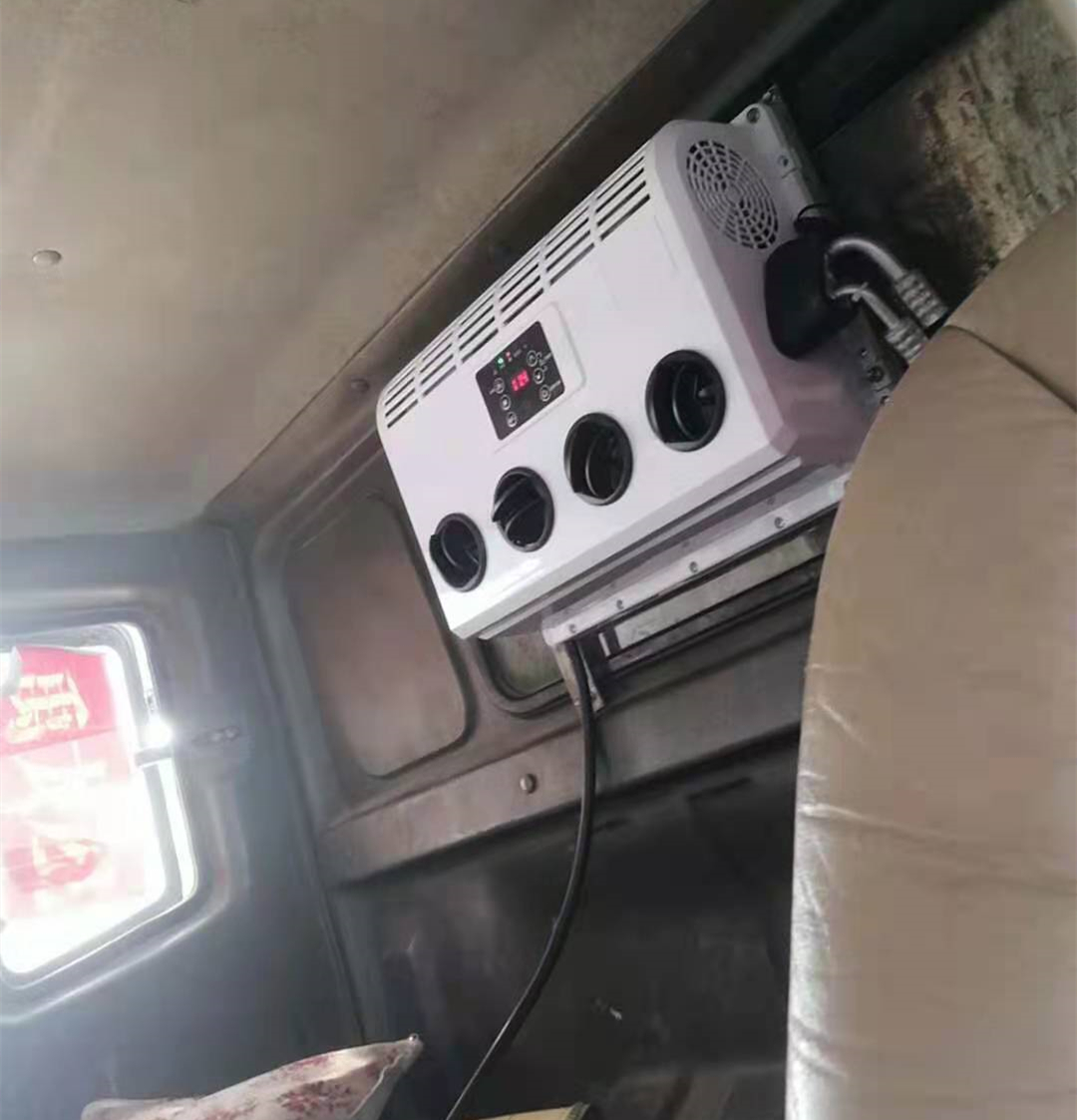
The rise of electric vehicles has fundamentally changed how manufacturers approach climate control systems. A DC air conditioner represents a critical advancement for electric vehicle applications because it operates directly from the vehicle's battery system without requiring energy-intensive conversion processes. Unlike traditional AC systems that rely on engine-driven compressors, a DC air conditioner integrates seamlessly with the low-voltage electrical architecture of modern electric vehicles, delivering superior efficiency and extended driving range.
The fundamental reason a DC air conditioner suits electric vehicle cooling needs lies in direct alignment with EV power architecture. Electric vehicles operate on direct current stored in their battery packs, making a DC air conditioner the most efficient cooling choice. When cooling systems require voltage conversion or belt-driven compressors, they waste valuable electrical energy that could otherwise extend the vehicle's range, increase payload capacity, or reduce battery degradation over time.
Energy Efficiency and Range Optimization
Direct Power Delivery with Minimal Losses
A DC air conditioner eliminates intermediary power conversion steps that plague traditional cooling architectures. In conventional vehicles, the engine drives the compressor mechanically, and in some hybrid systems, inverters convert DC to AC current. A DC air conditioner operates natively on the battery's direct current output, removing this conversion inefficiency entirely. This direct connection means that a DC air conditioner consumes significantly less electrical energy compared to AC-driven alternatives, preserving battery capacity for propulsion and extending total driving range by five to fifteen percent depending on climate conditions and usage patterns.
When manufacturers integrate a DC air conditioner into electric vehicle designs, they gain precise control over compressor speed and cooling output. Variable-speed DC motors allow the system to modulate cooling demand in real time, reducing energy consumption during mild weather and scaling up only when cabin temperature rises. This adaptive behavior is impossible with traditional fixed-speed systems, making a DC air conditioner superior for battery-dependent vehicles where every watt-hour of energy influences operational economics and customer satisfaction.
Battery Life and Thermal Longevity
Battery packs generate waste heat during charging and discharge cycles, and maintaining optimal thermal conditions directly impacts battery lifespan and performance stability. A DC air conditioner can be paired with integrated thermal management systems that cool the battery pack itself, not just the cabin. By preventing excessive battery temperature rise, a DC air conditioner preserves chemistry stability and reduces the rate of cell degradation. Vehicles equipped with effective DC air conditioner systems typically maintain higher battery capacity retention over five to seven years compared to vehicles with inadequate thermal management.
Integration with Electric Vehicle Architecture
Native Compatibility with Low-Voltage Systems
Modern electric vehicles standardize on 12V or 24V accessory circuits powered by a DC-to-DC converter connected to the main battery pack. A DC air conditioner operates directly on this architecture without requiring specialized inverters or hybrid control modules. This native compatibility simplifies vehicle wiring, reduces component count, and lowers manufacturing complexity and cost. Because a DC air conditioner integrates cleanly with existing EV electrical systems, design engineers can allocate more battery capacity to propulsion rather than supporting auxiliary cooling infrastructure.
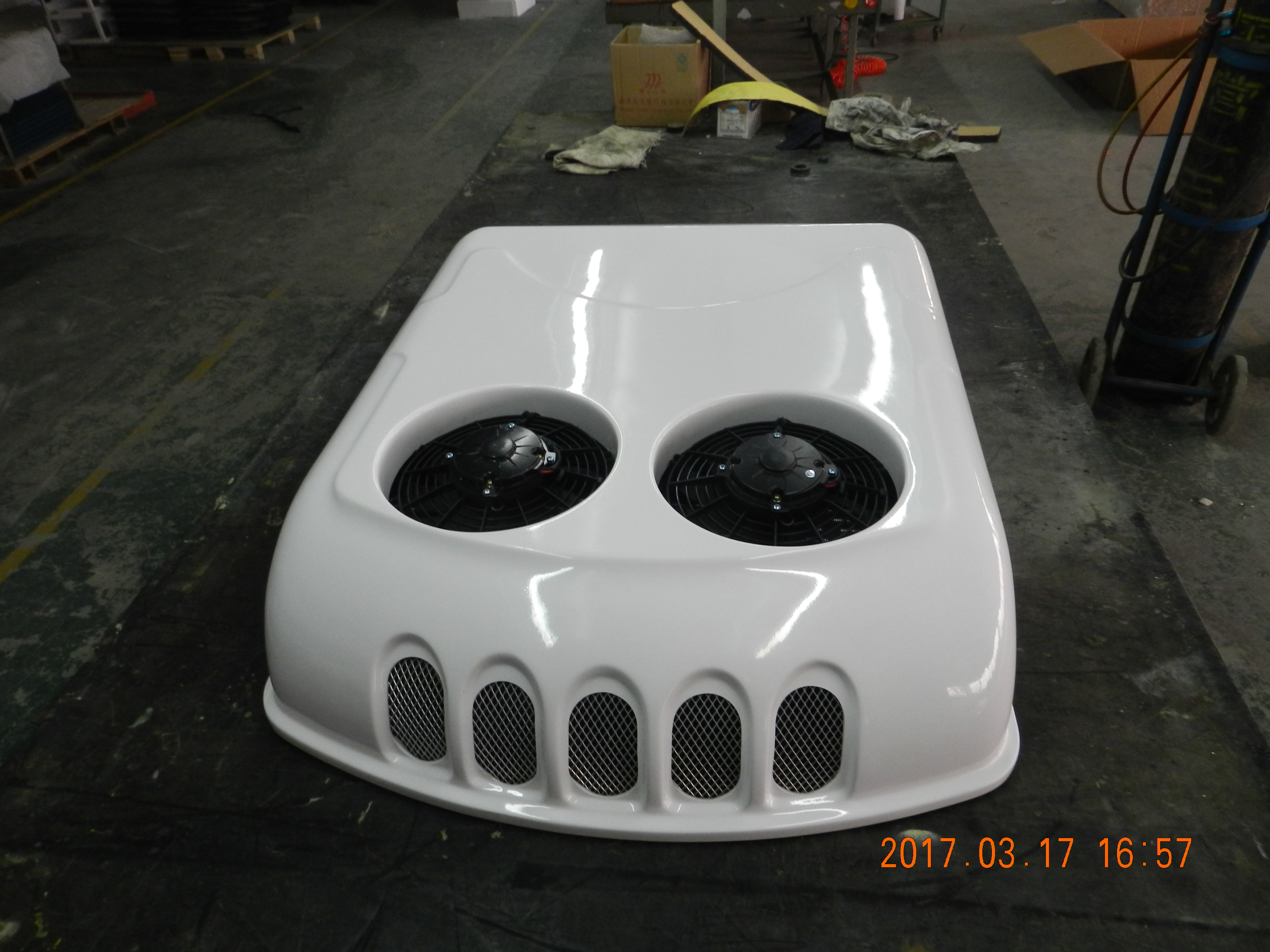
The control systems for a DC air conditioner communicate seamlessly with the vehicle's central battery management system and thermal controller. This integration enables sophisticated algorithms that prioritize cabin comfort without compromising battery protection or range objectives. For instance, when a DC air conditioner detects rising battery temperatures, it can prioritize battery cooling over cabin cooling temporarily, then restore cabin comfort once thermal conditions stabilize. This level of system coordination is difficult to achieve with older AC-based cooling architectures designed for internal combustion engines.
Scalability Across Vehicle Categories
The DC air conditioner concept scales effectively across passenger cars, commercial vans, electric buses, and light trucks, making it the cooling standard for future electric vehicle development. Small vehicles benefit from compact DC air conditioner units that minimize weight and packaging volume. Larger vehicles like electric buses and commercial trucks require more robust DC air conditioner designs with higher cooling capacity, which manufacturers can achieve by increasing motor displacement or operating voltage without fundamentally changing the system architecture. This scalability means a DC air conditioner addresses cooling needs across the entire electric vehicle spectrum.
Performance and Reliability Considerations
Compressor Durability and Maintenance
A DC air conditioner driven by electric motors experiences lower mechanical stress compared to belt-driven compressors in traditional vehicles. Without a direct mechanical connection to an internal combustion engine, a DC air conditioner operates at consistent speed and avoids shock loads from engine acceleration and deceleration. This smooth operation extends compressor service life and reduces bearing wear, meaning a DC air conditioner typically outlasts traditional systems by significant margins. Electric vehicle owners benefit from reduced maintenance requirements and higher system reliability over the vehicle's operational lifetime.
The absence of engine oil circulation through the compressor eliminates contamination risks inherent in traditional systems. A DC air conditioner uses synthetic refrigerant oils specifically formulated for electric motors, reducing the likelihood of sludge formation, chemical breakdown, or component corrosion. When repairs become necessary, technicians can service a DC air conditioner more quickly because the system is self-contained and doesn't interact with engine oil or coolant systems, lowering repair costs and vehicle downtime for electric vehicle owners.
Cold-Weather Performance and Emergency Operation
Electric vehicles often struggle with cabin heating in cold climates because resistance heaters consume substantial battery energy. Advanced DC air conditioner systems include heat pump functionality that reverses the cooling cycle to extract residual heat from battery packs and ambient air, then redirecting that heat into the cabin. This heat pump mode can reduce winter energy consumption by fifty percent or more compared to direct electrical resistance heating. A DC air conditioner with heat pump capability ensures that electric vehicle owners enjoy comfortable cabin temperatures year-round without sacrificing range during cold-weather driving.
In emergency situations where battery voltage drops critically, a DC air conditioner can operate efficiently at reduced power levels, whereas traditional AC-based systems often fail entirely. This partial-operation capability provides a safety margin for electric vehicle passengers if the vehicle must be driven to a charging station or service facility with depleted battery reserves. The inherent design of a DC air conditioner makes it more resilient to extreme electrical conditions that could disable conventional cooling architectures.
FAQ
Why does a DC air conditioner improve electric vehicle range compared to AC systems?
A DC air conditioner operates directly on battery power without voltage conversion losses, consuming five to fifteen percent less energy than AC-based systems. Traditional AC cooling requires inverters to convert DC to AC current, wasting electrical energy in the conversion process. Because a DC air conditioner eliminates this conversion step and can modulate compressor speed based on cooling demand, it preserves more battery capacity for propulsion, directly extending vehicle driving range.
Can a DC air conditioner handle cooling requirements for large electric buses and commercial vehicles?
Yes, a DC air conditioner can be scaled to meet the cooling demands of electric buses, commercial trucks, and other large vehicles by increasing motor displacement, operating voltage, or using multiple parallel units. Manufacturers design robust DC air conditioner systems specifically for commercial applications, with cooling capacities reaching 10 kW or higher. The scalable architecture means a DC air conditioner provides effective climate control across all electric vehicle categories without requiring fundamentally different cooling technologies.
What maintenance advantages does a DC air conditioner offer compared to engine-driven compressors?
A DC air conditioner experiences lower mechanical stress because it operates independently from engine cycles, extends compressor lifespan significantly, and avoids contamination from engine oil circulation. Electric motor-driven compressors in a DC air conditioner system are self-contained, allowing technicians to service the cooling system more quickly and cost-effectively. The absence of mechanical coupling to the engine and simplified oil integration mean a DC air conditioner reduces overall maintenance requirements and improves reliability for electric vehicle owners over extended ownership periods.