
 EN
EN



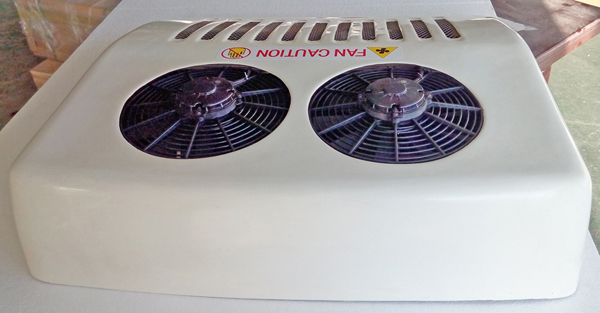
A DC air conditioner represents a fundamental shift in how commercial vehicles manage climate control while optimizing fuel consumption and operational costs. Unlike traditional AC systems that rely on engine-driven compressors, a DC air conditioner operates independently from the main powertrain, creating significant efficiency advantages for buses, trucks, and other fleet vehicles. Understanding how a DC air conditioner improves energy efficiency is essential for fleet managers, vehicle operators, and procurement professionals seeking to reduce operational expenses while maintaining passenger comfort in demanding commercial environments.
The efficiency gains from implementing a DC air conditioner stem from several interconnected mechanical and electrical principles that distinguish these systems from conventional refrigeration approaches. A DC air conditioner draws power directly from the vehicle's battery or auxiliary power source rather than consuming engine horsepower, which eliminates the parasitic load that traditional AC compressors place on the engine. This independence allows fleet operators to achieve meaningful reductions in fuel consumption, greenhouse gas emissions, and overall lifecycle costs while delivering reliable cooling performance across various climate conditions.
How DC Air Conditioner Systems Operate Independently
Decoupled Power Architecture in DC Air Conditioner Design
A DC air conditioner functions as a standalone thermal management subsystem that draws electrical power directly from the vehicle's 12V or 24V power supply, creating complete mechanical independence from engine operations. Traditional engine-driven compressors create continuous load on the crankshaft, requiring the engine to expend additional fuel energy to compress refrigerant regardless of actual cooling demand. In contrast, a DC air conditioner utilizes electric motors powered by dedicated battery circuits, enabling the system to cycle on and off based solely on interior temperature requirements. This decoupled architecture means the engine never experiences the drag penalty associated with AC operation, fundamentally transforming the energy efficiency profile of the entire vehicle.
Variable Cooling Output and Demand-Responsive Operation
The efficiency advantage of a DC air conditioner extends beyond simple mechanical decoupling because these systems can modulate cooling output proportionally to actual thermal load conditions. Modern DC air conditioner installations incorporate variable-speed compressors and intelligent thermal controls that reduce refrigerant circulation during periods of partial cooling demand. When exterior temperatures are moderate or the vehicle interior has already reached the target setpoint, a DC air conditioner operates at reduced capacity, consuming minimal electrical energy rather than running at full compressor displacement. This demand-responsive behavior contrasts sharply with engine-driven systems that typically operate at fixed displacement, wasting substantial energy when full cooling power exceeds actual requirements.
Quantifiable Energy and Fuel Consumption Benefits
Reducing Parasitic Engine Load Through DC Air Conditioner Installation
Field testing across commercial bus and truck fleets demonstrates that implementing a DC air conditioner typically reduces fuel consumption by 5 to 15 percent depending on climate conditions, driving patterns, and trip duration. This savings originates from eliminating the continuous 5 to 10 horsepower parasitic load that engine-driven compressors impose during AC operation. For a typical bus operating in urban transit service with frequent AC usage, switching to a DC air conditioner translates to concrete annual fuel savings ranging from 2,000 to 5,000 gallons, representing cost reductions of $6,000 to $15,000 per vehicle annually depending on fuel prices and regional operating patterns. The DC air conditioner improvement becomes even more pronounced during stop-and-go urban driving where the engine consumes fuel continuously while the vehicle remains stationary, yet traditional AC systems continue running at idle.
Extended Engine Life and Maintenance Cost Reduction
Beyond direct fuel savings, a DC air conditioner significantly reduces engine strain and mechanical wear, extending overall powertrain longevity and lowering maintenance expenditures. Engine-driven compressors create cyclic mechanical stress as they engage and disengage with the serpentine belt system, generating heat, vibration, and wear on pulley bearings, tensioners, and belt surfaces. By eliminating this continuous parasitic loading, a DC air conditioner reduces engine bearing loads, timing chain stress, and coolant system pressure spikes that accelerate component degradation. Fleet operators report substantial reductions in scheduled maintenance intervals, emergency roadside repairs, and unplanned downtime when transitioning vehicle fleets to DC air conditioner technology, effectively extending the economic service life of each asset by 10 to 20 percent.
Real-World Application and Implementation Considerations
Integration in Medium and Heavy-Duty Commercial Vehicles
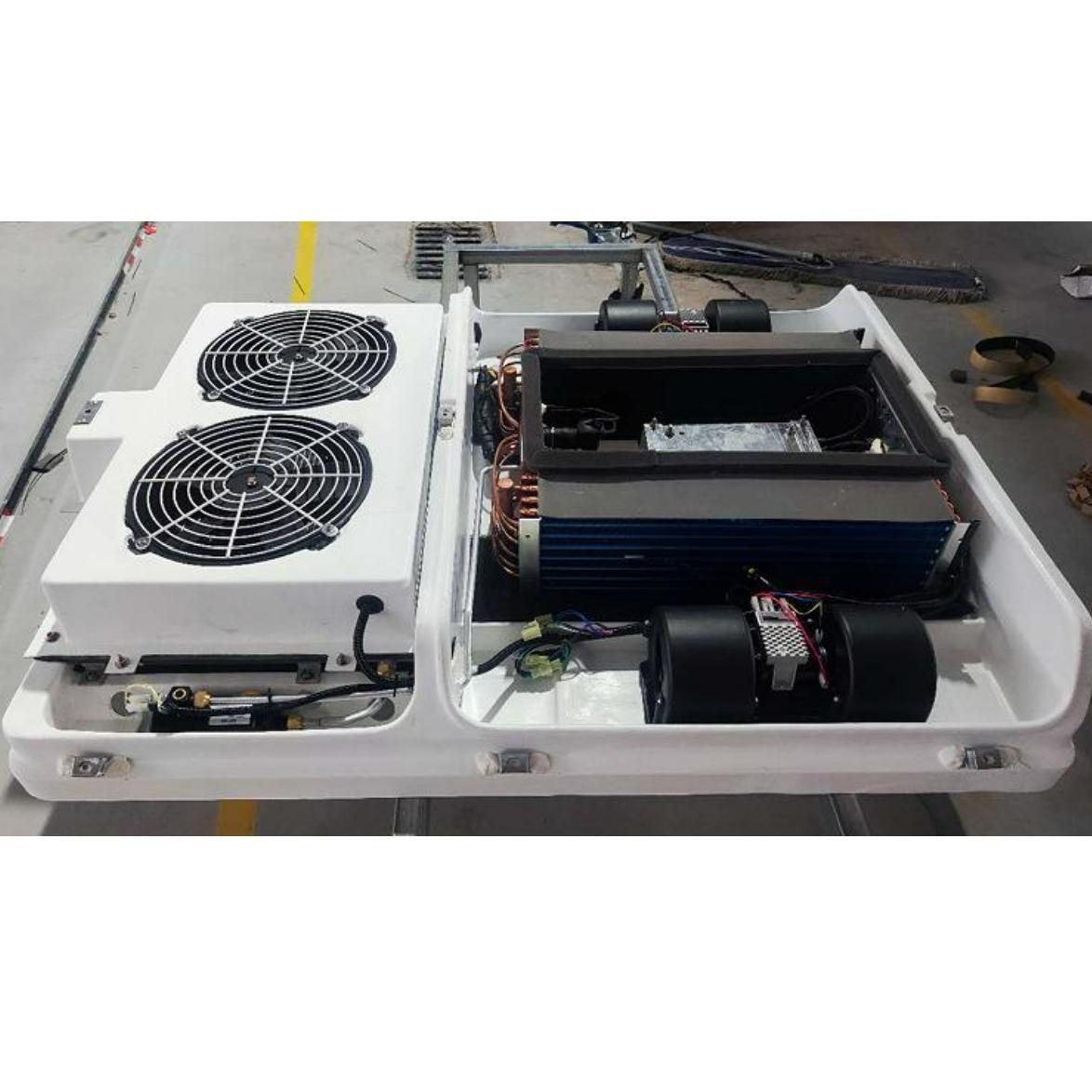
A DC air conditioner installation in buses, light trucks, and specialized commercial vehicles requires careful electrical architecture planning to accommodate both the cooling system load and existing vehicle electrical demands. Most modern 56-meter buses and light trucks already maintain robust 24V auxiliary power systems designed to support accessory loads, making a DC air conditioner retrofit feasible with upgraded alternator capacity and battery bank sizing. DC air conditioner systems engineered specifically for 12V/24V vehicle architectures incorporate precision cooling capacity rated in kilowatts (typically 8 to 15 kW for transit buses) and BTU equivalents to match the thermal demands of passenger compartments and driver cabins. The electrical integration ensures that a DC air conditioner draws its full operating current only when interior temperatures exceed the setpoint, preventing simultaneous peak loads that could overwhelm charging systems during heavy traffic conditions.
Climate Adaptation and Seasonal Performance Optimization
A DC air conditioner system's efficiency benefits persist across diverse climatic zones because the electrical decoupling eliminates the seasonal fuel penalty that engine-driven systems experience in hot climates. In desert regions, tropical environments, or summer peak demand periods, traditional AC systems force the engine to operate at lower mechanical efficiency due to continuous compressor loading, reducing available power for propulsion and increasing cooling costs. Conversely, a DC air conditioner maintains consistent thermodynamic efficiency regardless of seasonal ambient temperatures because cooling performance depends on electrical energy input rather than engine combustion efficiency variables. Transportation operators deploying fleets across multiple climate zones document that a DC air conditioner provides proportionally greater fuel savings in hot seasons when cooling demand peaks, yet maintains baseline efficiency gains during cooler periods when traditional systems require less compressor engagement.
FAQ
What electrical capacity upgrade is necessary to install a DC air conditioner in existing buses?
Most 56-meter buses require alternator upgrades from baseline 80-amp to 120-150 amp capacity to support a DC air conditioner operating at full load while maintaining sufficient charging reserve for engine starting and auxiliary systems. Battery banks should be evaluated to ensure adequate cold-cranking amperage remains available after dedicating a secondary battery circuit to the DC air conditioner load. Professional electrical system engineering confirms whether existing power distribution infrastructure can accommodate the DC air conditioner's peak demand or if wiring, breakers, and charging system modifications are necessary for safe operation.
How does a DC air conditioner perform compared to traditional engine-driven AC systems during highway driving?
A DC air conditioner maintains efficiency advantages even during sustained highway operation because electrical powertrain decoupling eliminates compressor parasitic loads regardless of vehicle speed. Highway fuel economy improvements from a DC air conditioner typically range from 8 to 12 percent because steady-state engine operation at constant RPM provides baseline efficiency that traditional AC systems degrade through continuous compressor engagement. The relative benefit becomes less pronounced at highway speeds compared to urban driving, yet a DC air conditioner still delivers measurable operational cost reductions across diverse driving profiles.
Can a DC air conditioner retrofit be applied to older bus models manufactured before electric AC technology was standard?
Yes, retrofitting a DC air conditioner into older bus platforms is technically feasible but requires comprehensive evaluation of electrical architecture, structural integration points, and compliance with safety standards. Retrofit installations demand dedicated electrical circuits, battery capacity verification, thermal ducting modifications, and validated control system integration to ensure a DC air conditioner functions reliably within the original vehicle design parameters. Fleet operators should engage specialized technicians experienced in electric AC system retrofits to assess feasibility, cost implications, and realistic fuel savings before committing to major platform modifications.
Table of Contents
- How DC Air Conditioner Systems Operate Independently
- Quantifiable Energy and Fuel Consumption Benefits
- Real-World Application and Implementation Considerations
-
FAQ
- What electrical capacity upgrade is necessary to install a DC air conditioner in existing buses?
- How does a DC air conditioner perform compared to traditional engine-driven AC systems during highway driving?
- Can a DC air conditioner retrofit be applied to older bus models manufactured before electric AC technology was standard?