
 EN
EN



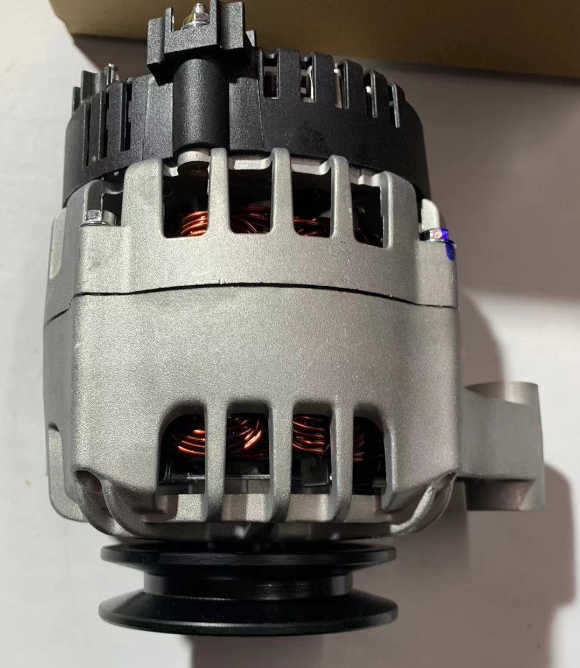
Long-term equipment performance in commercial refrigeration systems depends heavily on the quality and reliability of individual components. Carrier parts play a crucial role in maintaining optimal system operation, ensuring energy efficiency, and preventing costly breakdowns that can disrupt business operations. Understanding how these specialized components contribute to sustained equipment performance helps fleet managers and technicians make informed decisions about maintenance strategies and part selection.
The relationship between component quality and long-term performance becomes particularly evident in demanding transportation environments where refrigeration systems face continuous operational stress. Carrier parts are engineered to withstand these challenging conditions while maintaining precise operational parameters that ensure cargo protection and system longevity. This comprehensive approach to component design and manufacturing directly impacts the total cost of ownership and operational reliability that businesses depend on for their success.
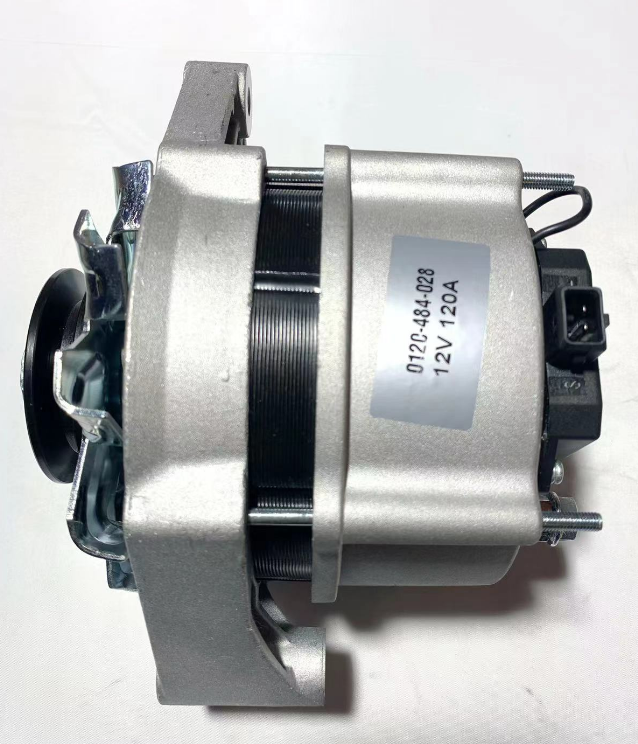
Foundational Mechanisms for Performance Enhancement
Precision Engineering Standards
Carrier parts are manufactured to exacting tolerances that ensure consistent performance across varying operational conditions. These precision standards directly influence how well components integrate within the overall refrigeration system, reducing friction points and operational stress that can lead to premature wear. The engineering specifications for Carrier parts incorporate decades of field experience and testing data to optimize dimensional accuracy and material selection.
Manufacturing quality control processes ensure that each component meets strict performance criteria before installation. This attention to detail in production translates directly to improved system reliability and extended operational life. The precision engineering approach also facilitates better heat transfer efficiency and reduced energy consumption, which compounds the performance benefits over extended periods of operation.
Material Science Applications
Advanced material selection in Carrier parts contributes significantly to long-term durability and performance consistency. Specialized alloys and composite materials resist corrosion, thermal stress, and mechanical wear that commonly affect refrigeration components in transportation applications. These material choices are specifically engineered to maintain structural integrity and operational characteristics throughout the expected service life of the equipment.
The application of advanced materials also extends to sealing components and gaskets, where chemical resistance and temperature stability are critical for maintaining system efficiency. Carrier parts utilize materials that maintain their properties across wide temperature ranges and resist degradation from refrigerant exposure, ensuring consistent sealing performance that prevents efficiency losses and contamination issues.
Operational Efficiency Optimization
System Integration Benefits
Carrier parts are designed to work seamlessly within integrated refrigeration systems, optimizing overall performance through component-level efficiency improvements. This integration approach ensures that individual components support rather than conflict with system-wide operational objectives. The engineering coordination between different Carrier parts creates synergistic effects that enhance overall equipment performance beyond what individual components might achieve independently.
System integration also extends to diagnostic and monitoring capabilities, where Carrier parts can provide feedback and operational data that supports predictive maintenance strategies. This integration enables proactive maintenance approaches that address potential issues before they impact equipment performance or cause system failures. The coordinated design philosophy underlying Carrier parts ensures that maintenance activities can be planned and executed efficiently.
Energy Efficiency Contributions
Energy efficiency improvements from high-quality Carrier parts compound over time to deliver significant operational cost savings and performance benefits. Components such as optimized compressor parts, efficient heat exchangers, and precision control valves work together to minimize energy consumption while maintaining required cooling performance. These efficiency gains become increasingly valuable as fuel costs and environmental regulations continue to evolve.
The energy efficiency benefits of quality Carrier parts also extend to reduced thermal cycling and more stable operating temperatures, which further contribute to component longevity and system reliability. Efficient operation reduces stress on all system components, creating a positive feedback loop that enhances overall equipment performance and extends service intervals.
Preventive Maintenance Support
Component Durability Factors
Carrier parts are engineered with specific durability characteristics that support extended maintenance intervals and reduced service requirements. The robust construction and material selection of these components resist wear patterns that commonly lead to premature failure in demanding operational environments. This durability translates directly to reduced downtime and lower maintenance costs over the equipment lifecycle.
Durability engineering in Carrier parts also considers the cumulative effects of operational stress, ensuring that components maintain their performance characteristics throughout their intended service life. This approach reduces the likelihood of unexpected failures and supports predictable maintenance scheduling that aligns with business operational requirements.
Diagnostic Integration Capabilities
Modern Carrier parts incorporate diagnostic features and monitoring capabilities that support proactive maintenance strategies and early problem detection. These integrated diagnostic systems provide valuable operational data that helps maintenance teams identify developing issues before they impact equipment performance. The diagnostic integration of Carrier parts enables condition-based maintenance approaches that optimize service timing and reduce unnecessary maintenance activities.
Advanced diagnostic capabilities also facilitate troubleshooting activities by providing specific component performance data that helps technicians quickly identify root causes of performance issues. This diagnostic support reduces maintenance time requirements and improves the accuracy of repair activities, contributing to more effective long-term equipment performance management.
Cost-Effectiveness and ROI Considerations
Total Cost of Ownership Impact
The total cost of ownership benefits from quality Carrier parts extend beyond initial component costs to include reduced maintenance expenses, extended equipment life, and improved operational reliability. These comprehensive cost benefits accumulate over time to provide significant return on investment for businesses that prioritize quality components in their maintenance strategies. The economic impact of using genuine Carrier parts becomes increasingly apparent as equipment ages and operational demands intensify.
Long-term cost analysis demonstrates that initial investments in quality Carrier parts typically pay for themselves through reduced maintenance frequency, lower emergency repair costs, and extended equipment service life. This economic advantage becomes particularly pronounced in high-utilization applications where equipment downtime has significant business impact.
Performance Reliability Benefits
Reliability improvements from quality Carrier parts directly support business continuity and customer service objectives by reducing the likelihood of unexpected equipment failures. This reliability translates to more predictable operational costs and improved service delivery capabilities that support business growth and customer satisfaction. The performance reliability of Carrier parts also reduces the need for backup equipment and emergency service resources.
Consistent performance reliability also enables more accurate operational planning and resource allocation, as businesses can depend on equipment availability and performance consistency. This reliability supports efficient logistics operations and reduces the operational complexity associated with managing equipment failures and emergency repairs.
FAQ
How do Carrier parts differ from aftermarket alternatives in supporting long-term performance?
Carrier parts are specifically engineered and tested to meet exact OEM specifications, ensuring optimal compatibility and performance within the complete refrigeration system. Unlike generic aftermarket alternatives, Carrier parts undergo rigorous quality control processes and are manufactured using materials and processes designed for the specific operational demands of Carrier equipment, resulting in superior reliability and longer service life.
What specific maintenance advantages do genuine Carrier parts provide?
Genuine Carrier parts offer predictable maintenance intervals, standardized replacement procedures, and comprehensive technical documentation that supports efficient maintenance operations. These parts also feature integrated diagnostic capabilities and are designed to work seamlessly with system monitoring equipment, enabling proactive maintenance strategies that reduce unexpected failures and optimize maintenance scheduling.
How do Carrier parts contribute to energy efficiency improvements over time?
Carrier parts maintain their efficiency characteristics throughout their service life due to precision manufacturing and advanced material selection. Components such as optimized compressor parts and efficient heat exchangers work together to minimize energy consumption while maintaining required performance levels. The cumulative effect of multiple efficient components results in significant energy savings and reduced operational costs over the equipment lifecycle.
What role do Carrier parts play in extending overall equipment service life?
Quality Carrier parts reduce system stress and operational wear by maintaining precise operational parameters and minimizing component conflicts within the refrigeration system. The engineered compatibility and durability of these parts prevent cascade failures and reduce the cumulative wear effects that can significantly shorten equipment service life, ultimately extending the productive operational period and maximizing return on equipment investment.
Table of Contents
- Foundational Mechanisms for Performance Enhancement
- Operational Efficiency Optimization
- Preventive Maintenance Support
- Cost-Effectiveness and ROI Considerations
-
FAQ
- How do Carrier parts differ from aftermarket alternatives in supporting long-term performance?
- What specific maintenance advantages do genuine Carrier parts provide?
- How do Carrier parts contribute to energy efficiency improvements over time?
- What role do Carrier parts play in extending overall equipment service life?