
 EN
EN



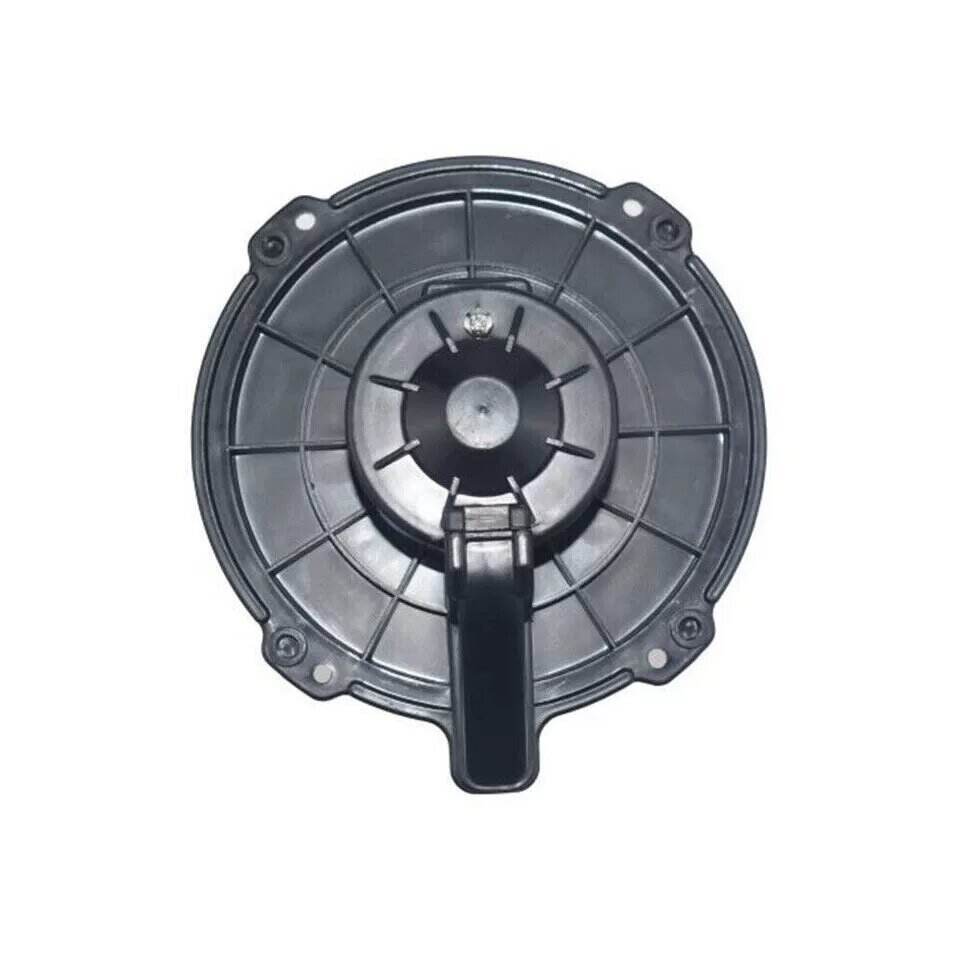
The Denso blower motor serves as a critical component that directly impacts passenger comfort, system efficiency, and overall vehicle performance in automotive air conditioning systems. Understanding why this specific component holds such importance helps vehicle owners, technicians, and fleet managers make informed decisions about maintenance, replacement, and system optimization.
The significance of a high-quality Denso blower motor extends beyond simple air circulation, encompassing energy efficiency, noise reduction, and long-term reliability that affects both operational costs and user satisfaction. When vehicle AC systems rely on substandard blower motors, the consequences ripple through multiple aspects of vehicle operation and passenger experience.
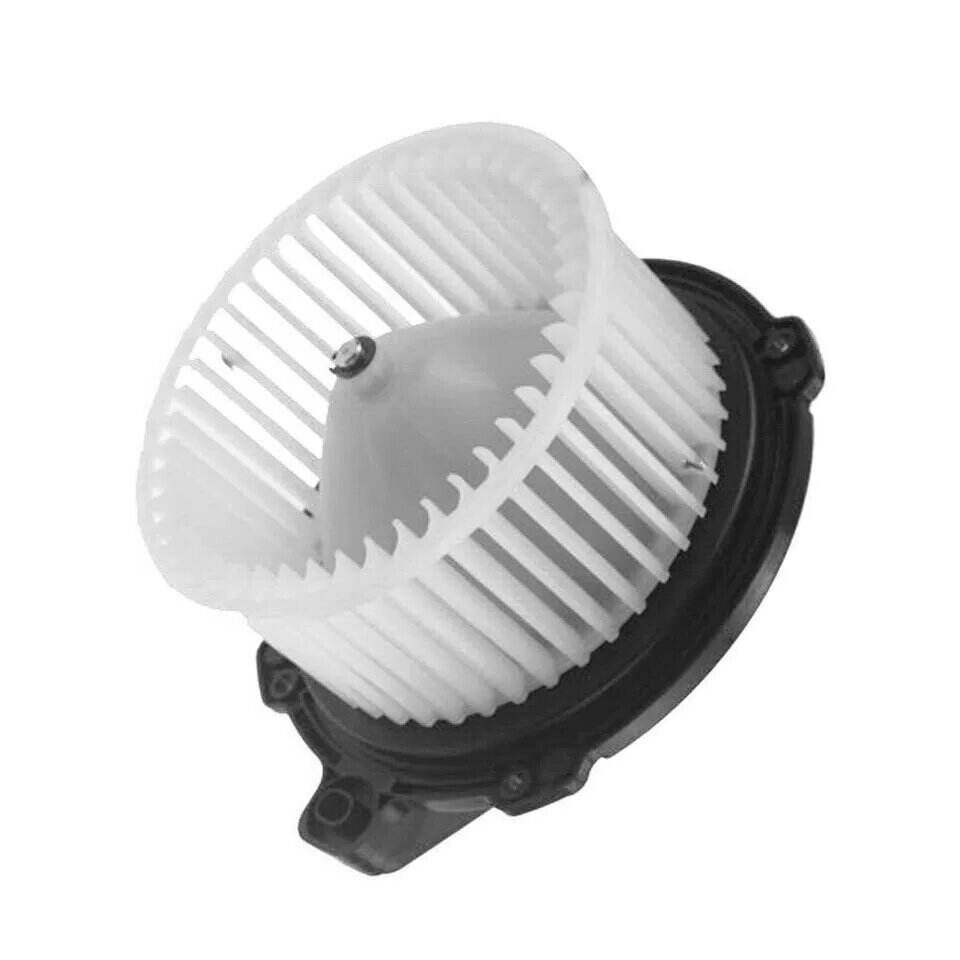
Core Functions That Make Denso Blower Motors Essential
Air Circulation and Distribution Control
The primary function of a Denso blower motor involves moving conditioned air throughout the vehicle cabin with precise control over airflow volume and direction. This motor drives the blower fan that creates the necessary pressure differential to push cooled or heated air through the ductwork system. Without adequate air circulation, even the most efficient cooling or heating elements cannot deliver comfortable cabin temperatures.
Proper air distribution ensures that all passenger zones receive consistent temperature control, preventing hot spots or cold zones that compromise comfort. The Denso blower motor must maintain steady performance across varying speed settings, allowing occupants to adjust airflow intensity according to their preferences and environmental conditions.
The motor's ability to respond quickly to speed adjustments directly impacts user satisfaction, as passengers expect immediate changes when they modify climate control settings. This responsiveness becomes particularly critical in commercial vehicles where multiple passengers may have different comfort requirements.
System Pressure Management
Effective pressure management within the AC system depends heavily on the blower motor's capacity to maintain consistent airflow rates under varying operating conditions. The Denso blower motor must generate sufficient pressure to overcome resistance from filters, ductwork, and vents while maintaining energy efficiency.
When the blower motor operates at optimal pressure levels, it reduces strain on other AC system components, including the compressor and evaporator coils. This balanced operation extends the lifespan of the entire climate control system and reduces maintenance requirements.
Inadequate pressure management can lead to reduced cooling efficiency, increased energy consumption, and premature wear of system components. The Denso blower motor's engineering specifications ensure proper pressure balance across different operating scenarios.
Impact on Energy Efficiency and Operational Costs
Power Consumption Optimization
The energy efficiency of a Denso blower motor directly affects fuel consumption in vehicles and operational costs in commercial applications. Modern Denso blower motors incorporate advanced motor technologies that reduce electrical load while maintaining performance standards.
Efficient motor operation reduces the alternator load, which translates to improved fuel economy and reduced emissions. This efficiency becomes particularly valuable in fleet operations where marginal improvements in fuel consumption can result in significant cost savings over time.
The motor's ability to modulate power consumption based on actual cooling demands helps optimize overall system efficiency. Variable speed operation allows the Denso blower motor to match output to requirements, avoiding unnecessary energy waste during periods of lower cooling demand.
Maintenance Cost Considerations
High-quality Denso blower motors typically require less frequent maintenance and replacement compared to lower-grade alternatives, contributing to reduced lifecycle costs. The durability of these motors minimizes unexpected failures that can result in expensive emergency repairs and vehicle downtime.
Reliable motor operation reduces the frequency of AC system diagnostics and troubleshooting, saving labor costs associated with identifying and resolving performance issues. Professional technicians spend less time on systems equipped with dependable Denso blower motors.
The standardized design and widespread availability of replacement parts for Denso blower motors help control maintenance costs and reduce repair turnaround times. This parts availability becomes crucial for fleet operators who need to minimize vehicle downtime.
Performance Reliability and System Integration
Consistent Operation Under Stress
Vehicle AC systems must operate effectively under diverse environmental conditions, from extreme heat to high humidity, placing significant demands on the Denso blower motor. The motor's ability to maintain consistent performance despite temperature variations and electrical system fluctuations ensures reliable climate control when passengers need it most.
Thermal management capabilities within the Denso blower motor prevent overheating during extended operation periods, which is particularly important in commercial vehicles that may run AC systems continuously throughout long operating days. This thermal stability prevents performance degradation and extends motor lifespan.
The motor's resistance to vibration and mechanical stress contributes to stable operation in mobile applications where road conditions can create challenging operating environments. This durability ensures consistent air circulation regardless of driving conditions.
Integration with Modern Vehicle Systems
Contemporary vehicle designs often integrate AC controls with broader vehicle management systems, requiring the Denso blower motor to respond accurately to electronic control signals. This integration enables features like automatic climate control, zone-specific temperature management, and energy-saving modes.
The motor's compatibility with variable speed controllers allows for precise airflow adjustments that support advanced comfort features and energy management strategies. This controllability becomes essential in vehicles equipped with sophisticated climate control systems.
Proper integration ensures that the Denso blower motor operates harmoniously with other vehicle systems, preventing conflicts that could compromise overall vehicle performance or passenger comfort. This systematic compatibility reduces the likelihood of operational issues and diagnostic complications.
Long-term Durability and Replacement Considerations
Component Lifespan and Wear Patterns
The expected lifespan of a Denso blower motor significantly impacts vehicle ownership costs and operational planning for commercial fleets. High-quality motors typically provide years of reliable service when properly maintained, reducing the frequency of costly replacements and associated labor expenses.
Understanding wear patterns helps vehicle operators plan maintenance schedules and budget for eventual replacement needs. Denso blower motors generally exhibit predictable degradation characteristics, allowing for proactive maintenance strategies rather than reactive emergency repairs.
The motor's design incorporates features that minimize wear on critical components, such as sealed bearings and corrosion-resistant materials. These engineering considerations extend operational life and reduce the likelihood of premature failure.
Replacement Impact on System Performance
When replacement becomes necessary, the choice of blower motor significantly affects restored system performance and future reliability. Installing a quality Denso blower motor ensures that AC system performance returns to original specifications and maintains long-term dependability.
The compatibility of replacement Denso blower motors with existing system components prevents performance compromises that can occur when using non-matched parts. This compatibility maintains system balance and prevents cascading failures in other AC components.
Proper motor replacement restores energy efficiency levels, ensuring that operational costs remain controlled and environmental performance meets expected standards. The investment in quality replacement parts pays dividends through improved reliability and reduced future maintenance needs.
FAQ
How long does a typical Denso blower motor last in vehicle AC systems?
A quality Denso blower motor typically operates reliably for 100,000 to 150,000 miles under normal operating conditions, though this lifespan can vary based on usage patterns, maintenance quality, and environmental factors. Commercial vehicles with continuous AC operation may experience shorter intervals between replacements, while passenger vehicles with moderate use often exceed these mileage expectations.
What are the signs that indicate a Denso blower motor needs replacement?
Common indicators include reduced airflow despite high fan speed settings, unusual noises such as squealing or grinding sounds, intermittent operation, and complete failure to respond to speed controls. Additionally, burning smells, excessive vibration, or visible sparking from the motor housing suggest immediate replacement needs to prevent system damage.
Can using a lower-quality blower motor affect other AC system components?
Yes, inferior blower motors can create imbalanced system operation that places additional stress on compressors, evaporator coils, and control systems. Poor airflow distribution can cause uneven cooling, leading to compressor cycling issues and reduced overall system efficiency. This imbalance often results in premature failure of other expensive AC components.
Is it worth investing in OEM Denso blower motors versus aftermarket alternatives?
OEM Denso blower motors typically provide better long-term value through superior reliability, precise fit, and maintained warranty coverage. While aftermarket options may offer lower initial costs, the potential for reduced lifespan, compatibility issues, and voided warranties often makes OEM parts more economical over the vehicle's lifetime, especially for commercial applications where downtime carries significant costs.