
 EN
EN


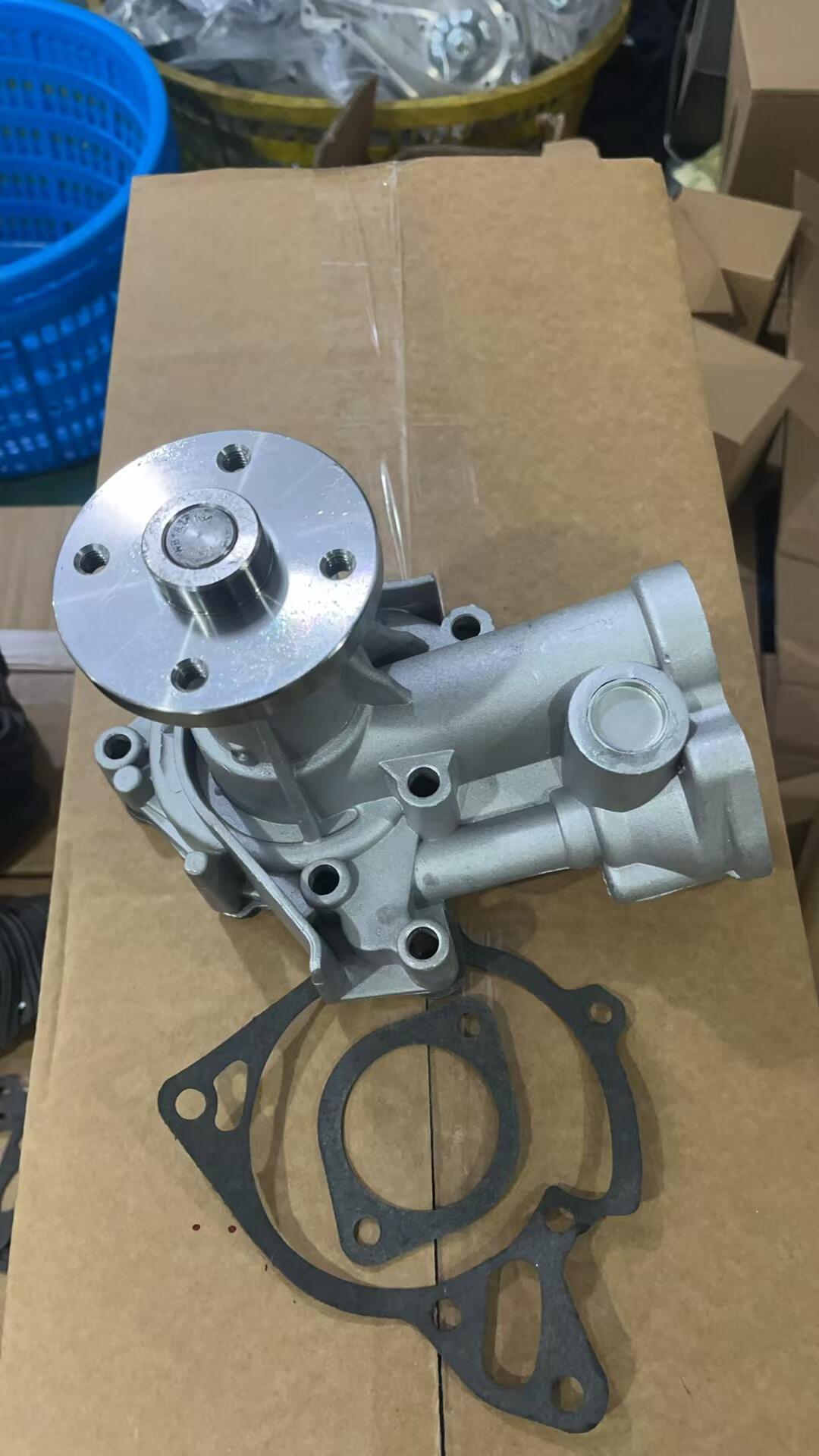
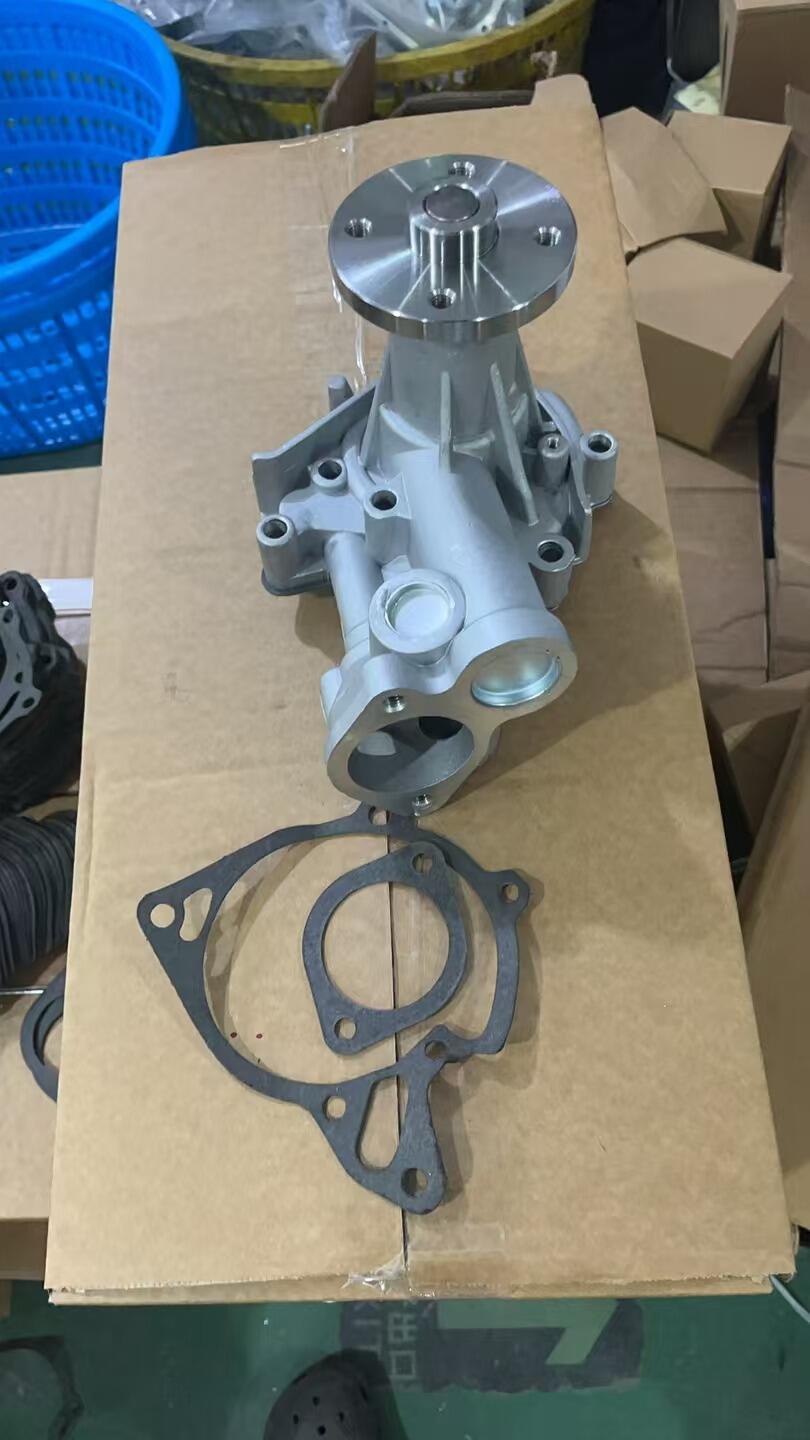
Refrigeration units used in transport and cold storage are complex mechanical systems that endure extreme operating conditions every single day. From temperature fluctuations and vibration to humidity exposure and continuous cycling, these units are subjected to stresses that accelerate wear on every component. Understanding how reefer parts contribute to the longevity of a refrigeration unit is one of the most important questions fleet managers, logistics operators, and cold chain professionals face. The right approach to component selection and maintenance can mean the difference between a unit lasting eight years and one that fails in five.
The role of reefer parts in extending the service life of refrigeration equipment is both mechanical and systemic. When individual components are sourced to the correct specifications, installed properly, and replaced at the right intervals, the entire unit operates with reduced strain. This protective effect compounds over time — a well-maintained refrigeration system does not just run longer, it runs more efficiently and with fewer catastrophic failures. This article explores the key mechanisms through which quality reefer parts actively preserve refrigeration units and delay premature retirement of expensive equipment.
The Mechanical Relationship Between Component Quality and System Longevity
How Individual Reefer Parts Affect System Stress Levels
Every component in a refrigeration unit is interdependent. When one part degrades or operates outside its design parameters, it places additional load on surrounding components. For example, a worn expansion valve forces the compressor to work harder to maintain the set temperature, accelerating compressor wear. Choosing correctly rated reefer parts that match the original design specifications ensures that each element contributes to balanced system operation rather than creating chain-reaction stress.
The quality of reefer parts directly determines the tolerance levels at which the system operates. Original factory components are engineered with precise material grades, sealing surfaces, and dimensional accuracy that aftermarket alternatives often fail to match. When tolerances are correct, fluid dynamics within the refrigerant circuit remain stable, thermal exchange is efficient, and mechanical friction is kept within acceptable limits. All of these factors reduce the rate at which other components age and degrade.
Fleet operators who invest in quality reefer parts also benefit from more predictable maintenance schedules. When components perform within their rated lifespan, maintenance teams can plan interventions based on manufacturer guidelines rather than responding to unexpected breakdowns. This predictability is not just a convenience — it is a strategic advantage that reduces total lifecycle cost while actively extending the service life of the overall unit.
The Role of Precision Engineering in Component Lifespan
Precision engineering in reefer parts means that components are manufactured to exact material and dimensional specifications. This matters enormously in refrigeration systems because even small deviations in valve seat geometry or seal compound hardness can lead to refrigerant leaks, pressure imbalances, or thermal inefficiencies that slowly degrade the system. Over hundreds or thousands of operating hours, these small inefficiencies compound into significant damage.
Consider the expansion valve, a component responsible for metering refrigerant flow into the evaporator. A valve manufactured to precise tolerances maintains consistent superheat control, protecting the compressor from liquid slugging and preventing evaporator icing. When reefer parts like expansion valves are sourced from original factory channels, the precision engineering embedded in those parts actively shields other expensive components from harm.
Precision in reefer parts also extends to materials science. Components designed for refrigeration environments use specific alloys, polymers, and coatings that resist corrosion, thermal cycling fatigue, and chemical degradation from refrigerant exposure. Using inferior materials might save cost at the point of purchase but accelerates the replacement cycle and increases the risk of secondary damage to connected components.
Preventive Maintenance Strategies Powered by Quality Reefer Parts
Scheduled Replacement as a Life Extension Strategy
One of the most effective ways reefer parts extend the life of refrigeration units is through scheduled preventive replacement. Rather than waiting for a component to fail, experienced operators replace high-wear reefer parts at defined intervals based on operating hours, seasonal conditions, or manufacturer recommendations. This approach prevents the secondary damage that almost always accompanies a component failure in a tightly integrated refrigeration system.
High-wear items in a refrigeration unit include filters, belts, seals, gaskets, and valves. When these reefer parts are replaced on schedule, the refrigerant circuit remains sealed, oil contamination is prevented, and airflow through heat exchangers stays unrestricted. Each of these outcomes directly reduces the workload on the compressor and other primary components, which are typically the most expensive to replace and the hardest to source.
Scheduled replacement programs work best when supported by genuine reefer parts inventories. Having the correct components on hand at the time of a scheduled service means maintenance windows are kept short and equipment returns to service quickly. The practice of pre-staging quality reefer parts before a planned service interval is a hallmark of professional cold chain fleet management and is directly linked to lower downtime rates and longer unit lifecycles.
Diagnostic Value of Monitoring Part Performance
Quality reefer parts also extend equipment life by providing accurate diagnostic data. Sensors, valves, and control components that operate within factory specifications give reliable readings that maintenance systems can use to detect developing problems before they escalate. A pressure transducer that drifts due to poor manufacturing tolerances, for example, can mask early warning signs of refrigerant loss or compressor inefficiency.
When operators use properly rated reefer parts throughout the unit, the system's built-in monitoring functions become more trustworthy. Alarms and fault codes trigger at the correct thresholds, giving maintenance teams accurate information about when and where to intervene. This diagnostic integrity is only possible when the components generating the data are themselves performing as designed.
Over time, the combination of accurate diagnostics and scheduled reefer parts replacement creates a self-reinforcing maintenance culture. Teams build knowledge of normal operating patterns, recognize abnormal signals faster, and make better decisions about when to replace versus repair. This operational intelligence is one of the less-discussed but very real ways that investing in the right reefer parts extends the functional life of refrigeration equipment.
How Specific Reefer Parts Protect the Most Vulnerable System Components
Compressor Protection Through Upstream Components
The compressor is the most expensive and mechanically complex component in any refrigeration unit. Protecting it from premature failure is the primary motivation behind choosing quality reefer parts throughout the rest of the system. Several upstream components have a direct impact on compressor health, and their condition determines how long the compressor can operate before requiring service or replacement.
The suction filter-drier is one of the most critical reefer parts for compressor protection. It removes moisture and particulates from the refrigerant before they reach the compressor, preventing acid formation and abrasive wear on internal surfaces. A filter-drier that is saturated or of poor quality allows contaminants to circulate freely, degrading compressor oil viscosity and scoring valve plates and pistons. Regular replacement of this component alone can add years to compressor life.
Similarly, the expansion valve controls the quality of refrigerant entering the evaporator and ultimately returning to the compressor. When this component is a precision-manufactured reefer part operating within its rated parameters, superheat is controlled accurately and the compressor receives properly vaporized refrigerant. Liquid carryover — one of the most damaging events for a compressor — is substantially reduced when the expansion valve is sourced as a genuine, factory-standard component.
Heat Exchanger Preservation Through Filtration and Sealing Components
Evaporator and condenser coils represent a significant portion of the replacement cost in a refrigeration unit. Protecting them from fouling, corrosion, and mechanical damage is essential to long-term system performance. Reefer parts such as air filters, gaskets, and drain pan components all play a role in keeping heat exchangers operating at maximum efficiency over their intended lifespan.
Properly fitted gaskets and seals prevent warm ambient air from bypassing the evaporator, which would force the system to work harder to achieve set temperatures. Over time, this additional thermal load accelerates coil fatigue and increases refrigerant cycle frequency. Using correctly dimensioned and chemically compatible sealing reefer parts maintains the thermal boundaries of the system and protects the coils from operating in conditions beyond their design limits.
Air filtration components in refrigeration units prevent dust, debris, and biological matter from accumulating on coil surfaces. Fouled coils lose heat transfer efficiency rapidly, which creates cascading effects throughout the refrigerant circuit. Regular replacement of filtration reefer parts is one of the simplest yet most impactful maintenance actions available to operators who want to extend the life of their refrigeration equipment.
Operational and Economic Benefits of Prioritizing Quality Reefer Parts
Reducing Total Cost of Ownership Through Component Discipline
The economic case for using quality reefer parts is built on total cost of ownership rather than unit purchase price. While genuine or high-specification components often carry a higher upfront cost compared to low-grade alternatives, they deliver a dramatically lower cost per operating hour across the life of the unit. This calculation becomes especially important for fleets with large numbers of refrigeration units where small per-unit savings multiply into significant financial outcomes.
Catastrophic failures caused by inferior reefer parts not only require the replacement of the failed component but often damage other connected parts in the process. A failed seal that allows refrigerant contamination of the compressor oil, for instance, may necessitate a full compressor rebuild or replacement — a cost that dwarfs the price difference between a quality seal and a low-cost substitute. Operators who understand this dynamic consistently choose to invest in verified reefer parts as a risk management strategy.
Beyond avoiding catastrophic repair events, quality reefer parts contribute to fuel efficiency. A refrigeration unit operating with correctly functioning components maintains set temperatures with less energy consumption. Over thousands of operating hours, the cumulative fuel savings associated with efficient refrigeration performance represent a measurable financial return on the investment in proper components.
Minimizing Downtime and Protecting Cargo Value
In cold chain logistics, equipment downtime is never just a maintenance cost — it is a cargo risk and a customer relationship risk. Refrigeration unit failures during transit can result in temperature excursions that compromise product safety and quality. For operators carrying pharmaceutical products, fresh produce, or high-value perishables, a single failure event can generate losses that far exceed the annual maintenance budget for an entire fleet.
Using reliable reefer parts reduces the probability of mid-transit failures and gives operators confidence that their equipment will complete journeys within temperature specification. This reliability is not accidental — it is the direct result of systematic investment in components that are built to perform consistently under demanding conditions. When every reefer part in a unit is operating as designed, the risk profile of the entire fleet improves.
Downtime reduction also has a compounding effect on unit lifespan. Every emergency repair involves disassembly, diagnosis, and reassembly under time pressure — conditions that increase the risk of installation errors and incidental damage. By reducing the frequency of unplanned repairs through quality reefer parts and scheduled maintenance, operators also reduce the mechanical risk associated with emergency service work.
FAQ
What types of reefer parts have the greatest impact on refrigeration unit lifespan?
Components that directly interact with the refrigerant circuit — such as expansion valves, filter-driers, seals, and pressure sensors — have the greatest individual impact on unit lifespan. These reefer parts protect the compressor from contamination and mechanical stress, which is the single most important factor in extending the overall life of a refrigeration unit. Keeping these components in good condition through scheduled replacement is a foundational maintenance strategy.
How does using original factory reefer parts differ from aftermarket alternatives in terms of longevity?
Original factory reefer parts are manufactured to the precise dimensional, material, and performance specifications of the unit they are designed to serve. Aftermarket alternatives vary widely in quality and may not meet these specifications consistently. While some aftermarket reefer parts perform adequately, the risk of dimensional mismatches, inferior sealing materials, or shortened service life is higher. For critical components where failure could cause secondary damage, factory-specification reefer parts are consistently the lower-risk and often the lower-total-cost choice.
How often should high-wear reefer parts be replaced to maximize refrigeration unit lifespan?
Replacement intervals for reefer parts vary by component type, operating conditions, and manufacturer specifications. In general, filter-driers should be inspected or replaced at every major refrigerant service. Seals, gaskets, and belts typically follow hour-based or seasonal schedules. Expansion valves and sensors are replaced on condition or at the manufacturer's recommended interval. Following the unit manufacturer's maintenance schedule and adjusting intervals based on actual operating conditions is the most reliable approach to maximizing equipment lifespan.
Can using the wrong reefer parts shorten the life of a refrigeration unit?
Yes, using incorrectly specified or low-quality reefer parts can significantly shorten a refrigeration unit's operational life. Components that do not meet dimensional or material specifications create system imbalances that increase stress on the compressor, heat exchangers, and control systems. Even a single incorrect component — such as an expansion valve with the wrong flow rating — can cause chronic inefficiency and accelerated wear across multiple connected parts. Ensuring that every reefer part meets the required specification is a critical element of any life extension strategy for refrigeration equipment.
Table of Contents
- The Mechanical Relationship Between Component Quality and System Longevity
- Preventive Maintenance Strategies Powered by Quality Reefer Parts
- How Specific Reefer Parts Protect the Most Vulnerable System Components
- Operational and Economic Benefits of Prioritizing Quality Reefer Parts
-
FAQ
- What types of reefer parts have the greatest impact on refrigeration unit lifespan?
- How does using original factory reefer parts differ from aftermarket alternatives in terms of longevity?
- How often should high-wear reefer parts be replaced to maximize refrigeration unit lifespan?
- Can using the wrong reefer parts shorten the life of a refrigeration unit?