
 EN
EN


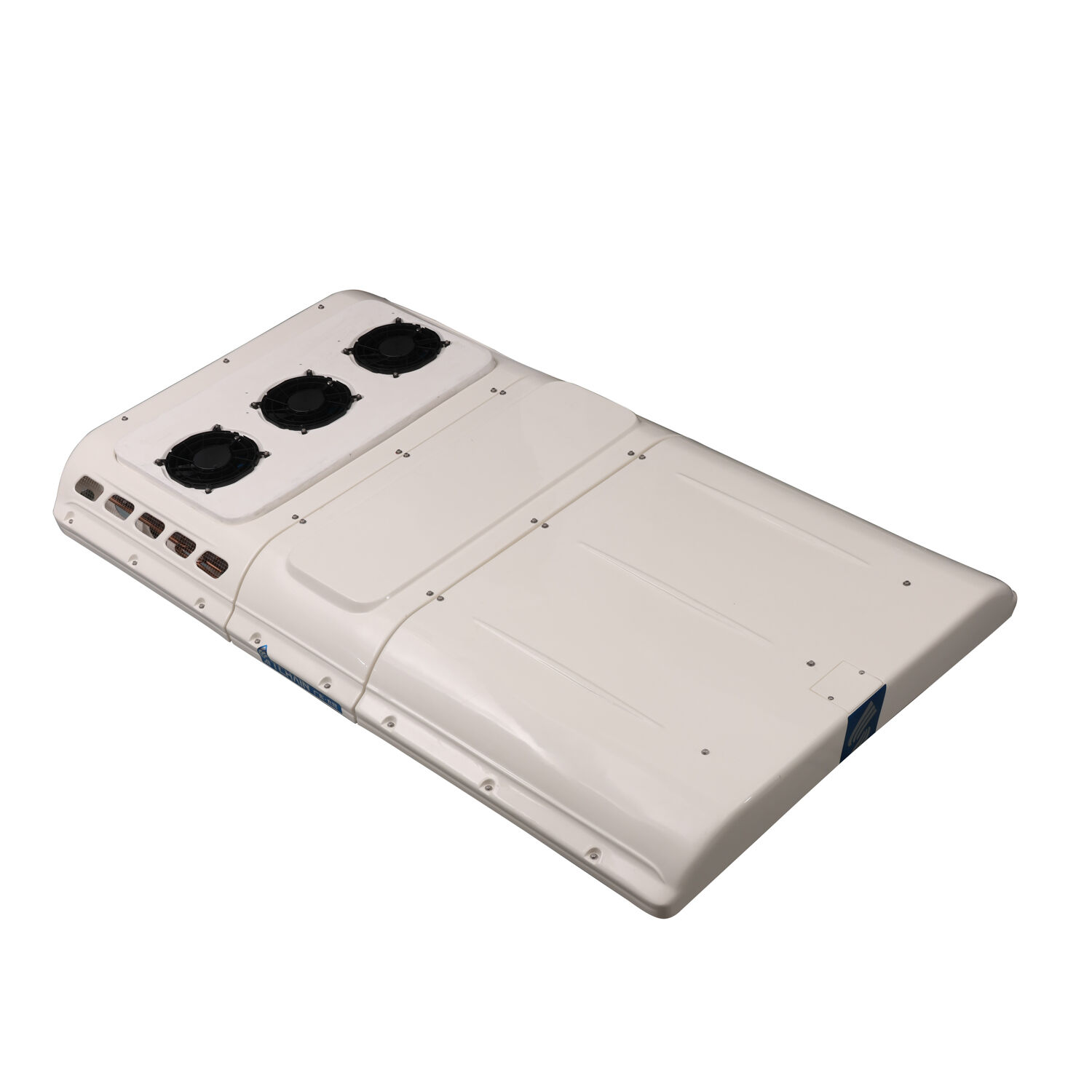
When temperatures climb and passengers need relief, the roof air conditioner becomes one of the most critical components in any commercial vehicle's climate control system. Unlike compact passenger car units tucked under dashboards, a roof air conditioner is a purpose-built, integrated assembly mounted directly on top of buses, coaches, minivans, and specialty vehicles. Its elevated position, combined with a carefully engineered airflow design, gives it the capacity to cool an entire passenger cabin efficiently — even under extreme outdoor conditions. Understanding how this system works helps fleet operators, vehicle engineers, and procurement professionals make smarter decisions about maintenance, upgrades, and long-term reliability.
A roof air conditioner operates on the same fundamental vapor-compression refrigeration cycle found in stationary HVAC units, but it has been adapted to handle the unique demands of a moving vehicle environment — vibration, variable engine loads, fluctuating ambient temperatures, and compact installation footprints. The result is a self-contained cooling architecture where the condenser, evaporator, compressor connections, blower fans, and control electronics all coexist within a single rooftop housing. For anyone responsible for vehicle comfort systems, a working knowledge of each functional stage is essential to diagnosing faults, selecting replacement parts, and optimizing system performance across the vehicle's service life.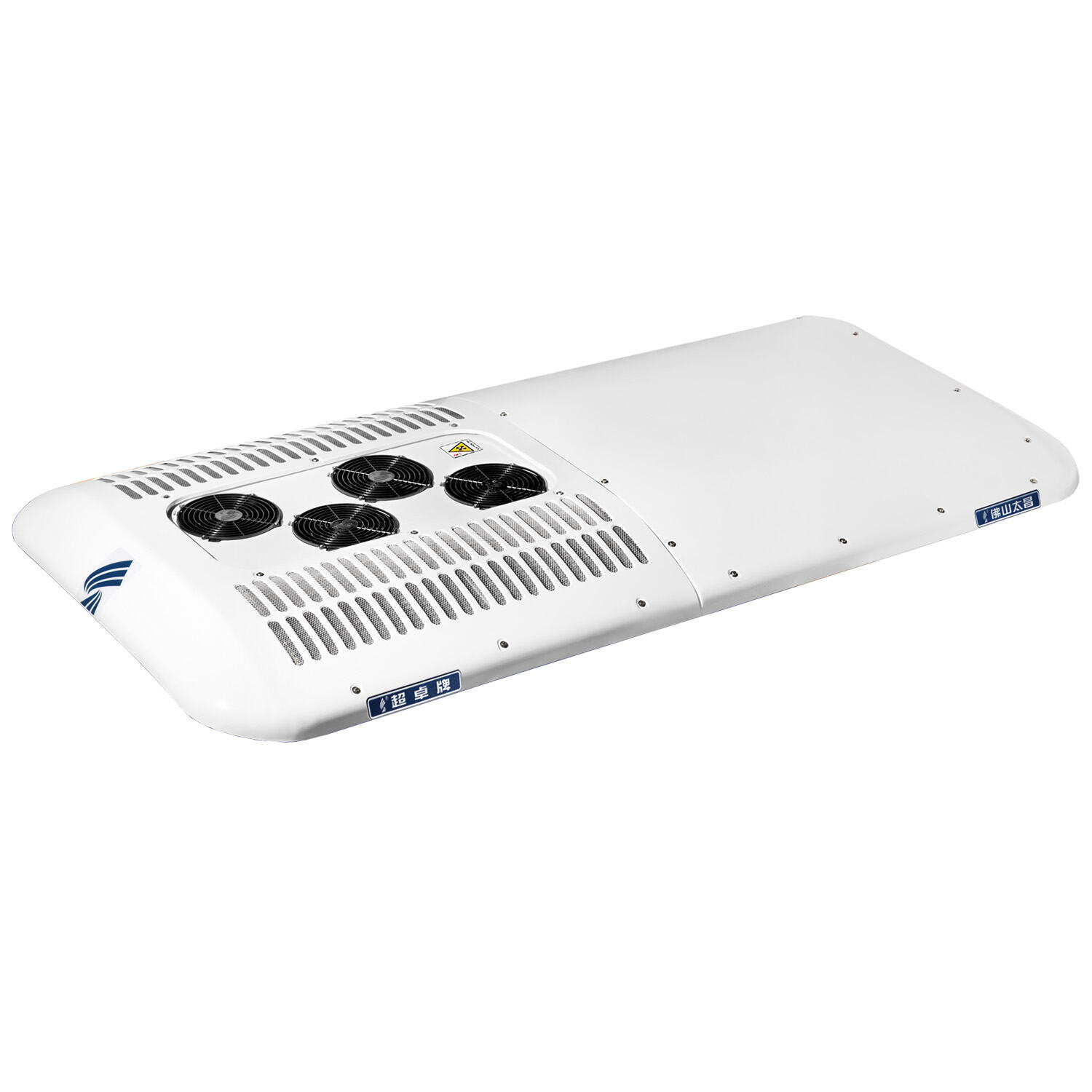
The Core Refrigeration Cycle Inside a Roof Air Conditioner
How Refrigerant Moves Through the System
At the heart of every roof air conditioner is the vapor-compression refrigeration cycle — a continuous loop in which refrigerant alternates between liquid and gaseous states to absorb and release heat. The cycle begins at the compressor, which is typically belt-driven from the vehicle's engine or powered by an electric motor in all-electric configurations. The compressor pressurizes low-pressure refrigerant vapor, raising its temperature significantly before sending it to the condenser coil.
Inside the condenser, the high-pressure, high-temperature refrigerant vapor releases its heat to the outside air flowing over the coil's fins. This heat exchange causes the refrigerant to condense into a high-pressure liquid. The liquid refrigerant then passes through an expansion valve, which rapidly reduces its pressure and temperature, transforming it into a cold, low-pressure mixture ready to absorb cabin heat. This precise pressure drop is what creates the cooling effect that defines a functional roof air conditioner system.
The cold refrigerant enters the evaporator coil, located on the cabin-side of the rooftop unit. As warm cabin air is drawn across the evaporator fins by interior blower fans, the refrigerant absorbs that heat and evaporates back into a vapor state. This vapor returns to the compressor to repeat the cycle. The result is a continuous transfer of heat energy from inside the vehicle to the outside atmosphere, keeping interior temperatures comfortable regardless of external conditions.
The Role of Pressure Management in Cooling Efficiency
Pressure management is a defining factor in how efficiently a roof air conditioner performs. The expansion valve — whether a thermostatic expansion valve (TXV) or an orifice tube design — controls the rate at which refrigerant enters the evaporator. Precise pressure regulation ensures the evaporator operates at the optimal temperature range to maximize heat absorption without causing frosting or flooding.
Modern roof air conditioner systems often incorporate pressure sensors and electronic control units (ECUs) that monitor both high-side and low-side pressures in real time. These sensors feed data to the control system, which adjusts compressor speed, fan output, and expansion valve position to maintain the target cooling performance. When pressures deviate from acceptable ranges — due to refrigerant leaks, blocked components, or compressor wear — the control system triggers fault codes that allow technicians to diagnose the issue before it escalates into a full system failure.
Airflow Architecture and Fan Design
Condenser Fan Function on the Rooftop
The condenser section of a roof air conditioner sits on the exterior-facing side of the rooftop housing. Its fans draw ambient outside air across the condenser coil to carry away the heat rejected by the refrigerant. The efficiency of this heat rejection directly determines how hard the compressor must work and how cool the cabin air ultimately becomes. In bus and coach applications, condenser fans must move large volumes of air even when the vehicle is stationary in traffic — a scenario that eliminates the ram-air effect that assists condenser cooling at highway speeds.
Fan blade design plays a surprisingly significant role in condenser performance. Curved-blade fans, for instance, are engineered to generate higher static pressure and improved airflow volume compared to flat-blade alternatives. A well-designed roof air conditioner cooling fan with aerodynamically optimized curved blades can improve heat exchange efficiency at the condenser by ensuring dense, uniform airflow across the entire coil surface — reducing hot spots that compromise performance. Blade count also matters; a 7-blade configuration, for example, balances airflow capacity with noise reduction, making it well-suited for passenger comfort in bus air conditioning systems.
Motor durability is equally important. Condenser fans in rooftop units are exposed to direct solar radiation, rain, road debris, and temperature extremes. Motors must be sealed, corrosion-resistant, and rated for continuous operation under high ambient temperatures. Bearing quality, winding insulation class, and IP protection ratings are all critical selection criteria when sourcing replacement fan assemblies for a roof air conditioner system.
Evaporator Blower Fan and Cabin Air Distribution
On the cabin side of the unit, the evaporator blower fan pulls warm interior air across the evaporator coil and returns it as conditioned air into the passenger space. In most bus and coach configurations, the rooftop unit distributes cooled air through a ceiling-mounted duct system with multiple diffuser outlets running the length of the passenger cabin. This distributed approach ensures that cooling reaches all seating zones rather than concentrating at the front or rear of the vehicle.
The blower fan speed is typically adjustable across multiple settings, allowing the driver or HVAC controller to modulate airflow volume based on passenger load, external temperature, and system demand. Some advanced roof air conditioner systems use variable-speed EC (electronically commutated) motors for the blower, enabling precise airflow control and significant energy savings compared to fixed-speed motors. EC motors also tend to run quieter, which is a meaningful advantage in passenger transport vehicles where noise levels directly affect comfort perception.
Proper blower fan maintenance — including periodic cleaning of evaporator coil fins, filter replacement, and bearing inspection — is essential to sustaining the airflow performance that the roof air conditioner system was designed to deliver. Reduced airflow caused by dirty coils or a failing blower motor is one of the most common causes of insufficient cooling in fleet vehicles.
Key Components and Their Interaction
The Compressor and Its Connection to Vehicle Power
The compressor is often described as the engine of the roof air conditioner system, and for good reason. It is the component that maintains the pressure differential required for the refrigeration cycle to function. In diesel bus applications, the compressor is typically driven by a belt connected to the engine's accessory drive system. The compressor engages through an electromagnetic clutch, which activates and deactivates the compressor based on cooling demand signals from the thermostat or ECU.
In hybrid and electric vehicles, compressors for the roof air conditioner are increasingly electric-driven — either hermetically sealed scroll compressors or inverter-driven variable-displacement units. These configurations decouple cooling capacity from engine speed, allowing the air conditioning system to maintain full performance even when the engine is idling or shut down. This is particularly important in urban transit applications where vehicles frequently stop and the cooling demand remains constant.
Compressor oil management is a nuanced aspect of system maintenance. The lubricating oil that circulates with the refrigerant must remain compatible with the refrigerant type used — whether R134a, R407C, or newer low-GWP refrigerants like R452A or R1234yf. Mixing incompatible oils and refrigerants can lead to compressor wear, seal degradation, and ultimately refrigerant loss — all of which compromise the cooling capability of the roof air conditioner over time.
Heat Exchangers, Filters, and Drains
Both the condenser and evaporator heat exchangers in a roof air conditioner rely on fin-and-tube construction to maximize the surface area available for heat transfer. The quality of the fin material — typically aluminum — and the tube spacing and depth all influence how efficiently heat is exchanged at each stage of the refrigeration cycle. Over time, fins can become bent, corroded, or blocked with debris, reducing heat transfer effectiveness and forcing the system to work harder to maintain setpoint temperatures.
Most rooftop units incorporate a return air filter that captures dust, pollen, and particulates before they reach the evaporator coil. A clogged filter restricts airflow across the evaporator, causing the coil temperature to drop excessively and potentially freeze — a condition known as evaporator icing. Regular filter replacement according to the manufacturer's service schedule is one of the simplest and most impactful maintenance actions available to fleet operators managing a roof air conditioner fleet.
Condensate drainage is another functional element that is easy to overlook but critical to system hygiene and structural integrity. As the evaporator coil cools warm, humid cabin air, moisture condenses on the coil surface and drains into a condensate pan. This water must be routed away from the vehicle interior through drain tubes. Blocked drain tubes can result in water pooling inside the rooftop unit, promoting mold growth, corrosion of aluminum components, and even water intrusion into the vehicle ceiling — issues that are expensive to remediate if left unaddressed.
Control Systems and Operational Logic
Thermostat and Sensor Integration
A modern roof air conditioner system does not simply run at a fixed cooling output — it responds dynamically to inputs from multiple sensors to maintain cabin comfort with minimal energy waste. Cabin temperature sensors provide the thermostat with real-time temperature readings, triggering compressor engagement when the measured temperature exceeds the setpoint and allowing it to cycle off once the target is reached. In large buses, multiple cabin sensors may be distributed across front, middle, and rear zones to account for uneven heat distribution caused by passenger load and solar gain through windows.
Refrigerant pressure sensors on both the high and low sides of the system monitor operating conditions continuously. If high-side pressure rises above safe limits — often caused by a dirty condenser, failed condenser fan, or refrigerant overcharge — the control system will shut down the compressor to prevent damage. Similarly, if low-side pressure drops below the threshold — indicating insufficient refrigerant or a restricted expansion valve — the system will disable cooling output and alert the driver or maintenance system. This protective logic is essential to preventing costly compressor failures in a roof air conditioner that would otherwise go unnoticed until a major breakdown occurs.
Driver Interface and Zone Control
The driver interface for a roof air conditioner system can range from a simple analog thermostat dial to a fully digital control panel with zone-specific temperature settings. In multi-zone bus configurations, individual sections of the passenger cabin may be assigned to separate evaporator circuits or independently controlled duct zones, allowing different temperatures to be maintained in the driver's cab, the front passenger section, and the rear seating area simultaneously.
Advanced systems integrate with the vehicle's CAN bus network, enabling the HVAC control unit to communicate with the engine management system, battery management system (in electric vehicles), and passenger information systems. This connectivity allows the roof air conditioner to pre-cool the vehicle cabin before departure using shore power, defer compressor activation during heavy engine load conditions, or reduce cooling output when vehicle range preservation is prioritized in battery-electric operation. These smart operational modes represent a significant evolution from the simple on/off thermostat control systems of earlier generations.
Maintenance Considerations for Long-Term Performance
Scheduled Inspection and Component Replacement
Maintaining a roof air conditioner in optimal condition requires a disciplined inspection schedule that goes beyond replacing filters and checking refrigerant charge. Fan motors, blower wheels, and condenser fan assemblies should be inspected at regular service intervals for bearing wear, blade damage, and vibration — all of which can accelerate component fatigue and reduce airflow performance. Given the rooftop location, these components are exposed to UV radiation, thermal cycling, and moisture in ways that accelerate degradation compared to protected indoor HVAC equipment.
Electrical connections and control wiring deserve particular attention during inspections. Vibration from the vehicle's operation can loosen connector terminals, causing intermittent faults that are difficult to diagnose without systematic electrical testing. Corrosion at connector pins — especially in coastal or high-humidity operating environments — can introduce resistance that causes erratic compressor clutch behavior or sensor signal errors in the roof air conditioner control system. Applying dielectric grease to connectors and using vibration-resistant fasteners during reassembly are simple preventive measures that extend electrical system reliability.
Refrigerant Management and Environmental Compliance
Refrigerant handling in a roof air conditioner system is subject to increasingly strict environmental regulations in most markets. Recovery, recycling, and recharge operations must be performed by certified technicians using approved equipment that prevents refrigerant from being vented to the atmosphere. Fleet operators should maintain accurate records of refrigerant quantities added to each vehicle's system — a pattern of frequent top-ups is a reliable indicator of an unresolved leak that will eventually cause system failure.
The transition toward lower global warming potential (GWP) refrigerants is affecting the roof air conditioner market significantly. Systems designed for R134a may require compressor oil changes and seal compatibility checks before being converted to alternative refrigerant blends. In some cases, component upgrades — including expansion valves, hose assemblies, and desiccant driers — are necessary to ensure safe and reliable operation with the new refrigerant. Consulting the rooftop unit manufacturer's guidance on approved refrigerant alternatives is strongly recommended before any conversion is attempted.
FAQ
What is the primary function of a roof air conditioner in a bus or coach?
The primary function of a roof air conditioner in a bus or coach is to remove heat from the passenger cabin and transfer it to the outside atmosphere using a vapor-compression refrigeration cycle. The rooftop mounting position allows the condenser to reject heat to the open air above the vehicle while distributing cooled air evenly through ceiling ducts throughout the entire passenger space.
Why is fan design important in a roof air conditioner system?
Fan design is important because the condenser fan's ability to move air efficiently across the heat exchanger directly affects how much heat the system can reject. Curved-blade, multi-blade fan configurations generate higher static pressure and more uniform airflow across the condenser coil, which improves heat exchange efficiency — especially when the vehicle is stationary and no ram-air effect is available to assist cooling.
How often should a roof air conditioner be serviced in a commercial vehicle fleet?
Service intervals vary by manufacturer and operating environment, but a general best practice is to inspect and service a roof air conditioner at least once before the cooling season begins and once at the end of the season. Key tasks include filter replacement, coil cleaning, refrigerant charge verification, fan motor inspection, drain tube clearing, and electrical connection checks. Vehicles operating in dusty, humid, or coastal environments may require more frequent attention.
Can a roof air conditioner be upgraded or replaced with a different unit?
In many cases, yes — a roof air conditioner can be upgraded or replaced, but compatibility must be carefully verified. The replacement unit must match the vehicle's roof aperture dimensions, electrical supply specifications, refrigerant type, and ducting layout. Additionally, the compressor drive interface must be compatible with the vehicle's engine or electrical architecture. Working with a supplier experienced in vehicle HVAC systems is recommended to ensure a successful retrofit that meets both performance and regulatory requirements.