
 EN
EN



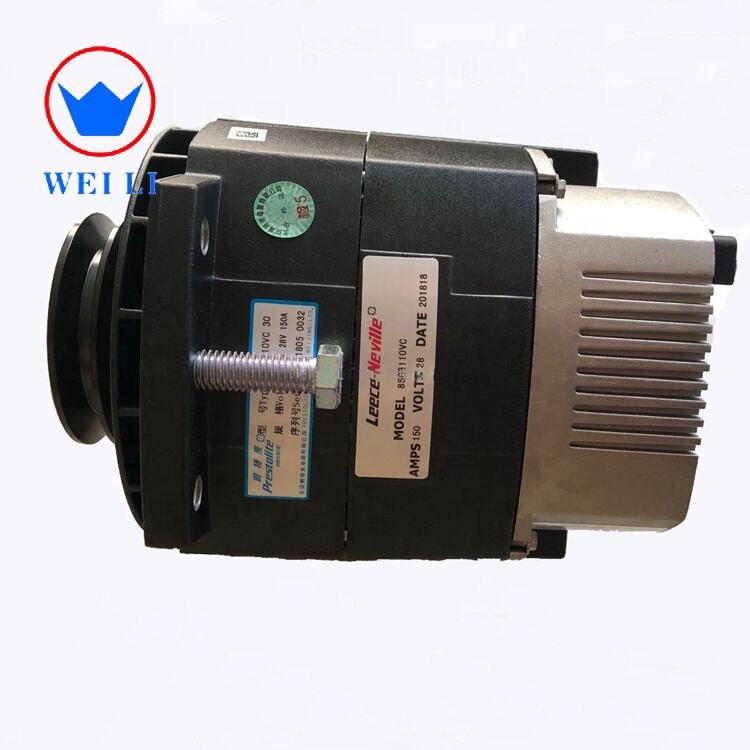
A carrier alternator is a specialized electrical generator designed to provide reliable power generation for commercial transport refrigeration systems, HVAC units, and mobile cooling applications. Unlike standard automotive alternators, carrier alternators are engineered with enhanced durability features and specific voltage outputs to meet the demanding requirements of continuous-duty refrigeration equipment mounted on trucks, trailers, and delivery vehicles.
Understanding how a carrier alternator functions within these systems is essential for fleet managers, technicians, and operators who depend on consistent refrigeration performance. These alternators convert mechanical energy from the vehicle's engine into electrical power that drives compressors, fans, and control systems in transport refrigeration units, ensuring cargo remains at proper temperatures throughout delivery routes.
Core Components and Design Architecture
Rotor Assembly and Magnetic Field Generation
The rotor assembly in a carrier alternator consists of electromagnets or permanent magnets that create the rotating magnetic field necessary for power generation. This rotor spins inside the stator windings, typically at speeds ranging from 1,800 to 6,000 RPM depending on engine speed and pulley ratios. The magnetic field strength is carefully calibrated to produce consistent voltage output across varying rotational speeds.
Carrier alternator rotors are built with enhanced bearing systems and improved heat dissipation to handle extended operating periods. The rotor windings use high-temperature copper wire and specialized insulation materials that maintain electrical integrity even when exposed to engine compartment heat and vibration typical in commercial vehicle applications.
Stator Winding Configuration
The stator contains three-phase windings arranged in precise geometric patterns to maximize power output efficiency. Each phase winding is positioned 120 degrees apart, creating a balanced three-phase AC output that gets converted to DC through the rectifier assembly. The stator core uses laminated steel construction to minimize eddy current losses and improve magnetic flux concentration.
In carrier alternator designs, stator windings are often configured for higher amperage output compared to standard automotive units. This configuration allows the carrier alternator to supply sufficient current for refrigeration compressor motors, which typically require substantial starting and running currents to maintain proper cooling system operation.
Rectifier and Voltage Regulation Systems
The rectifier assembly converts the three-phase AC output into DC power suitable for charging the vehicle's electrical system and powering refrigeration equipment. Silicon diodes arranged in a six-diode bridge configuration handle the AC-to-DC conversion, while additional suppressor diodes protect against voltage spikes during load switching events.
Voltage regulation in a carrier alternator is achieved through electronic control modules that monitor system voltage and adjust field current accordingly. These regulators maintain stable output voltage typically between 12V and 28V depending on system requirements, ensuring consistent power delivery even when engine RPM varies significantly during stop-and-go delivery operations.
Operational Mechanics and Power Generation Process
Electromagnetic Induction Principles
A carrier alternator operates on Faraday's law of electromagnetic induction, where moving magnetic fields through conductor coils generate electrical current. As the engine-driven rotor spins, its magnetic field cuts through the stator windings, inducing voltage in each phase winding. The magnitude of this induced voltage depends on the magnetic field strength, the number of conductor turns, and the rotational speed.
The carrier alternator design optimizes this induction process through precise air gap spacing between rotor and stator components. Tighter tolerances increase magnetic coupling efficiency, while specialized pole piece designs concentrate magnetic flux for maximum power generation. This optimization allows the carrier alternator to maintain adequate power output even at lower engine idle speeds common in delivery applications.
Load Response and Current Regulation
When refrigeration equipment draws current from a carrier alternator, the unit automatically adjusts its internal field strength to maintain voltage stability. This load response mechanism involves sensing circuits that monitor output voltage and current flow, then modulate the rotor field current to compensate for electrical demand changes.
The carrier alternator must respond rapidly to sudden load changes, such as when compressor clutches engage or when auxiliary fans activate. Advanced regulation circuits use pulse-width modulation techniques to provide smooth field current control, preventing voltage fluctuations that could damage sensitive electronic components in modern refrigeration control systems.
Thermal Management and Cooling Integration
Effective thermal management is critical for carrier alternator reliability, as these units often operate in high-temperature engine compartments while generating substantial internal heat. Internal cooling fans draw air through the alternator housing, while heat sinks on rectifier diodes dissipate thermal energy generated during current conversion processes.
Some carrier alternator designs incorporate liquid cooling interfaces that connect to the vehicle's engine cooling system. This integration provides enhanced thermal control for high-output units that must supply continuous power for refrigeration systems operating in extreme ambient temperatures or during extended idling periods.
System Integration and Electrical Connections
Wiring Harness and Connection Points
Proper electrical connections are essential for carrier alternator functionality within refrigeration systems. The main output terminal connects to the vehicle's electrical distribution system through heavy-gauge cables capable of handling full alternator current output. Additional connections include field control wires, ground straps, and sensing leads that provide feedback to voltage regulation circuits.
Carrier alternator installations often require specialized wiring harnesses designed for the specific refrigeration unit being powered. These harnesses incorporate proper wire gauges, protective conduits, and weatherproof connectors that withstand road vibration, temperature cycling, and moisture exposure typical in commercial transport applications.
Battery Charging and Electrical System Support
Beyond powering refrigeration equipment directly, a carrier alternator must maintain the vehicle's battery systems that provide power during engine-off periods. Deep-cycle batteries used in refrigeration applications require specific charging profiles that the carrier alternator must support through appropriate voltage and current regulation.
The carrier alternator integrates with battery management systems that monitor charge states and distribute power between immediate operational needs and battery charging requirements. This integration ensures adequate battery reserve capacity for maintaining refrigeration during brief stops while preventing overcharging that could damage expensive battery banks.
Control System Interface and Communication
Modern carrier alternator designs incorporate communication interfaces that allow integration with vehicle telematics and refrigeration control systems. These interfaces provide real-time data on alternator performance, including voltage output, current flow, operating temperature, and fault conditions.
Digital communication protocols enable the carrier alternator to receive commands from centralized fleet management systems, allowing remote monitoring of power generation performance and predictive maintenance scheduling. This connectivity helps fleet operators optimize fuel efficiency and prevent unexpected refrigeration failures that could result in cargo loss.
Performance Optimization and Maintenance Considerations
Output Capacity and Efficiency Factors
Carrier alternator output capacity must be matched to the total electrical load of the refrigeration system, including compressor motors, condenser fans, evaporator fans, and control electronics. Undersized units will struggle to maintain proper voltage under full load, while oversized alternators waste fuel and generate unnecessary heat.
Efficiency optimization involves selecting the appropriate pulley ratio to achieve optimal alternator speed at typical engine operating RPM. The carrier alternator should reach full output capacity at engine speeds commonly used during delivery operations, ensuring adequate cooling performance without requiring high engine RPM that increases fuel consumption.
Preventive Maintenance and Service Intervals
Regular maintenance of carrier alternator systems includes inspection of drive belts, electrical connections, and cooling air passages. Belt tension must be maintained within manufacturer specifications to prevent slippage that reduces power output and causes premature wear on pulley components.
Electrical connection integrity requires periodic checking of terminal tightness and cable condition, as loose connections create voltage drops that reduce system efficiency and generate heat. The carrier alternator housing should be kept clean of debris and oil accumulation that can block cooling airflow and lead to overheating failures.
Troubleshooting and Diagnostic Procedures
Common carrier alternator problems include voltage regulation failures, bearing wear, and rectifier diode failures that affect power quality. Diagnostic procedures involve voltage and current measurements under various load conditions to identify performance degradation before complete failure occurs.
Advanced diagnostic tools can analyze carrier alternator waveform quality and ripple voltage to detect internal component problems. Regular testing helps identify developing issues such as stator winding deterioration or rotor imbalance that could lead to sudden failures during critical delivery operations when refrigeration performance is essential.
FAQ
How does a carrier alternator differ from a standard automotive alternator?
A carrier alternator is specifically designed for heavy-duty commercial refrigeration applications with enhanced durability features, higher current output capacity, and specialized voltage regulation suited for continuous-duty operation. Unlike standard automotive alternators, carrier alternators must provide consistent power for refrigeration compressors and auxiliary equipment while withstanding extended operating periods and harsh environmental conditions typical in commercial transport applications.
What voltage output does a typical carrier alternator provide?
Most carrier alternators provide either 12V or 24V DC output, with some models offering 28V for specialized applications. The specific voltage depends on the refrigeration system requirements and vehicle electrical architecture. Higher voltage systems like 24V are common in larger commercial vehicles and provide better efficiency for high-power refrigeration equipment by reducing current requirements and cable losses.
How can I determine if my carrier alternator is functioning properly?
Proper carrier alternator function can be verified by measuring output voltage under various load conditions, checking that voltage remains stable between 13.8-14.4V for 12V systems or 27.6-28.8V for 24V systems. Additionally, monitor the alternator's ability to maintain voltage when refrigeration equipment cycles on and off, and verify that battery charging occurs during engine operation. Unusual noises, excessive heat, or voltage fluctuations indicate potential problems requiring professional diagnosis.
What factors affect carrier alternator lifespan and reliability?
Carrier alternator lifespan is primarily affected by operating temperature, electrical load demands, drive belt condition, and maintenance quality. Excessive heat from poor ventilation or overloading reduces component life, while proper belt tension and clean electrical connections maximize reliability. Regular maintenance including connection cleaning, belt inspection, and cooling system maintenance significantly extends carrier alternator service life and prevents unexpected failures that could compromise refrigeration performance.