
 EN
EN



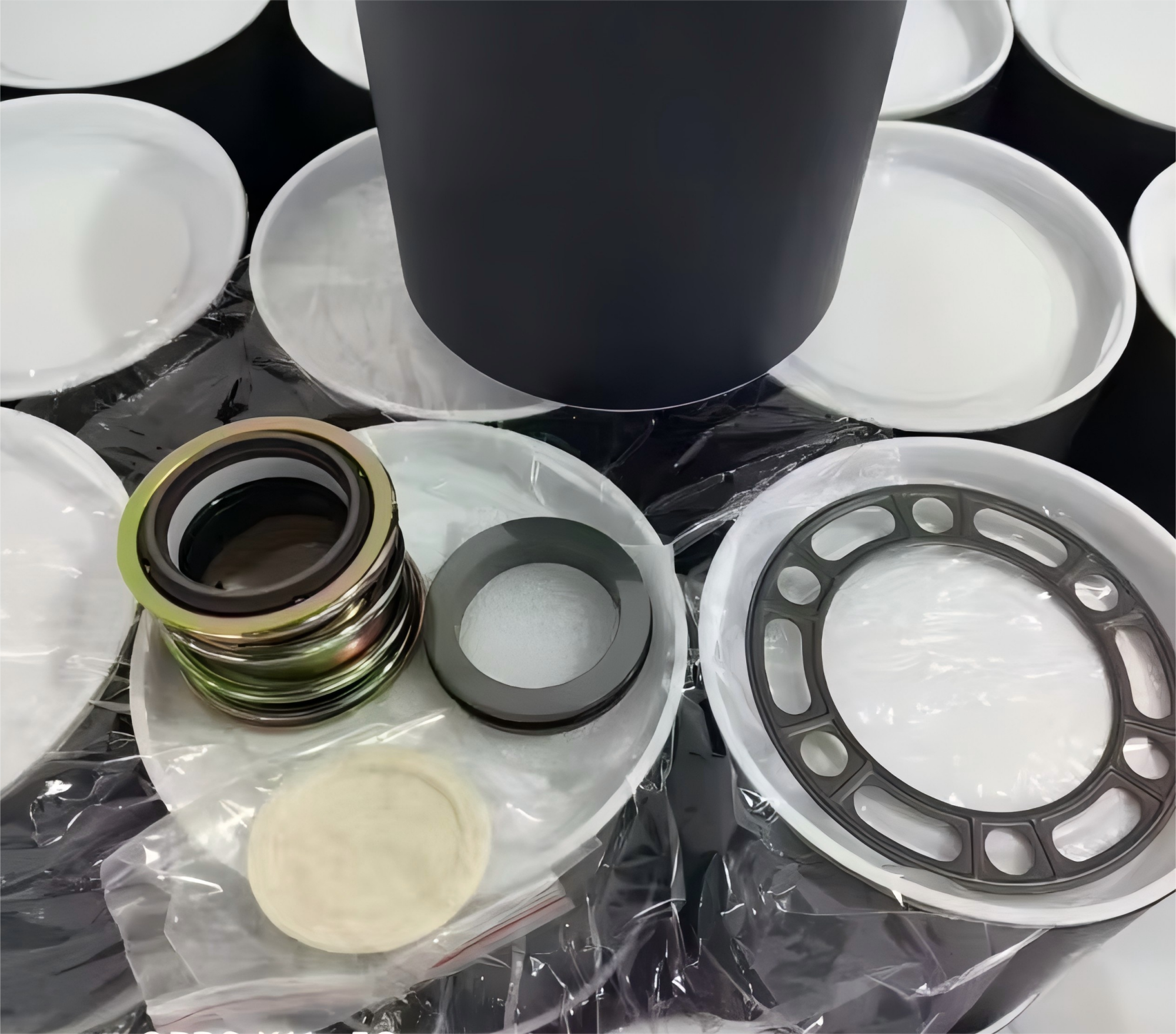
Engineers across industrial sectors face a critical decision when specifying components for rotating equipment: selecting the right shaft seal material. This choice directly impacts equipment reliability, operational efficiency, and long-term maintenance costs. A shaft seal serves as the barrier between internal fluid environments and external contamination, making material quality essential for system integrity. Understanding why engineers prioritize high quality in shaft seal selection reveals the technical and economic reasoning that drives specification decisions in manufacturing, petrochemical, refrigeration, and compressor applications.
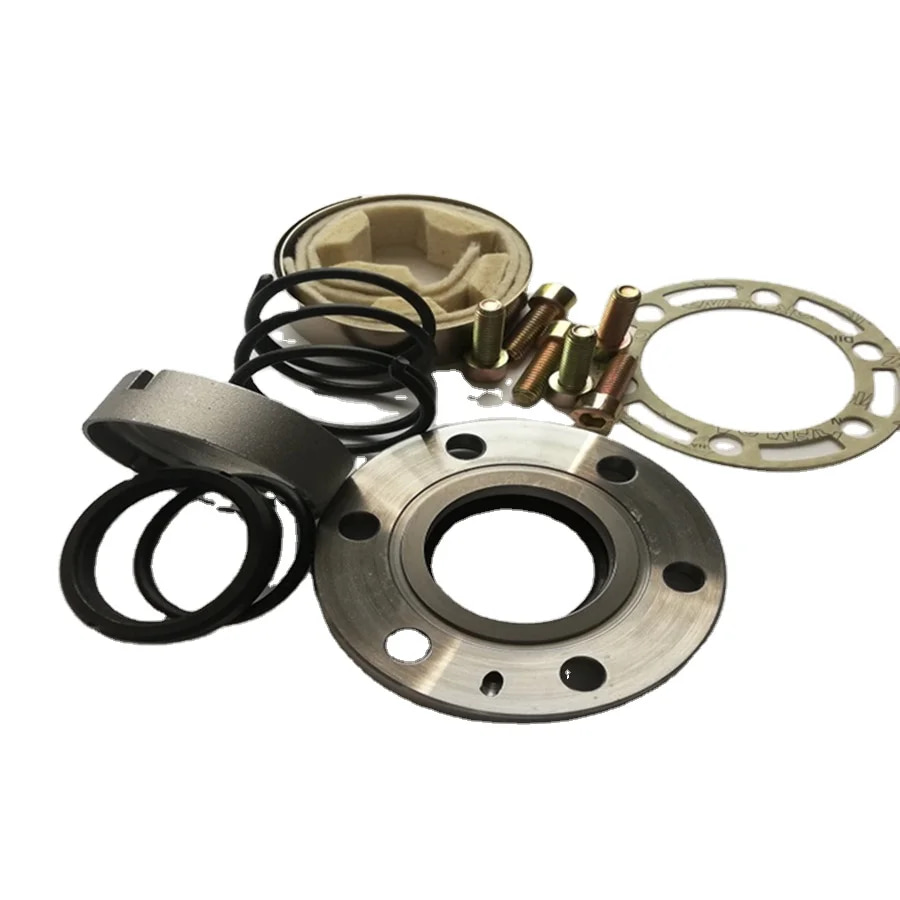
The performance demands placed on rotating equipment seals have intensified dramatically over the past decade. Modern industrial systems operate at higher temperatures, pressures, and rotational speeds than their predecessors. A quality shaft seal is no longer optional—it is fundamental to meeting these elevated performance standards. Engineers recognize that investing in superior shaft seal materials upfront prevents catastrophic failures that could halt production, contaminate products, or create safety hazards. This preventive approach to shaft seal specification has become standard practice in regulated industries and high-reliability applications.
Material Composition and Performance Durability
Elastomer Quality and Chemical Resistance
The elastomer compounds used in a shaft seal determine its chemical compatibility and temperature tolerance. High quality shaft seal materials incorporate premium elastomers engineered to resist aggressive fluids, synthetic oils, and refrigerants without degradation. Standard shaft seal materials may soften, swell, or crack when exposed to specific chemical environments, but premium-grade formulations maintain dimensional stability and sealing performance across wider operating ranges. Engineers select shaft seal elastomers based on detailed compatibility matrices, recognizing that material choice directly influences seal life and failure prevention. The cost difference between basic and high quality shaft seal materials is relatively modest compared to the expense of equipment downtime or replacement failures.
Surface Finish and Leakage Prevention
Manufacturing precision directly influences how effectively a shaft seal prevents fluid leakage. High quality shaft seal production involves tight tolerances on mating surfaces, minimal surface roughness, and consistent hardness specifications. A precisely manufactured shaft seal maintains optimal contact pressure with its rotating counterpart, minimizing micro-leakage that accumulates into significant fluid loss over time. Engineers understand that a shaft seal with superior surface finish delivers lower leakage rates, reduced maintenance frequency, and extended operational intervals. This manufacturing discipline distinguishes premium shaft seal products from commodity alternatives and justifies specification in critical applications.
Operational Reliability and System Protection
Temperature and Pressure Stability
Industrial equipment operating conditions often reach extremes that challenge standard shaft seal materials. High quality shaft seal formulations are engineered to maintain seal integrity across extended temperature ranges, from cryogenic refrigeration systems to high-temperature compressor applications. Engineers specify premium shaft seal materials when equipment must operate reliably in demanding thermal environments. A shaft seal that degrades at elevated temperatures will fail prematurely, compromising system performance and creating environmental contamination risks. By selecting shaft seal materials rated for the actual operating envelope, engineers eliminate a common failure mode and extend component service life significantly.
Contamination Exclusion and Seal Integrity
The primary function of any shaft seal is to exclude external contaminants while retaining internal fluids. High quality shaft seal designs incorporate precision geometry that creates reliable contact with the shaft, preventing particle ingress and fluid weeping. A substandard shaft seal may allow microscopic contamination ingress that accelerates bearing wear or oil degradation. Engineers who specify quality shaft seal materials recognize that this exclusion function protects downstream components, reducing cascade failures and secondary damage. In applications like air compressors and refrigeration systems, contamination prevention through shaft seal quality is absolutely critical to extending equipment life and maintaining system efficiency.
Economic and Regulatory Justification
Total Cost of Ownership Perspective
Financial decision-making around shaft seal specification requires viewing costs holistically rather than focusing on purchase price alone. High quality shaft seal materials cost more initially but deliver significantly lower total cost of ownership when accounting for extended service intervals, reduced replacement frequency, and avoided downtime expenses. Engineers performing lifecycle cost analysis consistently find that premium shaft seal materials represent better value than repeated replacement of failing standard products. Production facilities operating continuously cannot afford unexpected shutdowns caused by shaft seal failure. The insurance value of specifying a quality shaft seal that operates reliably for years justifies the material cost premium in virtually all industrial contexts.
Compliance and Warranty Requirements
Many regulated industries impose stringent requirements on component specifications that effectively mandate high quality shaft seal materials. Food processing, pharmaceutical manufacturing, and compressor systems for controlled environments often require documented material certifications and performance verification. Engineers working under these regulatory frameworks must specify shaft seal materials that meet industry standards and carry appropriate certification. A quality shaft seal with full traceability documentation provides legal and operational protection. Additionally, equipment manufacturers increasingly offer extended warranties only when customers specify approved premium shaft seal materials, creating another economic driver toward quality selection.
FAQ
What factors should engineers evaluate when comparing shaft seal materials?
Engineers should assess chemical compatibility with operating fluids, temperature range capability, pressure rating, surface finish specifications, elastomer composition, and manufacturer certifications. The shaft seal material must match the specific application environment and duty cycle. Reference compatibility charts, review failure history data, and consult equipment manufacturers for approved shaft seal specifications. Comparing material properties across candidates reveals why premium options often provide better performance margins.
How does shaft seal quality impact maintenance schedules?
High quality shaft seal materials extend service intervals significantly by reducing wear rates, leakage, and degradation. Equipment using premium shaft seals typically requires maintenance less frequently, reducing labor costs and production disruptions. A standard shaft seal might require replacement every 12-18 months, while a quality alternative could operate reliably for 3-5 years under identical conditions. This extended interval directly reduces annual maintenance expenses and improves operational predictability.
Are there industry standards that guide shaft seal material selection?
Yes, multiple standards address shaft seal specifications including ISO 6072 for mechanical seals and industry-specific requirements for refrigeration, compressor, and pump applications. Equipment manufacturers typically reference these standards when specifying approved shaft seal materials. Compliance with relevant standards ensures that engineers select shaft seals meeting minimum performance criteria and documented reliability expectations. Checking these standards before specification prevents compatibility issues and performance disappointments.