
 EN
EN



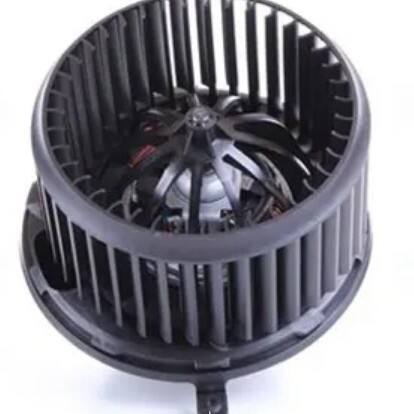
When it comes to maintaining a comfortable cabin environment in heavy-duty trucks and commercial vehicles, the blower motor plays a central and often underappreciated role. This compact but powerful component is responsible for circulating conditioned air through the HVAC system, ensuring that both heating and cooling functions work as intended regardless of external weather conditions. Understanding how a quality blower motor contributes to overall airflow efficiency is essential for fleet managers, truck owners, and automotive technicians who depend on reliable climate control day after day.
A well-engineered blower motor does far more than simply spin a fan. It directly influences the speed, consistency, and distribution of airflow throughout the vehicle cabin, making it a critical link in the HVAC chain. For trucks operating in demanding environments — from extreme cold to sweltering heat — having a dependable blower motor installed can be the difference between a productive workday and an uncomfortable, even hazardous, driving experience. This article explores the specific mechanisms by which a high-quality blower motor improves vehicle airflow systems, helping you make informed decisions about maintenance and replacement.
The Core Mechanism Behind Blower Motor Performance
How a Blower Motor Converts Electrical Power Into Airflow
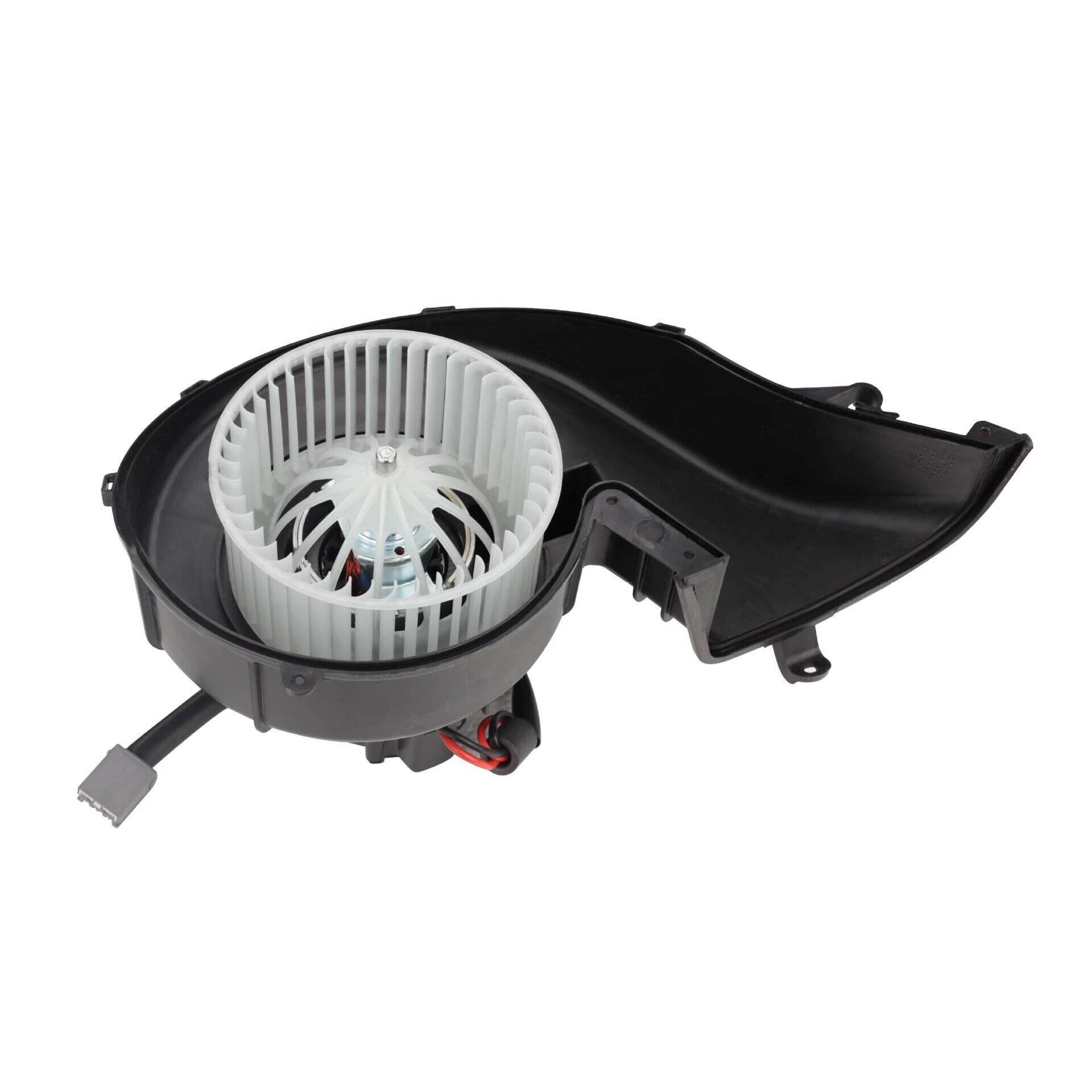
At its most fundamental level, a blower motor is an electric motor coupled to a squirrel-cage fan assembly. When the HVAC system receives a command — whether from a manual dial or an automatic climate control unit — voltage is applied to the blower motor, causing the fan to rotate and draw air across the evaporator or heater core. The speed of the fan, and therefore the volume of airflow, is controlled by regulating the voltage or current supplied to the motor, often through a resistor block or dedicated control module.
The efficiency of this conversion process is what distinguishes a premium blower motor from a substandard replacement. A motor with tight tolerances, high-quality windings, and a balanced fan assembly wastes less energy as heat and delivers a more linear airflow response across all speed settings. In heavy-duty trucks, where 12V or 24V electrical systems must also power numerous other components simultaneously, an efficient blower motor helps reduce the overall load on the alternator and battery system.
Additionally, the physical design of the fan cage integrated with the blower motor determines how effectively air is drawn in, accelerated, and directed into the ductwork. A well-matched cage geometry minimizes turbulence and pressure loss, which translates directly into stronger, more uniform airflow at the cabin vents. This is particularly important in large-cab trucks where duct lengths are longer and pressure drops are more significant.
The Role of Motor Construction Quality in Airflow Consistency
Consistent airflow is not just about raw power — it depends heavily on the mechanical precision of the blower motor itself. Motors built with high-grade brushes, commutators, and armature windings maintain stable rotational speeds under varying electrical loads, ensuring that the driver experiences steady airflow even when other electrical demands fluctuate. In contrast, a worn or poorly manufactured blower motor may produce irregular speeds, vibration, or intermittent airflow that undermines cabin comfort.
Bearing quality is another critical construction factor. The bearings in a blower motor must withstand continuous rotation for thousands of operating hours while enduring the vibration and thermal cycling typical of commercial vehicle environments. Premium bearings reduce friction, extend service life, and prevent the grinding or squealing noises that often signal imminent motor failure. When a blower motor operates smoothly and quietly, it is a strong indicator that the underlying mechanical quality is high enough to deliver reliable airflow over the long term.
Airflow Distribution and Climate Control Integration
How Blower Motor Speed Control Affects Cabin Temperature Regulation
Modern truck HVAC systems rely on precise blower motor speed control to achieve targeted cabin temperatures efficiently. In manual systems, the driver selects from a fixed number of speed settings, each corresponding to a specific voltage level delivered through a resistor network. In automatic or semi-automatic systems, the climate control module continuously adjusts blower motor speed in response to cabin temperature sensors, outside temperature readings, and programmed setpoints.
The ability of the blower motor to respond accurately and promptly to these control signals is fundamental to the performance of the entire HVAC system. A motor that hesitates, runs inconsistently, or fails to reach the commanded speed will cause the system to overshoot or undershoot temperature targets, forcing the driver or automatic system to repeatedly compensate. This kind of instability wastes fuel, increases wear on the compressor and heater core, and reduces overall system efficiency.
By contrast, a blower motor that responds crisply and maintains accurate speed across all settings allows the rest of the HVAC system to operate in its optimal range. Heating and cooling cycles become shorter and more precise, reducing energy consumption and extending the service life of refrigerant and heating components. In fleet operations where vehicles run continuously, these gains in efficiency accumulate into meaningful reductions in operating costs.
Zone Distribution and Vent Pressure in Heavy-Duty Cabs
In larger truck cabins, effective airflow distribution depends on the blower motor generating sufficient pressure to push conditioned air through extended duct runs and multiple vent outlets. If the motor is underpowered or has deteriorated over time, certain vents — particularly those farthest from the HVAC unit — may receive noticeably weaker airflow, creating hot or cold spots within the cabin. A strong, properly sized blower motor ensures that airflow pressure remains adequate throughout the entire duct network.
The design compatibility between the blower motor and the vehicle's original HVAC housing is equally important. A motor that fits precisely within the OEM-specified housing maintains the correct clearances and sealing required to prevent airflow bypass — the phenomenon where air escapes around the fan assembly rather than being directed through the intended channels. Bypass losses significantly reduce the effective airflow at the vents and force the system to work harder to compensate, accelerating wear across the entire HVAC assembly.
The Impact of OEM-Specification Blower Motors on System Reliability
Why Dimensional and Electrical Compatibility Matters
Installing a blower motor that meets the original equipment manufacturer's specifications — including voltage rating, shaft dimensions, mounting pattern, and fan blade geometry — is essential for preserving the integrity of the vehicle's airflow system. A motor that operates at the wrong voltage range may draw excessive current, overheat, and fail prematurely, or it may lack sufficient torque to move air at the required volume. Either scenario degrades airflow performance and creates additional repair costs.
Electrical compatibility also extends to the connector interface and control signal requirements. A blower motor designed for a specific truck platform will have the correct connector pinout and impedance characteristics to work seamlessly with the vehicle's HVAC control module. Using a non-compatible motor may trigger fault codes, cause erratic speed behavior, or prevent the HVAC system from entering certain operating modes, all of which ultimately impair airflow quality and driver comfort.
For vehicles such as Volvo trucks using part numbers 84223449 or 82349000, sourcing a replacement blower motor that has been engineered to match these specifications ensures a straightforward installation and immediate restoration of full airflow performance. This compatibility-first approach avoids the diagnostic complexity and repeated replacements that often result from using generic or mismatched components.
Material Quality and Long-Term Airflow Performance
The housing and fan components of a blower motor are typically exposed to a wide range of temperatures, humidity levels, and contaminants such as dust and pollen. High-quality ABS plastic housings resist warping, cracking, and chemical degradation over extended service periods, maintaining the tight dimensional tolerances needed for efficient airflow throughout the motor's service life. A housing that deforms due to heat or physical stress will allow air leakage and reduce the effective output of even the best motor assembly.
The fan blades integrated with the blower motor also play a direct role in airflow quality. Blades manufactured with precise pitch angles and balanced mass distribution move air more efficiently and generate less noise than poorly formed alternatives. Over time, a high-quality fan maintains its aerodynamic profile without developing the micro-cracks or deformations that cause vibration, noise, and reduced airflow capacity. Investing in a well-constructed blower motor with quality materials therefore pays dividends in both performance and durability.
Recognizing When a Blower Motor Is Compromising Airflow
Performance Symptoms That Signal Blower Motor Degradation
Understanding how a failing blower motor affects airflow is important for proactive maintenance. One of the earliest signs is a reduction in airflow volume at one or more speed settings, often noticed as weaker air delivery from the vents despite the fan appearing to run. This can indicate worn brushes or commutator surfaces within the motor, which increase internal resistance and reduce the motor's ability to convert electrical power into rotational force and, ultimately, airflow.
Unusual noises such as grinding, rattling, or squealing are also common indicators of a blower motor in decline. These sounds typically originate from failing bearings, debris caught in the fan cage, or a fan assembly that has become unbalanced due to a broken or deformed blade. Any of these conditions will progressively worsen airflow consistency while also generating vibrations that can transmit into the dashboard and HVAC housing, potentially causing additional wear or damage to nearby components.
Intermittent operation — where the blower motor cuts in and out at seemingly random intervals — often points to failing electrical contacts within the motor itself or in the associated resistor and control circuit. While intermittent behavior can have multiple causes, the motor should always be evaluated as a primary suspect, particularly in high-mileage vehicles where internal wear is expected. Catching these symptoms early and replacing the blower motor before complete failure prevents the more serious consequences of operating a truck without functional cabin ventilation.
Preventive Replacement Intervals for Commercial Truck Applications
In commercial truck applications, the blower motor typically operates for far longer cumulative hours than in passenger vehicles, given the extended daily driving schedules and year-round climate demands of freight and logistics operations. As a general guideline, technicians recommend inspecting the blower motor during major service intervals or at the first sign of any performance degradation, rather than waiting for complete failure. Proactive replacement minimizes unplanned downtime and helps maintain the driver comfort standards that modern logistics operations require.
When performing replacement, it is equally important to inspect the associated blower motor resistor, relay, and control wiring. A new blower motor installed into a circuit with a failing resistor or corroded connector will not deliver the airflow improvement it is capable of, and may fail prematurely due to voltage irregularities. A comprehensive approach to HVAC maintenance — addressing the entire airflow circuit rather than just the motor in isolation — produces the most reliable and lasting improvement in cabin climate performance.
FAQ
What is the primary function of a blower motor in a truck's HVAC system?
The primary function of a blower motor is to drive the fan that circulates air through the vehicle's heating, ventilation, and air conditioning system. By converting electrical energy into rotational motion, the blower motor controls both the volume and speed of airflow delivered to the cabin, directly determining how effectively the HVAC system heats or cools the interior space.
How does a worn blower motor affect the airflow in a heavy-duty truck?
A worn blower motor typically produces reduced airflow volume, inconsistent fan speeds, unusual noises, and in some cases complete loss of fan operation. These symptoms result from internal wear of brushes, commutator surfaces, and bearings, all of which reduce the motor's ability to sustain the rotational speed necessary to deliver adequate airflow through the HVAC ductwork.
Why is it important to use a compatible replacement blower motor for specific truck models?
Using a compatible replacement blower motor ensures that the motor's voltage rating, physical dimensions, mounting configuration, and electrical interface all match the original system specifications. Incompatible motors may cause insufficient airflow, HVAC control errors, premature failure, or safety-related electrical faults. For trucks with part numbers such as 84223449 or 82349000, selecting a purpose-matched blower motor ensures optimal airflow restoration without diagnostic complications.
Can a blower motor issue cause the entire HVAC system to underperform?
Yes, a degraded or failing blower motor can cause the entire HVAC system to underperform because it is the component responsible for moving air across the heating and cooling elements. Even if the heater core and air conditioning compressor are functioning correctly, inadequate airflow from a compromised blower motor means that conditioned air cannot be delivered to the cabin at the volume or speed needed to maintain comfortable temperatures efficiently.
Table of Contents
- The Core Mechanism Behind Blower Motor Performance
- Airflow Distribution and Climate Control Integration
- The Impact of OEM-Specification Blower Motors on System Reliability
- Recognizing When a Blower Motor Is Compromising Airflow
-
FAQ
- What is the primary function of a blower motor in a truck's HVAC system?
- How does a worn blower motor affect the airflow in a heavy-duty truck?
- Why is it important to use a compatible replacement blower motor for specific truck models?
- Can a blower motor issue cause the entire HVAC system to underperform?