
 EN
EN



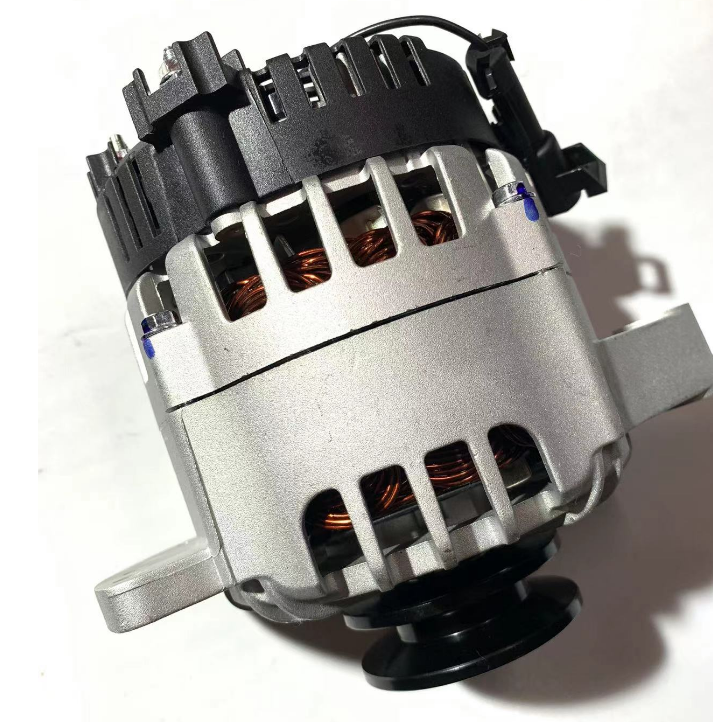
When it comes to maintaining the performance and reliability of transport refrigeration systems, understanding the role of carrier parts is absolutely essential. These components are the backbone of any cooling system designed for commercial vehicles, including trucks, buses, and refrigerated transport units. Without properly functioning carrier parts, even the most advanced cooling system will struggle to maintain consistent temperatures, ultimately putting perishable cargo and operational efficiency at serious risk.
From oil separators and compressors to condensers and evaporators, carrier parts encompass a wide range of mechanical and electrical components that work together to regulate the refrigeration cycle. Understanding what these parts are, how they function, and why their quality matters can help fleet operators, maintenance professionals, and procurement teams make informed decisions that directly impact operational uptime, energy efficiency, and long-term cost management in temperature-sensitive logistics.
Defining Carrier Parts in the Context of Cooling Systems
The Broad Scope of Carrier Parts
Carrier parts refer to the individual mechanical, electrical, and pneumatic components used within Carrier transport refrigeration units, particularly those designed for trucks, vans, buses, and trailer-mounted cooling applications. These parts work in coordination to sustain the refrigeration cycle that keeps cargo within a precise temperature range throughout the entire transportation journey. The term is widely used across the cold chain and logistics industry to describe original, replacement, or aftermarket components that are compatible with Carrier refrigeration systems.
The scope of carrier parts is broad. It includes components directly involved in the refrigeration cycle — such as compressors, condensers, evaporators, and expansion valves — as well as auxiliary components that support the system's broader functionality. Auxiliary carrier parts often include oil separators, belts, filters, sensors, controllers, fans, and various mounting hardware. Each of these plays a distinct role in ensuring the cooling system operates within design parameters and maintains the efficiency it was engineered to deliver.
What makes carrier parts particularly critical in B2B and commercial applications is their direct relationship to cargo integrity. In temperature-controlled logistics, the difference between a functioning component and a failing one can mean the difference between delivering fresh pharmaceutical products or spoiled food goods. This elevates the importance of understanding individual carrier parts far beyond simple mechanical awareness — it becomes a matter of regulatory compliance, food safety, and commercial liability.
Key Categories of Carrier Parts in Refrigeration Units
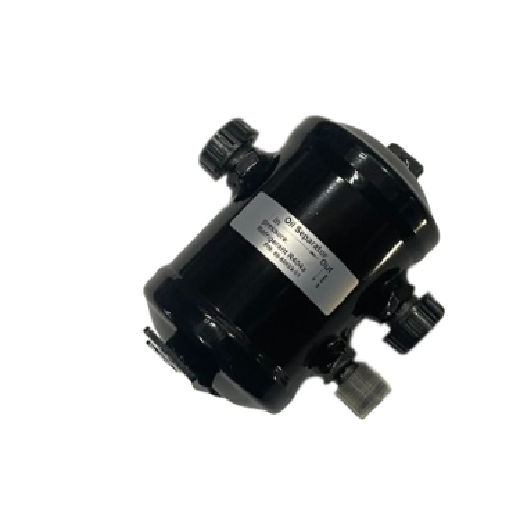
Among the most frequently discussed carrier parts in cooling systems is the oil separator. The oil separator plays a fundamental role in protecting the compressor by removing oil from the refrigerant gas before it re-enters the refrigeration circuit. When oil circulates freely through the system without separation, it reduces heat transfer efficiency and can cause premature wear on internal surfaces. A well-functioning oil separator, such as the carrier parts component referenced under part number 65-60059-01, is designed specifically for Carrier Transicold Xarios 300, 350, and Viento 300 systems, illustrating just how precisely engineered these components need to be.
Compressors represent another cornerstone category of carrier parts. As the heart of the refrigeration cycle, the compressor pressurizes refrigerant gas and drives it through the condenser, expansion device, and evaporator. When the compressor fails or degrades in performance, the entire cooling capacity of the unit is compromised. Selecting the correct compressor or compressor-related carrier parts requires careful attention to model compatibility, displacement specifications, and operating pressure ranges.
Condenser and evaporator coils, thermostatic expansion valves, refrigerant lines, and digital controllers round out the broader ecosystem of carrier parts. Each of these components is engineered to specific tolerances and is often interchangeable only within defined model families. This specificity is what makes sourcing the correct carrier parts so critical — generic substitutions can compromise performance, void warranties, and introduce reliability risks that outweigh any short-term cost savings.
Why Carrier Parts Are Critical to Cooling System Performance
Maintaining Thermal Efficiency Across the Refrigeration Cycle
The refrigeration cycle is a delicate sequence of thermodynamic processes that depends on every component performing within precise parameters. Carrier parts that are worn, improperly specified, or failing can disrupt this cycle at any stage, leading to reduced cooling capacity, increased energy consumption, or complete system failure. For example, a clogged filter or a worn expansion valve among the carrier parts in a transport unit can restrict refrigerant flow, forcing the compressor to work harder and ultimately shortening the life of the entire system.
Thermal efficiency directly affects fuel consumption in transport refrigeration units. Because most truck-mounted cooling systems are powered by either the vehicle engine or a dedicated diesel generator, any inefficiency in the carrier parts translates to higher fuel costs. For fleet operators managing dozens or hundreds of vehicles, even a marginal drop in efficiency across the fleet can have measurable financial consequences over time. Proactive maintenance and timely replacement of critical carrier parts is therefore not only a mechanical necessity but also a financially sound operational strategy.
Beyond fuel efficiency, the quality of carrier parts directly impacts the system's ability to recover temperature quickly after door openings. In distribution operations where refrigerated units are opened and closed frequently, recovery speed is a key performance metric. Components like evaporator fans, expansion valves, and control boards — all part of the broader family of carrier parts — must operate reliably to enable fast and consistent temperature recovery throughout delivery cycles.
System Reliability and Operational Uptime
In commercial refrigerated transport, unexpected downtime is one of the most costly events a fleet operator can face. A vehicle that breaks down mid-route due to a failing cooling component may result in spoiled cargo, emergency repair costs, missed delivery windows, and potential regulatory penalties. This reality makes the reliability of carrier parts a business-critical concern rather than a purely technical one. Investing in high-quality, correctly specified carrier parts is a direct investment in operational continuity.
Reliability is also closely tied to the compatibility of replacement carrier parts with the original equipment design. When a replacement component is not manufactured to the same tolerances or material specifications as the original, it may fit physically but underperform functionally. This is particularly relevant for precision components like oil separators, where dimensional accuracy, material resistance to refrigerant oils, and pressure handling capacity all directly influence how long the component will perform reliably in demanding transport conditions.
Routine inspection schedules built around the expected service life of individual carrier parts allow maintenance teams to plan replacements proactively rather than reactively. Many experienced fleet maintenance managers maintain a strategic inventory of high-wear carrier parts — such as belts, filters, oil separators, and sensor assemblies — to minimize vehicle downtime when replacements are needed. This approach requires a thorough understanding of which carrier parts are most likely to wear first under specific operating conditions.
How Carrier Parts Affect Cold Chain Integrity
Temperature Consistency and Cargo Safety
The cold chain is only as strong as its weakest link, and in temperature-controlled transport, that link is often the condition of individual carrier parts. Consistent temperature maintenance throughout a journey requires every component in the refrigeration system to function as designed. A failing thermostat or a degraded door seal — both legitimate categories of carrier parts — can allow temperature excursions that compromise cargo quality even when the rest of the system appears to be functioning normally.
For industries like pharmaceuticals, fresh produce, and specialty food products, temperature excursions are not merely inconvenient — they can result in batch rejection, regulatory non-compliance, and significant financial losses. The role of properly maintained carrier parts in preventing these outcomes cannot be overstated. Temperature monitoring data logged by controllers and sensors — themselves important carrier parts — can provide documentation of thermal performance throughout transit, which is increasingly required by customers and regulatory bodies alike.
The precision required to maintain specific temperature ranges, such as the 2°C to 8°C range required for many pharmaceutical products, demands that all carrier parts involved in temperature sensing, refrigerant control, and airflow management are in optimal condition. Even minor drift in a temperature sensor or slight restriction in an evaporator coil can push cargo outside acceptable limits. Regular auditing of these carrier parts against calibration standards is therefore a best practice in any compliant cold chain operation.
The Role of Specific Components Like the Oil Separator
Among the carrier parts that have an outsized impact on system longevity and cold chain integrity is the oil separator. In transport refrigeration systems like the Carrier Transicold Xarios series, the oil separator is positioned in the discharge line of the compressor and captures lubricating oil before it can migrate into the rest of the refrigerant circuit. Without effective oil separation, oil accumulates in the evaporator and condenser, reducing their heat exchange efficiency and eventually causing compressor oil starvation — a condition that can lead to catastrophic compressor failure.
The consequences of oil separator failure extend beyond just the separator itself — they cascade through the entire system. This interconnected nature of carrier parts means that neglecting one seemingly minor component can trigger a chain of failures that disables the entire cooling unit. Regular inspection of the oil separator alongside other critical carrier parts is a preventive measure that pays dividends in avoided repair costs and extended equipment service life.
Selecting the correct oil separator replacement for systems like the Xarios 300 and Viento 300 requires matching exact part specifications to the system's design requirements. This is true for virtually all carrier parts: precise compatibility is not optional but essential. Working with reputable suppliers who provide correctly specified carrier parts with verified fitment data is the most effective way to ensure that replacement components will perform reliably in the field.
Procurement and Maintenance Considerations for Carrier Parts
Selecting the Right Carrier Parts for Your Application
Procuring the right carrier parts begins with accurate equipment identification. Fleet managers and maintenance technicians need to know the precise model number, serial number, and production year of the refrigeration unit before sourcing replacement components. This information is critical because carrier parts designed for one model generation may not be electrically or dimensionally compatible with another, even if they appear visually similar.
Working with specialized suppliers who focus on transport refrigeration components offers significant advantages over general industrial parts distributors. These specialists maintain detailed cross-reference databases that allow technicians to identify the correct carrier parts by OEM part number, model number, or system description. This reduces the risk of ordering incorrect components and helps procurement teams build confidence in the compatibility and quality of the parts they are sourcing for their fleet maintenance programs.
Quality certification and material specification documentation are important criteria when evaluating carrier parts from aftermarket suppliers. Components that meet or exceed OEM specifications in terms of materials, dimensional tolerances, and pressure ratings will deliver performance comparable to original equipment while potentially offering cost advantages. For high-wear items like oil separators, filters, and belts, sourcing these carrier parts from verified, quality-focused suppliers is a cost-effective strategy that does not compromise system reliability.
Maintenance Practices That Extend Carrier Parts Service Life
Extending the service life of carrier parts requires a combination of regular preventive maintenance, correct operating procedures, and timely replacement of components approaching end-of-life. Preventive maintenance schedules should be developed based on the manufacturer's recommended service intervals for each type of component, adjusted where necessary based on actual operating conditions such as ambient temperature, duty cycle, and cargo type.
Proper system charging and refrigerant management are also important factors in preserving the condition of carrier parts. Overcharging or undercharging a system with refrigerant places additional stress on the compressor and other components, accelerating wear and reducing service life. Similarly, ensuring that the refrigerant oil level is correct and that moisture and contaminants are excluded from the system protects the precision components that depend on clean refrigerant for lubrication and heat transfer.
Documentation and tracking of individual component replacement histories allow maintenance teams to identify patterns and predict which carrier parts are likely to require attention in upcoming service intervals. Digital maintenance management systems increasingly support this type of component-level tracking, giving fleet operators actionable intelligence about the condition of their carrier parts inventory and enabling smarter, more cost-efficient maintenance planning.
FAQ
What exactly are carrier parts in a transport refrigeration system?
Carrier parts are the individual mechanical, electrical, and pneumatic components that make up a Carrier transport refrigeration unit. They include everything from compressors, condensers, and evaporators to oil separators, filters, belts, sensors, and control modules. Each component plays a specific role in maintaining the refrigeration cycle that keeps cargo at the correct temperature during transport.
Why is the oil separator considered one of the most important carrier parts?
The oil separator is one of the most critical carrier parts because it prevents lubricating oil from contaminating the refrigerant circuit. If oil migrates into the evaporator and condenser, it reduces heat transfer efficiency and can cause compressor oil starvation, which may lead to compressor failure. Maintaining a properly functioning oil separator protects the entire cooling system and extends its operational lifespan.
How do I know which carrier parts are compatible with my refrigeration unit?
Compatibility for carrier parts is determined by the exact model, serial number, and production year of your refrigeration unit. Always source components using the OEM part number or verified cross-reference data from a reputable supplier. Using incorrectly specified carrier parts can lead to poor performance, premature failure, and potential damage to other components in the system.
How often should carrier parts be inspected and replaced?
The inspection and replacement frequency for carrier parts depends on the specific component, operating conditions, and manufacturer service guidelines. High-wear items such as filters, belts, and oil separators typically require more frequent attention than structural components. Following a scheduled preventive maintenance program based on manufacturer recommendations is the most effective way to ensure that carrier parts are replaced before they fail in service.