
 EN
EN



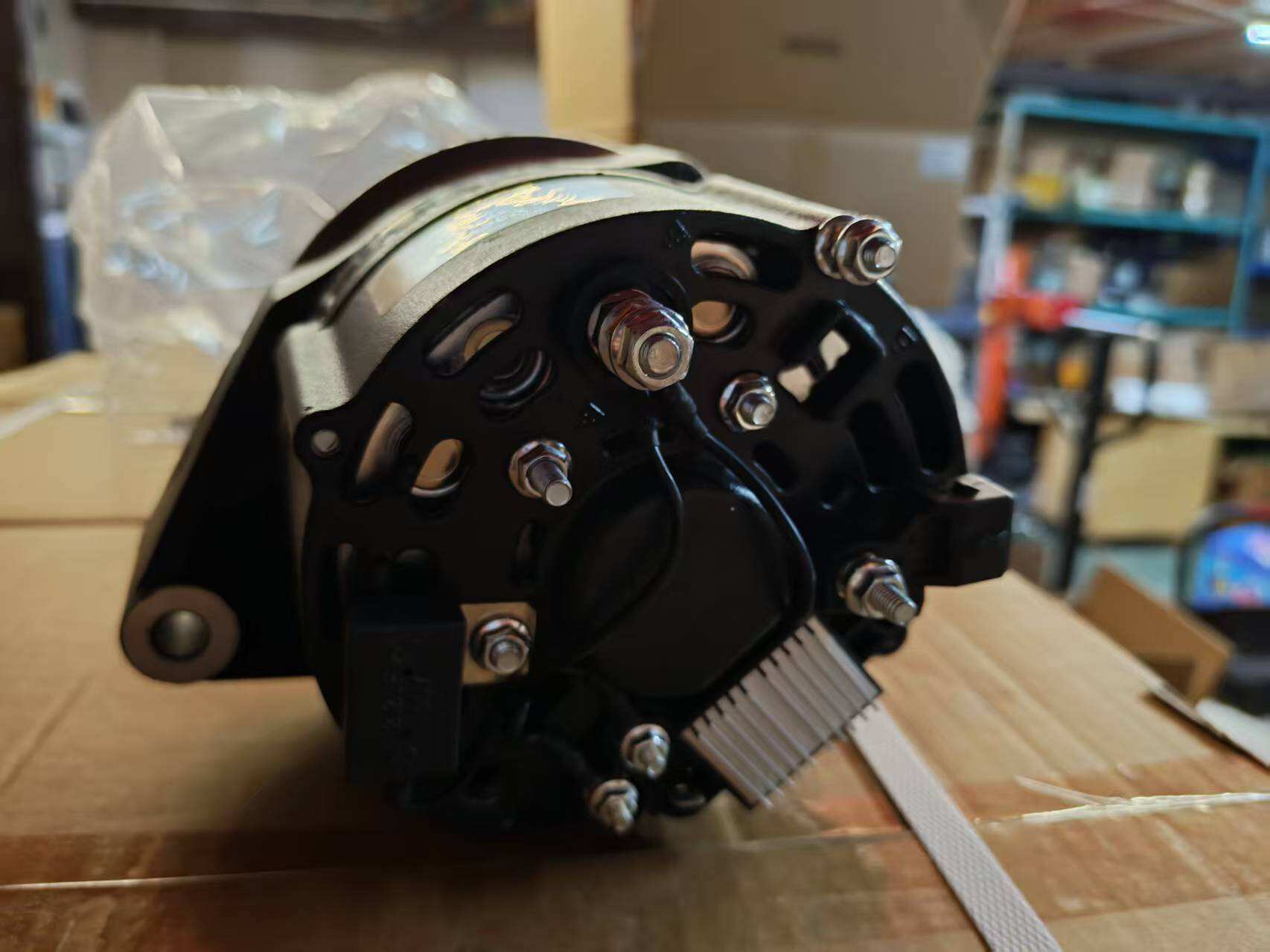
In the world of temperature-controlled logistics, the reliability of refrigerated transport units is not optional — it is the foundation of an entire supply chain. Thermo King reefer parts play a central role in keeping these systems operational, efficient, and compliant with the demanding standards of cold chain transport. Whether you are hauling pharmaceuticals, fresh produce, dairy, or frozen goods, the integrity of your refrigeration unit directly determines whether your cargo arrives in acceptable condition. Understanding why these components matter is the first step toward making smarter maintenance and procurement decisions.
The demand for dependable Thermo King reefer parts has grown significantly as transport operators expand their fleets and take on more complex delivery schedules. A single failing component — whether a compressor, condenser coil, or control board — can lead to cargo loss, regulatory violations, and costly downtime. This article explores why these parts are not simply consumables but rather strategic assets that define the performance and longevity of your entire refrigerated transport system.
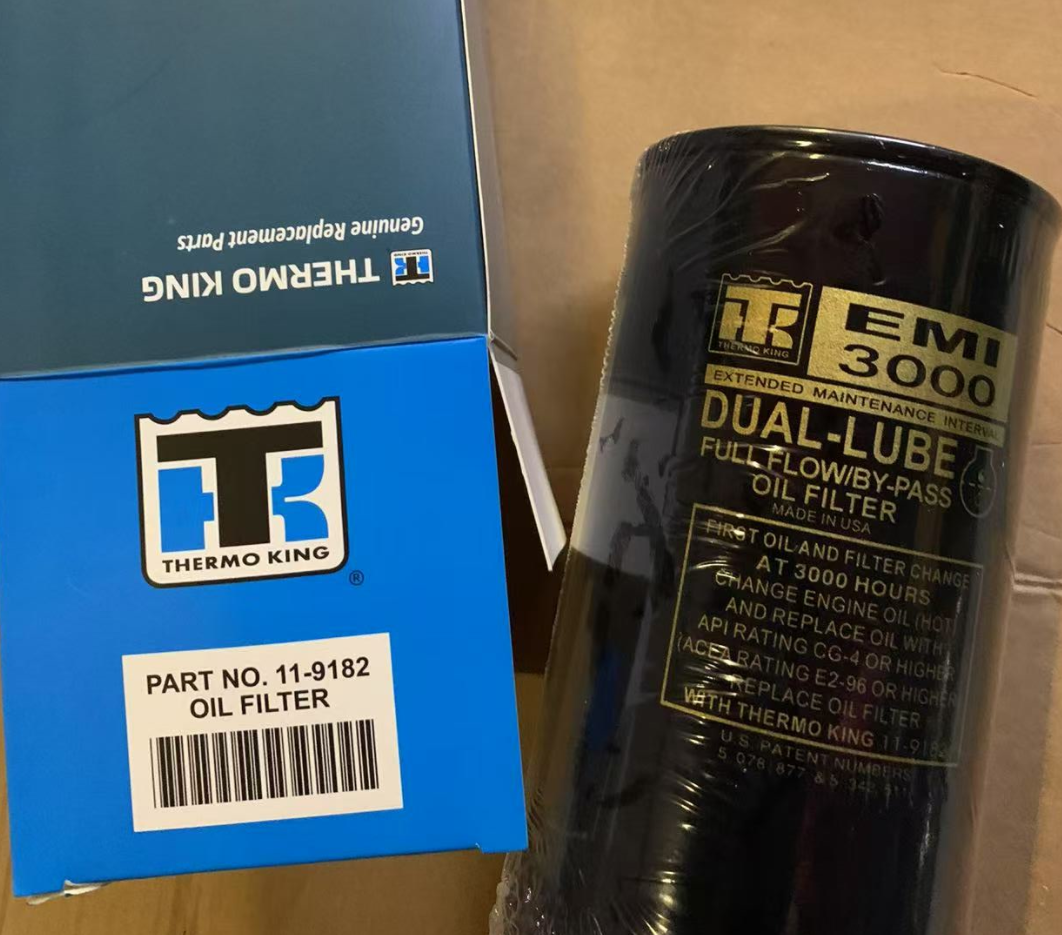
The Structural Role of Reefer Components in Transport Systems
How Refrigeration Units Are Built Around Critical Parts
A transport refrigeration unit is a highly integrated mechanical and electrical system. Every component within it serves a precise function, and the failure of one part creates a cascading effect on the rest of the system. Thermo King reefer parts are engineered to fit and function within specific unit configurations, ensuring that tolerances, pressures, and electrical signals are all within designed parameters. Using mismatched or substandard components disrupts this balance and accelerates wear throughout the entire unit.
The compressor, in particular, represents the mechanical heart of any reefer unit. Components like the variable capacity compressor used in X426 and X430 series units are designed to deliver precise refrigerant flow based on thermal load demands. When operators choose authentic Thermo King reefer parts, they are selecting components that were designed alongside the unit itself — not reverse-engineered approximations. This design coherence translates directly into system stability and predictable performance across all operating conditions.
Beyond the compressor, the system relies on evaporators, condensers, expansion valves, solenoids, and electronic controllers, each calibrated to work in concert. Replacing any of these with incompatible alternatives introduces variables that even experienced technicians cannot always predict or compensate for. The structural integrity of the entire refrigeration system depends on each part performing to its original specification.
Why Part Quality Determines System Longevity
Transport refrigeration units operate in some of the harshest environments imaginable — extreme temperature swings, road vibration, humidity, and continuous cycling over thousands of hours. Under these conditions, part quality is not a luxury consideration; it is a survival requirement. Thermo King reefer parts are manufactured to withstand these stresses, using materials and engineering tolerances suited for commercial transport applications rather than light-duty use.
Low-quality alternatives may appear to function initially, but they tend to degrade much faster under real-world transport conditions. Seals may crack, bearings may wear prematurely, and electrical connections may corrode or fail under vibration. Each of these failures shortens the service interval and increases the total cost of ownership significantly. Investing in quality Thermo King reefer parts from the outset is consistently more economical than repeatedly replacing inferior components.
Fleet operators who track maintenance data consistently report that units maintained with proper, specification-compliant parts require fewer unscheduled service interventions. This translates into higher vehicle uptime, more consistent delivery performance, and a lower average cost per operating hour — all of which are critical metrics in competitive transport markets.
Operational Continuity and the Cost of Component Failure
Downtime Risks in Cold Chain Transport
Cold chain logistics operates under extremely tight temperature and time constraints. A reefer unit that fails mid-route does not simply inconvenience the driver — it potentially destroys an entire load of temperature-sensitive cargo. In industries such as pharmaceuticals, seafood, and fresh produce, cargo losses due to refrigeration failure can run into tens of thousands of dollars per incident. This is why sourcing reliable Thermo King reefer parts is not merely a maintenance decision but a risk management decision.
When a compressor fails unexpectedly, the consequences extend beyond the immediate cargo loss. The operator must arrange emergency repairs, often at premium rates, and may face contractual penalties for late or damaged deliveries. Repeated failures damage customer relationships and can result in lost contracts — consequences that far exceed the cost of proactive parts management. Keeping critical Thermo King reefer parts available for rapid replacement is a standard practice among experienced fleet managers.
Preventive maintenance programs built around genuine parts schedules are among the most effective tools for avoiding unplanned downtime. By replacing wear-prone components before they fail — rather than waiting for a breakdown — operators maintain control over their maintenance costs and service schedules. The compressor, along with belts, filters, and electrical components, should be on every preventive replacement schedule for any fleet running extended route distances.
Economic Impact on Fleet Operations
The financial case for using high-quality Thermo King reefer parts becomes clear when total operating costs are calculated properly. Operators who focus only on purchase price per part often underestimate the true cost of lower-quality substitutes — which includes increased labor from more frequent replacements, secondary damage to adjacent components, and cargo liability exposure. A properly maintained unit with genuine parts typically provides a lower total cost of ownership over its service life.
Fuel efficiency is another dimension where part quality matters. A refrigeration unit running with worn or incompatible components must work harder to maintain setpoint temperatures, consuming more fuel in the process. Over a fleet of vehicles operating year-round, this inefficiency compounds into a substantial cost. Thermo King reefer parts that are properly matched to the unit's design help maintain the original energy efficiency ratings, protecting both operational margins and environmental compliance targets.
Additionally, resale value of refrigerated transport vehicles is strongly influenced by their maintenance history. Vehicles with documented service records showing the use of proper parts command significantly higher resale prices. For fleet operators who rotate their equipment on a regular cycle, this residual value consideration makes the investment in quality Thermo King reefer parts even more financially compelling.
Technical Fit and Compatibility in Reefer Maintenance
Understanding Model-Specific Part Requirements
Reefer units from the Thermo King range span multiple product lines, each designed for different transport applications — from small bus and coach units to large trailer refrigeration systems. Each model has specific part requirements that reflect its design architecture, refrigerant type, electrical configuration, and capacity range. Using Thermo King reefer parts that are correctly matched to the specific unit model eliminates compatibility risks and ensures that all performance specifications are met.
The X426 and X430 series, for example, are widely used in bus and coach applications and require compressor components specifically designed for small-shaft, variable capacity configurations. A Thermo King reefer parts selection for these units must account for shaft dimensions, mounting configurations, voltage ratings, and refrigerant compatibility. Substituting a component designed for a different series can result in immediate installation failures or more insidious long-term degradation that is difficult to diagnose.
Technicians and fleet procurement managers should always verify part numbers against the unit's service documentation before ordering. Modern parts suppliers provide detailed compatibility data to assist with this process, making it straightforward to confirm that the component being ordered matches the specific unit model and production year. This diligence at the procurement stage prevents costly mistakes in the workshop.
The Role of Compressor Parts in System Performance
The compressor is arguably the most critical single component in any refrigeration unit, and it is among the most demanding in terms of precision manufacturing. Variable capacity compressors, such as those used in the X430 and X426 platform, adjust their displacement in response to thermal load — a capability that requires tightly controlled internal tolerances and reliable valve operation. When these internal components wear or fail, the system's ability to respond to load changes is compromised, leading to temperature instability in the refrigerated space.
Genuine Thermo King reefer parts for compressor service include crankshafts, pistons, valve plates, gaskets, and shaft seals — all manufactured to the original design specifications. This level of precision is not easily replicated by generic alternatives, especially for variable capacity units where the interaction between components is particularly sensitive. Operators who understand the engineering behind these systems appreciate why part provenance matters at this level of precision.
Regular compressor inspection and timely replacement of wear components extends the overall service life of the unit considerably. A compressor that is serviced with correct parts at appropriate intervals can provide many additional thousands of operating hours beyond what a neglected or poorly maintained unit would deliver. This kind of service life extension represents direct financial value for the operator.
Strategic Parts Management for Fleet Operators
Building a Proactive Maintenance Culture
The most resilient cold chain operations are built on a culture of proactive maintenance rather than reactive repair. This means establishing clear service intervals, maintaining an inventory of critical Thermo King reefer parts, and training technicians to recognize early warning signs of component wear. Proactive maintenance eliminates the element of surprise — one of the most costly factors in transport fleet operations.
Critical spare parts inventories should be scaled to match the fleet size and operational intensity. Fleets operating in remote areas or on long-haul routes face greater exposure to stranded-vehicle scenarios and should carry a broader range of critical components. Fleets with multiple vehicles running similar models can benefit from parts standardization, which reduces inventory complexity and ensures faster repair turnaround when components need replacement.
Documentation is an essential element of this culture. Each service event should be recorded with part numbers, dates, and technician notes. This data serves multiple purposes: it supports warranty claims, informs future service scheduling, and provides evidence of proper maintenance for insurance and regulatory purposes. Fleets that treat Thermo King reefer parts procurement and installation as a documented process rather than an ad hoc activity consistently outperform those that do not.
Sourcing Parts Through Reliable Supply Channels
The quality of Thermo King reefer parts is only as reliable as the supply channel through which they are obtained. Counterfeit and substandard parts have become an increasingly significant problem in the transport refrigeration market, and they often enter the supply chain through unofficial or unverified sources. Operators must exercise due diligence when selecting parts suppliers, prioritizing those who can provide verifiable part provenance and technical support.
Reliable parts suppliers maintain comprehensive technical databases, offer compatibility verification, and provide access to the full range of components needed for comprehensive unit servicing. They also tend to stock parts consistently, reducing the lead times that can extend repair periods and keep vehicles off the road unnecessarily. For operators managing multiple vehicles, a trusted supply relationship is as valuable as the parts themselves.
The availability of Thermo King reefer parts through established online and physical supply networks has improved dramatically, making it easier for operators to source what they need quickly and with confidence. Operators should evaluate suppliers not only on price but also on their technical expertise, parts authenticity guarantees, and ability to support rapid delivery when urgent repairs require it.
FAQ
What makes Thermo King reefer parts different from generic refrigeration components?
Thermo King reefer parts are engineered specifically for Thermo King unit architectures, meaning they meet the precise dimensional, material, and performance specifications required by each model. Generic components are often manufactured to broader tolerances and may not maintain the same compatibility or durability under the demanding conditions of commercial refrigerated transport. The difference becomes evident in operating efficiency, service life, and the frequency of maintenance interventions required over the unit's lifetime.
How often should critical reefer components like compressors be serviced or replaced?
Service intervals for critical Thermo King reefer parts such as compressors depend on operating hours, ambient conditions, and the specific unit model. Most manufacturers recommend comprehensive compressor inspections at defined hour intervals, with internal component replacement when wear measurements exceed specified limits. Following the unit's official service manual and using genuine parts during each service event is the most reliable way to maximize component service life and avoid unexpected failures.
Can using non-original parts void the warranty on a reefer unit?
Using non-original or incompatible components in place of genuine Thermo King reefer parts can void the unit's warranty, particularly if a failure is directly attributed to the non-genuine component or its interaction with other parts of the system. Warranty terms vary, but most manufacturers require the use of approved parts for warranty coverage to remain valid. Operators should review their specific warranty documentation and consult with authorized service providers when in doubt about part compatibility.
Why is the compressor particularly important among all Thermo King reefer parts?
The compressor is the primary mechanical driver of the refrigeration cycle — without it, the entire system cannot function. Among all Thermo King reefer parts, the compressor experiences the highest mechanical stress and is the most sensitive to part quality and compatibility. Variable capacity compressors, in particular, require precise internal component tolerances to modulate refrigerant flow correctly. A failing or incompatible compressor compromises temperature control, increases energy consumption, and can cause secondary damage to other system components, making it the highest-priority component in any maintenance strategy.
Table of Contents
- The Structural Role of Reefer Components in Transport Systems
- Operational Continuity and the Cost of Component Failure
- Technical Fit and Compatibility in Reefer Maintenance
- Strategic Parts Management for Fleet Operators
-
FAQ
- What makes Thermo King reefer parts different from generic refrigeration components?
- How often should critical reefer components like compressors be serviced or replaced?
- Can using non-original parts void the warranty on a reefer unit?
- Why is the compressor particularly important among all Thermo King reefer parts?