
 EN
EN


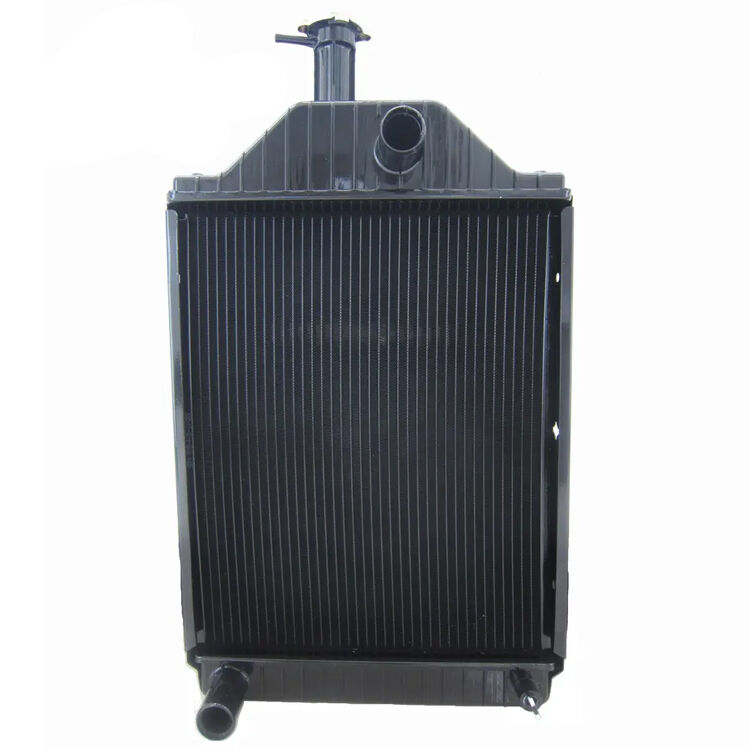
Evaporators are essential components in cooling systems that facilitate the absorption of heat from the surrounding environment through the phase change of refrigerant from liquid to vapor. These devices serve as the critical heat exchange interface where thermal energy is extracted from air, water, or other mediums to achieve the desired cooling effect. Understanding what evaporators are and how they function is fundamental for anyone working with refrigeration systems, air conditioning units, or industrial cooling applications.
The operation of evaporators within cooling systems relies on fundamental thermodynamic principles, specifically the latent heat of vaporization. When refrigerant enters the evaporator at low pressure and temperature, it undergoes a phase transition that enables it to absorb substantial amounts of thermal energy from the surrounding medium. This process forms the foundation of modern refrigeration technology and directly impacts the efficiency and performance of cooling systems across various applications.
Understanding Evaporator Components and Construction
Core Structural Elements of Evaporators
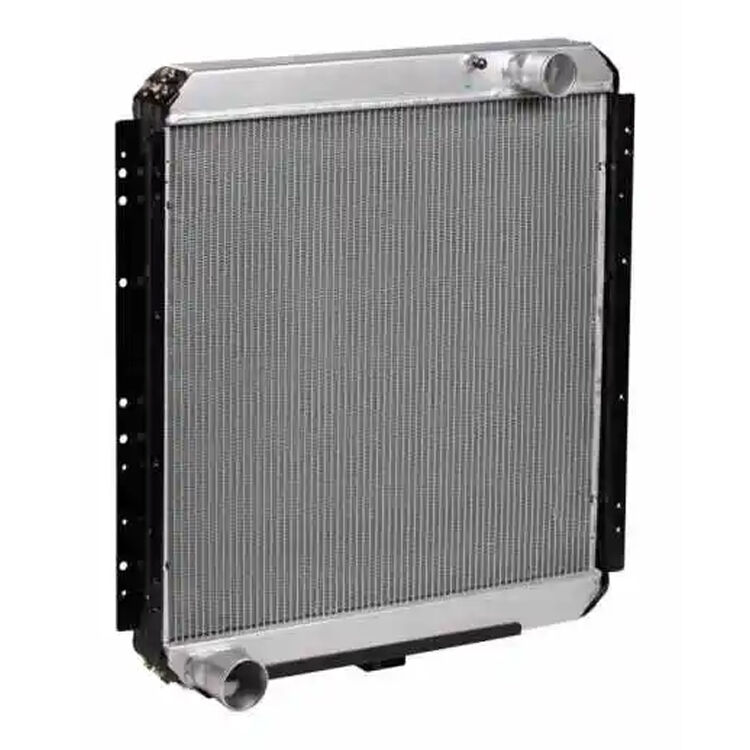
The physical construction of evaporators involves several key components that work together to maximize heat transfer efficiency. The primary element is the heat exchange surface, typically composed of copper or aluminum tubing arranged in coil configurations or fin-and-tube assemblies. These evaporators feature enhanced surface areas through fins, which increase the contact area between the refrigerant and the medium being cooled.
The refrigerant distribution system within evaporators ensures uniform flow throughout the heat exchange surfaces. This distribution network includes inlet headers, capillary tubes, or expansion valve connections that regulate refrigerant flow rates and pressure drops. The design of these distribution systems directly affects the thermal performance and operational characteristics of evaporators in cooling applications.
Modern evaporators incorporate advanced materials and manufacturing techniques to optimize heat transfer coefficients while minimizing pressure losses. The selection of materials for evaporators depends on the specific refrigerant type, operating conditions, and environmental factors that may affect long-term durability and performance.
Heat Exchange Surface Design Principles
The heat exchange surfaces of evaporators are engineered to maximize the contact area between the refrigerant and the cooling medium while maintaining optimal flow characteristics. Fin designs in evaporators can vary from simple plate fins to complex wavy or louvered configurations that enhance heat transfer through improved air mixing and boundary layer disruption.
Surface treatments and coatings applied to evaporators can significantly impact their performance and longevity. These treatments may include hydrophilic coatings that improve condensate drainage, anti-corrosion layers for harsh environments, or specialized finishes that enhance thermal conductivity. The selection of appropriate surface treatments for evaporators requires consideration of operating conditions and maintenance requirements.
The geometric configuration of heat exchange surfaces in evaporators affects both thermal performance and manufacturing costs. Optimized designs balance heat transfer effectiveness with practical considerations such as cleanability, repairability, and manufacturing complexity.
Thermodynamic Principles of Evaporator Operation
Phase Change Processes in Evaporators
The fundamental operation of evaporators relies on the phase change of refrigerant from liquid to vapor, which occurs at constant temperature under steady-state conditions. This phase transition enables evaporators to absorb large quantities of thermal energy from the surrounding medium without significant temperature rise of the refrigerant itself. The latent heat of vaporization provides the driving force for heat absorption in cooling systems.
During the evaporation process, refrigerant enters evaporators as a low-pressure, low-temperature liquid mixture and progressively vaporizes as it flows through the heat exchange surfaces. The quality of the refrigerant mixture changes from predominantly liquid at the inlet to superheated vapor at the outlet, with the transition occurring along the length of the evaporator coils.
The pressure-temperature relationship within evaporators determines the saturation conditions and affects the overall thermal performance of the cooling system. Lower evaporator pressures result in lower evaporation temperatures, which can increase the temperature difference between the refrigerant and the cooling medium, potentially improving heat transfer rates.
Heat Transfer Mechanisms and Efficiency Factors
Heat transfer in evaporators occurs through multiple mechanisms, including conduction through the heat exchange surfaces, convection between the refrigerant and tube walls, and convection between the external surfaces and the cooling medium. The overall heat transfer coefficient of evaporators depends on the combined resistance of these individual heat transfer processes.
The effectiveness of evaporators is influenced by factors such as refrigerant flow patterns, surface area distribution, and temperature differentials between the refrigerant and cooling medium. Proper sizing and selection of evaporators requires careful analysis of these factors to achieve optimal cooling performance while maintaining acceptable pressure drops and energy consumption.
Flow regimes within evaporators can vary from bubble flow near the inlet to annular or mist flow near the outlet, depending on the refrigerant properties and operating conditions. Each flow regime exhibits different heat transfer characteristics, and evaporators must be designed to accommodate these variations while maintaining stable operation.
Types and Applications of Evaporators in Cooling Systems
Direct Expansion Evaporators
Direct expansion evaporators represent one of the most common configurations in cooling systems, where refrigerant flows directly through the evaporator coils and undergoes phase change in direct contact with the heat exchange surfaces. These evaporators provide efficient heat transfer and relatively simple control systems, making them suitable for a wide range of applications from residential air conditioning to commercial refrigeration.
The design of direct expansion evaporators requires careful attention to refrigerant distribution and superheat control to ensure complete vaporization while avoiding liquid refrigerant carryover to the compressor. Expansion devices such as thermostatic expansion valves or electronic expansion valves regulate refrigerant flow into these evaporators based on operating conditions and cooling demand.
Performance optimization of direct expansion evaporators involves balancing factors such as evaporator size, refrigerant charge, and superheat settings to achieve maximum cooling capacity while maintaining system efficiency. These evaporators can be configured for various orientations and airflow patterns depending on the specific cooling application requirements.
Flooded and Recirculating Evaporator Systems
Flooded evaporators maintain a constant liquid refrigerant level within the heat exchange surfaces, allowing for improved heat transfer coefficients through enhanced wetting of internal surfaces. These systems typically incorporate liquid-vapor separation devices and refrigerant pumping mechanisms to maintain proper liquid levels and circulation rates.
Recirculating evaporator systems use pumps to circulate liquid refrigerant through the evaporator at rates higher than the actual evaporation rate, ensuring complete surface wetting and improved heat transfer performance. These evaporators are commonly used in industrial refrigeration applications where high cooling capacities and precise temperature control are required.
The control systems for flooded and recirculating evaporators are more complex than direct expansion types, requiring level controls, pump controls, and safety systems to prevent refrigerant flooding or starvation conditions. Proper design and operation of these evaporator systems can provide superior performance in demanding cooling applications.
Installation and Integration Considerations for Evaporators
System Design and Sizing Requirements
Proper sizing of evaporators requires comprehensive analysis of cooling loads, operating conditions, and system constraints to ensure adequate capacity while avoiding oversizing that can lead to poor humidity control and cycling losses. The selection process for evaporators must consider factors such as ambient conditions, desired space temperatures, and load variations throughout the operating cycle.
Integration of evaporators into cooling systems requires careful attention to refrigerant piping design, including proper sizing of suction lines, oil return provisions, and defrost systems where applicable. The physical placement and orientation of evaporators affect both thermal performance and maintenance accessibility, requiring consideration during the design phase.
Airflow management around evaporators is critical for achieving rated performance and avoiding issues such as short cycling of air, uneven cooling, or excessive noise levels. Proper ductwork design and fan selection ensure adequate air circulation across evaporator surfaces while maintaining acceptable pressure drops and energy consumption.
Control Systems and Operational Parameters
Modern evaporators incorporate sophisticated control systems that monitor and adjust operational parameters to optimize performance and energy efficiency. These control systems may include temperature sensors, pressure transducers, and electronic expansion valves that respond to changing load conditions and maintain stable operation.
Defrost systems for evaporators operating in low-temperature applications require careful design to remove ice buildup while minimizing energy consumption and temperature excursions. Various defrost methods, including hot gas defrost, electric defrost, or ambient air defrost, can be implemented depending on the specific application requirements.
Safety systems for evaporators include pressure relief devices, temperature limits, and monitoring systems that protect against abnormal operating conditions. These safety measures ensure reliable operation and prevent damage to evaporators and associated system components under fault conditions.
Maintenance and Performance Optimization of Evaporators
Preventive Maintenance Procedures
Regular maintenance of evaporators is essential for maintaining optimal performance and extending equipment life. Cleaning procedures for evaporators typically involve removal of dirt, debris, and biological growth from heat exchange surfaces using appropriate cleaning agents and techniques that do not damage fin surfaces or coatings.
Inspection of evaporators should include checks for refrigerant leaks, corrosion, mechanical damage, and proper drainage of condensate. These inspections help identify potential issues before they lead to system failures or performance degradation. Documentation of inspection findings and maintenance activities provides valuable data for tracking evaporator performance trends over time.
Refrigerant system maintenance for evaporators includes verification of proper refrigerant charge levels, superheat settings, and system pressures. Improper refrigerant charge can significantly impact evaporator performance and may indicate leaks or other system problems that require attention.
Performance Monitoring and Troubleshooting
Performance monitoring of evaporators involves tracking key parameters such as suction pressure, superheat, cooling capacity, and energy consumption to identify trends that may indicate developing problems. Modern monitoring systems can provide real-time data and alerts when evaporator performance deviates from expected values.
Common problems with evaporators include reduced heat transfer due to fouling, refrigerant distribution issues, and control system malfunctions. Systematic troubleshooting procedures help identify root causes and guide appropriate corrective actions to restore proper operation.
Energy efficiency optimization of evaporators can be achieved through various measures, including improved control strategies, surface enhancement technologies, and integration with variable-speed drives for fans and pumps. These optimization techniques can significantly reduce operating costs while maintaining or improving cooling performance.
FAQ
What is the primary function of evaporators in cooling systems?
The primary function of evaporators in cooling systems is to absorb heat from the surrounding environment through the evaporation of refrigerant. As refrigerant changes from liquid to vapor inside the evaporator, it absorbs thermal energy from air, water, or other mediums, creating the cooling effect required by the system. This process forms the foundation of refrigeration and air conditioning technology.
How do evaporators differ from condensers in cooling systems?
Evaporators and condensers serve opposite functions in cooling systems. While evaporators absorb heat by vaporizing refrigerant at low pressure and temperature, condensers reject heat by condensing refrigerant vapor back to liquid at high pressure and temperature. Evaporators operate on the low-pressure side of the refrigeration cycle, whereas condensers operate on the high-pressure side, with the compressor separating these two components.
What factors affect the efficiency of evaporators?
Several factors affect evaporator efficiency, including heat exchange surface area, temperature difference between refrigerant and cooling medium, airflow rates, surface cleanliness, and refrigerant distribution uniformity. Proper sizing, regular maintenance, and optimal operating conditions are essential for maintaining high efficiency. Factors such as frost buildup, fouling, and improper refrigerant charge can significantly reduce evaporator performance.
How often should evaporators be cleaned and maintained?
The maintenance frequency for evaporators depends on operating conditions, environmental factors, and usage patterns. Generally, evaporators should be inspected monthly and cleaned quarterly in normal conditions, with more frequent maintenance required in dusty or corrosive environments. Regular cleaning of heat exchange surfaces, checking refrigerant levels, and ensuring proper drainage are essential maintenance tasks that help maintain optimal performance and prevent premature failure.