
 EN
EN



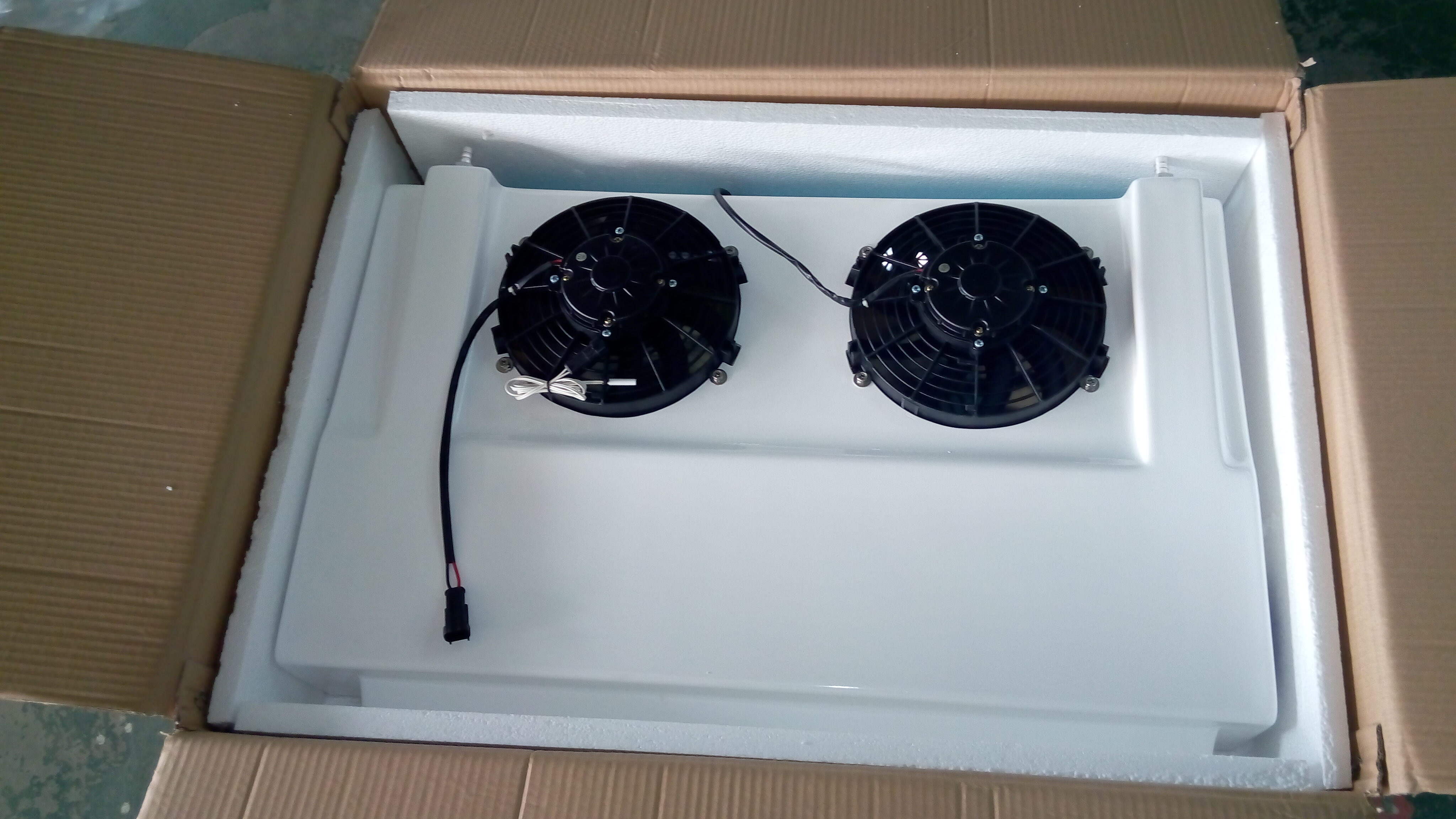
A roof air conditioner represents a strategic cooling solution that fundamentally transforms how vehicles maintain comfortable interior temperatures, particularly in commercial and industrial applications. Unlike traditional dashboard-mounted systems, a roof air conditioner leverages gravity-assisted airflow and elevated positioning to deliver superior cooling distribution throughout the vehicle cabin. This positioning advantage allows the roof air conditioner to work with natural air circulation patterns, creating more efficient temperature control that reaches every corner of the passenger compartment.
The cooling performance enhancement achieved through roof-mounted systems stems from several engineering principles that address common challenges faced by conventional vehicle air conditioning. When properly integrated, a roof air conditioner can reduce interior temperatures more rapidly, maintain consistent cooling across larger vehicle spaces, and operate with improved energy efficiency compared to standard automotive cooling systems. Understanding these performance improvements helps fleet operators, vehicle manufacturers, and transportation professionals make informed decisions about cooling system upgrades that directly impact passenger comfort and operational efficiency.
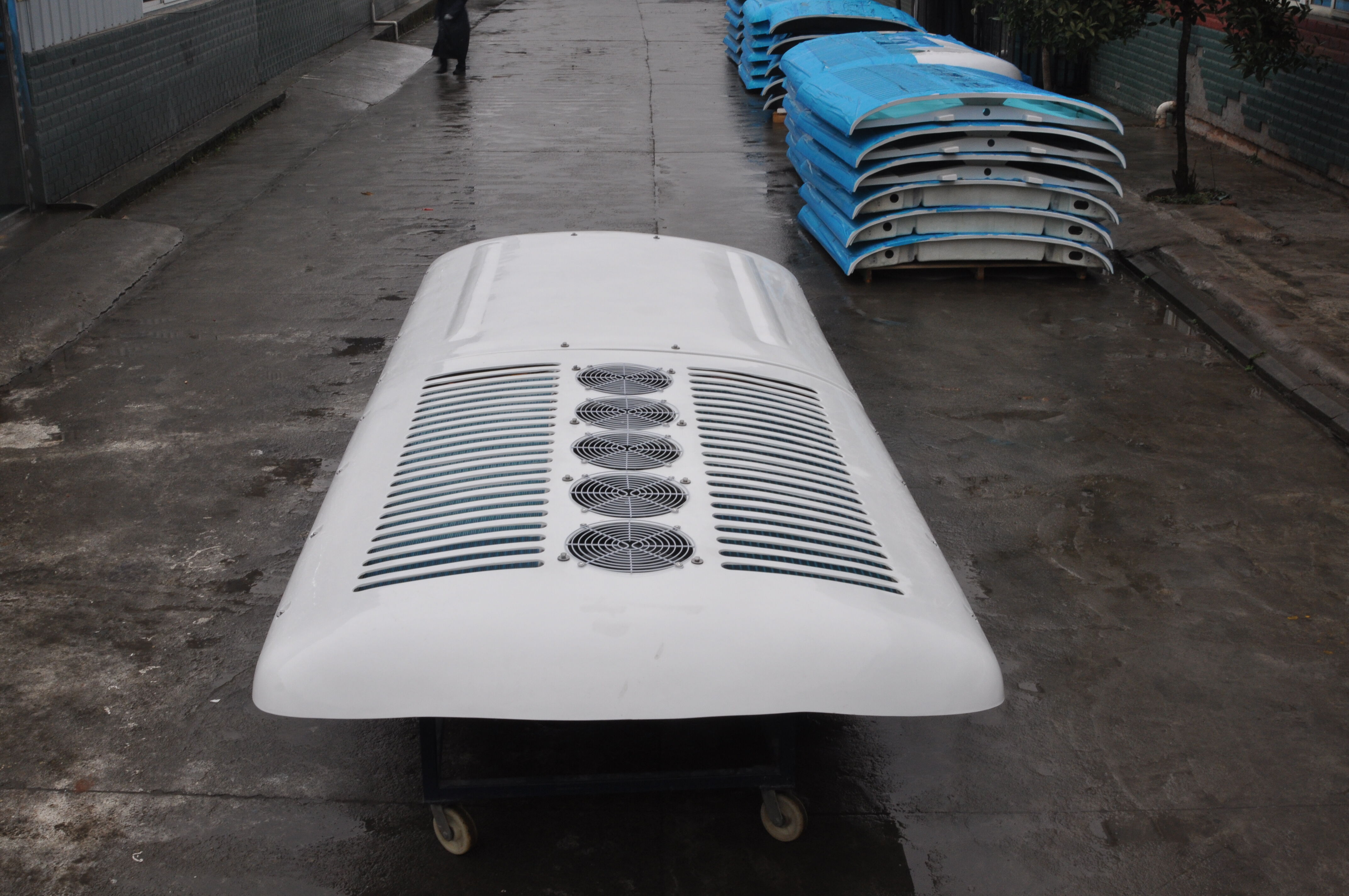
Enhanced Heat Distribution and Airflow Dynamics
Gravity-Assisted Cooling Circulation
The elevated position of a roof air conditioner creates natural advantages in heat distribution that conventional systems cannot match. Cold air naturally falls due to its higher density, allowing the roof air conditioner to push cooled air downward through the entire vehicle interior without fighting against natural air movement patterns. This gravity-assisted circulation means the system works with physics rather than against it, resulting in more effective temperature control with less energy expenditure.
Traditional dashboard or side-mounted air conditioning units must force cooled air horizontally and upward to reach all areas of the vehicle cabin. This approach requires more powerful fans and higher energy consumption to overcome natural air circulation patterns. A roof air conditioner eliminates this inefficiency by positioning the cooling source at the highest point, allowing natural convection to assist rather than hinder the cooling process.
The result is more uniform temperature distribution throughout the vehicle interior, with fewer hot spots and cold zones that can create passenger discomfort. Fleet operators report that vehicles equipped with roof air conditioner systems achieve target temperatures up to thirty percent faster than conventional systems, particularly in larger passenger compartments where air circulation challenges are most pronounced.
Optimized Air Movement Patterns
A roof air conditioner creates superior air movement patterns by establishing clear circulation paths from ceiling to floor. The system draws warm air from the passenger level upward while simultaneously pushing cooled air downward, creating a continuous circulation loop that maintains consistent temperatures. This circulation pattern prevents the stratification of air temperatures that commonly occurs with side-mounted cooling systems.
The positioning also allows the roof air conditioner to access the natural thermal chimney effect present in most vehicle cabins. Hot air rises toward the roof where it encounters the cooling system intake, while cooled air descends to replace it at passenger level. This natural circulation enhancement reduces the workload on system fans and compressors, improving overall cooling efficiency.
Superior Heat Removal Capabilities
Increased Cooling Capacity Through Strategic Positioning
The roof mounting position provides a roof air conditioner with access to the highest concentration of hot air within the vehicle cabin. Since heat naturally rises, positioning the cooling system intake at roof level ensures maximum exposure to the warmest air, allowing for more efficient heat extraction. This strategic placement results in faster cooling times and reduced energy consumption compared to systems that must work harder to access hot air pockets.
Vehicle testing demonstrates that a roof air conditioner can remove heat approximately twenty-five percent more efficiently than dashboard-mounted systems of similar capacity. This improvement stems from the system's ability to target the source of thermal buildup rather than attempting to cool air that has already settled at lower levels within the cabin.
The enhanced heat removal capability becomes particularly important in commercial vehicles with high passenger loads or significant heat-generating equipment. In these applications, a roof air conditioner provides the thermal management capacity needed to maintain comfortable conditions despite challenging heat loads that would overwhelm conventional cooling systems.
Reduced Thermal Load Through Improved Heat Exchange
A roof air conditioner benefits from improved heat exchange conditions due to its elevated position and access to external airflow. The roof location typically experiences better air movement for condenser cooling, especially when the vehicle is in motion. This enhanced external heat rejection capability allows the system to operate more efficiently and maintain better cooling performance even under demanding conditions.
The separation of the cooling system from passenger-generated heat sources also reduces thermal interference. Unlike dashboard-mounted units that must contend with heat from instrumentation, engine compartment proximity, and direct solar exposure through windshields, a roof air conditioner operates in a more thermally isolated environment that supports consistent performance.
Energy Efficiency and Performance Optimization
Reduced Power Consumption Through Natural Circulation
The energy efficiency advantages of a roof air conditioner stem from its ability to work with natural air circulation patterns rather than against them. By leveraging gravity-assisted airflow, the system requires less fan power to achieve equivalent air distribution compared to conventional mounting positions. This reduction in fan energy consumption can decrease overall system power requirements by fifteen to twenty percent in typical applications.
The improved efficiency also results from reduced cycling frequency. A roof air conditioner can maintain target temperatures with longer run cycles at lower power levels, rather than the frequent on-off cycling required by less efficient systems. This operational pattern reduces wear on system components while maintaining more consistent cabin temperatures and lower energy consumption.
Fleet operators implementing roof air conditioner systems report measurable improvements in fuel efficiency due to reduced electrical load on vehicle alternators. In electric vehicles, the efficiency gains translate directly to extended range capabilities, making roof-mounted cooling systems particularly attractive for battery-powered commercial applications.
Enhanced System Longevity and Reliability
The positioning advantages of a roof air conditioner extend beyond immediate cooling performance to include improved system reliability and longevity. The elevated mounting location protects system components from road debris, moisture, and physical damage that can affect lower-mounted units. This protection reduces maintenance requirements and extends service intervals, contributing to lower total ownership costs.
The reduced workload required to achieve target cooling performance also decreases wear on compressor and fan motor components. When a roof air conditioner operates more efficiently, it experiences less thermal stress and mechanical strain, resulting in longer component life and fewer system failures. Maintenance records show that roof-mounted systems typically require service interventions twenty to thirty percent less frequently than comparable dashboard-mounted units.
Application-Specific Performance Benefits
Commercial Vehicle Cooling Advantages
In commercial vehicle applications, a roof air conditioner provides cooling performance benefits that directly impact operational effectiveness and passenger satisfaction. The system's ability to handle high heat loads makes it particularly suitable for buses, coaches, and other passenger transport vehicles where conventional systems may struggle to maintain comfortable conditions with full passenger loads.
The uniform cooling distribution achieved by roof air conditioner systems eliminates the comfort variations that can occur with side-mounted units. Passengers seated throughout the vehicle experience consistent temperatures, reducing complaints and improving overall service quality. This performance consistency becomes especially important during peak operating periods when vehicles operate at maximum capacity for extended periods.
Commercial operators also benefit from the reduced maintenance requirements and improved reliability associated with roof air conditioner systems. The decreased service frequency and longer component life contribute to improved vehicle availability and reduced operating costs, making roof-mounted cooling systems attractive from both performance and economic perspectives.
Specialized Vehicle Integration Benefits
Specialized vehicles such as mobile offices, recreational vehicles, and emergency response units gain particular advantages from roof air conditioner installations. These applications often require cooling performance that exceeds typical automotive standards while maintaining system reliability under demanding operating conditions. The enhanced cooling capacity and efficiency of roof-mounted systems support extended operation periods without compromising interior comfort.
The space-saving benefits of roof air conditioner systems also prove valuable in specialized applications where interior space optimization is critical. By moving the cooling system to the roof, vehicle designers can maximize usable interior space while maintaining superior cooling performance. This design flexibility supports more effective vehicle layouts and improved functionality for specialized applications.
FAQ
How much cooling improvement can be expected from upgrading to a roof air conditioner?
Vehicles upgrading to roof air conditioner systems typically experience cooling performance improvements of twenty-five to thirty percent compared to conventional dashboard-mounted units. The exact improvement depends on vehicle size, passenger load, and operating conditions, but most operators report faster cool-down times and more consistent temperature maintenance throughout the vehicle interior.
What maintenance considerations apply to roof-mounted air conditioning systems?
Roof air conditioner systems generally require less frequent maintenance than dashboard-mounted units due to reduced exposure to road debris and moisture. However, periodic inspection of roof seals and drainage systems becomes important to prevent water intrusion. Most systems benefit from annual professional service to maintain optimal performance and prevent minor issues from developing into major problems.
Are roof air conditioners suitable for all vehicle types and sizes?
While roof air conditioner systems provide benefits across various vehicle applications, they are most effective in larger vehicles with sufficient roof space and structural support for proper installation. Commercial buses, coaches, recreational vehicles, and specialized transport vehicles typically see the greatest performance improvements. Smaller passenger vehicles may not provide sufficient installation space or heat load requirements to justify roof-mounted cooling systems.
How does roof air conditioner installation affect vehicle aerodynamics and fuel efficiency?
Modern roof air conditioner units are designed with low-profile configurations that minimize aerodynamic impact when properly installed. While any roof-mounted equipment creates some aerodynamic drag, the energy efficiency gains from improved cooling performance typically offset this impact. Many operators report net fuel efficiency improvements due to reduced electrical load and more efficient system operation, particularly in stop-and-go commercial applications.
Table of Contents
- Enhanced Heat Distribution and Airflow Dynamics
- Superior Heat Removal Capabilities
- Energy Efficiency and Performance Optimization
- Application-Specific Performance Benefits
-
FAQ
- How much cooling improvement can be expected from upgrading to a roof air conditioner?
- What maintenance considerations apply to roof-mounted air conditioning systems?
- Are roof air conditioners suitable for all vehicle types and sizes?
- How does roof air conditioner installation affect vehicle aerodynamics and fuel efficiency?