
 EN
EN



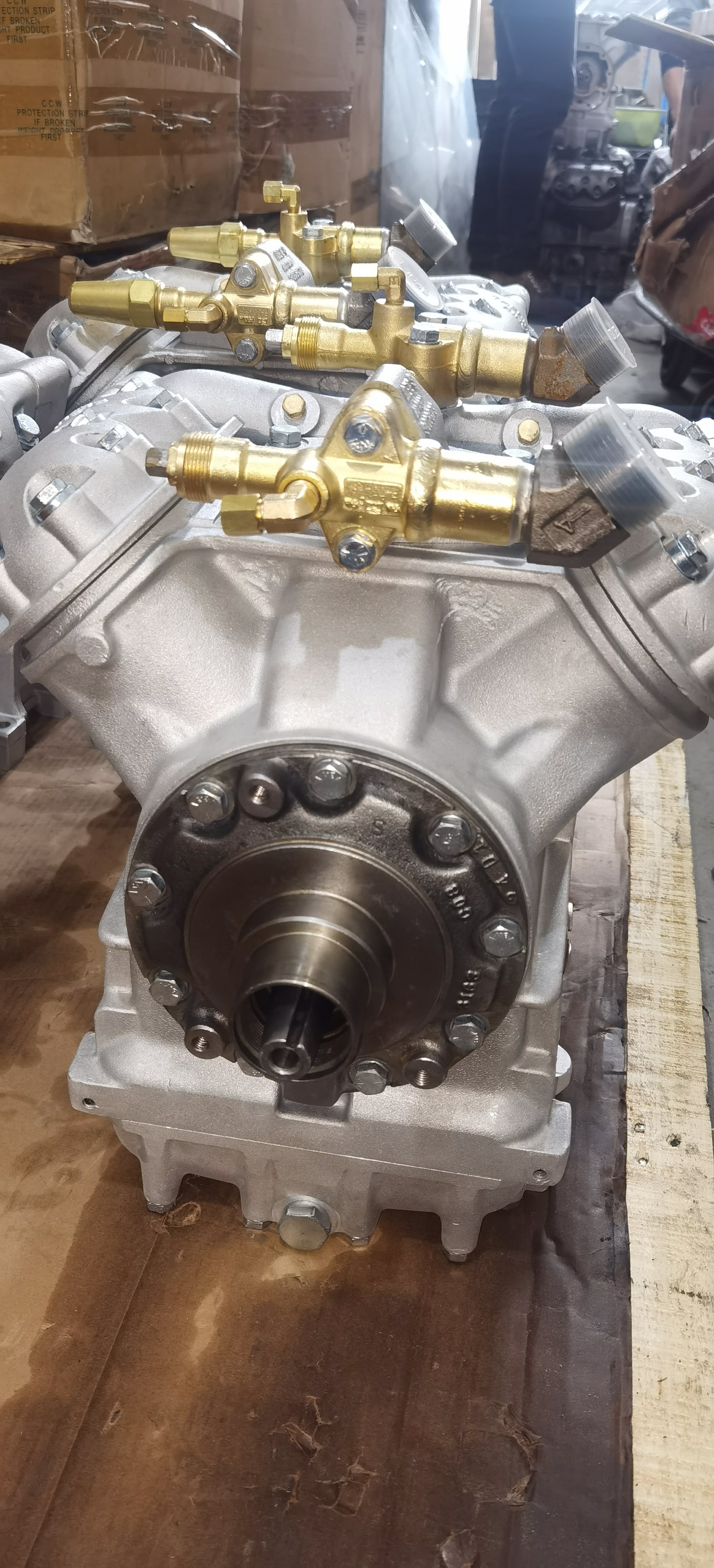
When it comes to maintaining peak performance in commercial refrigeration systems, the choice of components matters enormously. Carrier parts have become a trusted standard across industries that depend on precise temperature control, durable hardware, and consistent operational reliability. From refrigerated transport vehicles to large-scale cold storage facilities, the demand for quality-engineered components has never been higher, and understanding why Carrier parts dominate this space is essential for anyone involved in procurement, maintenance, or fleet management.
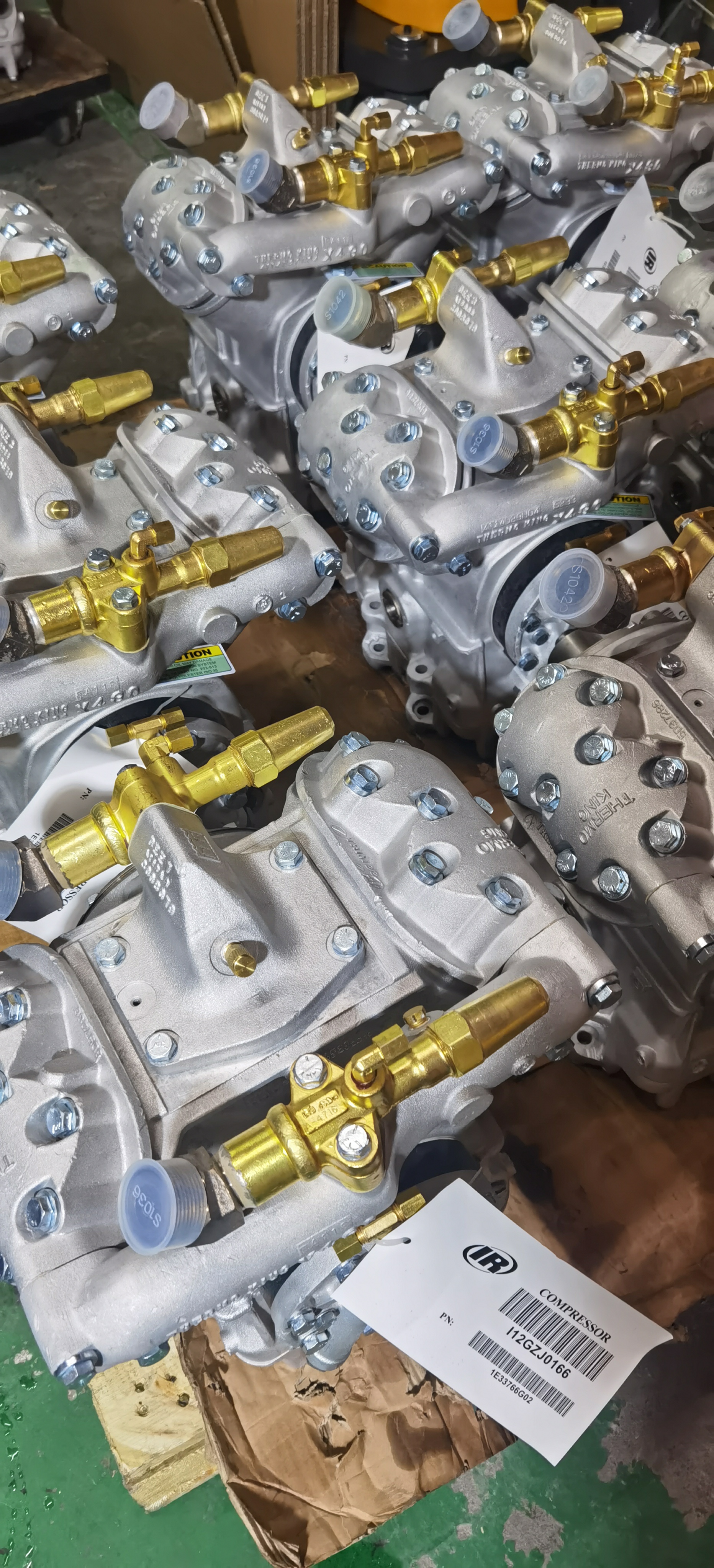
The adoption of Carrier parts in commercial refrigeration is not accidental. It reflects a deliberate engineering philosophy rooted in precision tolerances, material integrity, and system compatibility. Businesses that rely on cold chain logistics, food distribution, pharmaceutical transport, and industrial cooling understand that every component in a refrigeration circuit plays a critical role. Choosing original factory Carrier parts reduces downtime risk, extends equipment lifespan, and ensures that every system operates within its designed parameters — outcomes that directly affect profitability and compliance in temperature-sensitive operations.
The Engineering Foundation Behind Carrier Parts
Precision Manufacturing and System Compatibility
One of the primary reasons Carrier parts are widely used in commercial refrigeration systems is their precision engineering. Each component is designed and manufactured to exact specifications that align with the broader refrigeration unit's design intent. This means that when a technician installs a Carrier part — whether it is an expansion valve, compressor component, or control module — it integrates seamlessly without requiring adjustments or modifications.
System compatibility is a critical factor in commercial refrigeration, where mismatched parts can cause pressure imbalances, refrigerant flow irregularities, and premature mechanical wear. Carrier parts are engineered to avoid these issues by adhering to strict dimensional tolerances and material standards. This level of consistency gives fleet operators and facility managers the confidence that every replacement part will perform exactly as the original.
The value of precision becomes especially apparent in components like expansion valves, which regulate refrigerant flow rates with extreme accuracy. A valve that deviates even slightly from specification can compromise the entire refrigeration cycle, leading to temperature fluctuations that may damage cargo or trigger compliance violations. Carrier parts address this vulnerability directly through rigorous quality control at the manufacturing stage.
Material Quality and Durability Standards
Commercial refrigeration equipment operates in demanding environments — extreme cold, vibration from transport, humidity, and continuous cycling. The materials used in Carrier parts are selected specifically to withstand these conditions over extended service periods. This includes corrosion-resistant alloys, high-grade polymers, and thermally stable compounds that maintain their physical properties even under thermal stress.
Durability is not just about longevity — it also directly impacts total cost of ownership. A component that lasts longer between replacements reduces the frequency of maintenance interventions, lowers labor costs, and minimizes the risk of unexpected failures during critical operations. Carrier parts are engineered with this lifecycle perspective in mind, making them a sound investment for businesses that operate refrigeration equipment at high utilization rates.
In refrigerated vehicle accessories and transport refrigeration units, the mechanical stresses are particularly severe. Road vibration, thermal cycling between ambient and operating temperatures, and exposure to moisture all accelerate component degradation. Carrier parts designed for these applications incorporate reinforced construction and sealing technologies that extend service intervals and reduce the likelihood of in-field failures.
Operational Reliability in Temperature-Sensitive Applications
Cold Chain Integrity and Compliance Requirements
Industries such as food and beverage distribution, pharmaceutical logistics, and fresh produce transport operate under strict temperature compliance requirements. Regulatory frameworks in many markets mandate that cold chain integrity be maintained from origin to destination, with documented temperature records. A single component failure that allows temperature excursion can result in cargo loss, regulatory penalties, and reputational damage.
This is why Carrier parts are specifically favored in these high-stakes environments. Because they are original factory components designed for specific refrigeration systems, they eliminate the variability and uncertainty associated with aftermarket alternatives. When a Carrier expansion valve or related component is replaced with a genuine Carrier part, operators can rely on the system returning to its validated performance state without recalibration or guesswork.
Compliance-focused businesses also benefit from the traceability that comes with original Carrier parts. Factory components typically carry part numbers, production batch information, and certification documentation that support quality management systems and audit requirements. This level of documentation is difficult to replicate with non-original components and adds significant value in regulated industries.
Minimizing Downtime in Commercial Operations
Unplanned downtime in commercial refrigeration is extremely costly. A refrigerated vehicle that cannot operate represents lost revenue, spoiled cargo, and potential contract penalties. Facilities that experience refrigeration failure must deal with product loss, emergency repair costs, and potential shutdown of operations. The reliability of Carrier parts plays a direct role in preventing these scenarios.
Because Carrier parts are manufactured to OEM specifications, they offer predictable performance and failure patterns that maintenance teams can plan around. Scheduled preventive maintenance using Carrier parts is more effective than reactive repair with uncertain-quality components. Technicians who work with Carrier parts regularly report fewer callbacks, more predictable repair outcomes, and higher customer satisfaction as a result.
The availability of specific Carrier parts — including refrigerated vehicle accessories and original factory components — through reliable supply channels also reduces the time between failure identification and system restoration. This supply chain reliability is itself a reason why many service organizations standardize on Carrier parts as their preferred replacement components.
Why Original Factory Carrier Parts Outperform Generic Alternatives
The Risk Profile of Non-OEM Components
The commercial refrigeration market is filled with aftermarket and generic components that claim compatibility with major refrigeration systems. While the upfront cost of these alternatives may appear attractive, the risk profile associated with non-OEM parts is significantly higher than most operators realize. Generic Carrier parts substitutes may not meet the same dimensional tolerances, material specifications, or performance standards as original factory components.
When a non-OEM component fails prematurely or performs below specification, the downstream consequences can be severe. Refrigerant leaks, compressor damage, and control system malfunctions are all potential outcomes of installing substandard components. The cost of these secondary failures often far exceeds the savings achieved by choosing cheaper parts in the first place — a calculation that experienced fleet managers and facility operators understand well.
Carrier parts, being original factory components, carry the implicit warranty of having been validated within the system for which they were designed. This validation history is absent from generic alternatives and represents a meaningful risk reduction for operators who cannot afford system failures during critical periods.
Warranty Preservation and Technical Support
Many commercial refrigeration systems are sold with manufacturer warranties that are contingent on the use of original factory components for repairs and maintenance. Installing non-OEM parts in lieu of Carrier parts can void these warranties, leaving operators exposed to the full cost of future repairs. This warranty consideration alone is a compelling reason why businesses prioritize original Carrier parts when performing maintenance.
Beyond warranty preservation, the use of genuine Carrier parts also ensures access to manufacturer technical support. When a system issue arises, the ability to engage with technical resources who understand the specific components installed in the system is invaluable. Generic components complicate this support relationship, as technicians may be unable to diagnose or resolve issues that stem from non-OEM part behavior.
For organizations that manage large fleets of refrigerated vehicles or multiple cold storage facilities, the cumulative value of warranty protection and technical support access represents a substantial financial benefit that reinforces the decision to standardize on Carrier parts throughout the equipment lifecycle.
Application Scenarios Where Carrier Parts Deliver Maximum Value
Refrigerated Transport and Vehicle Accessories
Refrigerated transport is one of the most demanding applications for commercial refrigeration components. Vehicles operate continuously across varying climatic conditions, road surfaces, and load profiles. The refrigeration systems installed on these vehicles must maintain precise temperature ranges regardless of external conditions, making component reliability absolutely critical. Carrier parts designed for refrigerated vehicle applications are engineered to meet this challenge.
Specific Carrier parts such as expansion valves — including components like the 14-00445-01 — are precision-calibrated to regulate refrigerant flow in transport refrigeration units. These components must function correctly across a wide range of operating pressures and temperatures, and their performance directly determines the unit's ability to maintain setpoint temperatures during transit. Original factory Carrier parts for refrigerated vehicles provide the performance consistency that transport operators need to protect their cargo and reputation.
The ecosystem of refrigerated vehicle accessories that falls under the Carrier parts category also includes sensors, solenoid valves, and electronic control components. Each of these elements contributes to the overall intelligence and responsiveness of the refrigeration system, and each benefits from the same engineering standards that define original factory Carrier parts.
Commercial Cold Storage and Food Service Facilities
Fixed commercial refrigeration installations — including walk-in coolers, blast freezers, and supermarket refrigeration systems — also rely heavily on Carrier parts to maintain operational continuity. These facilities typically operate around the clock, and any interruption to cooling performance can result in significant product loss and customer disruption.
In food service environments, the stakes are particularly high. Health and safety regulations require that food storage temperatures be maintained within specific ranges at all times. Facilities that experience temperature excursions due to component failure may face inspection failures, mandatory disposal of affected inventory, and potential license suspensions. Installing and maintaining Carrier parts as original factory components is one of the most effective ways to mitigate this risk.
Carrier parts also support the energy efficiency goals of commercial cold storage operators. Original factory components are optimized to work within the system's designed efficiency parameters, ensuring that the refrigeration unit consumes only the energy necessary to maintain setpoint. Generic alternatives, by contrast, may introduce inefficiencies that drive up energy consumption and operating costs over time.
FAQ
What makes Carrier parts different from generic refrigeration components?
Carrier parts are original factory components manufactured to precise specifications that match the systems they are designed for. Unlike generic alternatives, Carrier parts undergo validation testing within specific refrigeration platforms, ensuring dimensional compatibility, material integrity, and performance consistency. This reduces the risk of installation issues, system inefficiencies, and premature failures that are more commonly associated with non-OEM components.
Are Carrier parts suitable for refrigerated transport vehicles?
Yes, Carrier parts include a comprehensive range of components specifically engineered for refrigerated vehicle applications. These include expansion valves, sensors, control modules, and other refrigerated vehicle accessories designed to withstand the vibration, thermal cycling, and continuous operation demands of transport refrigeration. Using original factory Carrier parts in these applications ensures reliable temperature control and reduces the risk of cargo loss due to system failure.
How do Carrier parts support cold chain compliance requirements?
Carrier parts support cold chain compliance by ensuring that refrigeration systems perform within their validated temperature control parameters. Because they are original factory components, they restore systems to their designed performance state without requiring recalibration. They also typically include part number and batch traceability documentation that supports quality management systems and regulatory audit requirements in food, pharmaceutical, and other regulated industries.
Where can I source genuine Carrier parts for refrigeration equipment?
Genuine Carrier parts for refrigeration equipment, including specific components like expansion valves and other original factory accessories, can be sourced through authorized distributors and specialized online suppliers that stock OEM components. It is important to verify that the supplier provides authentic parts with proper part number documentation to ensure system compatibility and maintain any applicable warranties. Always confirm that the components match your specific refrigeration system model before installation.