
 EN
EN



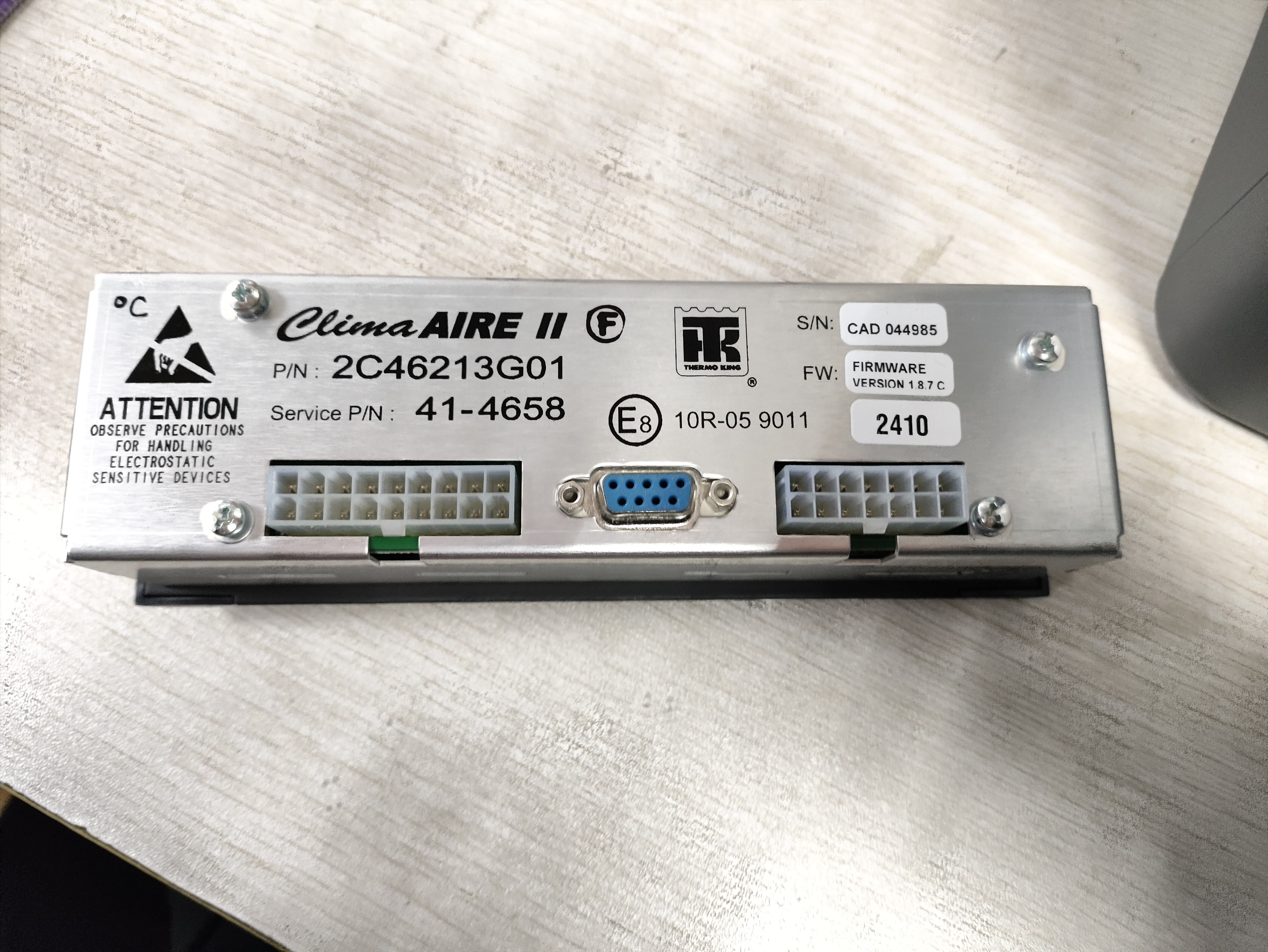
When it comes to temperature-controlled transport, few names carry as much weight in the industry as Thermo King. Understanding Thermo King reefer parts is essential for fleet operators, transport managers, and refrigeration technicians who depend on consistent cold chain performance. These components are engineered specifically for transport refrigeration systems fitted to trucks, trailers, and buses, and each part plays a defined role in keeping cargo at precise temperatures across long hauls and short deliveries alike.
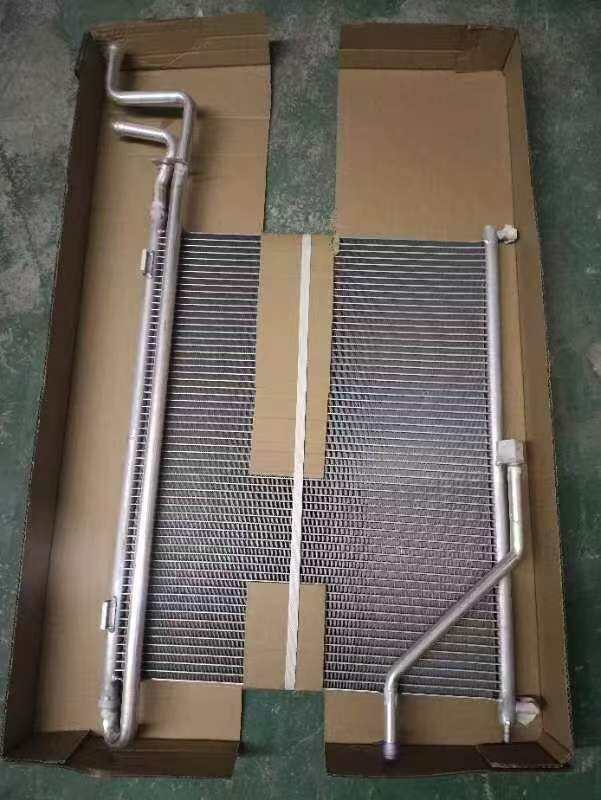
This article breaks down exactly what Thermo King reefer parts are, what each major component does, and how they are used in real-world refrigerated transport applications. Whether you are sourcing replacement components for a unit in the field or trying to understand why your system is underperforming, a solid grasp of these parts and their functions gives you a critical advantage in maintenance planning, procurement, and operational uptime.
The Role of Thermo King Reefer Parts in Transport Refrigeration
What the System Is Designed to Do
Transport refrigeration units from Thermo King are self-contained systems mounted to cargo vehicles. Unlike stationary cold storage, these systems must operate reliably under extreme vibration, varying ambient temperatures, fuel or battery power constraints, and constant load cycles. Thermo King reefer parts are engineered to meet those demanding conditions, and each component is selected based on its ability to withstand the mechanical and thermal stresses of road transport.
The core function of the overall system is straightforward: remove heat from the cargo space and expel it to the outside environment. To do this continuously and efficiently, the system relies on a refrigerant circuit, an air-handling system, electrical controls, and a power source. Each of these functional areas is supported by specific Thermo King reefer parts that must be maintained, monitored, and eventually replaced as part of a proactive service strategy.
Why Part Compatibility and Quality Matter
Not all replacement components are created equal. In transport refrigeration, using incorrect or substandard components can lead to refrigerant leaks, compressor failure, electrical faults, or loss of temperature control. This is why sourcing correct Thermo King reefer parts — components that meet the original design specifications — is not just a preference but a practical necessity for anyone responsible for fleet integrity.
High-quality replacement parts maintain the performance envelope of the original equipment. They ensure proper refrigerant flow rates, correct pressure tolerances, and reliable electrical connectivity. When operators cut corners on component quality, the resulting failures often cascade — a single malfunctioning part can place undue stress on adjacent components and lead to much more expensive repairs down the line.
Core Mechanical Components and How They Are Used
The Compressor and Its Function
The compressor is arguably the most critical mechanical component within any reefer system. It pressurizes the refrigerant vapor drawn from the evaporator, enabling the heat exchange cycle that cools the cargo space. In Thermo King applications, compressors come in several configurations depending on the unit model, including fixed-displacement and variable-capacity designs. A Thermo King reefer parts solution such as the X430/X426 small crankshaft compressor with variable capacity is a clear example of how modern designs balance efficiency with output across different load conditions.
Variable-capacity compressors are particularly valued in bus and coach refrigeration applications because they can modulate their output based on actual cooling demand. This reduces wear on the compressor itself and contributes to better fuel economy. When replacing a compressor, technicians must verify shaft size compatibility, mounting configuration, port orientation, and electrical voltage requirements — all factors that directly affect how the component integrates with the rest of the system.
Proper installation of compressor-related Thermo King reefer parts also involves correct oil charging, line flushing when contamination is suspected, and checking belt tension in belt-driven configurations. A compressor installed without these precautions may show early failure symptoms such as unusual noise, insufficient suction pressure, or rapid refrigerant loss.
Condensers and Evaporators
The condenser and evaporator coils are the two main heat exchangers in the refrigerant circuit. The condenser, located on the outside of the unit, releases heat from the high-pressure refrigerant into the ambient air. The evaporator, located inside the cargo space, absorbs heat from the cargo environment into the low-pressure refrigerant. Both are fundamental Thermo King reefer parts that require periodic inspection for leaks, fin damage, and fouling.
Condenser coils in transport refrigeration units are exposed to road debris, insects, and weather. Over time, blockages in the fin structure reduce airflow and decrease the system's ability to reject heat efficiently, leading to elevated discharge pressures and reduced cooling capacity. Regular cleaning and timely replacement of damaged sections are essential maintenance tasks for these components.
Evaporator coils, on the other hand, are susceptible to ice buildup when defrost cycles are not functioning correctly. Ice accumulation restricts airflow across the coil and can eventually cause the blower motor to work against mechanical resistance. Keeping the defrost heaters, termination thermostats, and drain lines in good condition is part of managing the evaporator side of the system effectively.
Electrical and Control System Components
Controllers and Sensors
Modern Thermo King refrigeration units rely heavily on electronic controllers to manage setpoint temperatures, defrost cycles, alarms, and communication with fleet management systems. The controller is the brain of the unit, and when it malfunctions, the entire system can shut down or run in a degraded mode that fails to protect temperature-sensitive cargo. Replacement controllers must be correctly programmed to the unit model and software version to function as intended.
Temperature sensors and thermistors are among the most frequently replaced Thermo King reefer parts in field service. These small but critical components feed real-time data to the controller, allowing it to make decisions about compressor cycling, fan speeds, and defrost initiation. A faulty sensor may report incorrect temperatures, causing the unit to overcool, undercool, or generate persistent fault codes that interrupt normal operation.
Electrical Harnesses, Contactors, and Relays
The electrical harness connecting major components must remain intact and free from corrosion, abrasion, and moisture ingress. In transport environments, harnesses are exposed to vibration, temperature cycling, and road contaminants. Inspecting harness routing, connector integrity, and insulation condition is a standard part of preventive maintenance for Thermo King reefer parts management.
Contactors and relays control power distribution to high-draw components such as the compressor motor, condenser fan motors, and electric standby heaters. These switching components have a rated cycle life, and in high-usage applications, they should be inspected regularly and replaced before they reach end-of-life to prevent unexpected shutdowns. When a contactor fails in the open position, the component it controls simply stops operating. When it fails closed, it may prevent the system from shutting down properly, leading to overheating or safety issues.
Sealing, Filtration, and Fluid System Components
Refrigerant System Filters and Driers
Refrigerant filter-driers serve a dual purpose in the system: they remove moisture from the refrigerant circuit and capture particulate contamination that could damage expansion valves or compressor internals. Replacing the filter-drier whenever the refrigerant system is opened is standard practice, and it is one of the most cost-effective Thermo King reefer parts investments an operator can make relative to the protection it provides.
A saturated drier that is not replaced can allow moisture to circulate in the system, leading to acid formation, copper plating of internal surfaces, and eventual compressor burnout. Technicians should always verify that the drier sight glass shows clear refrigerant flow without bubbles after a service, as bubbling indicates either low refrigerant charge or a moisture-saturated drier still in circuit.
Shaft Seals, Gaskets, and O-Rings
Sealing components prevent refrigerant from escaping the closed circuit and maintain the integrity of fluid passages throughout the system. Shaft seals, particularly on compressors with external drive shafts, are subject to wear from rotational friction and thermal expansion cycles. When a shaft seal begins to leak, refrigerant charge is lost gradually, reducing system performance before a fault code is triggered.
Gaskets and O-rings used in manifolds, service valve assemblies, and refrigerant line connections must be compatible with the refrigerant type in use. Using incorrect sealing materials can lead to swelling, hardening, or chemical degradation that accelerates leak development. Sourcing the correct specification Thermo King reefer parts for sealing applications is therefore just as important as sourcing the correct mechanical components.
Maintenance Strategies Using Thermo King Reefer Parts
Planned Replacement Intervals
Effective fleet maintenance programs treat Thermo King reefer parts replacement as a scheduled activity rather than a reactive response to failure. Manufacturers publish recommended service intervals for components such as belts, filters, driers, and seals. Following these intervals, even when components appear functional, reduces the risk of in-transit failures that can result in cargo loss, delivery delays, and unplanned breakdown costs.
Building a parts inventory based on historical failure data for specific unit models is a practical step that many experienced fleet operators take. Knowing which components fail most frequently in your operating environment allows you to stock critical items and reduce the mean time to repair when issues occur. This approach transforms parts management from an emergency exercise into a controlled, cost-managed process.
Diagnostic Use of Parts Information
Understanding the function of individual Thermo King reefer parts also improves diagnostic accuracy. When a technician knows that a particular fault code corresponds to the discharge pressure transducer, they can immediately focus their investigation on that sensor, its wiring, and the conditions that would cause an abnormal reading — rather than spending time on broad system checks. This knowledge-driven approach shortens repair time and improves first-time fix rates.
Parts documentation, including exploded diagrams and cross-reference data, supports accurate identification of components in multi-model fleets. Many units in service have been updated through running production changes, meaning that the correct part number for a specific serial number range may differ from the original design. Verifying the correct part before procurement prevents costly ordering errors and installation mismatches.
FAQ
What are the most commonly replaced Thermo King reefer parts in daily operations?
The most frequently replaced items include filter-driers, temperature sensors, belts, shaft seals, contactors, and compressor components. These parts experience the highest wear rates due to continuous operation and exposure to harsh transport conditions. Stocking these items as part of a preventive maintenance program significantly reduces downtime.
How do I know which Thermo King reefer parts are compatible with my specific unit model?
Compatibility is determined by the unit model number, serial number, and in some cases the production date range. Using the unit's serial number when ordering components ensures that the part matches the exact specification for that build configuration. Cross-reference documentation and parts catalogs from reputable suppliers provide the necessary data to make accurate selections.
Can variable-capacity compressors be used as drop-in replacements for fixed-displacement compressors?
Not always. While variable-capacity compressors offer efficiency advantages, substituting them for fixed-displacement units requires verifying physical mounting compatibility, shaft dimensions, port configuration, and whether the existing controller supports variable-capacity operation. In many cases, system modifications or controller updates are necessary before a variable-capacity unit can function correctly as a replacement.
How does the quality of Thermo King reefer parts affect overall system lifespan?
Component quality directly affects durability, reliability, and the longevity of surrounding parts. Substandard Thermo King reefer parts may fail prematurely and place additional stress on other components in the system. Using parts that meet original equipment specifications ensures that the system operates within its designed performance parameters, extending the overall service life of the refrigeration unit and protecting the value of temperature-sensitive cargo.
Table of Contents
- The Role of Thermo King Reefer Parts in Transport Refrigeration
- Core Mechanical Components and How They Are Used
- Electrical and Control System Components
- Sealing, Filtration, and Fluid System Components
- Maintenance Strategies Using Thermo King Reefer Parts
-
FAQ
- What are the most commonly replaced Thermo King reefer parts in daily operations?
- How do I know which Thermo King reefer parts are compatible with my specific unit model?
- Can variable-capacity compressors be used as drop-in replacements for fixed-displacement compressors?
- How does the quality of Thermo King reefer parts affect overall system lifespan?