
 EN
EN



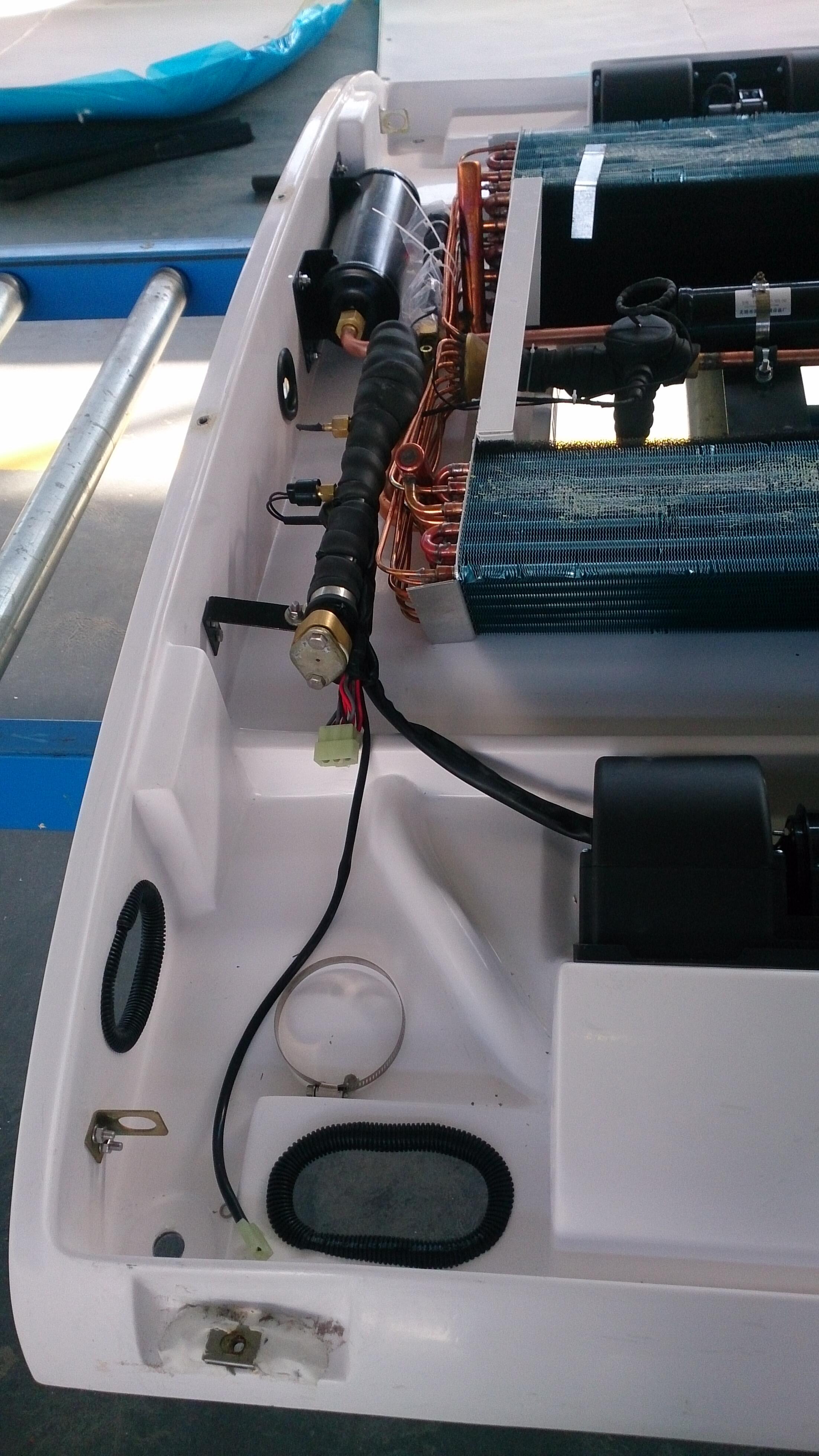
Commercial vehicles like trucks and vans face unique cooling challenges that traditional automotive air conditioning systems simply cannot address effectively. The cabin space in these vehicles is substantially larger than passenger cars, creating a need for more powerful and strategically positioned cooling solutions. A roof air conditioner emerges as the most practical and efficient solution for maintaining comfortable temperatures in commercial vehicle cabins, especially during extended periods of operation when the engine may not be running continuously.
The fundamental reason for installing a roof air conditioner in trucks and vans stems from the operational requirements of commercial transportation and the limitations of engine-driven cooling systems. Unlike passenger vehicles that primarily operate while in motion, commercial trucks and vans frequently require climate control during stationary periods, such as during loading, unloading, rest breaks, or overnight stays. This creates a compelling business case for independent cooling systems that can operate without relying on the vehicle's main engine, ultimately improving driver comfort, cargo protection, and operational efficiency.
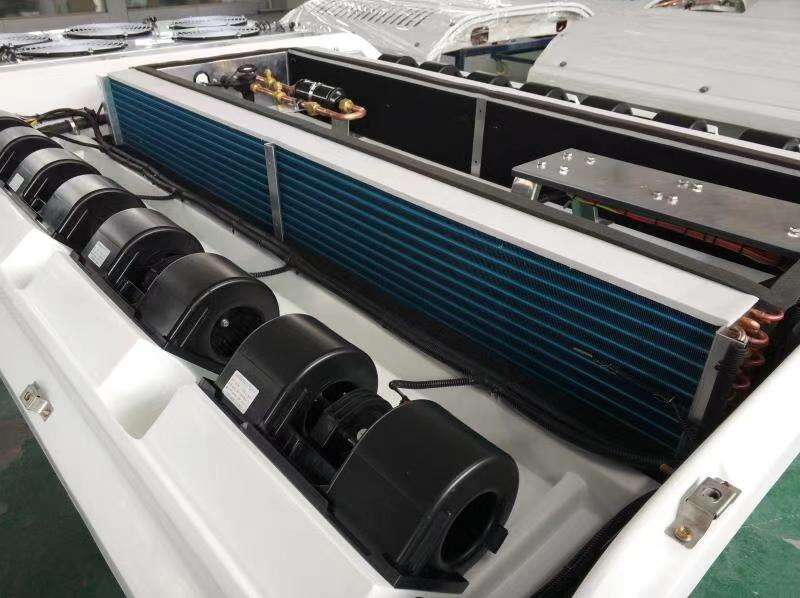
Operational Independence and Engine Efficiency
Eliminating Engine Dependency for Climate Control
The primary advantage of a roof air conditioner lies in its independence from the vehicle's main engine. Traditional automotive air conditioning systems rely on engine-driven compressors, which means the engine must remain running to provide cooling. For commercial vehicles that spend significant time stationary, this creates substantial fuel waste and unnecessary engine wear. A roof air conditioner operates on the vehicle's electrical system, allowing drivers to maintain comfortable cabin temperatures without idling the engine for hours.
This independence becomes particularly valuable during mandatory rest periods required by commercial driving regulations. Long-haul truck drivers must take regular breaks, and maintaining comfortable sleeping conditions without running the engine reduces fuel costs significantly. The roof air conditioner can operate on battery power or auxiliary power units, providing sustained cooling throughout rest periods without the noise and fuel consumption associated with engine idling.
Reducing Fuel Consumption and Operating Costs
The economic impact of engine idling for climate control is substantial in commercial vehicle operations. A typical truck engine consumes approximately one gallon of fuel per hour while idling, translating to significant operational expenses over time. By utilizing a roof air conditioner system, fleet operators can reduce this fuel consumption dramatically, especially during extended stationary periods common in delivery, construction, and service industries.
The roof air conditioner also contributes to engine longevity by reducing unnecessary operating hours. Engine components experience wear even during idle operation, and minimizing these hours through independent cooling systems helps extend maintenance intervals and reduces long-term mechanical costs. This operational efficiency makes the roof air conditioner an attractive investment for commercial vehicle operators focused on total cost of ownership.
Superior Cooling Performance and Coverage
Enhanced Air Distribution from Elevated Position
The positioning of a roof air conditioner provides significant advantages in air distribution compared to dashboard-mounted systems. Cool air naturally flows downward due to its density, and the elevated position of a roof-mounted unit allows for more effective circulation throughout the cabin space. This positioning creates better temperature uniformity and reduces hot spots that commonly occur with traditional front-mounted systems in larger cabin spaces.
The roof air conditioner design typically includes multiple air outlets strategically positioned to provide comprehensive coverage of the cabin area. This distribution pattern is particularly effective in truck sleeper cabs and van cargo areas where occupants may be positioned throughout the space rather than concentrated in front seats. The improved air circulation also helps maintain consistent temperatures during varying external conditions and solar load changes.
Higher Cooling Capacity for Larger Spaces
Commercial vehicles present cooling challenges that exceed the capacity of standard automotive air conditioning systems. Truck sleeper cabs, van cargo areas, and work truck cabins are substantially larger than passenger car interiors, requiring higher BTU capacity to achieve comfortable temperatures. A roof air conditioner is specifically designed to handle these larger volumes efficiently.
The increased cooling capacity of roof air conditioner units also addresses the additional heat load present in commercial vehicles. Factors such as larger window areas, metal construction, electronic equipment, and cargo heat generation create cooling demands that standard automotive systems cannot meet effectively. The roof air conditioner provides the necessary capacity to overcome these challenges while maintaining energy efficiency appropriate for vehicle electrical systems.
Installation Flexibility and Space Optimization
Preserving Interior Space and Functionality
One of the most compelling reasons for choosing a roof air conditioner installation is the preservation of valuable interior space within the vehicle. Unlike bulky interior units that consume precious cabin real estate, roof-mounted systems keep the entire interior available for passengers, cargo, or specialized equipment. This space optimization is particularly critical in commercial applications where every square foot of interior space translates to revenue potential or operational capability.
The roof air conditioner installation also eliminates the need for interior ducting and equipment that could interfere with cargo loading, passenger movement, or specialized vehicle configurations. Service vans, delivery trucks, and mobile workshops benefit significantly from this clean installation approach, as it allows for maximum flexibility in interior layout and equipment mounting without compromising climate control effectiveness.
Adaptability to Various Vehicle Types
The roof air conditioner design offers exceptional adaptability to different commercial vehicle configurations and applications. Whether installed on box trucks, cargo vans, recreational vehicles, or specialized work trucks, the roof-mounted approach provides consistent performance across vehicle types. This versatility makes it easier for fleet operators to standardize cooling solutions across mixed vehicle fleets, simplifying maintenance and operational procedures.
The modular nature of roof air conditioner systems also allows for capacity scaling based on specific vehicle requirements. Smaller vans can utilize compact units while larger trucks can accommodate higher-capacity systems, all using the same basic installation principles and operational concepts. This scalability ensures that the roof air conditioner solution remains viable across the full spectrum of commercial vehicle applications.
Maintenance Advantages and Operational Reliability
Simplified Service Access and Component Protection
The roof air conditioner installation provides several maintenance advantages compared to integrated engine-driven systems. The external mounting position makes major components easily accessible for service without requiring extensive disassembly of vehicle interior components or engine bay equipment. This accessibility reduces maintenance time and labor costs, important considerations for commercial vehicle operators managing large fleets.
The roof air conditioner components are also protected from road debris, fluid spills, and other hazards common in the engine compartment environment. This protection contributes to longer component life and more reliable operation, reducing unexpected failures that can disrupt commercial operations. The sealed unit design typical of roof air conditioner systems also provides better protection against environmental contamination compared to engine-bay mounted components.
Independent System Reliability
The operational independence of a roof air conditioner provides reliability benefits that extend beyond just cooling performance. When the air conditioning system operates independently of the engine, cooling failures do not impact vehicle mobility, and conversely, engine problems do not immediately affect climate control capability. This separation of systems reduces the risk of cascading failures that could strand drivers or compromise cargo protection.
The roof air conditioner system also allows for redundancy options not available with engine-driven systems. Backup battery systems, auxiliary power units, or even secondary cooling units can be integrated to provide fail-safe operation for critical applications. This reliability is particularly valuable for refrigerated transport, medical vehicles, and other applications where climate control failure could result in significant losses or safety concerns.
FAQ
How does a roof air conditioner compare to engine-driven AC systems in terms of power consumption?
A roof air conditioner typically consumes between 12-24 amps of electrical power depending on capacity, while an engine-driven system requires the entire engine to run, consuming approximately one gallon of fuel per hour during idle operation. The roof air conditioner is significantly more efficient during stationary operation, though it does place additional load on the vehicle's electrical system that must be managed through proper battery capacity or auxiliary power sources.
Can a roof air conditioner operate while the vehicle is in motion?
Yes, most roof air conditioner systems are designed to operate while driving, provided the vehicle's alternator can supply sufficient electrical power. However, many commercial vehicle operators use engine-driven AC while driving and switch to the roof air conditioner during stationary periods to optimize fuel efficiency. The roof air conditioner provides flexibility to use either system based on operational requirements and power availability.
What maintenance is required for roof air conditioner systems?
Roof air conditioner maintenance typically includes regular filter cleaning or replacement, annual refrigerant level checks, condenser coil cleaning, and inspection of electrical connections. The external mounting makes most maintenance tasks easier to perform compared to integrated systems, though the roof location may require appropriate access equipment. Most systems require professional service annually, similar to residential air conditioning units.
Are there weight limitations for installing roof air conditioner units on commercial vehicles?
Yes, roof air conditioner installations must consider the vehicle's gross vehicle weight rating and roof load capacity. Most commercial roof air conditioner units weigh between 100-200 pounds, which is generally within acceptable limits for properly reinforced roof structures. However, installation should always be performed according to manufacturer specifications and may require structural reinforcement depending on the specific vehicle and unit combination.
Table of Contents
- Operational Independence and Engine Efficiency
- Superior Cooling Performance and Coverage
- Installation Flexibility and Space Optimization
- Maintenance Advantages and Operational Reliability
-
FAQ
- How does a roof air conditioner compare to engine-driven AC systems in terms of power consumption?
- Can a roof air conditioner operate while the vehicle is in motion?
- What maintenance is required for roof air conditioner systems?
- Are there weight limitations for installing roof air conditioner units on commercial vehicles?