
 EN



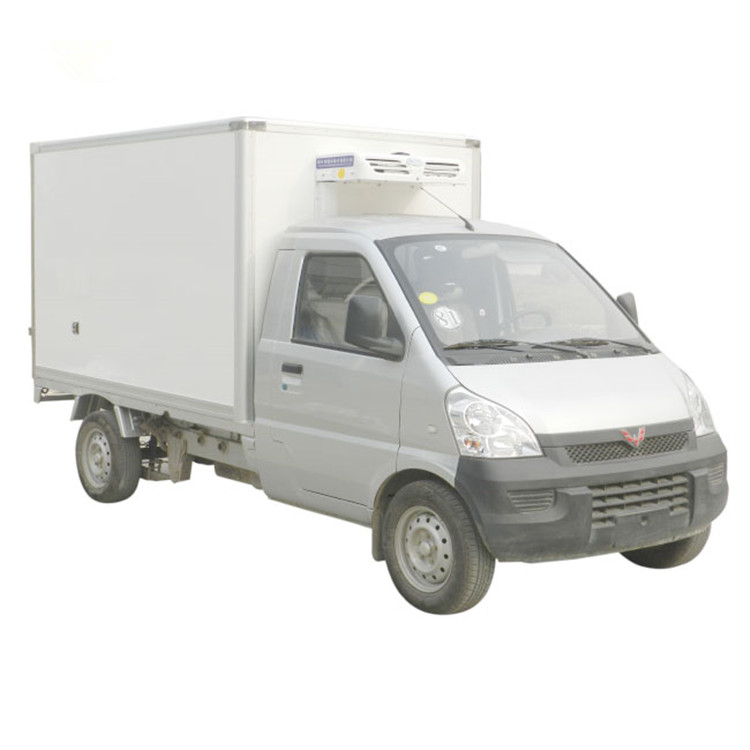
A truck air conditioner is far more than a luxury feature in modern commercial vehicles. For drivers spending eight to twelve hours per day in the cab, climate control directly impacts productivity, safety, and operational efficiency. Commercial fleet operators increasingly recognize that a truck air conditioner is essential infrastructure rather than optional equipment, influencing driver retention, fuel economy, and overall profitability.
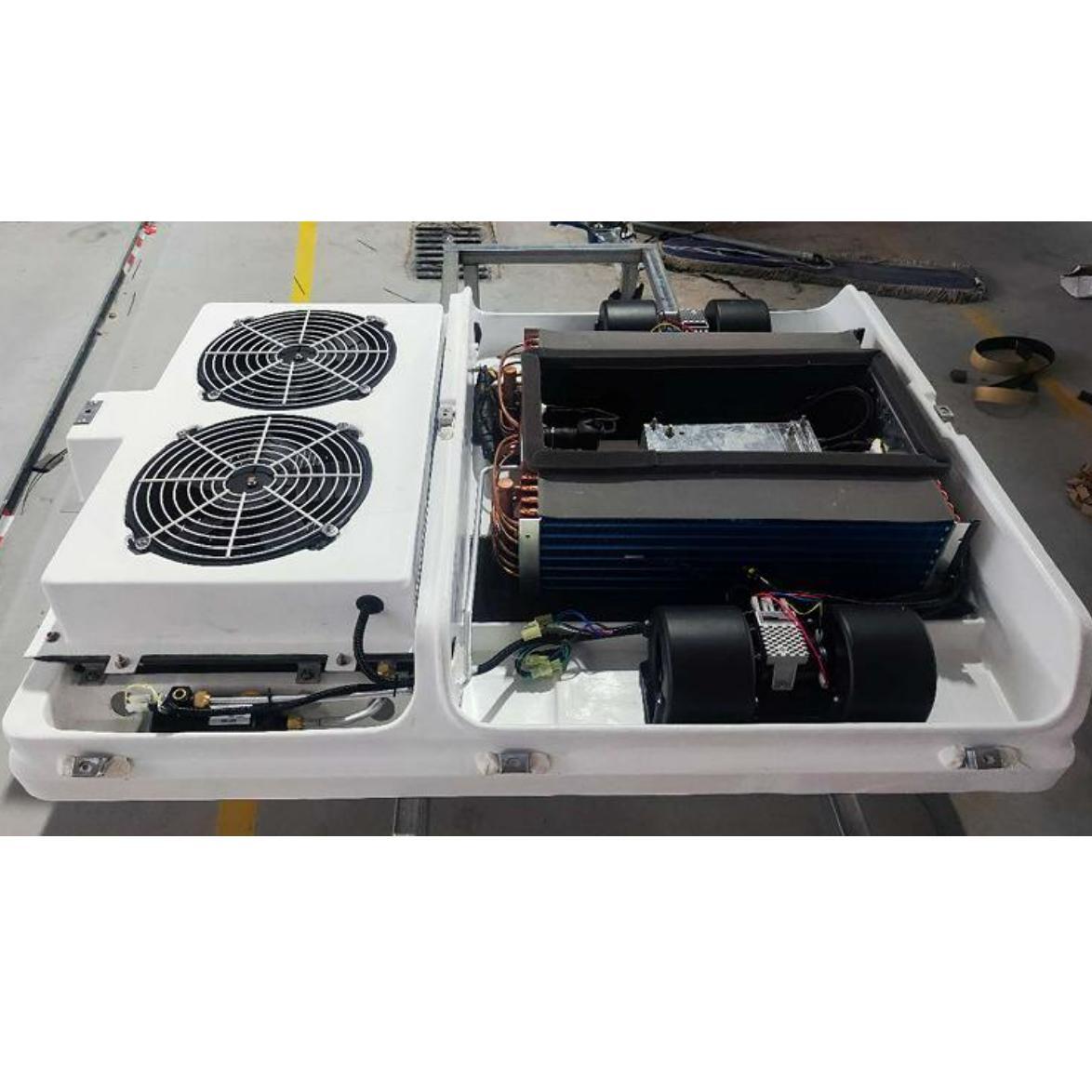
The relationship between a truck air conditioner and vehicle performance extends beyond driver comfort. Temperature regulation inside the cab affects concentration levels, reaction time, and decision-making during long hauls. Additionally, a truck air conditioner protects sensitive cargo, maintains engine bay temperature stability, and prevents heat-related mechanical failures that can sideline expensive equipment.
The Driver Performance Connection
Cognitive Function and Alertness
Research in transportation safety consistently shows that cabin temperature influences driver alertness and cognitive performance. When interior temperatures rise above 28°C, driver reaction times slow noticeably, and mental fatigue accelerates. A properly functioning truck air conditioner maintains optimal cabin conditions, allowing drivers to remain sharp during demanding routes. This becomes critical during peak summer months when external temperatures can exceed 40°C, and without a truck air conditioner, cab temperatures can climb to dangerous levels within minutes.
The truck air conditioner also reduces physiological stress responses triggered by heat exposure. Heat stress causes increased heart rate, elevated cortisol levels, and reduced cognitive reserve. Over a full shift, these cumulative effects degrade decision-making quality and increase accident risk. Commercial operators that invest in a truck air conditioner report measurable improvements in route completion times, customer satisfaction scores, and incident reduction rates.
Long-Term Driver Retention
Fleet turnover costs reach approximately $15,000 per driver in replacement and training expenses. A truck air conditioner directly influences driver job satisfaction by providing daily comfort that reduces physical strain and improves working conditions. Drivers evaluating potential employers consistently prioritize vehicles with modern, reliable cooling systems. When a truck air conditioner fails, drivers perceive the vehicle as neglected and are more likely to seek employment with better-maintained fleets.
Fleets that maintain and upgrade their truck air conditioner systems experience better recruitment outcomes and lower voluntary turnover. This becomes especially important when competing for experienced drivers in tight labor markets. A truck air conditioner represents a tangible commitment to driver welfare that translates directly into competitive advantage.
Operational Efficiency and Cargo Protection
Fuel Consumption and Engine Load
A functioning truck air conditioner optimizes fuel economy through regulated engine cooling and reduced parasitic load when properly maintained. However, an aging or failing truck air conditioner forces the engine to work harder, increasing fuel consumption by 5 to 15 percent depending on ambient conditions and vehicle specifications. Modern truck air conditioner systems use advanced compressor designs and variable displacement technology that minimizes engine strain during high-demand periods.
Fleet managers must understand that a truck air conditioner represents both an operating cost and an operational investment. Regular maintenance of your truck air conditioner system prevents catastrophic failures that force vehicles into emergency repairs, disrupting schedules and generating expensive downtime. Preventive truck air conditioner maintenance typically costs 200 to 600 dollars annually but prevents failures that cost 2,000 to 5,000 dollars to repair and result in lost revenue.
Temperature-Sensitive Cargo Management
Certain cargo categories require climate control to maintain product integrity during transport. Pharmaceutical products, perishable foods, and temperature-sensitive electronics depend on stable cabin temperature conditions that only a truck air conditioner can provide. Without proper climate control, a truck air conditioner failure can render entire loads worthless and expose the operator to liability claims.
For specialized transport operations, a truck air conditioner is not optional but mandatory compliance equipment. Regulatory standards in many jurisdictions now require temperature monitoring and control systems on vehicles carrying regulated commodities. Investing in a reliable truck air conditioner ensures compliance, protects product value, and maintains customer relationships.
Mechanical Reliability and Vehicle Longevity
Engine Bay Heat Management
A truck air conditioner directly contributes to engine compartment temperature regulation by reducing ambient heat load on the cooling system. During summer operation, excessive underhood temperatures accelerate wear on hoses, belts, and electrical components. A truck air conditioner that vents conditioned air through the engine bay helps distribute heat more evenly and prevents hot spots that cause premature component failure.
Engine longevity depends partially on stable operating temperatures throughout the vehicle. A truck air conditioner failure often cascades into secondary cooling system problems when drivers increase cooling fan duty cycles to compensate for lost cabin cooling. Maintaining your truck air conditioner prevents this domino effect and protects your overall drivetrain investment.
Component Protection and System Integrity
Electronic control modules, batteries, and power distribution systems generate substantial internal heat that a truck air conditioner helps dissipate through cabin ventilation. Modern trucks contain increasingly complex electrical and electronic systems that perform poorly when exposed to sustained high temperatures. A properly functioning truck air conditioner preserves electronic system reliability and extends component service life by preventing thermal stress.
The compressor oil within your truck air conditioner circulates through the system and requires consistent temperature control to maintain lubricating properties. When a truck air conditioner operates in marginal conditions or fails intermittently, oil degradation accelerates, leading to compressor seizure and complete system failure. Professional maintenance of your truck air conditioner system preserves component integrity and prevents catastrophic failures.
FAQ
What temperature should a truck air conditioner maintain inside the cab?
A truck air conditioner should maintain interior cab temperatures between 18°C and 24°C during operation, with optimal performance around 21°C. This range supports driver comfort, maintains alertness, and prevents heat stress without creating excessive thermal shock when entering or leaving the vehicle. Modern truck air conditioner systems include programmable thermostats that allow drivers to customize cooling intensity based on individual preference and ambient conditions.
How often should a truck air conditioner receive professional maintenance?
A truck air conditioner requires annual professional inspection before peak summer season, with additional checks if the system shows reduced cooling capacity or unusual noises. Professional maintenance of your truck air conditioner includes refrigerant level verification, compressor performance testing, and seal integrity inspection. Many fleet operators schedule truck air conditioner service during spring preventive maintenance cycles to ensure reliable operation throughout summer months.
Can a truck air conditioner malfunction affect vehicle insurance coverage?
Some commercial vehicle insurance policies include coverage conditions related to driver safety and working conditions. If an accident occurs and investigation reveals that a defective truck air conditioner contributed to driver fatigue or heat stress, liability exposure increases significantly. Maintaining your truck air conditioner protects both driver safety and insurance coverage validity, ensuring that your fleet remains compliant with policy terms and regulatory requirements.