
 EN



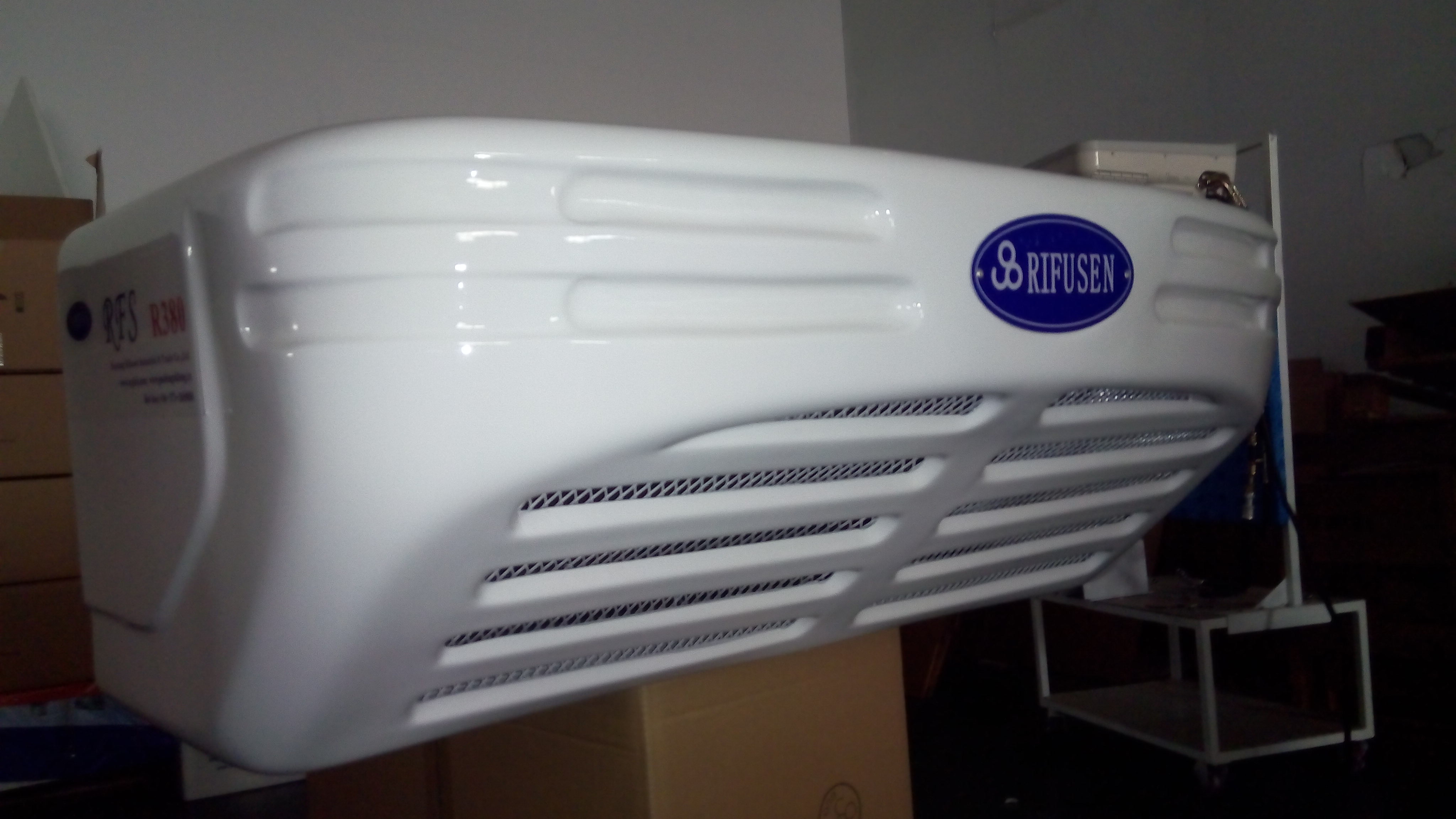
A truck air conditioner is the backbone of driver comfort and operational efficiency in commercial vehicles. Understanding how a truck air conditioner maintains stable cabin temperatures is essential for fleet managers, truck owners, and maintenance professionals who depend on consistent climate control during long hauls and demanding work conditions. The ability of a truck air conditioner to regulate temperature precisely affects driver alertness, cargo preservation, and vehicle reliability in extreme weather environments.
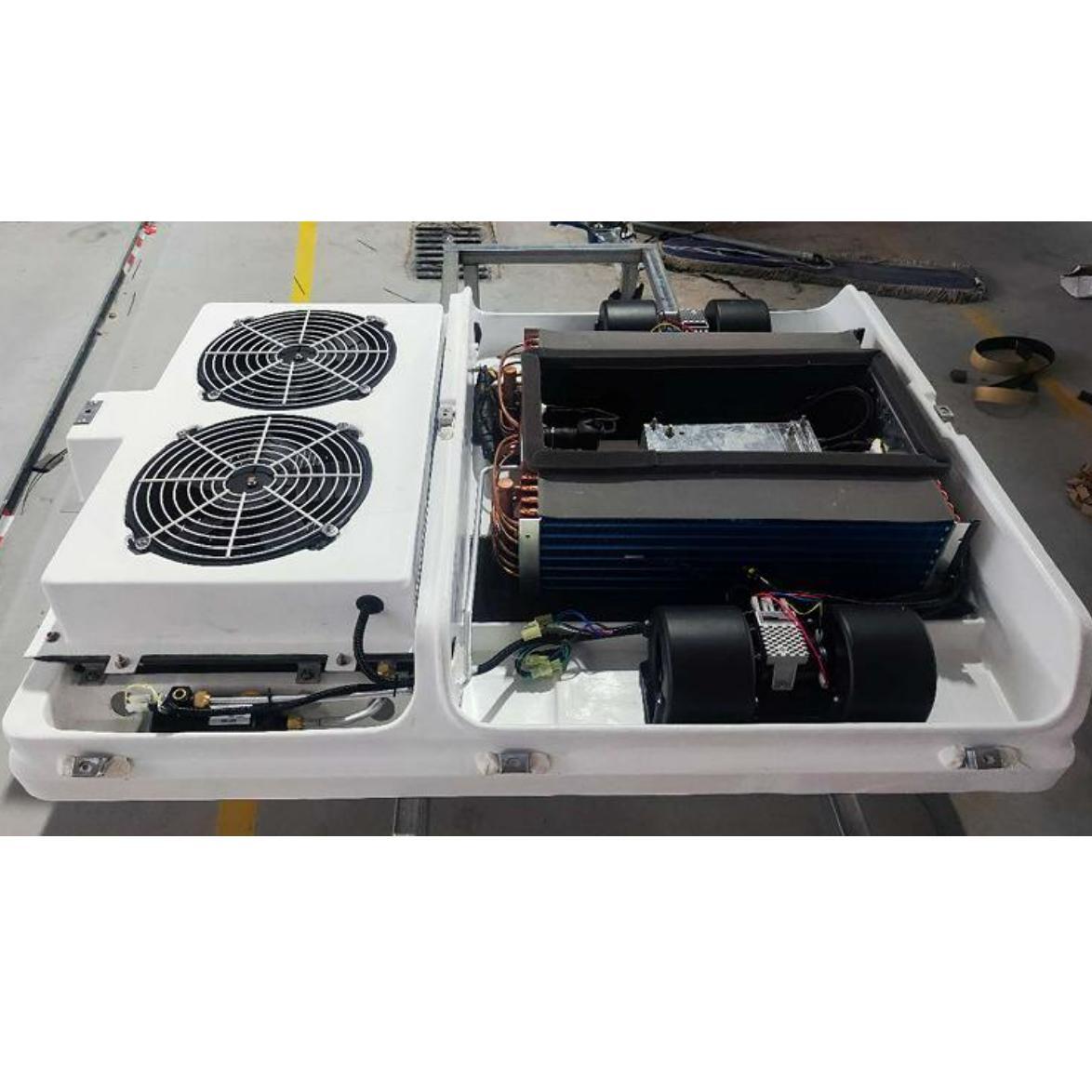
Modern truck air conditioner systems are engineered to function reliably under severe operational stress, from desert heat exceeding 120°F to mountainous terrain with rapid elevation changes. The engineering behind how a truck air conditioner maintains stable temperatures involves multiple interconnected components working in precise synchronization. This article explores the mechanical, thermal, and electronic mechanisms that enable a truck air conditioner to deliver consistent climate control throughout diverse driving conditions.
Refrigeration Cycle and Heat Extraction
The Core Thermodynamic Process
The foundation of how a truck air conditioner maintains stable cabin temperatures lies in the refrigeration cycle, a continuous process that extracts heat from the cabin air. A truck air conditioner uses a compressor driven by the engine to pressurize refrigerant gas, raising its temperature and pressure significantly. This high-pressure gas flows to the condenser, where a truck air conditioner releases heat to the ambient air through metal fins and tubes. The refrigerant then passes through an expansion valve, where a truck air conditioner allows rapid depressurization, cooling the liquid dramatically before it enters the evaporator coil inside the cabin.
Evaporator and Temperature Regulation
Inside the cabin, a truck air conditioner uses the cold evaporator coil to absorb heat from recirculated or fresh air drawn through the system. As warm cabin air passes across the evaporator, a truck air conditioner removes moisture and thermal energy simultaneously, creating cooler, drier air that circulates through cabin vents. The thermostat in a truck air conditioner continuously monitors cabin temperature and adjusts compressor engagement to maintain the driver's selected temperature setpoint. This cyclical process is what allows a truck air conditioner to maintain stable temperatures even during peak summer loads or when the vehicle is stationary with the engine running.
Thermal Load Management and Component Sizing
Calculating and Matching Cooling Capacity
For a truck air conditioner to maintain stable cabin temperatures, it must be properly sized to handle the specific thermal loads the truck encounters. A truck air conditioner system is rated in BTU per hour, and manufacturers calculate required capacity based on cabin volume, insulation quality, window surface area, and solar heat gain. Commercial trucks typically require a truck air conditioner with capacity ranging from 10,000 to 40,000 BTU per hour depending on chassis type and intended use. When a truck air conditioner is undersized, it struggles to remove heat during peak loads, resulting in temperature creep and driver discomfort. Conversely, an oversized truck air conditioner cycles on and off too frequently, consuming excess fuel and creating uncomfortable temperature fluctuations.
Insulation and Cabin Design Integration
How a truck air conditioner maintains stable temperatures also depends critically on cabin insulation and heat infiltration barriers. Modern truck cabins feature improved windshield coatings, door seals, and roof insulation to reduce solar heat gain and external temperature transfer. A truck air conditioner works more efficiently when the cabin envelope minimizes uncontrolled heat leakage, allowing the system to maintain setpoint temperature with reduced compressor runtime. Fleet operators often invest in reflective cab wraps, tinted windows, and weatherstripping to improve how their truck air conditioner performs during extreme ambient conditions. These complementary measures ensure a truck air conditioner maintains stable temperatures without excessive energy consumption or component stress.
Electronic Control Systems and Adaptive Temperature Sensing
Smart Thermostat and Sensor Networks
Contemporary truck air conditioner systems employ sophisticated electronic controls that enable precise temperature maintenance beyond basic on-off switching. A truck air conditioner equipped with digital thermostats reads multiple temperature sensors positioned in the cabin, at the evaporator outlet, and in the condenser line. The truck's climate control module uses this data to calculate real-time cooling demand and adjust the compressor clutch engagement incrementally rather than full binary engagement. This proportional control approach allows a truck air conditioner to maintain stable temperatures within plus or minus one degree Fahrenheit of the setpoint. Advanced truck air conditioner systems also integrate ambient temperature sensors and solar radiation detectors to predictively adjust cooling output before cabin temperature deviates.
Integrated Engine and Transmission Control
A truck air conditioner must coordinate with the engine management system to maintain stable temperatures while preserving fuel economy and engine performance. When a truck air conditioner compressor engages, it loads the engine with an additional 5 to 15 horsepower demand, which the vehicle control module must account for during acceleration, hill climbing, and idle conditions. Modern truck air conditioner systems communicate with the powertrain controller to disengage the compressor during heavy acceleration or when engine load exceeds preset thresholds. This integration ensures a truck air conditioner maintains stable cabin temperatures while preventing engine overload or transmission strain during demanding driving scenarios. Predictive controls in premium truck air conditioner systems also reduce compressor cycling during highway cruising, improving fuel efficiency while sustaining temperature stability.
FAQ
Why does my truck air conditioner struggle to maintain stable temperatures in heavy traffic?
In heavy traffic or stop-and-go driving, engine RPM drops significantly, reducing the truck air conditioner compressor's displacement and cooling output. Additionally, reduced vehicle speed means the condenser fan receives less airflow through its coils, limiting the truck air conditioner's ability to reject heat. Cabin temperature rises faster when the truck air conditioner operates at low engine speeds with minimal airflow across cooling surfaces. Modern truck air conditioner systems address this by increasing fan speed and engaging higher-displacement compressor settings during low-speed operation, though thermal loads may still exceed cooling capacity in extreme summer conditions.
Can a truck air conditioner maintain stable temperatures if the refrigerant charge is low?
No, a truck air conditioner with insufficient refrigerant charge cannot maintain stable temperatures because the cycle lacks sufficient mass to extract adequate heat from the cabin. A low-charge truck air conditioner exhibits reduced evaporator cooling, longer cycle times, and increasingly frequent compressor cycling to meet cabin demand. The truck air conditioner may deliver initially cold air, but cabin temperature will rise progressively as the system cannot sustainably remove thermal load. Additionally, low refrigerant levels cause the truck air conditioner compressor to work harder, increasing wear and risking mechanical failure. Fleet maintenance protocols require annual truck air conditioner charge verification and refrigerant top-up to ensure stable temperature control throughout the cooling season.
How does altitude affect how a truck air conditioner maintains stable temperatures?
Altitude reduces the truck air conditioner's cooling performance because lower atmospheric pressure decreases the condenser's ability to reject heat and reduces compressor displacement efficiency. At high elevations, a truck air conditioner must work harder to maintain the same temperature differential between cabin air and ambient air. Engine power output also decreases at altitude, reducing the truck air conditioner compressor's displacement and cooling capacity. Modern truck air conditioner systems equipped with automatic load-sensing controls attempt to compensate by increasing refrigerant flow rate when cabin temperature rises above setpoint. For mountain routes, fleet operators typically select higher-capacity truck air conditioner systems to ensure stable temperature maintenance despite elevation-related performance reductions.