 ×
×

Industry: Refrigerated Transport / Cold Chain | Region: China | Challenge: 72-hour continuous compressor operation with ±0.8°C temperature control | Result: Delivery compliance rate improved from 91% to 99.2% The Situation A refrigerated t...
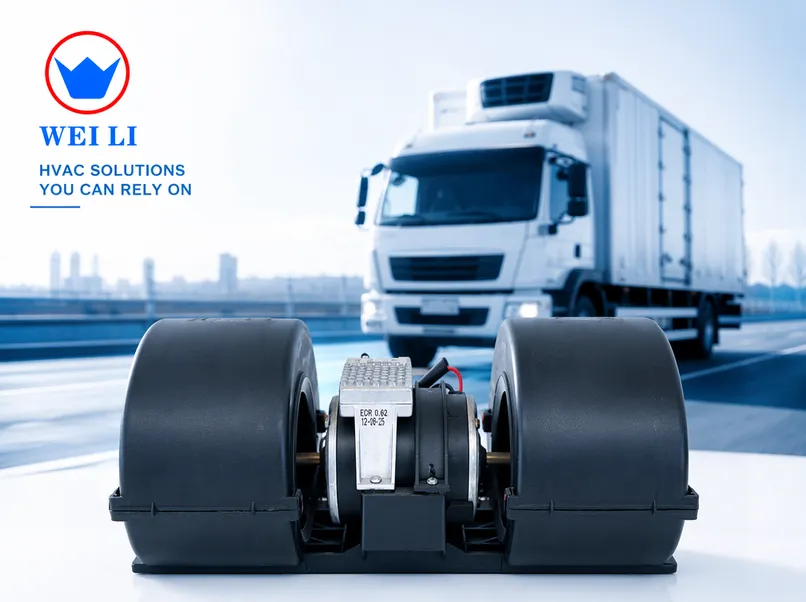
Industry: Refrigerated Transport / Cold Chain | Region: China | Challenge: 72-hour continuous compressor operation with ±0.8°C temperature control | Result: Delivery compliance rate improved from 91% to 99.2%
A refrigerated truck conversion specialist serving China's pharmaceutical cold chain logistics market had a problem that was costing them major contracts.
Their customer base included vaccine distributors and fresh-produce e-commerce platforms — two of the most demanding segments in cold chain logistics. The requirement from these end customers was uncompromising: 72-hour continuous operation with zero derating, temperature deviation not exceeding ±1.5°C at any point during transit.
In pharmaceutical cold chain logistics, temperature excursions are not quality issues — they are compliance failures with legal and financial consequences:
Vaccine spoilage
1. A single 2-hour temperature excursion above 8°C can render an entire pallet of vaccines ineffective. For a refrigerated truck carrying $200,000+ of pharmaceutical product, the cost of failure is the entire shipment value.
Platform blacklisting
2. Major Chinese logistics platforms automatically flag any delivery where temperature log data shows deviation beyond ±1.5°C. Repeated flags lead to carrier suspension.
Insurance liability
3. Cold chain insurers increasingly require real-time temperature data as a condition of coverage. Gaps in the data log — even if the product is fine — can void a claim.
The truck converter was using standard commercial transport compressors that exhibited a consistent failure pattern:
Failure Mode |
Mechanism |
Consequence |
Bearing fatigue at 40-50 hours |
Standard bearings sized for intermittent duty, not 72-hour continuous runs |
Compressor seizure, complete cooling loss mid-transit |
Temperature drift beyond ±1.5°C |
Mechanical thermostatic expansion valve with ±3°C deadband |
Automatic platform rejection of temperature log |
Oil degradation |
Standard mineral oil breaking down under sustained high compression ratios |
Reduced lubrication, accelerated wear, eventual compressor lock-up |
Their delivery compliance rate — defined as the percentage of trips with zero temperature log violations — had plateaued at 91%. That 9% failure rate represented millions in rejected shipments, lost contracts, and damaged carrier reputation.
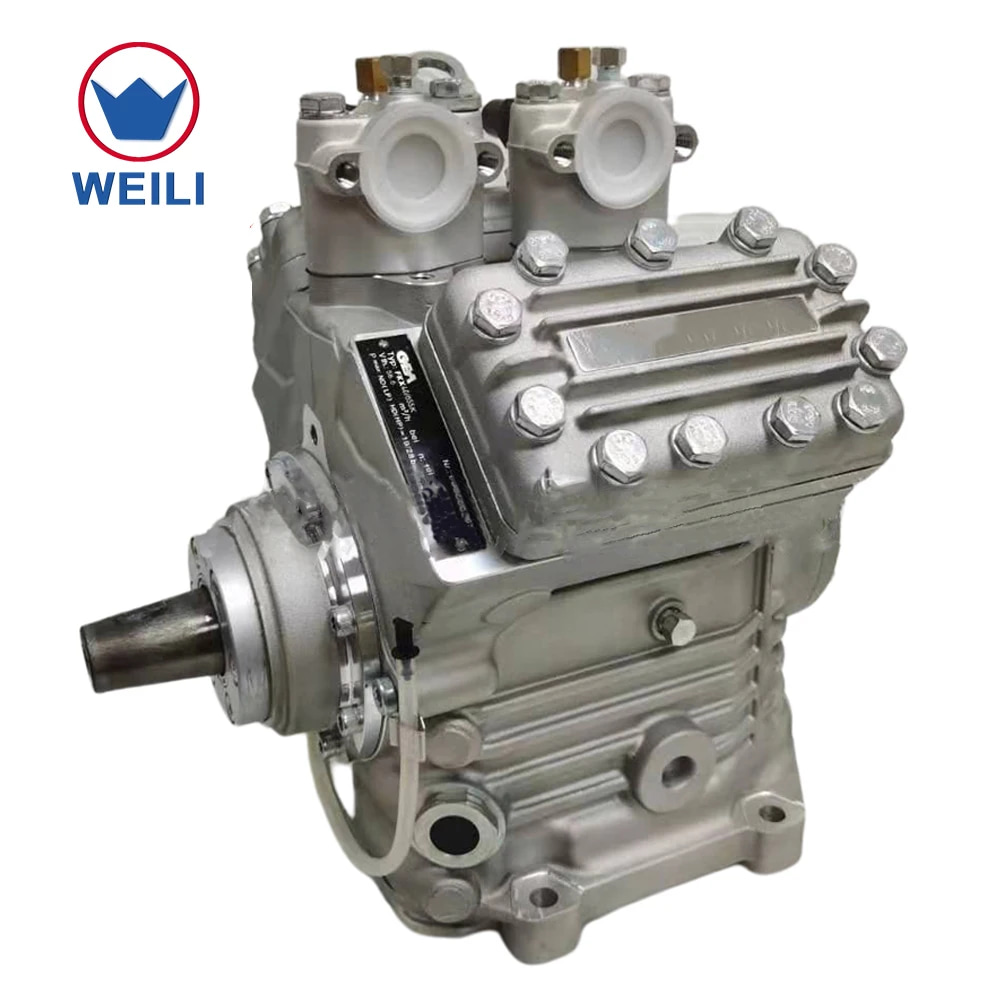
We approached the problem as an integrated thermal control system, not as a compressor replacement. The solution had three coordinated elements:
Design life
Bearing upgrade
Winding
Oil system
Control strategy
Sensor resolution
Deadband
Data logging
Every compressor destined for cold chain applications now undergoes a 72-hour full-load run-in test at our facility before shipment. The test simulates actual duty cycles with temperature logging at 15-minute intervals. Each unit ships with its complete test data report — giving the truck converter and their end customer full transparency on performance before installation.
After retrofitting 200+ trucks with the Weili thermal management package:
Metric |
Before (Previous Compressor) |
After (Weili System) |
Cold chain delivery compliance rate |
91% |
99.2% |
In-transit compressor failures |
~9 per year (fleet average) |
0 in 18 months |
Temperature deviation incidents (±1.5°C) |
~45 per month |
<3 per month |
Average compressor service life |
~18 months |
36 months (ongoing) |
Customer contract renewals (logistics platform) |
Declining |
3 major new contracts won |
standardized Weili components
across their entire refrigerated vehicle product line
three new pharmaceutical logistics contracts
that had previously been out of reach due to compliance concerns
specify Weili by name
in their vehicle procurement RFQs
"The ±0.8°C temperature control and the 72-hour test report changed everything. We used to spend every contract negotiation defending our temperature compliance. Now we put the test data on the table and the conversation shifts to volume and delivery schedule."
"Continuous duty" means something specific.
1. A compressor rated for 8-hour daily operation is not a 72-hour continuous-run compressor. The bearing, oil, and winding specifications are fundamentally different.
Temperature precision sells contracts.
2. The gap between ±3°C (mechanical) and ±0.8°C (electronic) is the gap between losing and winning pharmaceutical logistics RFQs.
Transparency is a competitive advantage.
3. Shipping every unit with its full run-in test data report turns quality assurance from a cost center into a sales tool.
Platform compliance is a technical spec.
4. If your customer's customer uses automated temperature log validation, your component's control precision directly determines their revenue.
In cold chain logistics, ±0.8°C is not a feature. It is the difference between a delivered shipment and a written-off cargo.
Copyright © 2026 Hunan Weili Auto Parts Appliance Co.,Ltd. All rights reserved. — Privacy Policy

 EN
EN