
 EN
EN


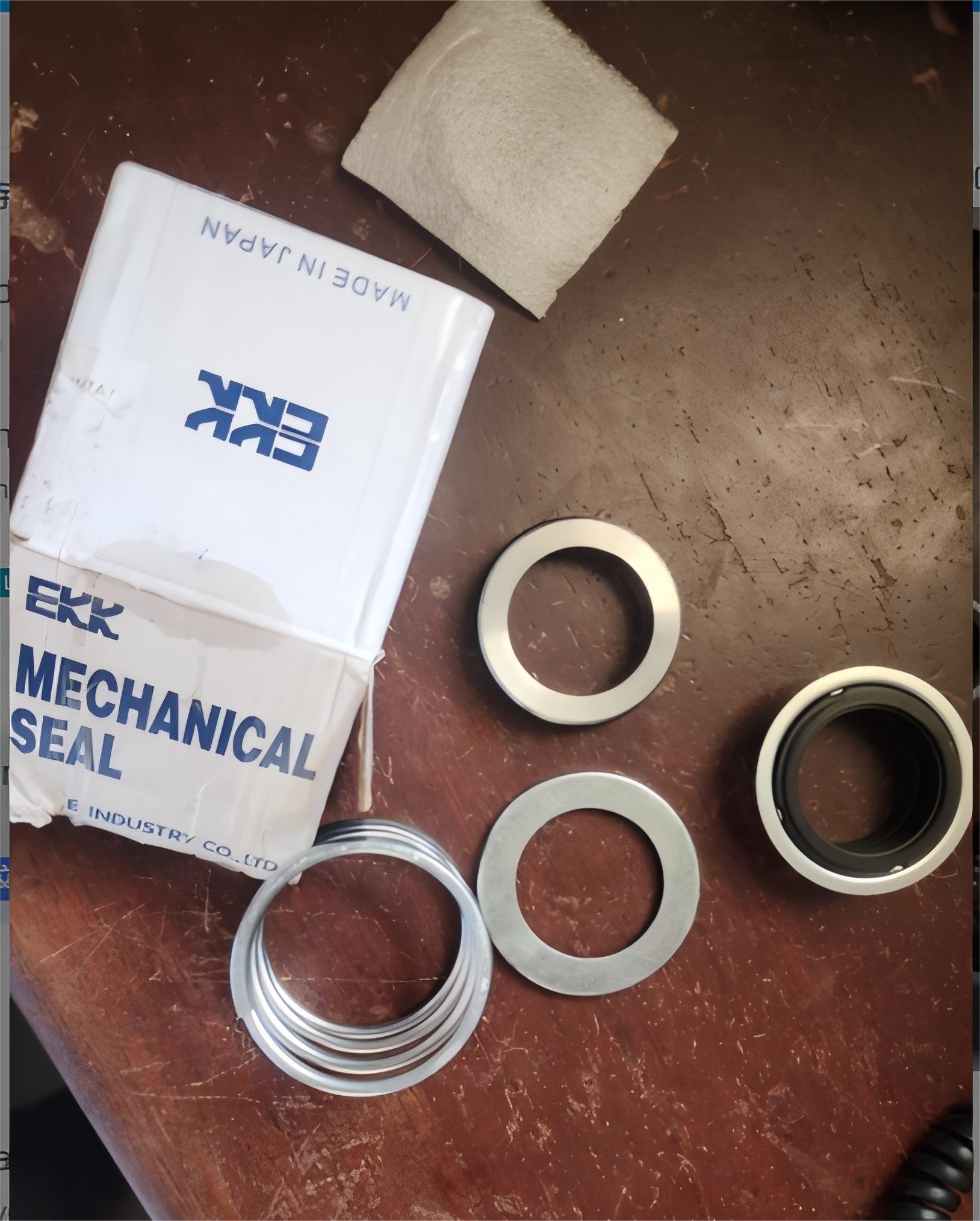
A shaft seal is a critical component that directly impacts the longevity and performance of cooling units in industrial and commercial applications. Without proper sealing at the compressor shaft, refrigerant and oil leakage can compromise system efficiency, increase energy costs, and lead to premature equipment failure. Understanding how a shaft seal improves system durability helps facility managers make informed maintenance decisions and invest in reliable cooling infrastructure.
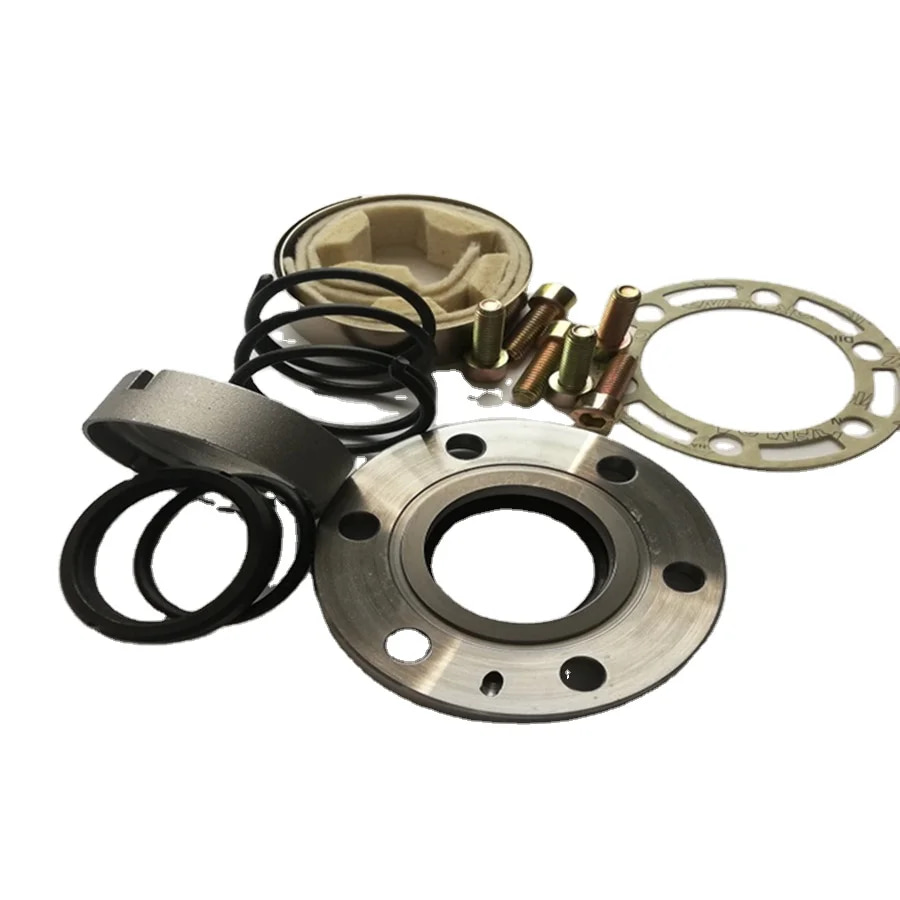
The primary function of a shaft seal in cooling units is to prevent refrigerant, compressor oil, and moisture from escaping the sealed chamber where the compressor operates. When a shaft seal deteriorates or fails, even minor leaks can trigger a cascade of problems: reduced refrigerant charge, oil starvation in bearing surfaces, moisture ingress leading to acid formation, and increased workload on the compressor motor. Selecting and maintaining a high-quality shaft seal is therefore not optional but essential for protecting your entire cooling system investment.
Understanding Shaft Seal Function and Design
Core Sealing Mechanism
A shaft seal operates at the point where the compressor drive shaft penetrates the sealed compressor housing. The shaft seal assembly typically includes rotating and stationary seal faces, elastomer materials, and spring mechanisms that maintain contact pressure. This precise mechanical interface creates a barrier that stops fluid migration while allowing the shaft to rotate smoothly. Modern shaft seal designs use dual-face technology or wave spring configurations to adapt to thermal expansion and compressor vibration, ensuring consistent sealing performance across varying operating conditions.
Material Selection and Durability Impact
The durability of a shaft seal directly depends on material selection and manufacturing quality. Premium shaft seal components use fluorocarbon elastomers, tungsten carbide faces, and stainless steel springs that resist refrigerant attack, thermal cycling, and oxidation. Lower-grade materials in a shaft seal compromise sealing effectiveness within months, leading to leakage that goes unnoticed until significant system damage occurs. Investing in OEM-grade or equivalent-quality shaft seal replacements ensures that your cooling unit maintains integrity throughout its operational lifespan.
How Shaft Seal Maintenance Preserves System Durability
Preventive Inspection and Early Detection
Regular inspection protocols identify shaft seal degradation before catastrophic failure occurs. Facility technicians should monitor for visible oil stains around the compressor housing, measure refrigerant levels monthly, and check for unexpected pressure fluctuations that signal leakage. When a shaft seal shows early signs of weeping or micro-leakage, prompt replacement prevents total system evacuation and extends the service interval of your cooling equipment. Preventive maintenance on the shaft seal costs significantly less than emergency repairs, compressor replacement, or extended downtime from system failure.
Oil Analysis as a Diagnostic Tool
Compressor oil samples reveal critical information about shaft seal condition and system health. High acid numbers, water content, or metallic particle concentrations often indicate that the shaft seal has begun to fail, allowing contamination ingress. When oil analysis shows degradation markers, scheduling immediate shaft seal replacement prevents secondary damage to bearings, valve assemblies, and other precision compressor components. This proactive diagnostic approach transforms maintenance from reactive crisis response into strategic asset management that protects cooling unit durability.
Shaft Seal Replacement and Durability Outcomes
Installation Best Practices
Proper installation of a shaft seal dramatically influences its performance and lifespan. Technicians must follow exact torque specifications, alignment procedures, and cleanliness protocols during replacement to ensure the shaft seal faces seat correctly and maintain optimal contact pressure. Contamination during installation—dust, moisture, or stray metallic particles—can scratch seal faces and cause immediate leakage even in new shaft seal assemblies. Facilities that enforce strict installation procedures and use calibrated tools experience significantly longer intervals between shaft seal replacements and fewer unplanned outages.
System Recovery and Performance Restoration
When a failing shaft seal is replaced promptly, the cooling unit typically regains full operational efficiency within hours. New shaft seal installation includes system evacuation, refrigerant recharge to factory specifications, and oil circulation to restore bearing lubrication. Cooling units that receive timely shaft seal maintenance demonstrate stable discharge temperatures, consistent run-time efficiency, and predictable maintenance intervals. Delayed shaft seal replacement, by contrast, forces compressors to work harder with incomplete refrigerant charge, leading to thermal stress and accelerated wear on all mechanical components.
FAQ
How often should a shaft seal be replaced in industrial cooling units?
Most industrial shaft seal assemblies operate reliably for 3–5 years under normal conditions, though lifespan varies based on refrigerant type, operating temperature cycles, compressor run-hours, and maintenance quality. Environmental factors such as vibration, contamination exposure, and thermal cycling accelerate shaft seal degradation. Annual oil analysis and quarterly visual inspections help determine whether your specific shaft seal requires replacement sooner than scheduled maintenance windows. Facilities operating high-capacity cooling units in harsh environments often replace the shaft seal every 2–3 years as preventive practice.
What are the signs that a shaft seal is failing?
Visible indicators include weeping or dripping compressor oil, refrigerant odor near the compressor housing, frost or ice formation around seal areas, and unexplained pressure drops during operation. System performance clues include longer run cycles to maintain setpoint, increased discharge temperature, and audible compressor noise from bearing distress caused by oil starvation when the shaft seal leaks. Oil samples showing elevated acid numbers or water content also suggest shaft seal integrity loss. Any combination of these warning signs warrants immediate professional shaft seal inspection and replacement to prevent full system failure.
Can a damaged shaft seal be repaired or must it be replaced?
A damaged shaft seal cannot be effectively repaired and must be replaced entirely because the seal faces, springs, and elastomer components are precision-engineered assemblies that operate at micron-level tolerances. Once seal faces scratch or spring tension decreases, no field repair restores sealing effectiveness. Attempting to reuse or partially repair a shaft seal results in immediate re-leakage and secondary system contamination. Full shaft seal replacement with OEM or equivalent-quality components is the only reliable solution that restores cooling unit durability and prevents repeat failures within weeks or months.