
 EN
EN



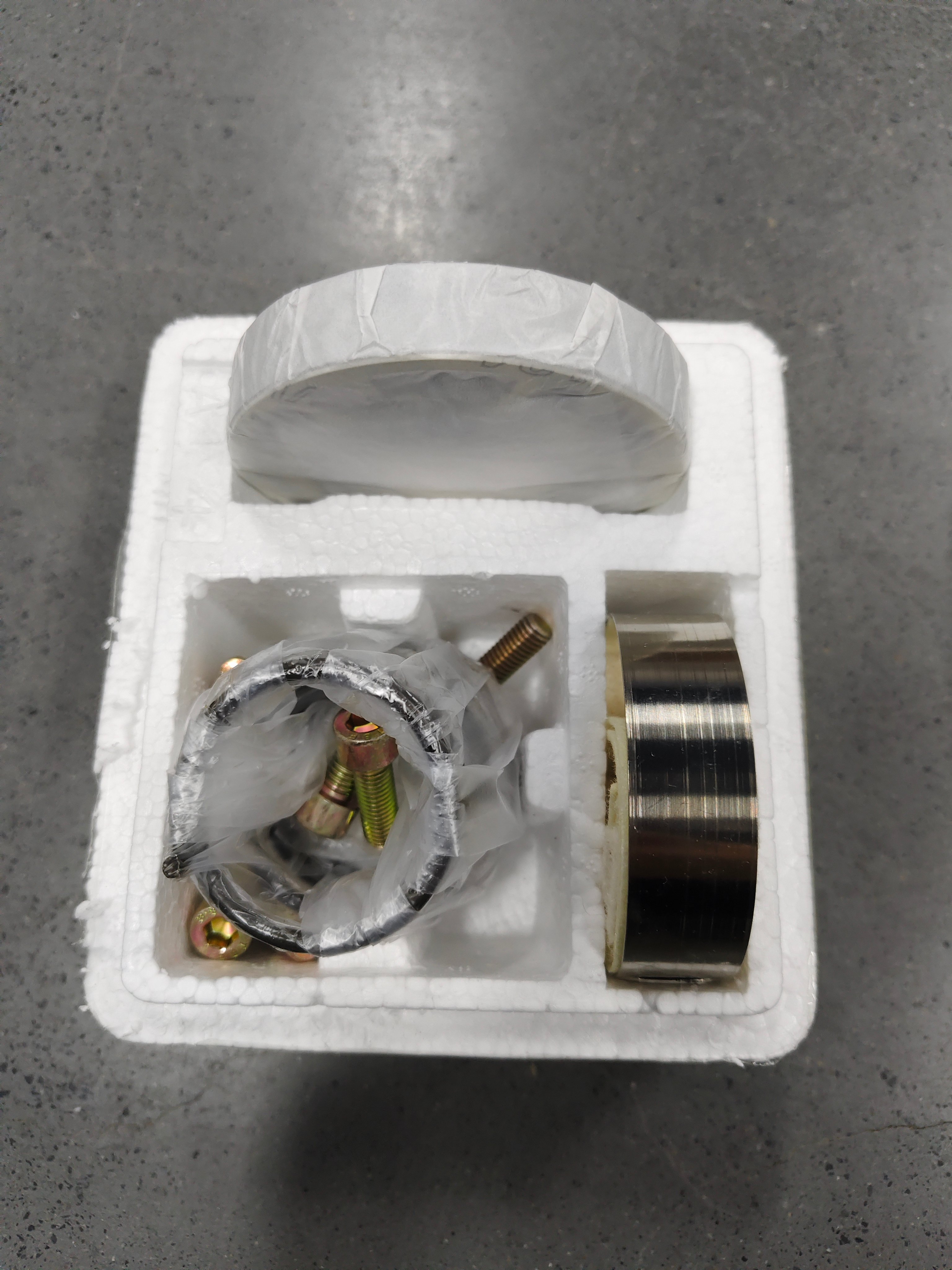
A shaft seal is one of the most critical yet often overlooked components in industrial compressor systems. Understanding why a shaft seal matters can mean the difference between a compressor that runs reliably for years and one that fails prematurely, leading to expensive downtime and repair costs. In reciprocating compressors, rotary screw compressors, and other compression equipment, the shaft seal serves as the primary barrier preventing refrigerant, oil, and moisture from escaping the compressor chamber while blocking contamination from entering. Without a properly functioning shaft seal, compressor performance degrades rapidly, efficiency drops, and catastrophic mechanical failure becomes inevitable.
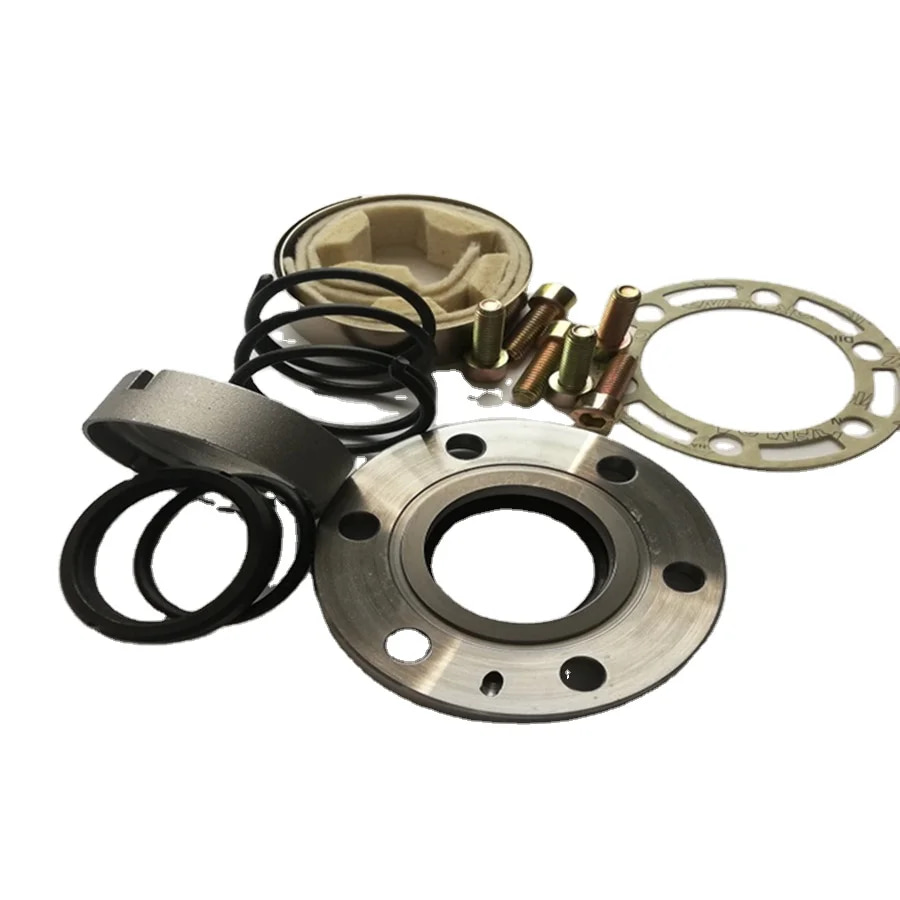
The importance of a shaft seal extends far beyond simple containment. Every day, compressors operate under extreme pressure and temperature conditions that test the integrity of every internal component. A shaft seal must withstand these harsh environments while maintaining a perfect barrier between the refrigerant system and the external atmosphere. When a shaft seal begins to wear or fail, the consequences ripple throughout the entire system, affecting energy consumption, component lifespan, and system safety. For facility managers, HVAC professionals, and industrial operators, recognizing the critical role of a shaft seal is essential to maintaining optimal compressor performance and avoiding premature equipment replacement.
How a Shaft Seal Protects Compressor Integrity
The Primary Containment Function
The core responsibility of a shaft seal is to create an impermeable barrier where the compressor shaft passes through the compressor housing. Inside the compressor chamber, refrigerant circulates at high pressure while the shaft rotates continuously. A shaft seal prevents refrigerant leakage at this critical junction point. Without proper sealing, refrigerant would escape into the atmosphere, compromising system pressure and causing the compressor to work harder to maintain cooling capacity. This additional workload stresses motor bearings, increases energy consumption, and accelerates wear on internal components. The shaft seal also prevents oil leakage, which is equally important because oil provides lubrication to the compressor's internal moving parts. When oil escapes past a failing shaft seal, the compressor loses essential lubrication, leading to friction, heat generation, and eventual mechanical seizure.
Environmental Protection and Contamination Prevention
A properly maintained shaft seal works bidirectionally to keep harmful contaminants out of the refrigeration circuit. Moisture, dust, and debris from the surrounding environment pose serious threats to compressor longevity. Moisture entering the system creates acids that corrode internal surfaces and damage compressor windings. Dust and particulates can lodge in oil passages and valve seats, restricting flow and causing performance loss. The shaft seal acts as a defensive wall, preventing these contaminants from entering the refrigerant and oil circuits. When a shaft seal deteriorates, the system becomes vulnerable to environmental contamination, leading to accelerated corrosion, reduced cooling efficiency, and compressor failure. This protective function makes the shaft seal an investment in system longevity and operational reliability.
The Direct Impact of Shaft Seal Failure on Compressor Performance
Performance Degradation and Energy Loss
When a shaft seal begins to fail, the first noticeable sign is typically reduced cooling capacity or increased energy consumption without corresponding cooling improvement. A deteriorating shaft seal allows refrigerant to leak from the high-pressure side of the compressor to the low-pressure side, reducing the pressure differential that drives the refrigeration cycle. The compressor must run longer and work harder to compensate for this pressure loss, consuming significantly more electrical power. Facility operators may observe that their cooling system takes longer to reach setpoint temperature, runs continuously without achieving target performance, or shows unusual spikes in energy bills. These symptoms directly trace back to a failing shaft seal that is no longer maintaining system integrity. Beyond energy waste, a leaking shaft seal also reduces system capacity, meaning the compressor cannot deliver the refrigerant flow rate required for optimal cooling performance.
Mechanical Failure and Expensive Repairs
The consequences of ignoring a failing shaft seal escalate quickly from performance loss to catastrophic mechanical failure. When refrigerant escapes and oil leaks, internal compressor components lose protection and lubrication. Metal-to-metal contact occurs between moving parts, generating extreme friction and heat. This thermal stress causes internal surfaces to weld together, freezing the compressor shaft and rendering the unit completely inoperable. At this advanced stage, a simple shaft seal replacement becomes unnecessary because the entire compressor must be replaced, representing a massive financial loss. Additionally, a severely compromised shaft seal allows moisture and acid to accumulate inside the compressor, damaging motor windings and electronic components beyond repair. The cost differential between replacing a single shaft seal early and replacing an entire compressor unit later is substantial, making proactive shaft seal maintenance a financially prudent decision.
Extending Compressor Life Through Shaft Seal Maintenance
Recognition and Early Intervention
Experienced technicians and facility managers know that detecting shaft seal problems early is critical to preventing catastrophic failure. Early warning signs of a failing shaft seal include visible oil residue around the compressor base, hissing sounds indicating refrigerant escape, or unusual temperature variations during operation. If you notice oil accumulation beneath the compressor or smell characteristic refrigerant odor near the equipment, these signals point to a compromised shaft seal that requires immediate attention. Some modern compressors include shaft seal monitoring systems that alert operators to pressure anomalies consistent with shaft seal leakage. Responding quickly to these indicators allows technicians to schedule a shaft seal replacement during planned maintenance windows rather than facing emergency shutdown and rapid equipment deterioration. This proactive approach to shaft seal management preserves compressor functionality and extends system lifespan significantly.
Preventive Maintenance and Inspection Protocols
A comprehensive maintenance program that includes regular shaft seal inspection is essential for optimizing compressor performance and reliability. Technicians should visually examine the compressor housing and shaft area during routine service calls, looking for any evidence of oil leakage or refrigerant escape. Pressure tests can identify internal leakage rates consistent with shaft seal deterioration before visible failure occurs. Oil analysis can reveal the presence of refrigerant in the oil circuit, indicating shaft seal failure, while also detecting metallic particles from internal wear. Following manufacturer recommendations for shaft seal replacement intervals prevents unexpected failure and ensures continued optimal performance. Facilities that maintain rigorous shaft seal inspection and replacement schedules experience dramatically fewer emergency compressor failures, reduced maintenance costs, and consistent cooling system performance. This preventive investment in shaft seal care directly translates to improved system uptime and operational efficiency.
FAQ
How often should a shaft seal be replaced in a typical commercial compressor?
The replacement interval for a shaft seal depends on compressor design, operating hours, ambient conditions, and maintenance quality. Most reciprocating and rotary screw compressors have shaft seal service life ranging from three to seven years under normal operating conditions. However, compressors running 24/7 in harsh environments with temperature fluctuations may require shaft seal replacement more frequently. Always consult the equipment manufacturer's maintenance manual for specific shaft seal replacement recommendations for your particular compressor model. Keeping detailed maintenance records helps track shaft seal performance and predict replacement timing accurately.
Can a failing shaft seal cause complete compressor shutdown?
Yes, a severely failing shaft seal can lead to complete compressor shutdown if not addressed promptly. When a shaft seal fails catastrophically, refrigerant pressure equalizes inside the compressor, eliminating the pressure differential needed for normal operation. Additionally, oil loss from a compromised shaft seal removes lubrication from internal moving parts, causing friction and potentially seizing the compressor shaft. Once the shaft seizes, the electric motor cannot turn the compressor mechanism, resulting in complete failure. This scenario demonstrates why identifying shaft seal problems early through routine inspections is absolutely critical to avoiding expensive emergency replacements.
What signs indicate that a shaft seal needs immediate replacement?
Several warning signs indicate that a shaft seal requires immediate attention. Visible oil leakage around the compressor base, persistent hissing or whistling sounds, reduced cooling capacity despite normal operating cycles, and unusually high energy consumption all suggest shaft seal failure. Some compressors also display elevated discharge temperatures when the shaft seal begins failing because internal circulation patterns change as refrigerant escapes. If you notice any combination of these symptoms, contact a qualified technician to inspect the shaft seal immediately. Delaying shaft seal replacement after recognizing these symptoms risks rapid escalation to catastrophic compressor failure.