
 EN



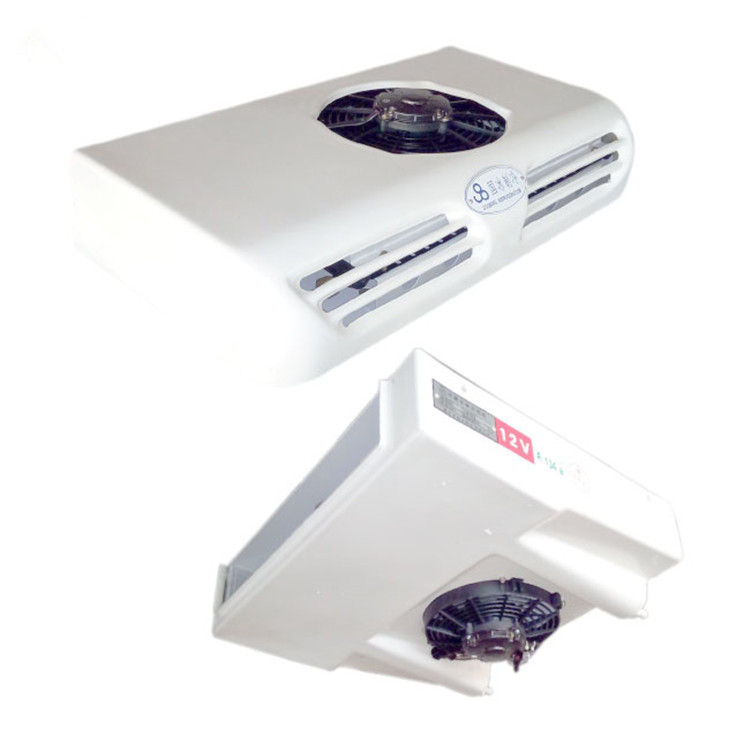
A truck air conditioner is more than just a comfort feature for drivers spending long hours on the road. Modern truck air conditioner systems directly impact fuel consumption, engine performance, and overall operational costs. Understanding how a truck air conditioner improves energy efficiency reveals why fleet managers and owner-operators prioritize upgrading to advanced cooling solutions. When a truck air conditioner operates efficiently, it reduces the strain on the engine, minimizes parasitic load, and enables better fuel economy during highway driving and local routes alike.
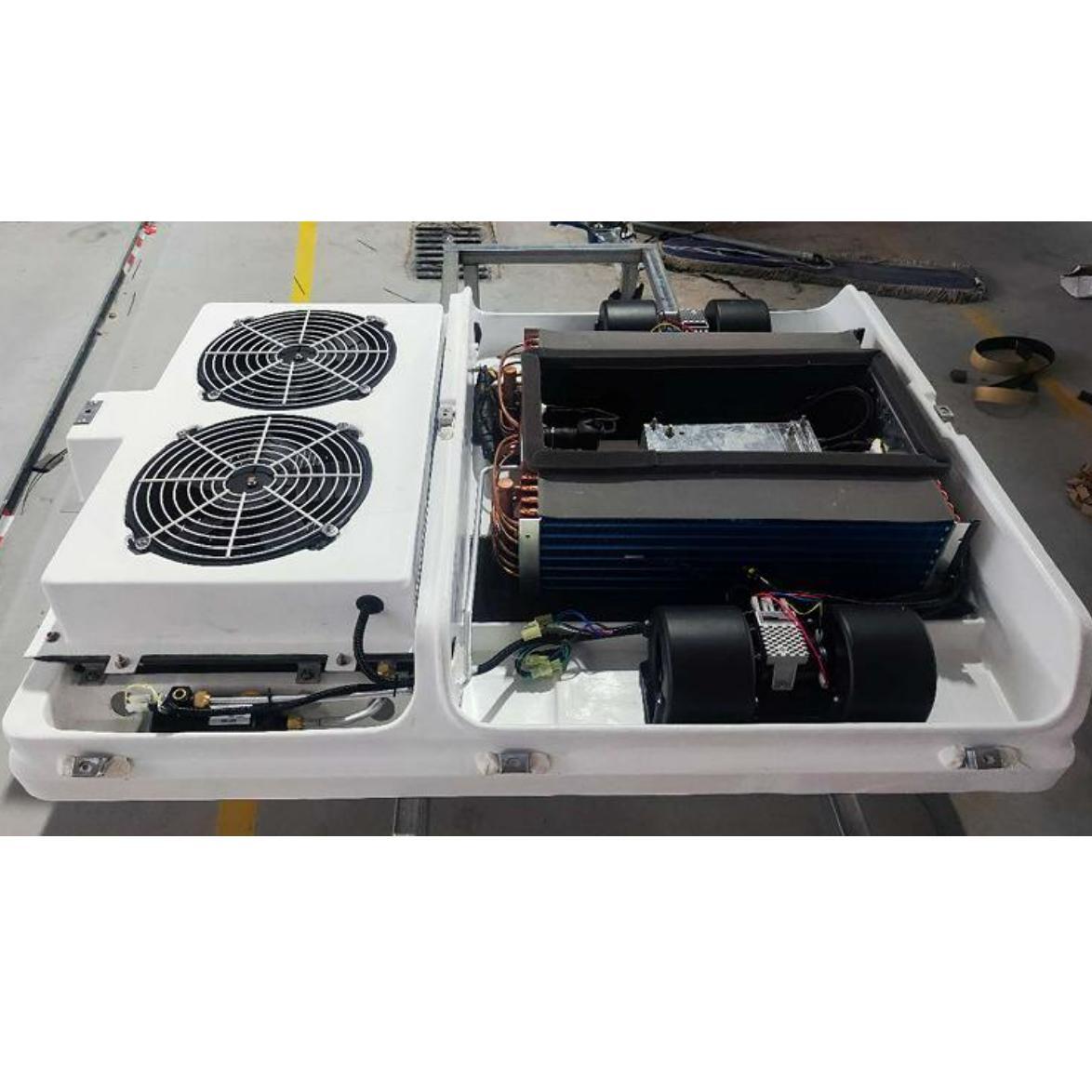
Energy efficiency in mobile climate control has evolved significantly over the past decade. Legacy truck air conditioner designs relied on continuously running compressors that drew substantial power from the engine, increasing fuel burn regardless of actual cooling demand. Today, advanced truck air conditioner technology incorporates variable-displacement compressors, smart cycling systems, and refined refrigerant formulations that maintain cabin comfort while preserving fuel efficiency. Fleet operators who invest in efficient truck air conditioner systems report measurable reductions in overall energy consumption and noticeable improvements in bottom-line profitability.
How a Truck Air Conditioner Reduces Engine Load and Fuel Consumption
Variable Compressor Technology in Modern Truck Air Conditioner Systems
The heart of an efficient truck air conditioner lies in its compressor design. Traditional fixed-displacement compressors run at full capacity whenever the truck air conditioner is activated, consuming constant horsepower regardless of cooling need. Modern truck air conditioner systems employ variable-displacement compressors that adjust output based on real-time cabin temperature and humidity. This adaptive truck air conditioner approach means the compressor delivers only the cooling capacity needed at any given moment, dramatically reducing the parasitic energy loss that traditionally plagued truck air conditioner operation on highways.
When a truck air conditioner uses variable displacement technology, the engine experiences less rotational resistance, allowing more fuel energy to convert to forward motion rather than cooling power. For long-haul truck air conditioner scenarios, this efficiency gain compounds across thousands of miles, translating to tangible fuel savings. Fleet studies consistently show that upgrading to variable-capacity truck air conditioner systems reduces fuel consumption by 3 to 7 percent compared to older fixed-compressor designs, making the truck air conditioner investment recoverable within 18 to 36 months of operation.
Optimized Refrigerant Circulation and System Pressure Management
An efficient truck air conditioner also depends on optimized refrigerant flow and pressure regulation. Advanced truck air conditioner systems use high-efficiency condenser designs and precision expansion valves that minimize pressure drops and maximize heat transfer at lower fan speeds. When a truck air conditioner maintains ideal system pressure with reduced air-side restriction, the compressor requires less energy to circulate refrigerant, further lowering fuel consumption. Proper truck air conditioner maintenance, including periodic refrigerant charge verification and leak detection, ensures the system continues delivering peak energy efficiency throughout its operational life.
Electronic controls in contemporary truck air conditioner assemblies monitor compressor discharge pressure and adjust cycling to prevent excessive system stress. This intelligent truck air conditioner management approach prevents the surge in fuel demand that occurs when older truck air conditioner systems allow pressure to build unchecked. By maintaining a truck air conditioner within its optimal operating envelope, fleet operators preserve engine efficiency while ensuring reliable cabin climate control across diverse weather conditions and seasonal driving patterns.
Driver Comfort and Reduced Fatigue as Energy Efficiency Gains
Temperature Stability and Productivity Impact of Quality Truck Air Conditioner Performance
An efficient truck air conditioner directly supports driver wellbeing and alertness during extended shifts. Poor cabin climate control forces drivers to compensate by opening windows or adjusting seat positioning, both of which increase aerodynamic drag and reduce fuel efficiency further. A well-engineered truck air conditioner maintains steady temperatures within the optimal 68 to 74 degree Fahrenheit range, minimizing driver distraction and reducing unsafe behavior patterns. Fleets operating modern truck air conditioner systems report fewer fatigue-related incidents and improved compliance with hours-of-service regulations because drivers remain more alert and physically comfortable.
The relationship between truck air conditioner efficiency and driver retention also carries financial weight. Owner-operators and fleet drivers increasingly demand reliable truck air conditioner performance as a condition of employment, particularly in warm climates where cabin cooling is non-negotiable. A truck air conditioner that operates quietly, maintains consistent temperature, and doesn't require constant adjustments enhances driver satisfaction and reduces turnover costs. This indirect benefit of efficient truck air conditioner technology often exceeds the direct fuel savings when factoring in recruitment, training, and replacement logistics.
Humidity Control and Window Fogging Prevention
Modern truck air conditioner systems incorporate humidity management features that improve both safety and energy efficiency. When a truck air conditioner includes proper dehumidification, moisture is removed from incoming air during cooling, preventing windshield fogging that forces drivers to disable the truck air conditioner and open windows. This integrated truck air conditioner dehumidification ensures drivers maintain visibility without sacrificing climate control, eliminating the efficiency trade-off that plagued earlier designs. Enhanced visibility directly reduces accident risk and insurance claims, adding another layer of operational benefit beyond simple fuel economy metrics.
System Maintenance and Long-Term Energy Efficiency of Your Truck Air Conditioner
Preventive Maintenance Strategies for Sustained Truck Air Conditioner Performance
Maximizing the energy efficiency gains from a truck air conditioner requires consistent maintenance discipline. Condenser fins accumulate dust, insects, and road debris that restrict airflow, forcing a truck air conditioner to work harder and consume more fuel. Regular condenser cleaning every 30 to 60 thousand miles preserves truck air conditioner efficiency by ensuring unrestricted heat rejection. Additionally, checking refrigerant charge levels, inspecting hoses for leaks, and verifying compressor clutch engagement prevents the performance degradation that makes an older truck air conditioner progressively less efficient over time.
The cabin air filter also deserves attention in any truck air conditioner maintenance program. A clogged cabin air filter forces the truck air conditioner evaporator to work against higher resistance, increasing compressor load and fuel consumption. Replacing the cabin air filter annually or when visibly contaminated ensures the truck air conditioner system operates at design efficiency. Many fleet managers include truck air conditioner system checks as part of quarterly preventive maintenance schedules, capturing refrigerant leaks early before efficiency loss becomes pronounced and costly.
Component Upgrades and System Optimization for Modern Trucks
Fleets operating older vehicles often benefit significantly from upgrading to modern truck air conditioner components and assemblies. truck air conditioner assemblies engineered with current technology offer substantially better efficiency than legacy systems retrofitted with marginal updates. Installing an updated truck air conditioner assembly may require investment in new compressor, condenser, and control modules, but the cumulative fuel savings and improved reliability typically justify the capital expenditure within two to three years. Fleet managers should evaluate total cost of ownership rather than focusing only on upfront truck air conditioner component pricing.
Electronic control integration represents another dimension of modern truck air conditioner optimization. Smart truck air conditioner systems communicate with engine management computers to adjust timing and load distribution based on cooling demand. Advanced diagnostic features in contemporary truck air conditioner designs enable technicians to identify emerging problems before they cause efficiency loss or system failure, reducing downtime and maintaining the operational benefit that an efficient truck air conditioner provides across the entire fleet.
FAQ
What percentage of fuel consumption does an efficient truck air conditioner typically save?
An efficient truck air conditioner with variable-displacement compressor technology generally reduces fuel consumption by 3 to 7 percent compared to older fixed-capacity systems. The actual truck air conditioner fuel savings depend on climate conditions, driving patterns, and system maintenance quality. In hot climates where a truck air conditioner runs continuously, savings tend toward the higher end of the range, whereas moderate climates may see more modest improvements. Fleet operators conducting baseline fuel consumption studies before and after upgrading their truck air conditioner systems report consistently positive results in the 3 to 7 percent range.
How often should a truck air conditioner system receive maintenance to maintain efficiency?
A truck air conditioner system should receive preventive maintenance every 30 to 60 thousand miles or seasonally, whichever occurs first. This truck air conditioner maintenance schedule typically includes condenser cleaning, refrigerant charge verification, hose and seal inspection, and cabin air filter replacement. Many fleets incorporate quarterly truck air conditioner checks into their standard maintenance program to catch refrigerant leaks and compressor issues early. Consistent truck air conditioner maintenance preserves energy efficiency and prevents costly emergency repairs that disrupt vehicle availability and increase total operational costs.
Can an old truck air conditioner system be upgraded to improve energy efficiency?
Yes, an older truck air conditioner system can be upgraded by replacing the compressor, condenser, and control electronics with modern components, though sometimes a complete truck air conditioner assembly replacement proves more cost-effective than partial upgrades. Retrofitting an old truck air conditioner with variable-displacement compressors and electronic controls can deliver substantial efficiency improvements, particularly when combined with proper system evacuation, recharge, and leak repair. However, fleet managers should evaluate whether upgrading a truck air conditioner in vehicles approaching end-of-service life makes financial sense compared to retiring the vehicle. For trucks with significant remaining service years ahead, a comprehensive truck air conditioner upgrade typically delivers strong return on investment through fuel savings and improved reliability.