
 EN



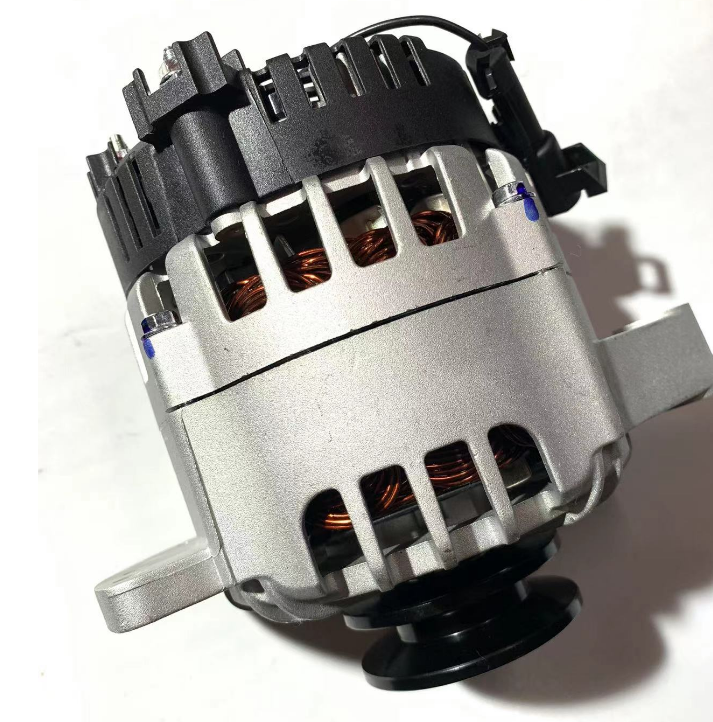
An alternator generator is the backbone of modern truck electrical systems, delivering consistent power to engines, auxiliary systems, and onboard equipment under extreme operating conditions. In the heavy-duty transport industry, system reliability directly impacts operational efficiency, safety, and profitability. A robust alternator generator prevents unexpected breakdowns, reduces maintenance costs, and ensures that critical truck functions operate without interruption. Understanding how an alternator generator strengthens overall system reliability helps fleet managers and truck operators make informed decisions about electrical component upgrades and maintenance protocols.

The electrical demands placed on trucks today exceed those of a decade ago. Modern trucks carry power-hungry systems including advanced engine controls, telematics platforms, auxiliary heating units, and entertainment systems. An alternator generator must supply adequate power to both start the engine and sustain these concurrent loads without voltage fluctuation. This dual responsibility makes alternator generator performance essential to preventing cascading electrical failures that can strand trucks on the road and disrupt supply chains.
Core Functions of an Alternator Generator in Truck Systems
Primary Power Generation and Battery Recharging
The alternator generator's primary role is to convert mechanical energy from the engine into electrical power. After the starter motor uses battery charge to crank the engine, the alternator generator immediately assumes responsibility for replenishing battery reserves and powering all running systems. In heavy-duty trucks, an alternator generator must maintain voltage output between 27 and 28 volts for 24-volt systems or 13.5 to 14.5 volts for 12-volt systems. This precise voltage regulation is critical because voltage fluctuations damage sensitive electronic controllers and reduce the lifespan of auxiliary equipment. An alternator generator that fails to maintain stable output creates a cascade of electrical stress across the entire truck system.
Load Management and Voltage Stability
A high-capacity alternator generator manages varying electrical loads throughout the operating day. Early morning starts demand maximum available power, while cruising at highway speeds requires different power profiles. An alternator generator with intelligent voltage regulation automatically adjusts output to match instantaneous demand without creating surge conditions. This adaptive performance prevents battery overcharging during light-load periods and ensures adequate reserve power for high-demand events like engine starting in cold weather or simultaneous activation of auxiliary systems. Trucks relying on undersized alternator generators often experience low-voltage conditions that compromise electronic systems and accelerate component wear.
Reliability Benefits of Upgrading to High-Performance Alternator Generators
Extended Component Lifespan and Reduced Premature Failures
An alternator generator engineered for heavy-duty applications delivers superior durability compared to standard units. Premium alternator generator models feature reinforced bearing assemblies, advanced brush designs, and robust voltage regulators that withstand shock loads and thermal cycling. Fleet maintenance data consistently shows that high-quality alternator generator installations reduce electrical-related downtime by 30 to 45 percent compared to economy alternatives. When an alternator generator operates within design specifications, all downstream components experience normal electrical stress levels. This translates directly into extended service life for batteries, starter motors, engine control modules, and auxiliary systems. The cost of upgrading to a premium alternator generator typically recovers within two to three years through elimination of repeat failures and reduced warranty claims.
Cold-Weather Starting Performance and System Activation
Arctic conditions and winter operations severely stress electrical systems. An alternator generator designed for extreme temperature ranges ensures reliable engine starting and immediate auxiliary system activation when outside air temperatures drop below minus 20 degrees Celsius. Industrial-grade alternator generator units incorporate heating-resistant insulation, corrosion-resistant terminals, and internal voltage regulation that compensates for temperature effects on battery chemistry. Trucks equipped with undersized or worn alternator generators frequently experience starting difficulties in cold climates because insufficient initial voltage prevents proper solenoid engagement. A reliable alternator generator eliminates these cold-start failures and maintains consistent performance across seasonal temperature swings.
Practical Implementation and Integration Considerations
Selection Criteria and Specification Matching
Choosing the correct alternator generator requires matching output capacity to total electrical load and considering future growth. Truck operators must calculate steady-state power demand during normal operations and add a 20 to 30 percent safety margin for peak load periods. An undersized alternator generator operates continuously at maximum output, generating excessive heat and accelerating internal component degradation. Conversely, an oversized alternator generator adds unnecessary weight and cost while providing minimal reliability improvement. Professional alternator generator selection considers engine type, battery capacity, auxiliary equipment packages, and intended operating environment. Manufacturers typically recommend alternator generators with 150 to 200 amperes of output capacity for modern heavy-duty trucks running comprehensive electronic systems.
Installation and Maintenance Protocols
Proper installation of an alternator generator is as critical as component selection. Loose mounting hardware allows excessive vibration that damages internal bearings and accelerates brush wear. An alternator generator installation must include secure bracketing, appropriate serpentine belt tension adjustment, and correct electrical connections with proper gauge wiring. Maintenance protocols for alternator generators include periodic visual inspection for corrosion or loose connections, serpentine belt condition assessment, and voltage output testing at intervals specified by the manufacturer. Many fleet operators implement preventive alternator generator replacement at 300,000 to 400,000 kilometers of service, long before failure occurs, to eliminate roadside breakdowns and associated logistics disruptions. Investing in professional installation and scheduled maintenance maximizes the reliability benefits delivered by premium alternator generator equipment.
FAQ
What happens if an alternator generator fails while a truck is operating?
When an alternator generator fails during operation, the truck relies entirely on battery charge to power engine management systems, lights, and auxiliary equipment. Battery discharge typically occurs within 30 minutes to two hours depending on electrical load. Loss of alternator generator output causes warning lights to illuminate on the instrument cluster, engine performance may become erratic as the engine control module experiences voltage instability, and the truck operator faces potential roadside breakdown if not near a service facility. Modern trucks with sophisticated electronic systems are particularly vulnerable to alternator generator failures because they cannot tolerate prolonged low-voltage conditions without triggering fault codes and engine limp-mode operation.
Can an undersized alternator generator compromise truck safety?
Yes, an undersized alternator generator creates safety risks by reducing available power for critical functions. Headlights and auxiliary lighting may dim during high electrical demand, reducing visibility in nighttime operations. Brake system electronics that depend on stable voltage for proper function may experience hesitation or delayed response if an undersized alternator generator cannot maintain voltage output during simultaneous activation of multiple loads. Electronic stability control systems, anti-lock braking, and collision avoidance systems all require consistent electrical supply. An alternator generator that cannot reliably power these safety-critical systems increases accident risk and violates regulatory compliance requirements for commercial truck operations.
How often should an alternator generator be tested or replaced?
An alternator generator should be tested at every scheduled maintenance interval and immediately when electrical symptoms appear. Load testing measures whether an alternator generator maintains specified voltage output under representative electrical demand conditions. Most heavy-duty fleet operators implement alternator generator replacement as part of routine preventive maintenance every 250,000 to 400,000 kilometers, depending on operating environment severity and manufacturer recommendations. Trucks operating in harsh conditions such as extreme temperature ranges, high-dust environments, or frequent short trips may require more frequent alternator generator assessment and earlier replacement to maintain system reliability.