
 EN



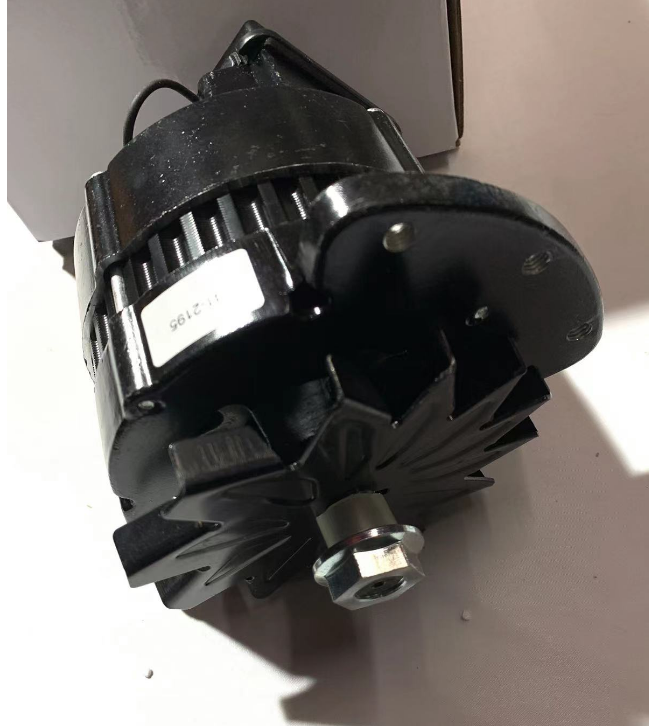
The alternator generator is the backbone of modern vehicle electrical systems, responsible for converting mechanical energy into electrical power that keeps your engine running smoothly and your battery charged. Without a properly functioning alternator generator, your vehicle would lose all electrical power shortly after engine start, leaving you stranded and unable to operate critical systems like ignition, fuel injection, and lighting. Understanding how an alternator generator works helps vehicle owners recognize the importance of this component and catch potential failures before they create dangerous situations.

The alternator generator operates through electromagnetic induction, transforming the rotational motion of your engine crankshaft into steady electrical current that powers all vehicle systems simultaneously. This constant power generation ensures your battery stays charged throughout operation while simultaneously supplying electricity to the starter motor, fuel pump, ignition coils, dashboard displays, climate control, and safety systems. The alternator generator achieves this dual responsibility through an integrated voltage regulator that maintains stable output regardless of engine speed variations.
Core Function of the Alternator Generator in Vehicle Electrical Systems
Continuous Power Generation During Engine Operation
An alternator generator maintains electrical power flow the moment your engine starts, working continuously to supply the electrical demands of every vehicle component. The alternator generator produces alternating current through its rotor and stator coils, which a rectifier then converts to direct current compatible with your vehicle battery and electrical systems. This continuous generation prevents battery depletion and ensures uninterrupted power to critical engine management systems, fuel delivery mechanisms, and safety equipment throughout your drive.
Battery Charging and Voltage Regulation
The alternator generator actively charges your battery while simultaneously powering your vehicle's electrical loads, maintaining optimal battery voltage between 13.5 and 14.5 volts for most systems. The voltage regulator within the alternator generator automatically adjusts output current based on actual demand and battery state, preventing overcharging during idle periods and boosting output during high-load conditions like cold starts or full electrical accessory usage. This intelligent regulation extends battery life significantly and prevents electrical system failures that would otherwise occur from inconsistent voltage delivery.
How Alternator Generator Components Support Reliable Electrical Performance
Rotor, Stator, and Rectifier Integration
The alternator generator consists of three primary electromagnetic components working together to create usable electrical power. The rotor spins within the stator coils, generating alternating current through magnetic field induction, while the rectifier converts this AC output into DC current that matches your vehicle battery chemistry and electrical system requirements. This three-component design makes the alternator generator efficient at various engine speeds, from idle conditions where minimal electrical power is needed to high-RPM highway driving where maximum power availability becomes critical.
Built-In Regulation and Control Systems
Modern alternator generator units incorporate sophisticated voltage regulators that monitor real-time electrical system conditions and adjust output instantaneously to match demand. The alternator generator's regulator senses battery voltage and compares it against a reference setpoint, modulating field current to the rotor and controlling overall output without operator intervention. This automatic regulation means your alternator generator responds intelligently to engine speed changes, accessory switches, and battery charge state fluctuations, ensuring consistent power delivery whether you're idling in traffic or accelerating on highway ramps.
Electrical System Protection and Load Management Through Alternator Generator Technology
Preventing Battery Drain and Electrical Failure
An efficient alternator generator prevents battery discharge by maintaining sufficient charge during all normal driving conditions, eliminating the situation where accessories and engine systems would drain battery reserves faster than the charging system replenishes them. The alternator generator's continuous output ensures your battery retains adequate state of charge for reliable engine starting and system backup power, even after extended periods of accessory usage or frequent short trips that would otherwise deplete battery capacity. This protection mechanism keeps your vehicle reliable and prevents the cascading electrical failures that occur when battery voltage falls below system requirements.
Managing Peak Power Demand Scenarios
During cold weather starts, high-load electrical situations, or simultaneous activation of multiple accessories, the alternator generator must supply substantially more current than during normal cruising. The alternator generator is engineered to handle these peak demands without voltage sag that would compromise engine management computer function or safety system operation. By maintaining adequate voltage during demanding electrical scenarios, the alternator generator ensures your engine control modules, transmission computers, and safety systems maintain full operational capability regardless of electrical load conditions.
FAQ
What voltage should a healthy alternator generator output?
A properly functioning alternator generator should maintain output voltage between 13.5 and 14.5 volts DC with the engine running and electrical loads active. This voltage range keeps your battery fully charged while protecting sensitive vehicle electronics from overvoltage damage. If your alternator generator outputs consistently below 13.2 volts or above 15.5 volts, the voltage regulator likely requires replacement or professional service.
How does an alternator generator differ from a simple generator?
An alternator generator produces alternating current internally and includes a built-in rectifier to convert it to direct current, while older generator designs produced DC current directly but required external regulators and were less efficient. The alternator generator design eliminates brush wear issues common to older generators, provides better performance across engine speed ranges, and maintains more stable voltage output through integrated regulation systems. Modern vehicles exclusively use alternator generators because their superior efficiency and reliability outperform older generator technology.
Can a faulty alternator generator cause engine performance problems?
Yes, an underperforming alternator generator creates insufficient electrical supply to engine control modules and fuel delivery systems, leading to rough idle, weak acceleration, and potential stalling conditions. When your alternator generator cannot maintain adequate voltage, fuel injectors receive inconsistent electrical pulses, spark plugs fire erratically, and engine management computers cannot properly monitor sensor inputs. Prompt alternator generator service restores full electrical system performance and prevents severe engine damage from chronically inadequate electrical supply.