
 EN



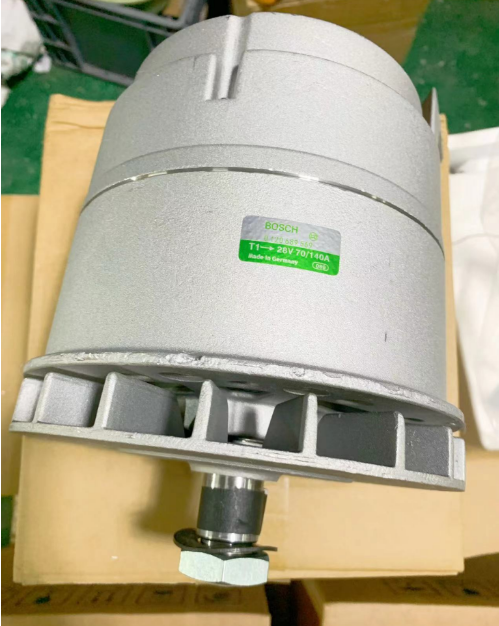
The alternator generator is one of the most essential components in any automotive electrical system, yet many vehicle owners and operators do not fully understand its critical role in maintaining reliable power delivery. An alternator generator serves as the primary charging device that replenishes electrical energy to the vehicle battery while the engine runs, ensuring that all electrical systems remain powered and functional. Without a properly functioning alternator generator, your vehicle would quickly lose battery charge, leaving you stranded with an inoperable engine and dead electrical components.

Understanding why an alternator generator matters for automotive power supply requires recognizing how vehicle electrical systems have evolved and become increasingly complex. Modern vehicles rely on multiple electrical subsystems—from engine management and fuel injection to lighting, heating, and auxiliary features—all of which depend on stable, continuous power delivery. The alternator generator stands at the center of this power infrastructure, working alongside the battery to create a balanced electrical ecosystem that supports both starting and running operations throughout the vehicle's operational life.
The Core Function of an Alternator Generator in Automotive Systems
How an Alternator Generator Generates Electrical Power
An alternator generator operates by converting mechanical energy from the engine into electrical energy through electromagnetic induction. When the engine runs, a serpentine belt connects to the alternator generator's pulley, causing the rotor to spin at high speed inside a stator coil. This rotating magnetic field creates alternating current, which is then converted to direct current by an internal rectifier circuit. The alternator generator continuously produces electricity as long as the engine runs, automatically adjusting its output to meet the vehicle's electrical demand in real-time.
Why Continuous Power Supply Matters
The continuous power output from an alternator generator prevents the vehicle battery from becoming depleted during engine operation. A vehicle battery alone cannot sustain all electrical systems for extended periods; it would drain rapidly once the engine starts running. The alternator generator bridges this gap by maintaining charge flow into the battery while simultaneously powering all active electrical circuits. Without this continuous replenishment, the battery charge would drop below critical levels within minutes, causing engine performance degradation, warning light activation, and eventual shutdown of essential vehicle systems.
Critical Role in Battery Health and System Reliability
Preventing Battery Overdischarge and Sulfation
A well-functioning alternator generator protects the vehicle battery from becoming chronically undercharged, which leads to sulfation—a chemical breakdown process that permanently reduces battery capacity. When an alternator generator fails or underperforms, the battery must compensate by supplying all electrical power, causing deep discharge cycles that accelerate sulfation and shorten battery life significantly. By maintaining proper charge voltage between 13.5 and 14.5 volts, the alternator generator keeps the battery in an optimal state of charge, preserving its longevity and preventing premature replacement costs.
Supporting Increased Electrical Loads
Modern vehicles feature extensive electrical additions—heated seats, advanced infotainment systems, multiple control modules, and engine management computers—all creating substantial electrical demand. An adequate alternator generator output ensures that all these loads receive reliable power without causing voltage sag that could trigger fault codes or disable functions. Heavy-duty vehicles, commercial trucks, and agricultural equipment often require higher-capacity alternator generator units specifically designed to handle welding equipment, auxiliary pumps, and specialized hydraulic controllers that would overload a standard automotive alternator generator.
Performance Implications and Operational Efficiency
Impact on Engine Starting and Cold Weather Operation
The alternator generator's role becomes especially critical during cold weather starting conditions, when battery internal resistance increases and available cranking current diminishes. A properly charged battery supplied by a reliable alternator generator provides maximum cranking power for engine start, while a depleted battery supported by a failing alternator generator cannot deliver sufficient current, resulting in slow cranking, hard starts, or complete starting failure. Industrial vehicles, marine engines, and equipment operating in harsh environments depend absolutely on alternator generator performance to ensure consistent cold-start capability and operational readiness.
Voltage Stability and Electronic System Protection
Modern vehicle electronics are extremely sensitive to voltage fluctuations, and an alternator generator maintains stable output voltage that protects sophisticated control modules, sensors, and communication networks. When an alternator generator output voltage varies excessively—either too high or too low—it triggers error codes in engine computers, transmission controllers, and safety systems, potentially disabling features or activating limp-home modes. The alternator generator regulator circuit works automatically to smooth voltage delivery, preventing the electrical spikes and sags that could damage expensive electronic components or corrupt critical system data.
FAQ
What happens when an alternator generator fails completely?
When an alternator generator fails, the vehicle battery begins discharging immediately. Initially, the vehicle may operate briefly on stored battery charge, but within minutes to hours, the battery voltage drops below the minimum threshold required for engine computer operation, fuel pump activation, and ignition system function. The vehicle will eventually stall and refuse to restart, leaving you completely stranded. Additionally, any electrical load present during this time—headlights, air conditioning, or auxiliary equipment—accelerates battery depletion, potentially causing total system shutdown before you reach safety.
Can you drive a vehicle with a weak alternator generator?
Driving with a weak alternator generator is extremely risky and should be avoided whenever possible. A weak alternator generator produces insufficient output to fully recharge the battery while simultaneously powering vehicle systems, creating a gradual voltage decline over time. You may notice dimming headlights, sluggish power window operation, or warning lights appearing on the dashboard. While you might reach a repair facility if you drive conservatively, heavy electrical load use—air conditioning, heated seats, high-beam headlights—can cause sudden power loss that compromises steering, braking assistance, and engine management, creating dangerous driving conditions.
How often should an alternator generator be serviced or tested?
Most alternator generator units do not require regular maintenance intervals but should be tested whenever electrical system issues appear, such as dim lighting or slow battery discharge. Professional technicians use load testing equipment to verify that an alternator generator produces proper voltage and amperage output under operating conditions. If your vehicle experiences frequent battery drain, dashboard warning lights, or electrical component failures, have a qualified technician test the alternator generator output immediately. For commercial vehicles and industrial equipment operating under heavy electrical loads, annual alternator generator testing is recommended to catch performance decline before it causes critical failures.