
 EN
EN



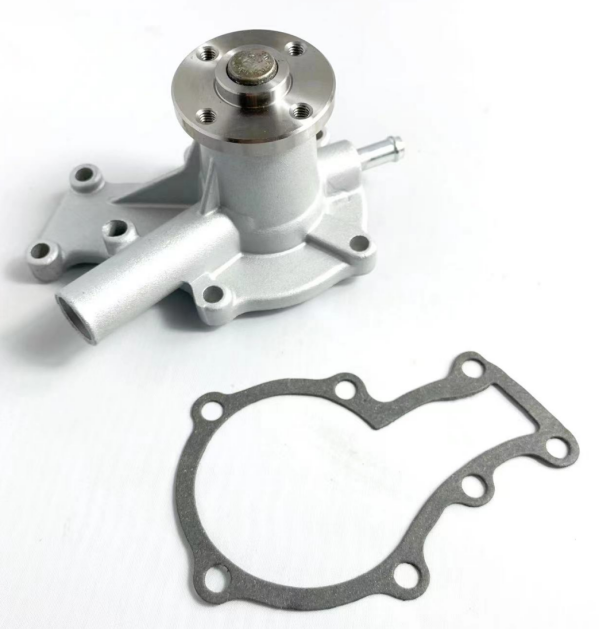
When a refrigerated transport unit fails to maintain consistent temperatures, the consequences go far beyond inconvenience. Spoiled cargo, compliance failures, and unplanned downtime can cost operators significantly. The condition and quality of https://www.cooliparts.com/high-quality-24v-x430/x426-small-crankshaft-compressor-variable-capacity-thermo-king-bus-carrier-transicold-part" target="_blank" rel="nofollow noopener"Thermo King reefer parts directly determine how well a refrigeration system performs across every route, every season, and every load. Understanding how individual components contribute to overall efficiency is essential for any fleet operator, maintenance manager, or transport professional who depends on reliable cold chain performance.
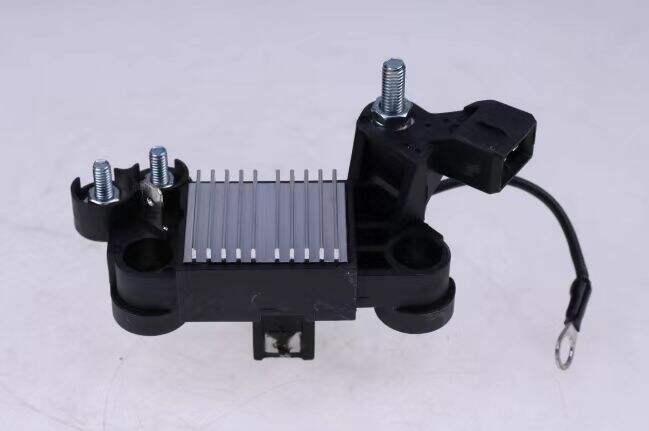
Refrigeration efficiency is not a fixed state — it degrades gradually as components wear, seals weaken, and mechanical tolerances shift. Investing in the right Thermo King reefer parts at the right time is one of the most direct ways to restore system performance, reduce fuel consumption, and extend the operational life of the entire unit. This article examines how specific components influence efficiency, what signs indicate a system is underperforming, and how a proactive parts strategy leads to measurable improvements in cold chain operations.
The Role of Core Components in Refrigeration Efficiency
Compressor Performance as the Efficiency Foundation
The compressor is the mechanical heart of any transport refrigeration system. It is responsible for compressing refrigerant gas and driving it through the refrigeration cycle. When the compressor operates at peak condition, the entire system benefits from stable pressure ratios, consistent cooling output, and controlled energy consumption. A worn or underperforming compressor forces other components to compensate, which cascades into broader inefficiency across the system.
Thermo King reefer parts designed for the compressor — including crankshafts, pistons, valve plates, and shaft seals — must maintain precise mechanical tolerances to deliver consistent compression ratios. Even minor wear on internal components such as the crankshaft journal can cause pressure inconsistencies that reduce the refrigerant flow rate. This directly affects how quickly the unit can achieve and hold a target temperature, particularly under heavy thermal load conditions.
Variable capacity compressors used in modern Thermo King systems add another layer of complexity. These units modulate their displacement based on the cooling demand, which makes the quality of internal parts even more critical. A crankshaft with worn geometry or improper surface finish will compromise the variable displacement mechanism, causing the unit to overconsume energy or fail to deliver adequate cooling at partial load. Replacing worn compressor components with properly specified Thermo King reefer parts restores the intended mechanical behavior and recovers lost efficiency.
Condenser and Evaporator Components and Heat Transfer Efficiency
Heat exchange efficiency determines how effectively the refrigeration system moves thermal energy out of the cargo space. The condenser releases heat to the outside environment, while the evaporator absorbs heat from inside the trailer or container. Both processes depend on clean, undamaged coil surfaces, properly functioning fans, and intact seals. When any of these elements are compromised, the system must work harder to achieve the same result.
Fan motors and blade assemblies are among the Thermo King reefer parts that most directly affect airflow across heat exchange surfaces. A damaged blade reduces airflow volume, creating hot spots on the condenser coil and reducing the rate of heat rejection. This raises head pressure, which in turn increases compressor workload and fuel consumption. Replacing degraded fan components with properly rated parts restores the airflow design parameters and allows the system to operate within its intended pressure range.
Evaporator components, including defrost heaters and drain line assemblies, also affect efficiency in ways that are easy to overlook. Ice accumulation on the evaporator coil acts as a thermal insulator, dramatically reducing heat absorption. When defrost heaters fail or drain lines become blocked, ice buildup accelerates and the unit loses the ability to maintain accurate cargo temperatures. Maintaining these Thermo King reefer parts in good condition ensures that the evaporator surface remains clean and fully functional through the entire duty cycle.
How Wear and Degradation Reduce System Performance
Gradual Efficiency Loss Through Component Degradation
Refrigeration systems do not typically fail suddenly. Instead, efficiency erodes incrementally as components wear beyond their optimal tolerances. A seal that allows minor refrigerant leakage will cause a small but measurable drop in system capacity. Over time, that small drop compounds as refrigerant charge falls, suction pressure decreases, and the compressor must run longer cycles to compensate. By the time an operator notices temperature control problems, the system may have been running at reduced efficiency for weeks or months.
Thermo King reefer parts such as shaft seals, O-rings, and gaskets play a disproportionately large role in maintaining system integrity despite their small size. Refrigerant containment is fundamental to efficiency — every gram of refrigerant lost through a degraded seal reduces the system's thermal capacity. Replacing these sealing components proactively, rather than waiting for a visible leak, is one of the highest-leverage maintenance actions available to a fleet operator.
Bearing wear is another subtle efficiency thief in transport refrigeration. Bearings in the compressor and fan assemblies generate friction as they wear, consuming energy that should go toward refrigeration work. Worn bearings also introduce vibration, which accelerates the degradation of connected components and can cause premature failure in valve plates or mounting hardware. Addressing bearing condition as part of a regular Thermo King reefer parts replacement schedule prevents this cascade from developing.
Electrical and Control Component Failures
Modern Thermo King refrigeration units rely on electronic control systems to manage operating parameters, defrost cycles, and alarm responses. Sensors, solenoid valves, and control modules are all Thermo King reefer parts that influence how precisely the system responds to changing thermal conditions. A temperature sensor with degraded accuracy will cause the controller to make incorrect decisions about when to start or stop the compressor, leading to temperature excursions or energy waste from unnecessary run time.
Solenoid valves regulate refrigerant flow within the system and must open and close with precision to maintain the correct operating mode. A solenoid valve that fails to fully close allows refrigerant bypass that destabilizes system pressures. One that fails to fully open restricts refrigerant flow and reduces cooling capacity. Both failure modes increase energy consumption while reducing output, making timely replacement of electrical and control Thermo King reefer parts a direct efficiency measure.
The microprocessor controller itself is a critical Thermo King reefer part from an efficiency standpoint. A controller running outdated logic or experiencing internal faults may not optimize the refrigeration cycle as intended by the original design. In some cases, updating or replacing the control module allows the system to use more sophisticated algorithms for demand-based operation, which can meaningfully reduce fuel consumption over long routes.
Strategic Parts Replacement for Efficiency Gains
Identifying the Right Replacement Intervals
Not all Thermo King reefer parts wear at the same rate or have the same impact on efficiency when they degrade. A strategic replacement schedule prioritizes components based on their wear rate, their efficiency impact, and the cost of reactive versus proactive replacement. Developing this schedule requires an understanding of which parts are most likely to fail under the specific duty cycles, ambient temperatures, and cargo types that characterize a given operation.
High-cycle components such as valve plates and shaft seals in the compressor typically have well-defined service intervals that are derived from operating hours and pressure cycling data. Following these intervals with quality Thermo King reefer parts ensures that the compressor maintains its volumetric efficiency — the ratio of actual pumped gas to theoretical displacement. Volumetric efficiency is one of the clearest indicators of compressor health and directly correlates with the unit's ability to pull down temperature quickly and hold it under load.
Filter components, including fuel filters, refrigerant filters, and driers, have intervals that depend partly on contamination levels in the specific operating environment. A drier that is saturated with moisture cannot protect the refrigerant circuit from corrosion and ice formation, which degrades expansion valve performance and reduces system capacity. Replacing these Thermo King reefer parts on schedule rather than waiting for visible symptoms preserves the internal cleanliness that efficient refrigerant flow depends on.
Matching Parts Specifications to System Requirements
The specification of replacement parts matters as much as their timely installation. Thermo King refrigeration units are engineered to specific tolerances, pressure ratings, and electrical parameters. Installing components that do not meet those specifications — even if they appear physically compatible — can introduce operating inefficiencies that are difficult to diagnose. A valve plate with slightly different port geometry changes the compression dynamics of the entire cylinder. A fan motor with an incorrect rotation speed changes the airflow balance across the condenser coil.
When selecting Thermo King reefer parts for efficiency-focused maintenance, verifying that the part number matches the unit's model and serial number range is the baseline requirement. Beyond that, understanding whether a replacement part is designed to match the original specification or to improve on it is useful for operations seeking performance gains rather than just maintenance of the status quo. Some aftermarket Thermo King reefer parts are engineered with improved materials or tighter tolerances that extend service life and maintain efficiency longer than earlier generations of the same component.
Refrigerant compatibility is another specification factor that directly affects efficiency. As refrigerant types evolve and regulatory requirements change, some retrofit situations require Thermo King reefer parts that are compatible with newer refrigerant chemistries. Seal materials, lubricant types, and valve coatings all interact with refrigerant chemistry in ways that affect long-term performance. Using parts rated for the specific refrigerant in service prevents chemical degradation that would otherwise reduce efficiency over time.
Operational and Economic Impact of Efficient Reefer Systems
Fuel Consumption and Operating Cost Reduction
Transport refrigeration units consume a meaningful portion of total fuel expenditure for refrigerated fleets. The refrigeration unit on a typical trailer can account for a significant share of total diesel consumption depending on route length, ambient temperature, and cargo temperature requirements. A system that is operating with worn or degraded Thermo King reefer parts will consume more fuel to achieve the same temperature control as a well-maintained unit. Over a fleet of vehicles and thousands of operating hours, this excess consumption represents a substantial and largely avoidable cost.
Restoring compressor efficiency through timely replacement of internal Thermo King reefer parts is one of the most direct paths to fuel savings. A compressor running at full volumetric efficiency completes its refrigeration work in fewer cycles, reducing total engine run time and fuel consumption. The financial return on a compressor overhaul or component replacement can often be calculated directly from fuel savings over a defined operating period, making it one of the more straightforward ROI cases in fleet maintenance.
Beyond fuel, an efficiently operating refrigeration system reduces wear on the drive engine or standby power connection, extends the service life of the refrigerant charge, and decreases the frequency of unscheduled maintenance events. Each of these outcomes has a direct cost dimension that adds to the business case for maintaining Thermo King reefer parts in good condition. The aggregate economic impact of a well-maintained refrigeration system often exceeds the direct cost of the parts themselves by a wide margin.
Cargo Protection and Compliance Value
Beyond operating costs, refrigeration efficiency has direct implications for cargo integrity and regulatory compliance. Temperature-sensitive cargo — whether pharmaceutical products, fresh produce, or frozen goods — must be maintained within defined temperature ranges throughout the transport journey. A refrigeration unit that struggles to hold temperature due to worn or degraded Thermo King reefer parts exposes operators to cargo loss claims, customer relationship damage, and potential regulatory action under food safety or pharmaceutical transport rules.
Modern cold chain standards increasingly require documented evidence that temperature was maintained within specification for the entire transit. A unit that experiences temperature excursions due to component failure creates compliance gaps that can disqualify a shipment even if the cargo appears undamaged. Maintaining the efficiency and reliability of refrigeration systems through quality Thermo King reefer parts is therefore not only an operational consideration but a risk management requirement for operators in regulated industries.
The pull-down time — how quickly a unit can bring cargo from ambient temperature to the target set point — is also a function of refrigeration system efficiency. Faster pull-down reduces the window during which cargo is at risk and allows for more flexible loading operations. A unit with worn compressor components or degraded heat exchanger performance will have extended pull-down times that add operational delay and increase thermal stress on the cargo. Replacing the relevant Thermo King reefer parts restores pull-down performance and improves the overall effectiveness of cold chain operations.
FAQ
How do Thermo King reefer parts directly affect fuel efficiency?
Worn or degraded Thermo King reefer parts force the refrigeration system to work harder to achieve the same cooling output. This increased workload translates directly into longer run cycles and higher fuel consumption. Replacing key components such as compressor internals, fan motors, and sealing elements restores the system to its designed efficiency, reducing the fuel needed to maintain target temperatures across a given route.
How often should compressor components be replaced to maintain efficiency?
Compressor service intervals for Thermo King reefer parts are typically defined in operating hours and vary by model and duty cycle. High-wear components such as valve plates and shaft seals are generally inspected and replaced at specified hour intervals. Following the manufacturer-recommended schedule prevents gradual efficiency loss that would otherwise go undetected until it causes a more significant operational problem.
Can using non-specified parts reduce refrigeration efficiency?
Yes. Thermo King refrigeration systems are designed to operate within precise mechanical and electrical parameters. Installing Thermo King reefer parts that do not meet the original specification — even if they appear physically compatible — can introduce flow restrictions, pressure imbalances, or control inaccuracies that reduce efficiency. Verifying part number compatibility with the specific unit model is essential before any replacement.
What are the early signs that Thermo King reefer parts are affecting system efficiency?
Early indicators include extended pull-down times, higher than expected fuel consumption, frequent cycling between operating modes, unusual noise from the compressor or fan assemblies, and minor temperature excursions that were not previously occurring. These symptoms often precede a more serious failure and signal that specific Thermo King reefer parts should be inspected and replaced before efficiency loss worsens or a breakdown occurs.