
 EN
EN


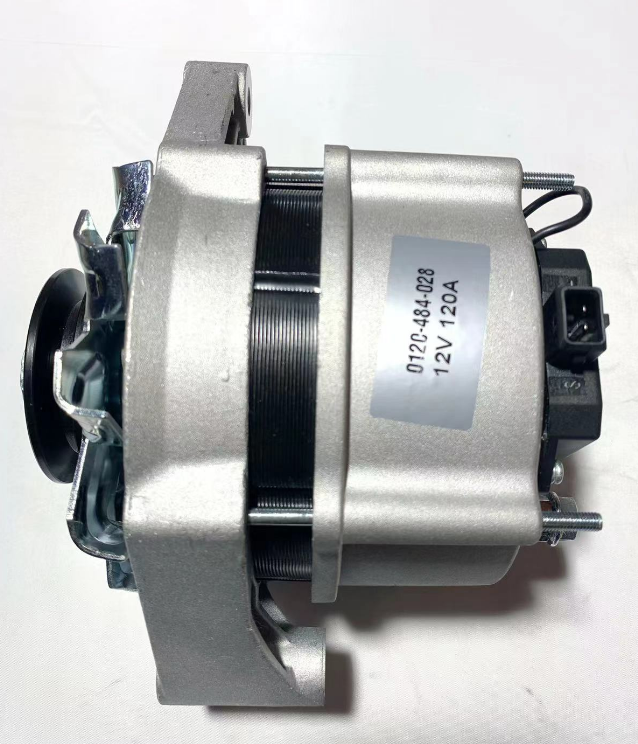
In the world of transport refrigeration, few components carry as much operational responsibility as the carrier alternator. Technicians who service refrigerated trucks, trailers, and container units understand that the electrical systems powering cooling equipment must remain consistently reliable. When a carrier alternator begins to degrade, the consequences extend far beyond a simple electrical fault — they ripple into temperature control failures, cargo spoilage, and costly road breakdowns. This is precisely why experienced technicians treat the carrier alternator not as a component to fix only when broken, but as one that demands regular inspection and proactive replacement.
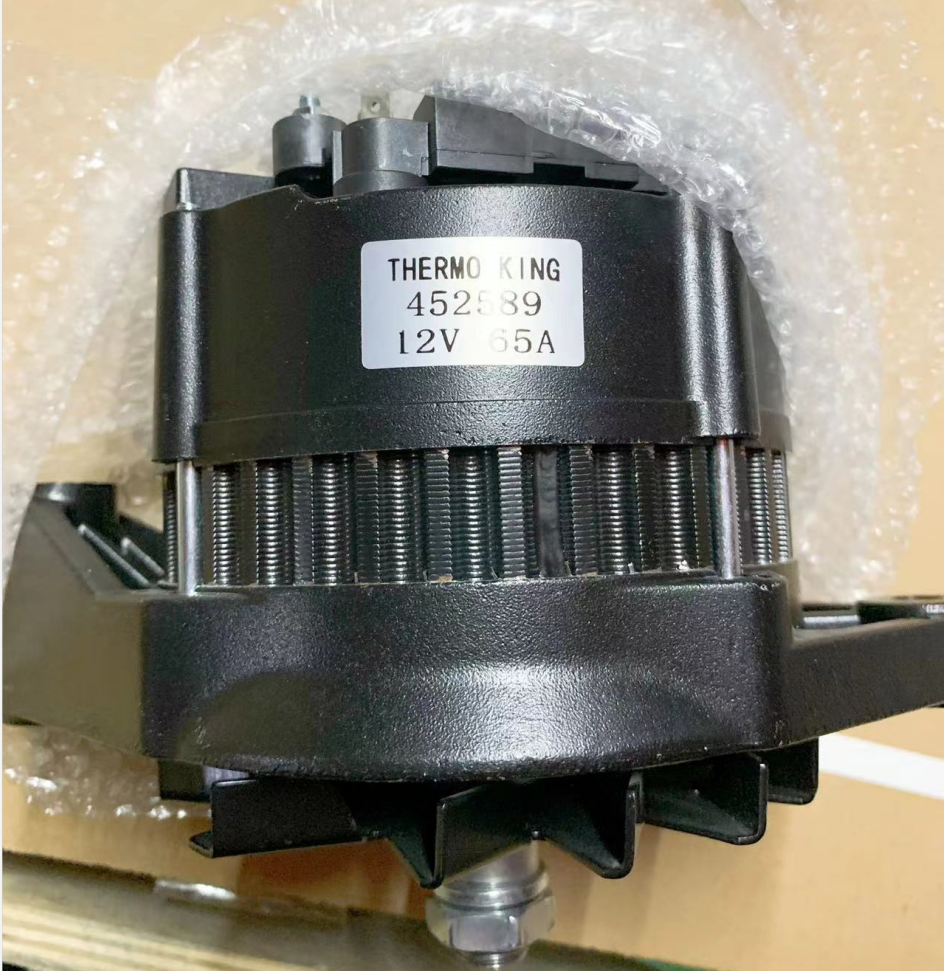
The practice of replacing carrier alternator components on a scheduled basis is driven by a combination of engineering reality, operational risk management, and the demands of the industries that depend on uninterrupted cold chain logistics. Understanding why this approach is standard among professional technicians requires a closer look at how these components wear over time, what risks accumulate when they are neglected, and how replacement decisions ultimately protect both equipment and cargo. This article examines each of these dimensions in detail.
How a Carrier Alternator Wears Over Time
The Nature of Mechanical and Electrical Degradation
A carrier alternator operates under continuous mechanical stress. It spins at high RPM for extended periods, often running in harsh environmental conditions including extreme temperatures, moisture, road vibration, and dust exposure. These conditions gradually degrade internal components, regardless of how well the unit is maintained externally. The bearings supporting the rotor shaft, for example, are subject to constant rotational friction, and over thousands of operating hours, that friction leads to measurable wear.
The brush assembly inside the carrier alternator is another high-wear component. Brushes maintain electrical contact with the slip rings on the rotor, conducting current to excite the magnetic field that generates output voltage. Every hour of operation wears the brushes down incrementally. Once they reach a critical minimum length, they can no longer maintain reliable contact, causing voltage fluctuations or complete output failure. Technicians who wait for failure before replacing brushes often find that the slip rings themselves have been damaged, turning a simple brush replacement into a more expensive repair.
Voltage regulators are equally susceptible to degradation. These components control the output voltage of the carrier alternator, ensuring it remains within acceptable limits for the refrigeration system's electronics. Thermal cycling — the repeated heating and cooling that occurs during normal operation — stresses the regulator's internal circuitry over time, gradually reducing its precision and reliability. A regulator that starts to drift outside its calibrated range can cause overcharging or undercharging conditions, both of which are damaging to connected systems.
Environmental Factors That Accelerate Component Fatigue
Transport refrigeration units are rarely operated in controlled environments. A carrier alternator mounted on a refrigerated trailer may spend its working life exposed to road salt in winter, high humidity in coastal regions, intense heat in summer, and constant vibration from road surfaces. Each of these factors accelerates the degradation of seals, insulation, and metallic components within the alternator assembly.
Moisture ingress is particularly damaging. When seals degrade and water enters the alternator housing, it promotes oxidation of winding insulation and corrosion of contact surfaces. Corroded connections increase electrical resistance, which generates heat during operation and further accelerates deterioration. In extreme cases, moisture-related damage can cause winding failures that require complete unit replacement rather than component-level repair.
Vibration-induced fatigue is another serious concern for a carrier alternator in mobile applications. Unlike a stationary generator, a transport-mounted alternator must endure constant mechanical shock from road irregularities. Mounting hardware loosens over time, internal components can develop microfractures, and wiring harness connections may work loose from repeated movement. These are conditions that scheduled maintenance is specifically designed to address before they escalate into failures.
The Risk Profile of Delayed Replacement
Operational Consequences of Alternator Failure in Transit
When a carrier alternator fails during a delivery run, the refrigeration unit loses its primary source of electrical power for the compressor and control systems. Depending on the unit design, this can result in an immediate shutdown of cooling, a gradual rise in cargo temperature, or erratic operation that goes undetected until delivery. For loads of perishable food, pharmaceuticals, or sensitive biological materials, even a brief temperature excursion can render the entire cargo unacceptable.
The financial implications are significant. Beyond the direct cost of the lost cargo, carriers face liability claims, customer penalties, and damage to long-term business relationships. Emergency roadside service calls are substantially more expensive than scheduled workshop maintenance, and the downtime required to source and install a replacement carrier alternator in the field can extend for hours or days depending on parts availability and location.
Technicians who service fleets professionally understand this risk calculus clearly. A carrier alternator that shows early signs of wear — whether through bearing noise, brush wear measurements, or output voltage irregularities — represents a known risk with a known remedy. Replacing it during a scheduled service interval is far less costly than dealing with the consequences of an in-transit failure.
Secondary Damage Caused by a Failing Alternator
A degrading carrier alternator does not simply stop working cleanly. As it deteriorates, it often produces abnormal electrical outputs that stress other components in the refrigeration system. An overcharging condition caused by a failing voltage regulator can damage the battery bank, overload control electronics, and shorten the service life of the unit's electrical harness. Undercharging, on the other hand, leaves the battery in a chronically depleted state, reducing its capacity and ultimately requiring premature battery replacement.
Winding insulation that begins to break down inside the carrier alternator can cause intermittent ground faults. These faults are notoriously difficult to diagnose and can cause seemingly unrelated symptoms throughout the refrigeration unit's electrical system — erratic controller behavior, random sensor errors, and unexplained system resets. Technicians who encounter these patterns often spend significant diagnostic time chasing symptoms that originate with a failing alternator.
This is one of the clearest reasons why proactive replacement is the standard professional approach. By addressing the carrier alternator at defined service intervals, technicians eliminate a source of secondary damage that is both difficult to diagnose and disproportionately expensive to remedy after the fact.
Engineering Standards Behind Scheduled Replacement Intervals
How Manufacturers Define Service Life for Alternator Components
Transport refrigeration alternator manufacturers establish recommended service intervals based on extensive testing under representative operating conditions. These intervals reflect the statistical distribution of component failures observed across large populations of units operating in real-world environments. They are not arbitrary — they represent the point at which the probability of failure begins to rise sharply enough that continued operation without inspection or replacement becomes statistically unreasonable.
For a brush-type carrier alternator, brush replacement intervals are typically specified in operating hours rather than calendar time. This approach accounts for the reality that actual component wear is correlated with run time rather than elapsed days. A unit that operates nearly continuously on a long-haul route will accumulate brush wear far faster than one used only occasionally for short runs. Technicians who track operating hours and apply manufacturer-specified intervals are making decisions based on the engineering data that underpins the product design.
Bearing replacement intervals follow similar logic. Bearings in a carrier alternator are rated for a specific number of operating cycles, and their service life can be further reduced by misalignment, belt tension issues, or contamination. Scheduled replacement before the end of rated service life provides a safety margin that protects against the unpredictability of real-world operating conditions.
The Role of Brush and Slip Ring Condition in Replacement Decisions
Among the most technically critical replacement decisions for a carrier alternator involves the brush and slip ring assembly. Brushes have a visible and measurable wear indicator — their physical length. When technicians inspect a carrier alternator, measuring brush length against the manufacturer-specified minimum is a fast and definitive check. Units that are approaching the minimum during a scheduled service are replaced immediately rather than being returned to service with marginal material remaining.
Slip ring condition is evaluated concurrently. Worn brushes that have been left in service too long often leave grooves or burn marks on the slip ring surface. Mild surface wear can sometimes be addressed with light polishing, but significant damage requires slip ring replacement or complete alternator exchange. The technical and labor cost of slip ring damage makes a compelling case for staying ahead of brush wear through timely replacement.
A well-maintained carrier alternator with fresh brushes and undamaged slip rings will maintain stable output voltage and reliable excitation throughout its operating cycle. This stability directly translates into consistent refrigeration performance — exactly the outcome that fleet operators and their customers depend on.
Practical Replacement Practices Among Professional Technicians
Integrating Alternator Service Into Fleet Maintenance Programs
Professional technicians who manage large refrigeration fleets rarely treat the carrier alternator as an isolated maintenance item. Instead, alternator inspections and component replacements are integrated into broader preventive maintenance schedules that also cover belts, hoses, filters, and refrigerant systems. This integration ensures that the alternator is evaluated at every major service opportunity and that component replacements are staged to minimize total downtime.
Technicians often use a combination of hour-based and condition-based criteria when making carrier alternator replacement decisions. An alternator that shows physical wear indicators — reduced brush length, bearing noise, or irregular voltage output — may be replaced ahead of its scheduled interval. Conversely, a unit that passes all inspection criteria at a scheduled service may be returned to service with a defined re-inspection interval. This tiered approach balances the cost of premature replacement against the risk of extending service life beyond reliable limits.
Documentation plays an essential role in professional alternator maintenance. Technicians who record installation dates, operating hours, and inspection findings for each carrier alternator in a fleet build a data set that enables increasingly accurate replacement timing over time. Fleets that track this data often identify patterns — certain routes, operating profiles, or environmental conditions that correlate with accelerated wear — and adjust their maintenance intervals accordingly.
Selecting Quality Replacement Units for Long-Term Reliability
When the time comes to replace a carrier alternator, the choice of replacement unit matters significantly. Technicians with experience in transport refrigeration know that not all replacement alternators are equivalent in terms of build quality, component specifications, or conformance to the original design parameters. Selecting a replacement that matches the original electrical specifications — output voltage, maximum current rating, and voltage regulation range — is essential to ensuring that the refrigeration system performs as designed.
For applications requiring a 24V system with high output capacity, technicians often look for units engineered specifically for the demands of transport refrigeration. A carrier alternator designed to deliver 150A at 24V to 28V provides the current capacity needed to sustain refrigeration compressors and control systems simultaneously, even under peak demand conditions. Matching the replacement unit to the application's actual electrical load requirements is a fundamental aspect of professional alternator selection.
Technicians also evaluate the serviceability of replacement carrier alternator units. A design that allows for straightforward brush replacement and bearing access reduces the labor cost of future maintenance cycles. Units with robust winding insulation, quality sealed bearings, and corrosion-resistant housings are preferred for applications where environmental exposure is a continuous concern.
FAQ
How often should a carrier alternator be inspected during routine maintenance?
Most manufacturers recommend inspecting a carrier alternator at every major scheduled service, which typically falls between 500 and 1,000 operating hours depending on the application. Inspection should include brush length measurement, bearing condition assessment, output voltage verification, and a visual examination of the housing, wiring, and mounting hardware. Units approaching manufacturer-specified wear limits should be replaced at that service rather than returned to service with marginal components.
What are the most common signs that a carrier alternator needs replacement?
The most common indicators include unusual bearing noise during operation, unstable or out-of-specification output voltage, visible brush wear at or near the minimum length, burn marks or grooves on slip ring surfaces, and any physical evidence of moisture ingress or heat damage to the housing or windings. In some cases, the first sign may be secondary symptoms in the refrigeration control system, such as battery charging irregularities or unexplained electronic faults.
Can a carrier alternator be repaired instead of replaced?
In many cases, yes — a carrier alternator can be repaired at the component level, particularly when the issue is limited to brush wear, bearing failure, or a faulty voltage regulator. However, repair is only advisable when the core components such as the rotor, stator windings, and housing are in sound condition. If winding insulation has degraded, the rotor has been damaged, or the slip rings show severe wear, replacement of the complete unit is typically more cost-effective and reliable than attempting a comprehensive rebuild.
Does the operating environment affect how frequently a carrier alternator needs replacement?
Absolutely. A carrier alternator operating in high-humidity coastal environments, regions with heavy road salt use, or routes with extreme temperature variations will typically show accelerated wear compared to units in milder conditions. Technicians managing fleets in harsh environments often shorten their inspection intervals and apply more conservative replacement thresholds to account for the additional stress these conditions impose on alternator components.
Table of Contents
- How a Carrier Alternator Wears Over Time
- The Risk Profile of Delayed Replacement
- Engineering Standards Behind Scheduled Replacement Intervals
- Practical Replacement Practices Among Professional Technicians
-
FAQ
- How often should a carrier alternator be inspected during routine maintenance?
- What are the most common signs that a carrier alternator needs replacement?
- Can a carrier alternator be repaired instead of replaced?
- Does the operating environment affect how frequently a carrier alternator needs replacement?