
 EN
EN



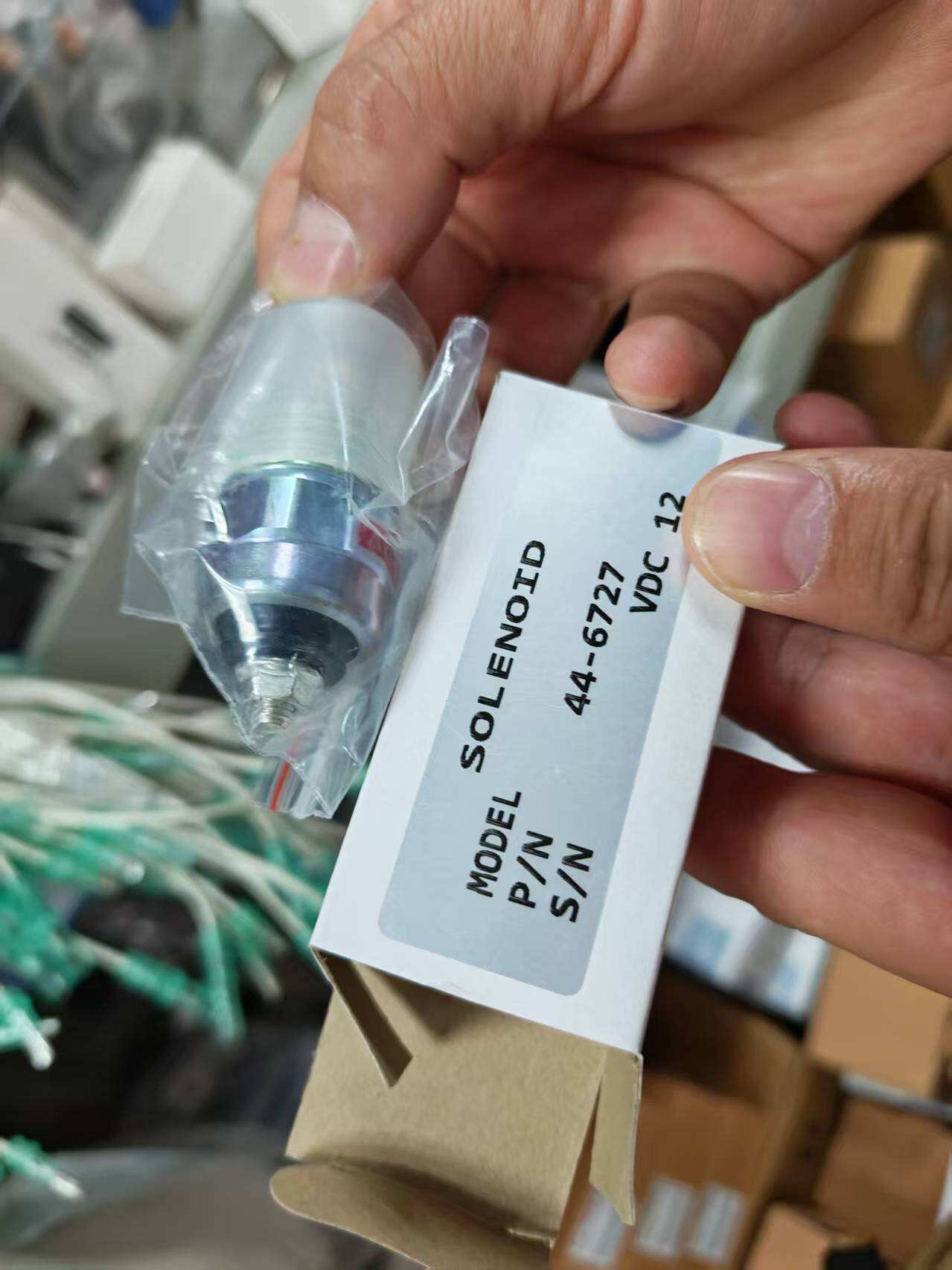
When it comes to maintaining the integrity of temperature-sensitive cargo during transit, no single factor matters more than the reliability of your refrigeration equipment. Thermo King parts sit at the heart of this reliability, serving as the mechanical and electronic foundation upon which entire cold chain operations depend. From pharmaceutical shipments to frozen food distribution, the performance of every refrigerated transport unit is only as strong as the components that keep it running.
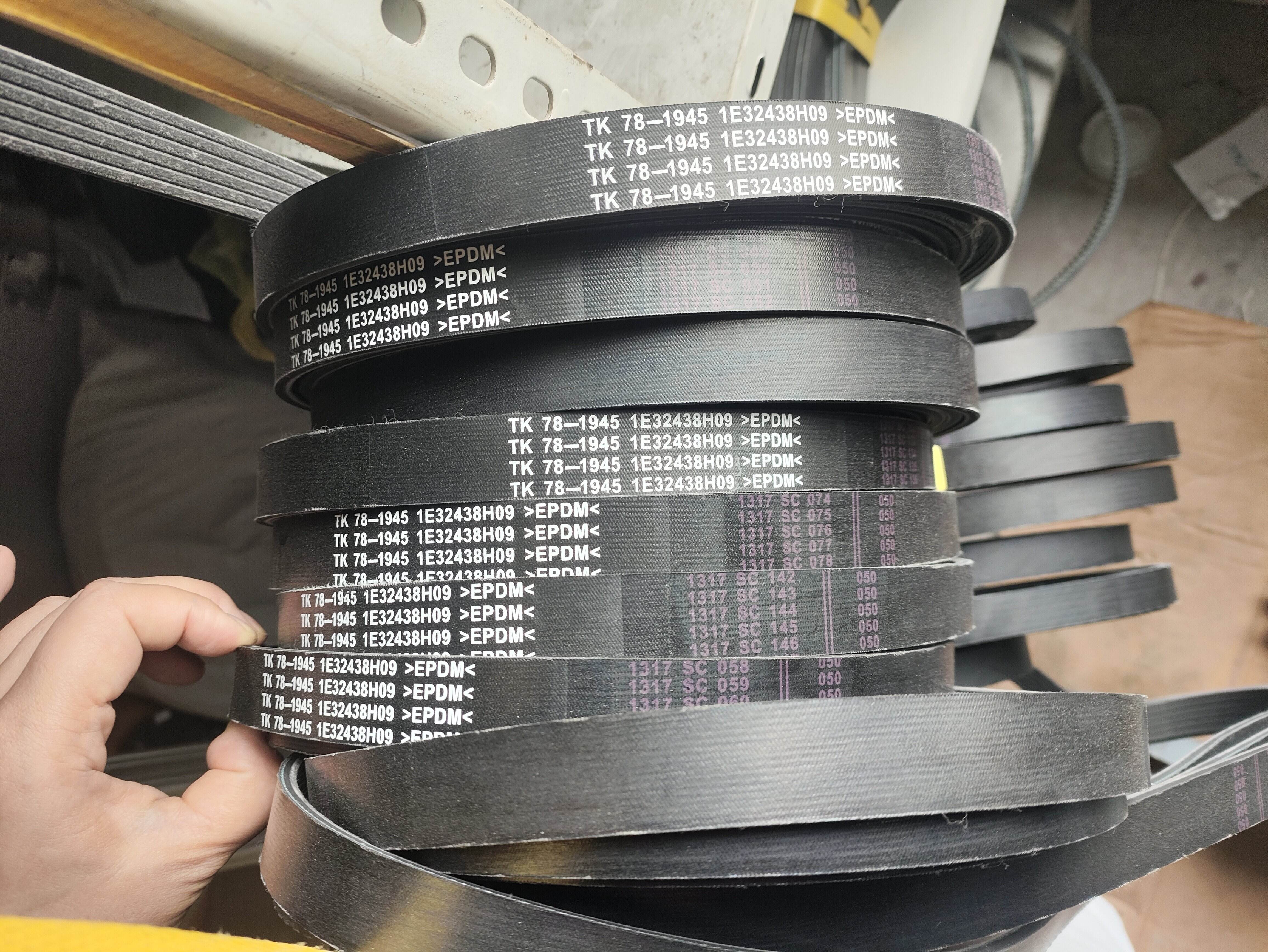
Understanding why Thermo King parts are so critical requires looking beyond the surface-level function of refrigeration units and examining how each individual component contributes to system-wide performance, operational uptime, and cargo safety. This article breaks down the essential reasons why sourcing, maintaining, and replacing these components correctly is not just a maintenance task — it is a core business decision for any fleet operator, logistics provider, or transport refrigeration technician.
The Role of Transport Refrigeration in Modern Cold Chain Logistics
Temperature Control as a Non-Negotiable Standard
The cold chain is a continuously managed, temperature-controlled supply chain that stretches from production facilities to end consumers. Any interruption in temperature control — even a brief one — can compromise the safety, quality, and regulatory compliance of the cargo being transported. This is why transport refrigeration units must perform flawlessly across long-haul routes, varying climates, and demanding duty cycles.
Thermo King parts are engineered specifically to meet these demands. Each component within a transport refrigeration unit, from compressors and condensers to control boards and expansion valves, must work in precise coordination. When one component degrades or fails, the entire system's ability to maintain the required temperature range is jeopardized. This interdependency is what makes the quality and condition of individual Thermo King parts so strategically important.
Industries such as food and beverage, pharmaceuticals, and biotechnology operate under strict regulatory frameworks that mandate specific temperature ranges during transport. Non-compliance due to equipment failure can result in product recalls, financial penalties, and irreversible reputational damage. This regulatory pressure further elevates the criticality of having properly functioning Thermo King parts installed and maintained throughout every transport unit in a fleet.
How Component Failures Cascade Through the System
One of the most important reasons Thermo King parts are critical is the cascading effect that a single component failure can have on the entire refrigeration system. A worn compressor shaft seal, for example, does not simply reduce compression efficiency in isolation. It allows refrigerant leakage, which lowers system pressure, forces the compressor to work harder, elevates operating temperatures, and ultimately accelerates the wear of additional components including the condenser fan motors and evaporator coils.
This cascade dynamic means that deferred maintenance or the use of substandard replacement parts does not just affect one part of the system — it triggers a chain reaction that shortens the service life of surrounding components and increases the probability of a total system shutdown. Fleet operators who understand this dynamic treat Thermo King parts not as consumables to be replaced at the lowest possible cost, but as precision components whose quality directly affects total cost of ownership.
Technicians who regularly service transport refrigeration systems consistently report that units maintained with genuine or high-quality equivalent Thermo King parts show significantly fewer secondary failures compared to units where inferior components were installed. The mechanical tolerances, material specifications, and design compatibility built into proper Thermo King parts are what prevent these cascading failures from taking hold in the first place.
Why Compressor Components Are Among the Most Critical Thermo King Parts
The Compressor as the Heart of Refrigeration Performance
Within any transport refrigeration system, the compressor is the central mechanical driver that circulates refrigerant through the system and makes temperature control possible. The compressor draws in low-pressure refrigerant vapor, compresses it to a higher pressure and temperature, and pushes it through the condenser where heat is released before the refrigerant cycles back to absorb more heat from the cargo space. Without a properly functioning compressor, no meaningful refrigeration can take place.
Thermo King parts related to the compressor — including crankshafts, pistons, valve plates, shaft seals, and bearings — must be manufactured to exacting tolerances. For instance, variable capacity compressors used in bus and transport applications, such as the X430 and X426 series, rely on small crankshaft designs that allow the system to modulate cooling output based on actual demand. This precision engineering reduces fuel consumption and thermal cycling stress on the unit. The quality of these specific Thermo King parts determines whether that modulation works correctly or creates harmful pressure imbalances.
A compressor running with worn or incorrectly specified internal components will overheat, consume excess power, and produce insufficient cooling capacity. Over time, metal debris from degrading internal parts can contaminate the refrigerant circuit, damaging the expansion valve, blocking the receiver-drier, and scoring the cylinder walls beyond repair. This is why compressor-related Thermo King parts must always be sourced to match the exact specifications of the unit in question.
Variable Capacity Compressors and Their Special Requirements
Variable capacity compressor technology represents one of the more sophisticated elements found in modern transport refrigeration systems. Unlike fixed-displacement compressors, variable capacity units adjust their output dynamically, which significantly improves energy efficiency and reduces temperature fluctuations within the cargo space. This technology is particularly valuable in passenger bus climate systems and multi-temperature trailer applications where stable and responsive cooling is essential.
The Thermo King parts used in variable capacity compressors must tolerate rapid cycling, high-pressure differentials, and the mechanical stresses associated with frequent capacity modulation. The crankshaft, in particular, is subjected to torsional loads that require both high material strength and precise dimensional accuracy. A small crankshaft compressor designed for 24V bus applications, for example, must deliver consistent performance under the electrical and mechanical conditions unique to bus HVAC environments.
When these specific Thermo King parts are sourced without attention to compatibility and quality standards, the result is often premature bearing failure, refrigerant leaks at the shaft seal, and uneven wear on the cylinder bores. These failures are more than inconvenient — on a passenger bus or a refrigerated pharmaceutical delivery vehicle, they represent service interruptions that directly affect human comfort, product integrity, and the operator's contractual obligations.
Operational Uptime and Fleet Management Implications
Downtime Costs in Transport Refrigeration Operations
For any business operating refrigerated transport vehicles, unplanned downtime is one of the most financially damaging events that can occur. When a refrigeration unit fails mid-route, the consequences extend far beyond the cost of the repair itself. The cargo may need to be destroyed, rerouted, or recalled. Customers may need to be compensated. Regulatory audits may be triggered. And the vehicle itself is taken out of revenue-generating service for the duration of the repair and recovery process.
Thermo King parts that are maintained and replaced on schedule are the most effective tool a fleet manager has for preventing this kind of unplanned downtime. Predictive maintenance programs built around the service intervals and replacement schedules of key Thermo King parts — compressor seals, belts, filters, expansion valves, and electronic control modules — allow operators to schedule maintenance during off-peak hours and avoid the catastrophic costs of mid-route failures.
The financial argument for using high-quality Thermo King parts rather than low-cost alternatives becomes especially clear when the total cost of a single unplanned failure is calculated. Even if a substandard part costs 30 to 50 percent less at the point of purchase, the risk of early failure and its downstream consequences easily makes it the more expensive choice over any reasonable operational time horizon.
The Impact of Parts Quality on System Longevity
Transport refrigeration units are significant capital assets. A well-maintained unit with high-quality Thermo King parts can deliver reliable service for many years, providing a strong return on the original investment. Conversely, a unit subjected to repeated failures caused by substandard components will require increasingly frequent and expensive repairs, eventually reaching a point where the cost of continued operation exceeds the value of replacement.
The relationship between parts quality and system longevity is not theoretical — it is one of the most consistent findings reported by experienced transport refrigeration technicians and fleet maintenance managers. Units that are maintained with properly specified Thermo King parts maintain their original operating efficiency for longer, experience fewer secondary component failures, and retain higher resale value compared to units with inconsistent maintenance histories.
This longevity effect is particularly pronounced in compressor-adjacent components. The quality of shaft seals, valve assemblies, and bearing sets directly determines how long the compressor itself will last without requiring a full rebuild or replacement. Since the compressor is typically the most expensive single component in a transport refrigeration unit, preserving its service life through high-quality Thermo King parts represents one of the highest-return maintenance investments available to fleet operators.
Compatibility, Specification, and Sourcing Considerations
Why Exact Specification Matching Matters
One of the most important but frequently overlooked aspects of working with Thermo King parts is the necessity of exact specification matching. Transport refrigeration systems are engineered as integrated systems, and every component within them is designed to work within a specific set of mechanical, thermal, and electrical parameters. Using a component that is close but not precisely correct for the application can introduce stresses and inefficiencies that the system was not designed to handle.
This is especially relevant for compressor components, where dimensional tolerances measured in fractions of a millimeter can determine whether a shaft seal holds pressure under full operating load or begins leaking refrigerant within weeks of installation. Thermo King parts are cross-referenced by model number, application type, and system configuration precisely because these distinctions matter in practice. A part number that appears visually similar to the correct component may have different internal geometry, different material hardness, or different pressure ratings that make it unsuitable for the specific application.
Sourcing Thermo King parts from suppliers who maintain accurate cross-reference data, provide application-specific guidance, and supply components that meet or exceed original equipment specifications is therefore a critical operational decision, not merely a procurement preference. The consequences of specification mismatch are real, measurable, and often costly enough to more than offset any short-term savings achieved by selecting a cheaper alternative.
Evaluating Replacement Parts for Quality and Reliability
When evaluating replacement Thermo King parts, fleet operators and technicians should focus on several key quality indicators. Material certifications, dimensional compliance with original equipment specifications, pressure and temperature ratings, and compatibility documentation are all important factors that distinguish high-quality replacement components from low-grade alternatives.
It is also important to consider the supplier's technical support capabilities. Suppliers who can assist in identifying the correct Thermo King parts for a specific model, application, or symptom profile provide significantly more value than those who simply list parts without application guidance. This is particularly relevant for compressor components in variable capacity and bus HVAC applications, where the range of model variants and system configurations can be complex to navigate without expert support.
Long-term supplier relationships built on consistent parts quality, reliable availability, and accurate technical documentation are one of the key factors that distinguish well-run fleet maintenance operations from those that frequently struggle with repeat failures and extended downtimes. Thermo King parts represent a long-term investment in operational reliability, and sourcing decisions should reflect that reality.
FAQ
What makes Thermo King parts different from generic refrigeration components?
Thermo King parts are engineered to precise dimensional, material, and performance specifications that match the original design of transport refrigeration units. Generic components may appear similar but often lack the exact tolerances, pressure ratings, and material properties needed for reliable long-term performance in demanding transport applications. Using properly specified Thermo King parts reduces the risk of premature failure, secondary damage, and unplanned downtime.
How often should critical Thermo King parts be inspected or replaced?
Inspection and replacement intervals for Thermo King parts vary depending on the specific component, the operating environment, and the duty cycle of the unit. Compressor shaft seals, belts, filters, and expansion valves typically have recommended service intervals defined in the unit's maintenance schedule. Following these intervals closely — and using high-quality replacement Thermo King parts when components are due for replacement — is the most effective way to prevent unplanned failures.
Can using substandard replacement parts void a refrigeration system warranty?
Yes, in many cases the use of non-compliant or substandard replacement components can affect warranty coverage for transport refrigeration units. Manufacturers and authorized service networks typically specify that repairs and replacements must use components that meet original equipment standards. Installing parts that do not meet these standards can provide grounds for warranty claims to be denied, leaving the operator fully liable for subsequent repair costs.
Why is the compressor considered the most critical component among Thermo King parts?
The compressor is the mechanical engine of the refrigeration cycle — without it, no cooling can occur. It is also the component most subject to high mechanical stress, thermal cycling, and wear over time. Because the compressor interacts directly with most other components in the refrigeration circuit, its condition directly affects system pressure, efficiency, and the longevity of surrounding parts. Maintaining compressor-specific Thermo King parts to the correct specification is therefore the single highest-impact maintenance investment in any transport refrigeration system.
Table of Contents
- The Role of Transport Refrigeration in Modern Cold Chain Logistics
- Why Compressor Components Are Among the Most Critical Thermo King Parts
- Operational Uptime and Fleet Management Implications
- Compatibility, Specification, and Sourcing Considerations
-
FAQ
- What makes Thermo King parts different from generic refrigeration components?
- How often should critical Thermo King parts be inspected or replaced?
- Can using substandard replacement parts void a refrigeration system warranty?
- Why is the compressor considered the most critical component among Thermo King parts?