
 EN



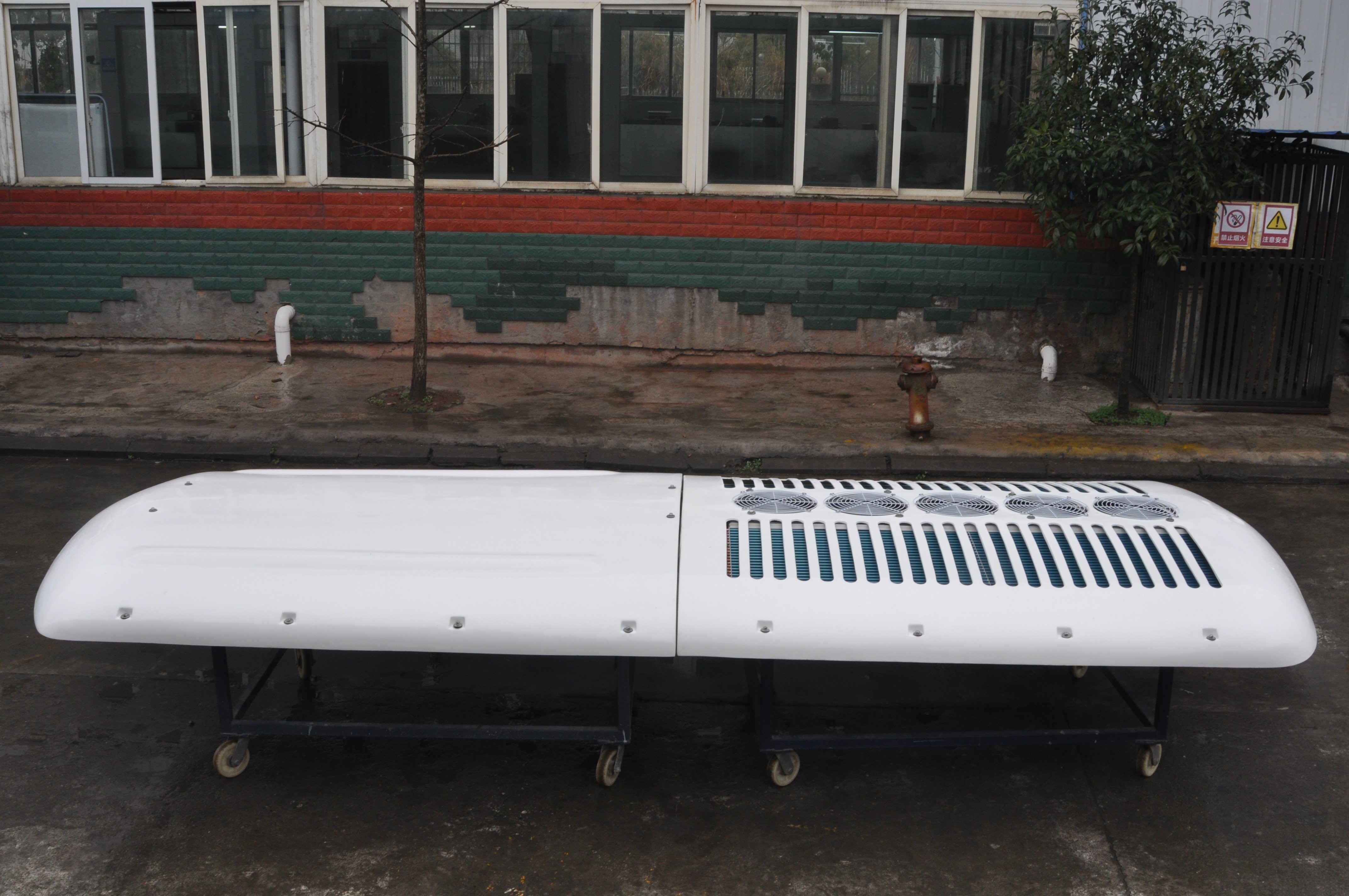
Modern transportation and mobile operations demand cooling solutions that balance performance with energy efficiency. A 12V air conditioner represents a significant advancement in meeting this challenge, offering reliable climate control without the excessive power drain associated with traditional cooling systems. For fleet operators, vehicle manufacturers, and businesses relying on mobile work environments, understanding how a 12V air conditioner functions and delivers energy savings is critical to making informed purchasing and operational decisions.
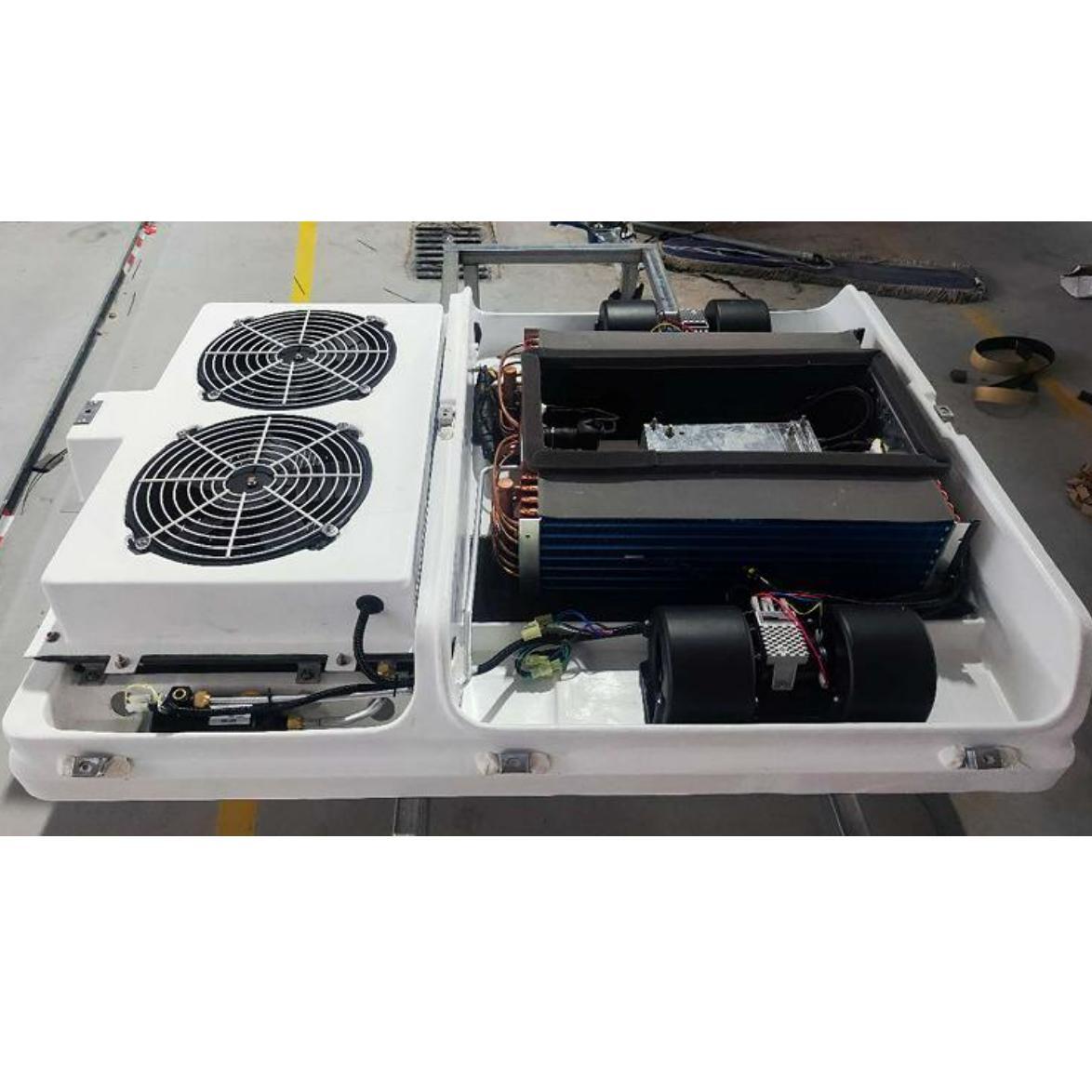
The 12V air conditioner is engineered specifically for vehicles with lower-voltage electrical systems, including buses, light trucks, and specialized mobile units. Unlike conventional air conditioning systems that require higher power draws, a 12V air conditioner optimizes cooling delivery while maintaining compatibility with standard vehicle electrical architecture. This design philosophy directly addresses the growing need for sustainable, cost-effective climate control in commercial and passenger transportation sectors.
Energy Efficiency and Power Consumption Advantages
Reduced Electrical Load and Fuel Efficiency
A 12V air conditioner operates within the constraints of low-voltage vehicle electrical systems, which naturally limits power consumption compared to higher-voltage alternatives. This lower electrical demand translates directly into reduced fuel consumption, as the engine must work less hard to power the cooling compressor. Fleet operators using vehicles equipped with a 12V air conditioner consistently report measurable improvements in fuel economy, making the technology particularly valuable for businesses operating large numbers of vehicles over extensive distances.
The efficiency gains from a 12V air conditioner extend beyond fuel savings to include reduced strain on alternators and battery systems. By drawing less electrical power, a 12V air conditioner preserves battery charge levels during idle periods and minimizes the thermal stress on electrical components. For long-haul operations or vehicles frequently parked with engines off, this benefit becomes especially pronounced, allowing drivers to maintain cabin cooling without triggering engine starts.
Thermal Performance Within Compact Spaces
A 12V air conditioner is designed to deliver targeted, efficient cooling in the confined environments typical of vehicle cabins and small mobile workspaces. Rather than relying on massive cooling capacity that wastes energy in oversized applications, a 12V air conditioner matches output to actual space requirements, achieving comfort quickly without continuous high-load operation. This matched-capacity approach is a core principle of energy-saving design, and the 12V air conditioner exemplifies this principle across bus, truck, and specialty vehicle platforms.
The compact design of a 12V air conditioner also enables faster cooling response times, reaching target cabin temperatures with reduced runtime. Shorter operational cycles mean fewer total operating hours, which further reduces overall energy consumption while extending component service life. This efficiency gain compounds across fleet operations when multiplied across dozens or hundreds of vehicles.
Practical Implementation and System Integration
Installation Flexibility and Retrofit Compatibility
A 12V air conditioner offers significant installation flexibility because it integrates seamlessly with existing vehicle electrical architectures designed for 12-volt operation. Whether upgrading older vehicles or specifying climate control for new builds, a 12V air conditioner requires minimal electrical infrastructure modifications compared to higher-voltage systems. This retrofit compatibility reduces installation costs and labor time, making energy-efficient cooling accessible to a broader range of fleet operators and vehicle owners.
The modular design of most 12V air conditioner units allows technicians to install systems with minimal disruption to existing vehicle structures or internal configurations. Routing of refrigerant lines, electrical connections, and mounting brackets can typically be adapted to specific vehicle layouts without extensive custom engineering. For businesses managing mixed fleets with varied vehicle types, this adaptability simplifies procurement and maintenance protocols.
Maintenance and Long-Term Operational Cost Reduction
A 12V air conditioner systems generally demand lower maintenance intensity than larger, higher-capacity cooling units because individual components operate at reduced stress levels. Compressors, condenser fans, and refrigerant circuits all benefit from operating margins that translate into extended service intervals and lower parts replacement frequency. Fleet maintenance teams find that a 12V air conditioner requires fewer unscheduled repairs compared to oversized or poorly matched cooling systems.
Refrigerant charge levels, electrical connections, and filter maintenance remain straightforward with a 12V air conditioner design, reducing technician training requirements and service call complexity. The predictable performance profile of a 12V air conditioner enables preventive maintenance schedules that keep vehicles in service longer and minimize unexpected downtime. Over multi-year fleet lifecycles, these operational cost reductions accumulate substantially.
Application Scenarios and Business Value
Commercial Transport and Long-Distance Operations
Buses and commercial transport vehicles benefit significantly from 12V air conditioner technology because passenger comfort directly impacts operational reputation and driver satisfaction. A 12V air conditioner provides consistent, reliable cabin climate control without the fuel economy penalties that undermine profitability on long routes. For operators managing regional or national transport networks, the cumulative fuel savings from fleets equipped with efficient 12V air conditioner systems can reach hundreds of thousands of dollars annually.
The reliability of a 12V air conditioner also reduces the risk of service failures that force vehicles offline or require expensive emergency repairs. Passengers experience reliable cooling throughout journeys, reducing complaints and repeat-booking decisions driven by cabin discomfort. For commercial transport, this reliability translates into competitive advantage and customer retention.
Light-Duty Vehicles and Specialty Applications
Light trucks, delivery vehicles, and specialty mobile units benefit from the energy efficiency of a 12V air conditioner when operating in urban or regional delivery environments where fuel costs and emissions regulations create operational pressure. These vehicles often run shorter routes and frequent start-stop cycles, conditions where a 12V air conditioner efficiency advantages compound through reduced idle-time cooling and faster thermal response. The lower electrical demand also enables extended use of auxiliary systems without compromising vehicle electrical stability.
For mobile service operations including diagnostic units, telecommunications vehicles, and emergency response platforms, a 12V air conditioner maintains equipment and personnel comfort while preserving battery charge for critical operational systems. The modest power draw ensures that essential electronics remain fully powered even when cooling systems operate continuously during response missions.
FAQ
What specific cooling capacity does a typical 12V air conditioner deliver?
A 12V air conditioner typically delivers between 5,000 and 15,000 BTU of cooling capacity, depending on compressor size and system efficiency rating. Most bus and light truck applications fall within the 10,000 to 15,000 BTU range, sufficient to cool cabins from 100 degrees Fahrenheit to comfortable interior temperatures within 15 to 20 minutes. The specific 12V air conditioner capacity required depends on vehicle size, insulation quality, and geographic climate conditions.
How does a 12V air conditioner compare to standard 24V systems in terms of efficiency?
A 12V air conditioner and 24V systems operate at different voltage levels but can achieve comparable efficiency when properly sized for their applications. However, a 12V air conditioner excels in vehicles already equipped with 12-volt electrical systems, eliminating the cost and complexity of dual-voltage converters. The primary efficiency advantage of a 12V air conditioner lies in simplified electrical integration and reduced parasitic losses from voltage regulation equipment, factors that accumulate across fleet operations.
Can a 12V air conditioner operate continuously without draining vehicle batteries?
A 12V air conditioner is designed to operate safely as long as the engine runs and provides adequate alternator output to recharge the battery. When the engine is off, battery drain depends on battery capacity and system efficiency; most modern 12V air conditioner designs include smart controls that reduce power draw in idle conditions. For extended parked operation with the engine off, auxiliary battery systems or solar-powered charging solutions can supplement the 12V air conditioner runtime without compromising the primary battery reserve.