
 EN



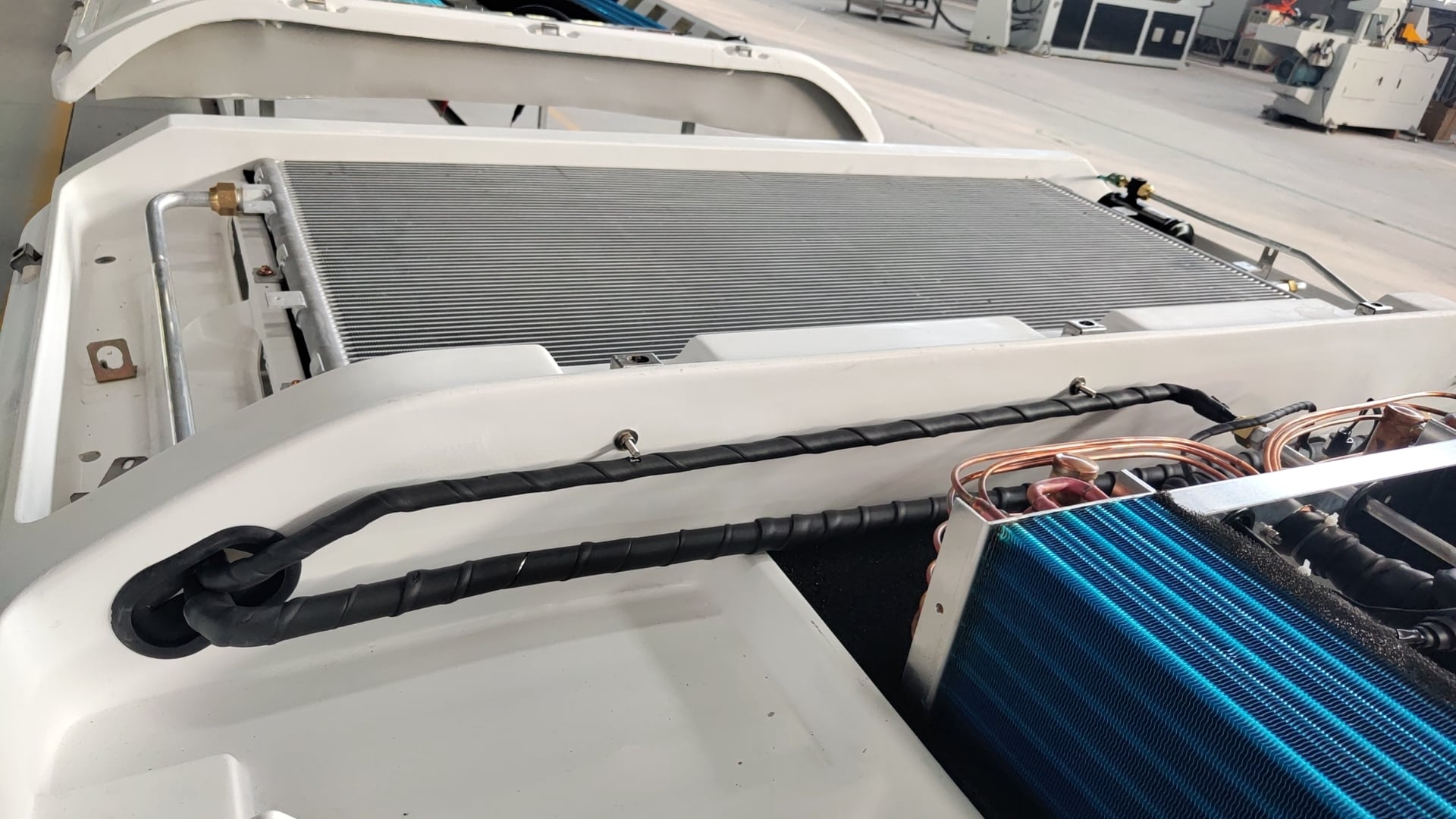
Drivers and fleet operators increasingly turn to a 12v air conditioner as the preferred solution for keeping vehicles cool during long journeys and hot weather operations. Unlike traditional vehicle cooling systems that rely on engine-driven compressors, a 12v air conditioner offers independent temperature control, improved fuel efficiency, and consistent comfort regardless of engine load. This shift reflects growing demand for reliable mobile cooling technology that adapts to modern transportation needs and driver expectations.
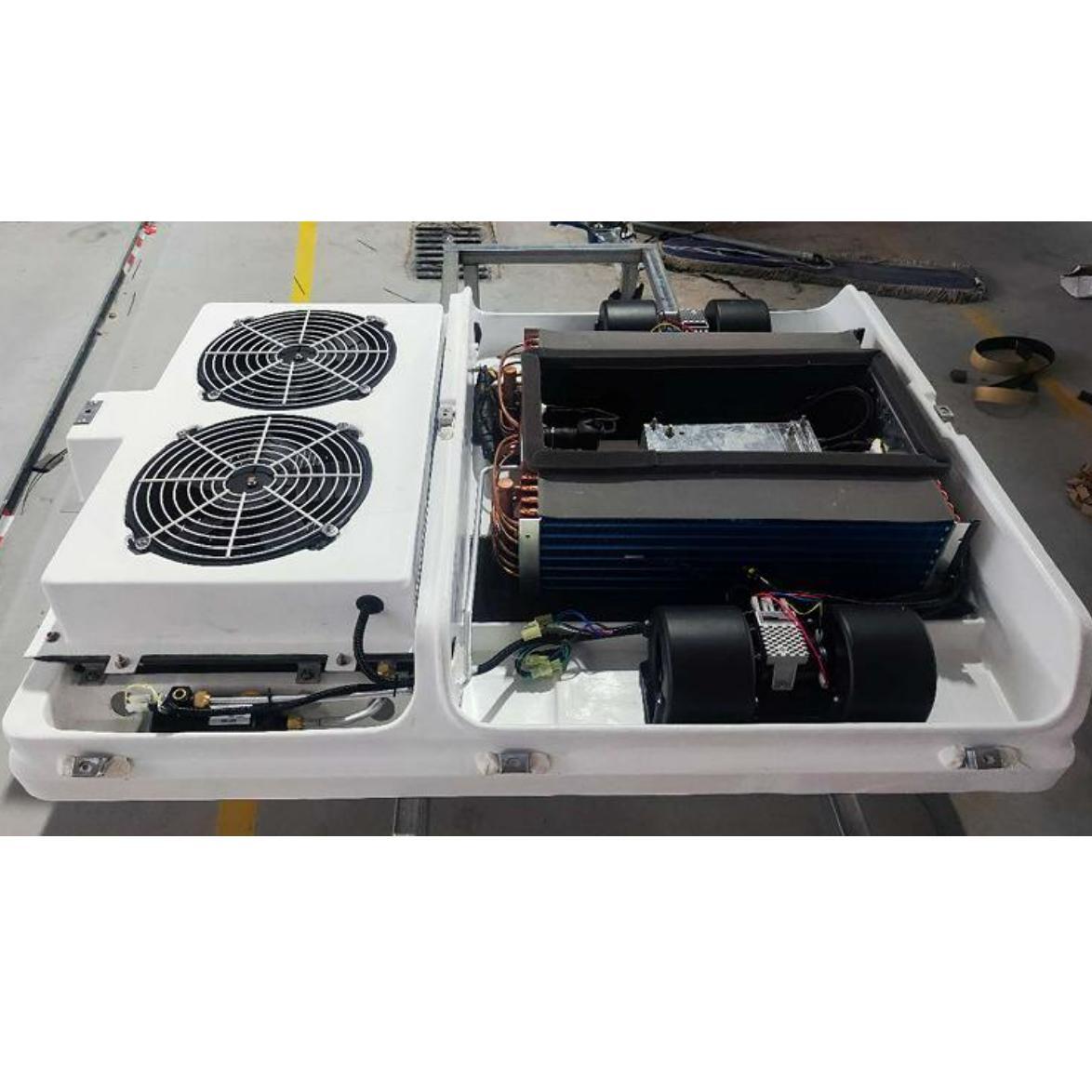
The choice of a 12v air conditioner represents a practical decision grounded in operational efficiency, cost savings, and passenger comfort. Whether for long-haul trucks, buses, light commercial vehicles, or specialized transport applications, a 12v air conditioner delivers targeted cooling performance while maintaining system simplicity and ease of installation. Understanding the underlying reasons for this preference helps fleet managers, vehicle operators, and buyers make informed decisions about their mobile cooling investments.
Energy Efficiency and Fuel Economy Benefits
How a 12V Air Conditioner Reduces Fuel Consumption
A primary reason drivers choose a 12v air conditioner is its minimal impact on engine performance and fuel economy. Traditional air conditioning systems draw significant power from the engine through belt-driven compressors, which increases engine load and fuel consumption during operation. In contrast, a 12v air conditioner operates independently from the engine's main power delivery system, drawing electricity from the vehicle's battery or auxiliary power source without forcing the engine to work harder. This decoupling means drivers can maintain cool cabin temperatures without the penalty of reduced fuel efficiency that comes with conventional AC systems.
For fleet operators managing hundreds of vehicles across multiple routes, the cumulative fuel savings from using a 12v air conditioner compound significantly over months and years. A single truck equipped with a 12v air conditioner might save 5–15% on fuel consumption during warm-weather months compared to an identical vehicle relying solely on engine-driven cooling. Multiplied across a fleet of 50 or 100 vehicles, these savings translate into thousands of dollars annually, making the 12v air conditioner a financially sound investment beyond the initial purchase cost.
Operating Cost Advantages of Independent Cooling
The operational cost structure of a 12v air conditioner favors long-term affordability and predictable maintenance. Because a 12v air conditioner does not impose mechanical stress on the engine's drivetrain, wear and tear on engine components, belts, and pulleys remains minimal. Drivers avoid premature engine strain, reduced engine lifespan, and the expensive repairs associated with overworked cooling systems. A 12v air conditioner also simplifies maintenance protocols because its electrical operation means fewer moving mechanical parts and lower risk of compressor failure due to engine-load cycling.
Insurance and maintenance budgets benefit when fleet managers specify a 12v air conditioner as standard equipment. The system requires straightforward electrical diagnostics, modular component replacement, and fewer emergency repairs during operation. Mechanics familiar with 12v air conditioner technology can diagnose and resolve issues quickly, reducing vehicle downtime and keeping drivers on schedule.
Reliability and Performance in Demanding Conditions
Consistent Cooling Across Variable Operating Scenarios
Drivers consistently choose a 12v air conditioner because it delivers reliable cooling performance regardless of engine RPM, ambient temperature, or terrain. Engine-driven compressor systems struggle at low speeds, during idle periods, and in mountainous terrain where engines operate at reduced RPM. A 12v air conditioner maintains stable output because its electric compressor operates independently, ensuring steady cooling whether the vehicle is stationary in traffic, climbing grades at low throttle, or traveling at highway speeds. This reliability is especially critical for long-haul drivers, delivery operators, and passenger transport services where cabin comfort directly impacts driver alertness, passenger satisfaction, and operational continuity.
Heavy-duty applications benefit profoundly from a 12v air conditioner's consistent performance. Buses carrying passengers through city traffic experience reliable cabin cooling even during frequent stops and starts. Refrigerated transport vehicles maintain precise temperature zones because the 12v air conditioner does not depend on engine speed fluctuations. Specialized vehicles like mobile command centers, emergency response units, and commercial service vans rely on a 12v air conditioner to maintain equipment and personnel comfort in unpredictable operating conditions.
Durability and System Longevity
A 12v air conditioner exhibits superior longevity compared to engine-driven systems because electric compressors experience less mechanical stress and thermal cycling. The system operates at controlled electrical parameters without exposure to engine vibration, extreme heat, or pressure spikes that degrade traditional compressor components. Drivers who maintain a 12v air conditioner according to manufacturer specifications often achieve 8–12 years of reliable service, far exceeding the typical 5–7 year lifespan of conventional automotive air conditioning systems.
The modular design of a 12v air conditioner facilitates component-level repairs without replacing entire systems. If the compressor requires service, technicians replace the compressor module while leaving the condenser, evaporator, and refrigerant lines intact. This modularity reduces repair costs, shortens service times, and extends the overall system lifecycle. Drivers appreciate this approach because it means fewer total vehicle replacements and lower lifecycle costs for their fleets.
Flexibility, Installation, and Scalability
Retrofitting and Installation Advantages
A 12v air conditioner offers exceptional flexibility for vehicle retrofitting, aftermarket installation, and custom cooling solutions that standard engine-driven systems cannot match. Buses, trucks, and light commercial vehicles that originally shipped without adequate cooling systems can be retrofitted with a 12v air conditioner without engine modifications or complex mechanical integration. Installation crews run 12v power cables through existing vehicle wiring passages, mount the compressor in available engine bay space, and connect evaporators to cabin vents using straightforward ductwork. This modularity makes a 12v air conditioner the ideal choice for fleet upgrades, specialized vehicle conversions, and rapid deployment scenarios where time and installation cost matter.
For vehicle manufacturers and integrators building specialized vehicles, a 12v air conditioner reduces engineering complexity and development timelines. Custom transport solutions, mobile units, and purpose-built vehicles benefit from simplified cooling architecture. Designers avoid complex engine-driven compressor coupling, reducing overall system weight and simplifying the under-hood environment. A 12v air conditioner supports faster time-to-market for new vehicle models and reduces engineering support costs during development and certification phases.
Scalability Across Vehicle Types and Applications
Standardizing fleet operations around a 12v air conditioner creates significant administrative and logistical advantages for fleet managers. Because a 12v air conditioner operates on the same electrical principle across light trucks, medium-duty vehicles, heavy buses, and specialty transport, spare parts inventories consolidate, technician training becomes more efficient, and troubleshooting procedures remain consistent. Fleet managers can specify a single 12v air conditioner cooling capacity standard and deploy that solution across multiple vehicle classes, simplifying procurement, warranty management, and field service operations.
This scalability extends to geographic deployment, seasonal operations, and market expansion. A 12v air conditioner specification established for summer cooling can be deployed in winter for heating systems, special refrigerated transport applications, or emergency response vehicles with minimal adaptation. Drivers transitioning between vehicle types within the same fleet encounter familiar 12v air conditioner controls and operation, reducing training overhead and driver adaptation time. This operational consistency strengthens fleet management and improves driver retention by offering predictable, comfortable work environments.
FAQ
What makes a 12v air conditioner better than a standard engine-driven cooling system?
A 12v air conditioner operates independently from the engine, improving fuel economy by 5–15% while delivering consistent cooling regardless of engine RPM or load conditions. Unlike engine-driven systems that strain the engine and reduce performance during peak cooling demand, a 12v air conditioner maintains stable output and extends component longevity through reduced mechanical stress. Drivers benefit from lower fuel costs, fewer repairs, and superior comfort during all operating scenarios.
Can a 12v air conditioner be installed on existing vehicles without major modifications?
Yes, a 12v air conditioner is designed for retrofit installation with minimal vehicle modification. Technicians run 12v power connections through existing wiring pathways, mount the compressor in available engine compartment space, and connect evaporators to cabin ductwork using standard tubing and fasteners. Retrofitting a 12v air conditioner takes significantly less time and costs substantially less than engine modifications required for traditional system upgrades. This makes aftermarket cooling solutions accessible to fleet operators and vehicle owners seeking improved comfort without major engineering investments.
How long does a 12v air conditioner typically last compared to conventional systems?
A well-maintained 12v air conditioner typically operates reliably for 8–12 years, outpacing the 5–7 year average lifespan of engine-driven compressor systems. The electric compressor experiences less mechanical stress and thermal cycling, reducing wear rates and failure risk. Modular component design allows repair at the module level without replacing entire systems, further extending lifecycle and reducing total ownership costs. Proper maintenance, seasonal inspections, and prompt repairs maximize service life and maintain consistent cooling performance throughout the vehicle's operational years.