
 EN
EN



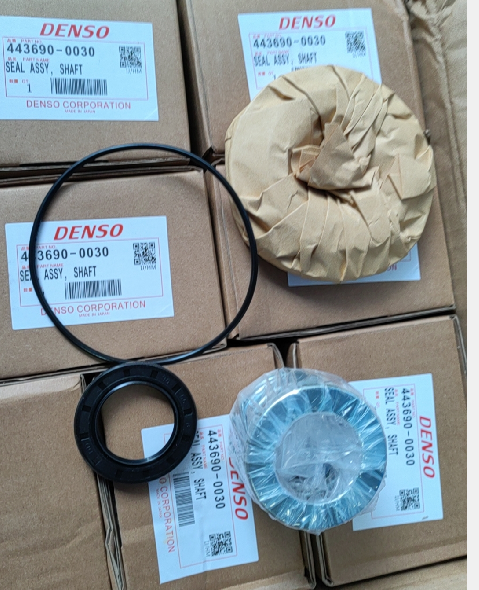
A shaft seal represents one of the most critical components in modern automotive systems, yet many vehicle owners and technicians overlook its importance. The primary function of a shaft seal is to create a barrier that prevents fluid leakage where rotating shafts pass through stationary housing or engine blocks. Understanding how a shaft seal prevents leakage directly impacts maintenance decisions, component longevity, and overall system reliability in automotive applications.
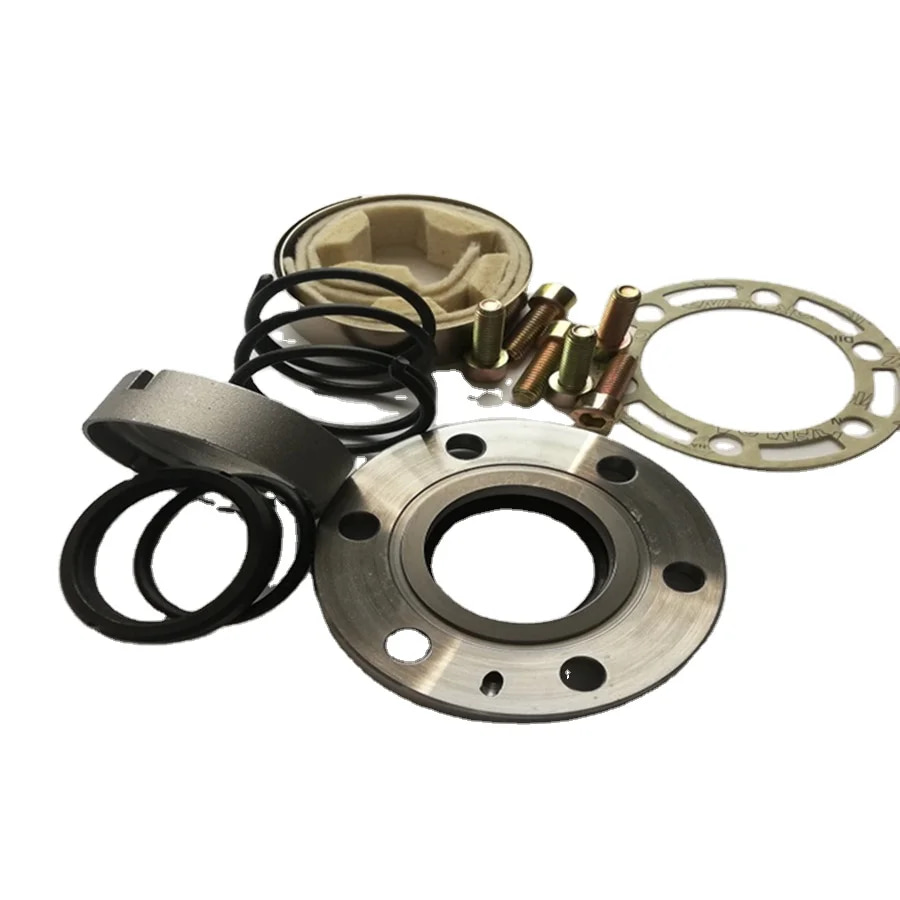
Every automotive engine, transmission, and differential requires at least one shaft seal to maintain system integrity and prevent catastrophic fluid loss. The mechanical design of a shaft seal involves precision engineering that balances multiple physical forces, pressures, and material interactions. When a shaft seal fails or begins to degrade, the consequences extend far beyond simple fluid leaks—they can compromise engine performance, trigger bearing damage, and necessitate expensive repairs that could have been prevented through proper understanding and maintenance.
The Core Design and Function of a Shaft Seal
How a Shaft Seal Creates a Fluid Barrier
A shaft seal operates by creating an extremely tight contact interface between the rotating shaft and a stationary sealing surface. The shaft seal typically consists of a primary sealing element, often made from elastomeric materials or ceramic compounds, that maintains intimate contact with the shaft surface as it rotates. This contact generates a microscopic fluid film that prevents leakage while allowing the shaft to rotate smoothly. The shaft seal design accounts for rotational speed, pressure differential, fluid viscosity, and thermal expansion, ensuring reliable performance across a wide range of operating conditions.
The pressure differential across a shaft seal drives fluid outward along the shaft surface, but the sealing lip design reverses this flow pattern through a pumping action. When engineered correctly, a shaft seal creates a dynamic seal that actually pumps excess fluid back into the reservoir rather than allowing it to escape. This dual-function approach—preventing outward leakage while managing internal pressure—makes the shaft seal vastly superior to simple static gaskets or packings in high-speed rotating applications.
Material Selection and Sealing Surface Interaction
Modern shaft seal construction relies on carefully selected materials that can withstand continuous friction, thermal cycling, and chemical exposure. Nitrile rubber, fluorocarbon (Viton), and polyacrylate elastomers dominate shaft seal formulations, each offering specific advantages for different fluid types and temperature ranges. The sealing lip of a shaft seal must maintain elasticity to conform to minor shaft imperfections while resisting hardening from thermal exposure or fluid absorption. A shaft seal performs optimally when the primary sealing element remains hydrated by the fluid it seals—complete drying leads to lip shrinkage and catastrophic failure.
The rotating shaft surface itself must meet strict smoothness requirements for a shaft seal to function effectively. Even microscopic roughness, scoring, or corrosion on the shaft surface can compromise the seal interface and accelerate sealing element wear. Automotive manufacturers specify shaft surface finish tolerances measured in microinches, ensuring that a shaft seal contacts a smooth, consistent surface throughout its service life. When a shaft seal contacts a degraded shaft surface, it loses its ability to maintain the critical fluid film thickness needed for leak-free operation.
Pressure Management and Secondary Sealing Elements
How Pressure Differential Affects Shaft Seal Performance
The pressure difference between inside and outside a shaft seal drives fluid flow along the shaft toward the unsealed side. A shaft seal must resist this pressure gradient while maintaining its flexibility and contact force. In high-pressure applications such as automatic transmission main pumps or supercharger bearings, the pressure differential across the shaft seal can reach 100 PSI or higher, requiring reinforced designs with additional spring tension. The shaft seal's ability to manage pressure becomes the limiting factor in determining maximum operating pressure for many automotive components.
Engineers compensate for pressure challenges through multi-stage shaft seal designs that incorporate secondary sealing elements and pressure relief pathways. A shaft seal in a pressurized bearing cavity might include both a primary dynamic sealing element and a secondary static seal element, distributing the pressure load across multiple interfaces. This approach prevents excessive contact pressure that would cause the shaft seal to overheat, harden prematurely, and lose its sealing effectiveness.
Spring Mechanisms and Contact Force Maintenance
Every shaft seal incorporates a spring mechanism—typically a garter spring or wave spring—that maintains consistent contact force between the sealing lip and the rotating shaft. This spring ensures that as the shaft seal lip wears gradually over thousands of operating hours, the contact remains sealed by automatically pulling the lip inward. Without this spring mechanism, a shaft seal would develop micro-gaps as wear accumulated, starting the final stages of leakage that would accelerate under pressure. The spring material and design determine how long a shaft seal maintains sealed contact before replacement becomes necessary.
Temperature directly affects spring force in a shaft seal, as elevated operating conditions reduce the spring constant and contact pressure. During engine warm-up phases, a shaft seal relies on residual spring tension and fluid film strength to maintain sealing. Once the engine reaches operating temperature and fluid viscosity stabilizes, the shaft seal's spring reaches its thermal equilibrium point. If a shaft seal's spring weakens from fatigue or thermal cycling before the sealing lip material degrades, the seal can begin weeping oil long before the elastomer itself shows signs of wear.
Installation, Maintenance, and Performance Optimization
Proper Installation Techniques for Shaft Seal Reliability
Correct installation of a shaft seal determines whether it will perform reliably or fail prematurely. The shaft seal must be installed with the sealing lip facing the fluid side, with the spring mechanism properly positioned and the backup element fully seated against the counterbore. Installation tools specifically designed for shaft seal compression and seating prevent lip damage that would compromise sealing immediately. Many premature shaft seal failures originate not from design defects but from improper installation that installed the seal backwards, installed it at an angle, or damaged the sealing lip during assembly.
The shaft seal must be installed on a clean, undamaged shaft with no surface contamination, corrosion, or burrs that could puncture or cut the sealing lip. Technicians should inspect the shaft surface carefully and clean it with appropriate solvents before installing a shaft seal. Even small particles trapped at the seal installation point can cause premature wear or allow the seal lip to track incorrectly on the shaft surface.
Monitoring and Replacement Intervals
Most automotive shaft seal applications do not show warning signs before failure occurs. Unlike many other engine components, a shaft seal fails suddenly rather than degrading gradually and alerting the driver to a problem. Regular inspections for oil weeping around shaft locations—engine crankshaft, transmission input shaft, differential pinion shafts—reveal early signs that a shaft seal has begun to fail. Once visible leakage appears, the shaft seal has already started to degrade and should be replaced promptly before complete failure causes catastrophic fluid loss.
Replacement intervals for a shaft seal depend on vehicle mileage, operating conditions, and the specific automotive system. Many shaft seals remain effective for 100,000 to 200,000 miles under normal driving conditions, while severe conditions—high temperatures, frequent towing, or extreme duty cycles—accelerate wear rates. Preventive replacement of a shaft seal during routine maintenance on high-mileage vehicles costs substantially less than emergency repairs and component replacements triggered by complete seal failure.
FAQ
What causes a shaft seal to fail in automotive applications?
A shaft seal fails when the sealing lip material hardens and shrinks from thermal or chemical exposure, when the spring mechanism loses tension from fatigue, or when the shaft surface becomes damaged and creates cutting points on the seal lip. Contamination inside the seal cavity, improper installation, or operating the shaft seal beyond its design pressure limits also accelerates failure. The most common failure mechanism involves gradual lip wear combined with spring relaxation, allowing micro-gaps to develop where leakage begins.
How often should an automotive shaft seal be replaced?
Automotive shaft seal replacement intervals typically range from 100,000 to 200,000 miles, though this varies based on the specific component, operating conditions, and fluid type. Many manufacturers do not specify rigid replacement intervals for shaft seals but instead recommend replacement when visual inspection reveals leakage or when seals are disturbed during other maintenance procedures. Severe operating conditions, extreme temperatures, or continuous high-load operation may necessitate more frequent shaft seal replacement.
Can a leaking shaft seal be repaired without removing the shaft?
Once a shaft seal begins to leak noticeably, it cannot be effectively repaired without replacement. Temporary measures such as shaft seal conditioner products provide only minimal and short-lived relief by temporarily softening the seal lip. The only reliable solution involves removing the component housing or assembly to access and replace the failed shaft seal properly. Attempting to ignore a leaking shaft seal or treating it only with temporary products risks complete fluid loss and secondary damage to bearings and other components.