
 EN



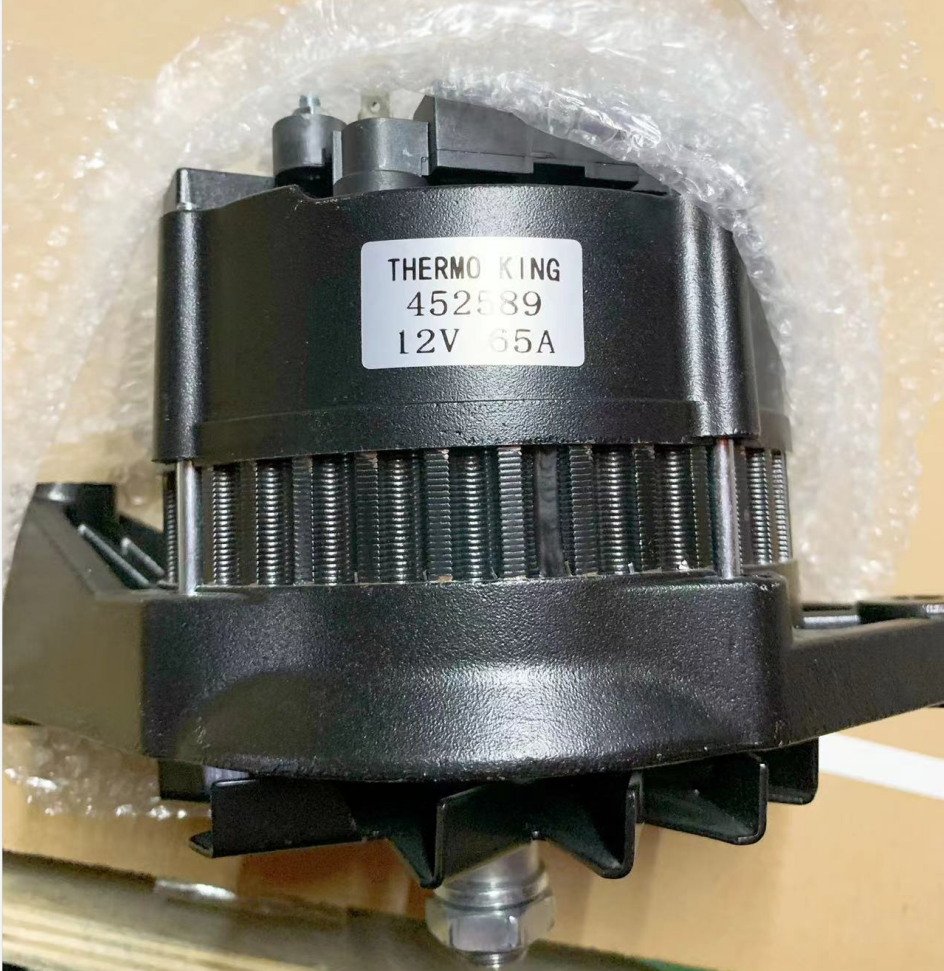
An alternator generator is one of the most critical electrical components in modern vehicles, responsible for converting mechanical energy into electrical power that keeps your engine running smoothly. Unlike the starter motor that ignites your engine, an alternator generator maintains continuous power supply to all electrical systems once the engine is running. This essential component charges your vehicle's battery while simultaneously powering the lights, climate control, entertainment systems, and numerous other electrical components. Understanding how an alternator generator functions helps vehicle owners appreciate the complexity of modern automotive engineering and recognize when maintenance or replacement becomes necessary.

The alternator generator operates through electromagnetic induction, a physics principle that has remained unchanged for over a century. As your engine runs, the alternator generator spins at high speeds, creating a rotating magnetic field that generates alternating electrical current. This alternating current is then converted to direct current, which is the type of electricity your vehicle's battery and electrical systems require. The efficiency and output of an alternator generator directly impact your vehicle's reliability, fuel economy, and the lifespan of your electrical components, making it essential to understand its operation and maintenance requirements.
Core Components and Design of the Alternator Generator
Rotor and Stator Assembly in Alternator Generator Systems
The alternator generator consists of several key components working in perfect synchronization. The rotor, also called the field coil, rotates inside a stationary stator winding. As the rotor spins, it creates a rotating magnetic field that cuts through the stator's copper wire coils. This interaction between the rotating magnetic field and stationary wire coils is the fundamental principle that makes an alternator generator generate electrical power. The rotor is typically driven by the engine's serpentine belt, which transfers the engine's rotational motion to the alternator generator at a specific speed ratio, often between 3:1 and 5:1.
Rectifier and Voltage Regulator in Alternator Generator Units
After the alternator generator creates alternating current, the rectifier diodes convert this AC power into direct current suitable for your battery and electrical systems. The voltage regulator monitors the electrical output and automatically adjusts the alternator generator's field current to maintain a consistent voltage output, typically between 13.5 and 14.5 volts for 12-volt systems. Without this regulation, the alternator generator could produce dangerous voltage spikes that damage sensitive electronic components. Modern voltage regulators are often integrated directly into the alternator generator housing, improving reliability and reducing the number of external connections required.
How the Alternator Generator Powers Your Vehicle's Electrical Systems
Battery Charging and Continuous Power Supply from Alternator Generator
When you start your vehicle, the battery provides the initial electrical power to turn the starter motor and ignite the engine. Once the engine reaches operating speed, the alternator generator immediately begins generating power and assumes the responsibility of supplying electricity to all vehicle systems. The alternator generator simultaneously charges the battery back to its full state of charge, replacing the power that was consumed during engine startup. This continuous charging cycle ensures your battery remains ready for the next engine start while powering all auxiliary systems. A healthy alternator generator typically produces 50 to 150 amps of current, depending on the vehicle's size and electrical demands.
Managing Electrical Load and System Efficiency with Alternator Generator Output
The alternator generator must dynamically adjust its output based on your vehicle's changing electrical demands throughout the day. When you activate the headlights, wipers, and air conditioning simultaneously, the alternator generator increases its output to meet these combined loads. The voltage regulator continuously monitors electrical system voltage and adjusts the alternator generator's charging rate accordingly. This intelligent load management prevents battery overcharging while ensuring all electrical systems receive adequate power. In hybrid and electric vehicles, the alternator generator concept has evolved into more sophisticated regenerative systems that recover energy during braking to recharge the battery.
Maintenance, Troubleshooting, and Longevity of Alternator Generator Units
Signs of Alternator Generator Failure and Performance Decline
A failing alternator generator typically exhibits warning signs that alert drivers before complete electrical system failure occurs. Dimming dashboard lights and headlights indicate the alternator generator is not producing sufficient power, while a battery warning light on your dashboard signals electrical charging problems. Strange noises, such as grinding or whining sounds, suggest worn bearings inside the alternator generator that require professional inspection. If your vehicle struggles to start or the battery constantly drains despite regular charging, the alternator generator may be unable to maintain adequate output. Electronic devices like GPS units and smartphones may behave erratically due to voltage fluctuations from a failing alternator generator.
Extending Alternator Generator Service Life Through Proper Maintenance
Regular vehicle maintenance extends the lifespan of your alternator generator and prevents unexpected electrical failures. Keep the serpentine belt properly tensioned and check it for cracks or wear, as a slipping belt reduces alternator generator efficiency and can cause complete power loss. Ensure your battery connections remain clean and tight, allowing the alternator generator to charge effectively. Professional testing can verify that your alternator generator maintains proper voltage output and amperage capability. Most alternator generators last between 80,000 and 150,000 miles, though quality, driving conditions, and electrical system demands influence actual lifespan. Replacing a worn alternator generator before it fails prevents you from being stranded and protects other electrical components from damage caused by inadequate power supply.
FAQ
What is the main difference between an alternator and an alternator generator?
The terms 'alternator' and 'alternator generator' are largely synonymous in automotive contexts, though 'alternator generator' emphasizes both the alternating current generation process and the conversion to direct current. Both terms refer to the same component that converts mechanical engine energy into electrical power for your vehicle. The distinction is primarily technical and semantic rather than functional.
Can an alternator generator be repaired instead of replaced?
Some alternator generator failures can be repaired, such as replacing worn brushes or regulator components, but complete rebuilds are often more cost-effective than repair. When an alternator generator's rotor or stator windings fail, replacement rather than repair is typically the practical solution. Professional mechanics can assess whether your alternator generator warrants repair or replacement based on the specific damage.
How do I know if my alternator generator needs testing?
If you experience battery warning lights, dimming headlights, or difficulty starting your vehicle, professional alternator generator testing should be performed immediately. A multimeter can measure voltage output across battery terminals while the engine runs; healthy alternator generator output should range between 13.5 and 14.5 volts. Many auto parts retailers offer free alternator generator testing to help diagnose electrical system problems.