
 EN



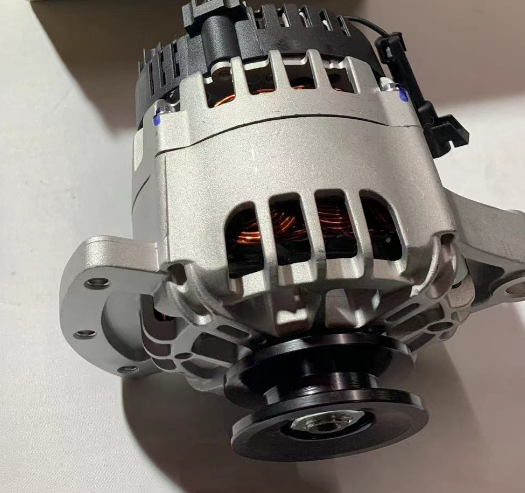
Modern vehicles depend on sophisticated electrical systems to deliver reliable performance, and the alternator generator stands at the core of this critical infrastructure. Manufacturers integrate alternator generator technology into every vehicle to maintain consistent power supply, support growing electrical demands, and ensure engine operation stability. Understanding why the alternator generator has become indispensable reveals the engineering logic behind vehicle design and the practical necessities that shape automotive systems today.

The alternator generator serves multiple critical functions that no single electrical component can replicate independently. This specialized system converts mechanical energy into electrical energy while simultaneously managing power distribution, maintaining battery charge levels, and regulating voltage across the entire vehicle network. Engineers select and implement alternator generator solutions based on vehicle class, engine displacement, expected electrical load profile, and duty cycle requirements.
Power Generation and Battery Management
Continuous Electrical Supply During Operation
The alternator generator produces electrical current whenever the engine runs, eliminating dependence on battery reserves during normal driving. Unlike the battery, which depletes with every electrical draw, the alternator generator actively replenishes stored energy while the engine delivers mechanical power to the pulley system. This continuous regenerative cycle ensures that accessories, lighting systems, and control modules receive adequate voltage without draining the battery reserve.
Manufacturers choose alternator generator systems because they eliminate the starting constraint that plagued early vehicles. Without the alternator generator, multiple engine starts would quickly discharge the battery to unusable levels. Modern vehicles operate headlights, climate control systems, infotainment displays, and advanced driver assistance electronics simultaneously, creating electrical loads that would overwhelm any battery-only architecture. The alternator generator handles this sustained demand efficiently.
Voltage Regulation and System Stability
Integrated voltage regulators within modern alternator generator units maintain precise electrical output between 13.5 and 14.5 volts, protecting sensitive electronics from damage and ensuring optimal battery charging rates. Engine speed fluctuations naturally vary generator output, so the alternator generator incorporates sophisticated regulation logic that automatically adjusts internal field current to stabilize voltage regardless of engine speed or electrical load changes. This precision regulation prevents system voltage spikes that could destroy vehicle computers, sensors, and entertainment systems.
The alternator generator's regulation capability directly supports vehicle reliability and longevity. Electronic control modules that manage fuel injection, transmission shifting, brake systems, and emissions depend on stable power to execute their complex algorithms correctly. Without the alternator generator's active voltage management, electrical noise and voltage fluctuations would introduce errors into critical safety systems, potentially causing performance degradation or component failure.
Meeting Modern Electrical Demand Challenges
Supporting Advanced Vehicle Technologies
Contemporary vehicles incorporate multiple electrical systems that consume far more power than vehicles from previous decades. The alternator generator supplies power for adaptive headlights, heated seats, power steering pumps, electric brake boosters, integrated infotainment touchscreens, navigation systems, wireless device charging pads, and autonomous driving sensors. Manufacturers must specify alternator generator capacity in amperes to match or exceed the simultaneous load these systems impose during peak demand scenarios.
Luxury and commercial vehicles often require alternator generator systems rated at 150 to 200 amperes, significantly higher than vehicles equipped with basic electrical packages. The alternator generator design scales with vehicle complexity and manufacturer expectations for customer satisfaction. Engineers calculate electrical loads during vehicle development and select alternator generator specifications that maintain system voltage above minimum thresholds even when multiple high-current devices operate simultaneously.
Engine Start Reliability Under Extreme Conditions
Cold-weather vehicle starts demand enormous current draw from the battery as engine oil thickens and cranking resistance increases dramatically. The alternator generator must recharge the battery quickly after starting so that subsequent restarts remain reliable even in extreme cold environments. Manufacturers design alternator generator charging systems with sufficient output capacity to restore battery reserve within minutes of engine startup, ensuring drivers can reliably restart vehicles during a single day despite multiple engine starts.
Heavy-duty commercial vehicles and construction equipment operate in harsh environments where electrical system reliability directly impacts productivity and safety. The alternator generator specifications for these applications reflect the severe duty cycles and demanding operating conditions. Manufacturers select alternator generator units with enhanced cooling, sealed bearings, and rugged construction to withstand vibration, moisture, and temperature extremes that would disable standard automotive alternatives.
Efficiency and Cost Optimization
Mechanical Efficiency and Fuel Economy Impact
Modern alternator generator systems achieve high electrical generation efficiency while minimizing parasitic mechanical load on the engine. The alternator generator converts approximately eighty-five to ninety percent of mechanical input energy into electrical output, far exceeding performance levels from older electromechanical systems. This efficiency directly reduces fuel consumption because the engine expends less power driving the alternator generator pulley, allowing more combustion energy to reach the wheels.
Manufacturers specify alternator generator designs that balance electrical output capacity against mechanical load to optimize vehicle fuel economy ratings. The alternator generator operates with variable field current regulation, meaning it draws minimal engine power during light electrical demand and increases output only when electrical loads increase. This demand-responsive characteristic makes the alternator generator compatible with modern engine efficiency strategies and hybrid powerplant architectures.
Long-Term Reliability and Maintenance Economics
Sealed bearing alternator generator designs require no routine maintenance and operate for the entire vehicle service life without attention. Manufacturers select alternator generator technology because it delivers decades of reliable operation with minimal intervention, reducing customer service costs and supporting vehicle resale value through system longevity. The alternator generator represents a mature, proven technology where performance characteristics are predictable and well-understood by technicians worldwide.
When alternator generator failure does occur, replacement is straightforward and relatively inexpensive compared to specialized electrical system components. The standardized design of most alternator generator units means manufacturers can source components from multiple suppliers, maintain competitive pricing, and ensure parts availability throughout the vehicle service life. This economic model supports manufacturer profitability while keeping vehicle ownership costs reasonable for consumers.
FAQ
Why can't vehicles use only batteries instead of alternator generator systems?
Batteries have fixed energy storage capacity that depletes with every electrical draw, while alternator generator systems continuously replenish charge during engine operation. The alternator generator solves the battery depletion problem by converting engine mechanical energy into electrical energy, providing unlimited electrical supply as long as the engine runs. Without the alternator generator, vehicle batteries would deplete within hours of continuous operation, making normal vehicle use impossible.
How does the alternator generator maintain constant voltage as engine speed changes?
Integrated voltage regulators within the alternator generator automatically adjust internal field current to compensate for engine speed variations. When engine speed increases, the regulator reduces field current to prevent overvoltage, and when engine speed decreases, the regulator increases field current to maintain output voltage. This automatic compensation keeps the alternator generator output stable between 13.5 and 14.5 volts regardless of whether the engine idles or operates at maximum speed.
What happens if the alternator generator fails while driving?
Vehicle operation continues temporarily using battery energy, but the battery depletes rapidly as it supplies all electrical loads without the alternator generator contribution. Control modules detect low system voltage and illuminate warning indicators on the instrument cluster to alert the driver. The vehicle remains operational for perhaps thirty minutes to an hour depending on electrical load and battery capacity, allowing drivers to reach a service facility before complete electrical system failure occurs.