
 EN
EN



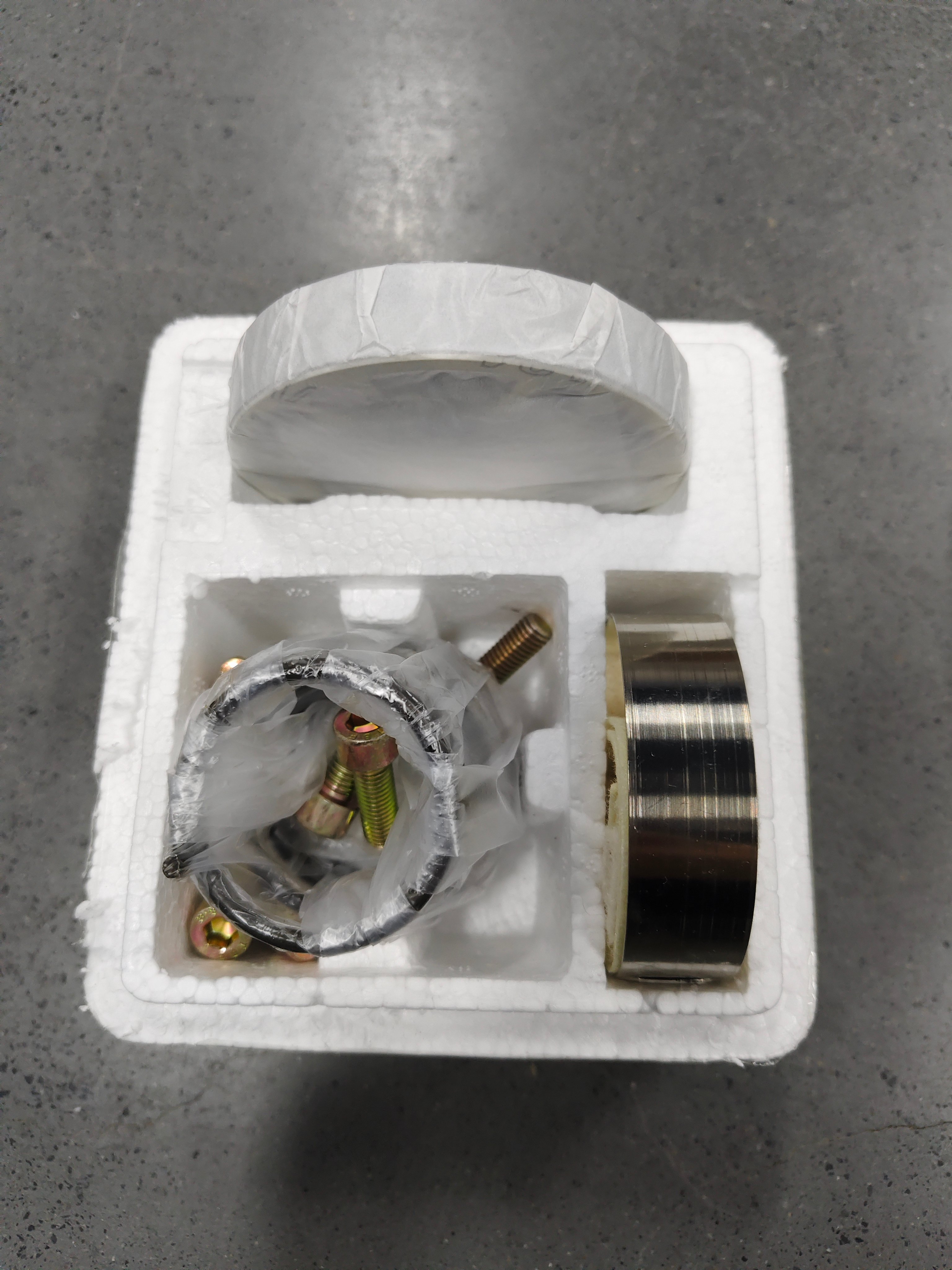
A shaft seal is a critical mechanical component that prevents refrigerant and oil leakage in refrigeration systems while maintaining operational integrity and safety. The shaft seal sits at the point where the compressor's rotating shaft exits the sealed housing, creating a barrier against leakage while allowing the shaft to rotate freely. Understanding what a shaft seal does and why it's indispensable helps refrigeration technicians, maintenance professionals, and facility managers make informed decisions about system reliability, energy efficiency, and environmental compliance. The shaft seal represents one of the most important investments in preventing costly downtime and refrigerant loss in modern refrigeration equipment.
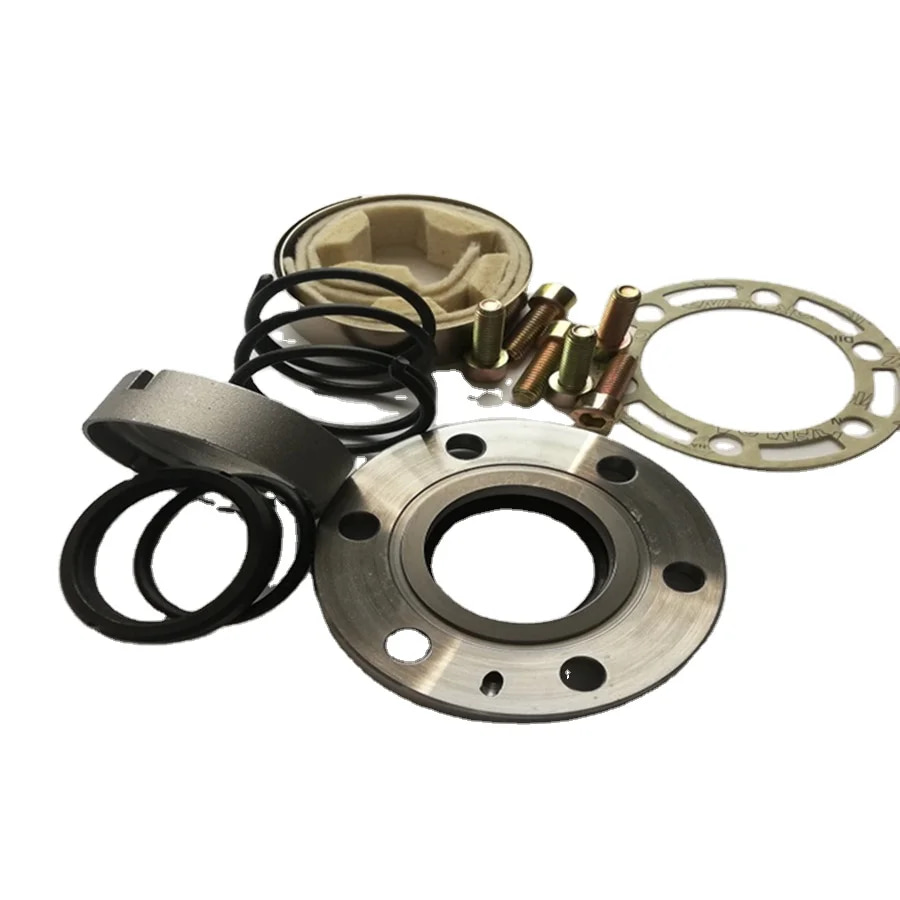
Refrigeration systems operate under extreme pressures and temperatures, circulating specialized fluids that must remain contained within sealed circuits. Without an effective shaft seal, these systems would lose refrigerant through the rotating shaft opening, reducing cooling capacity and requiring frequent service interventions. The shaft seal addresses this engineering challenge by creating a controlled seal interface that accommodates constant rotation while preventing fluid escape, making it essential for system longevity and environmental responsibility.
The Core Function of a Shaft Seal
How Shaft Seal Design Prevents Leakage
A shaft seal operates by creating a sealing interface between stationary and rotating components within the compressor housing. The typical shaft seal assembly includes rotating and stationary seal faces made from specialized materials like carbon, ceramic, or tungsten carbide that minimize wear and maintain reliable contact. When the compressor shaft rotates, these precision-engineered surfaces maintain an ultraclean seal gap, often measured in micrometers, that prevents refrigerant vapor and compressor oil from escaping. This mechanical precision is what distinguishes a quality shaft seal from inferior alternatives, as even microscopic gaps can lead to significant refrigerant loss over time. A properly functioning shaft seal ensures that the system retains its refrigerant charge and maintains optimal pressure differentials necessary for efficient refrigeration operation.
Pressure Management and Sealing Physics
The shaft seal must manage substantial pressure differences across its interface, as the compressor discharge side operates at significantly higher pressures than the atmosphere outside. A well-designed shaft seal includes a mechanical barrier film, often a light hydrocarbon oil, that provides additional lubrication and sealing function between the rotating faces. This thin film reduces friction, minimizes heat generation, and contributes to the overall sealing effectiveness of the shaft seal assembly. Without this pressure management capability, the shaft seal would fail rapidly, leading to refrigerant loss and compressor damage. The engineering behind an effective shaft seal balances friction reduction, sealing reliability, and material durability under these demanding operational conditions.
Why Shaft Seal Technology Is Essential in Refrigeration
Preventing Environmental Impact and Regulatory Compliance
Refrigerant leakage through a failed shaft seal represents both an environmental hazard and a regulatory violation in most jurisdictions. Modern refrigerants, particularly those with ozone-depletion potential or global-warming potential, are strictly regulated substances that must be contained and handled according to EPA and international protocols. A failing shaft seal that allows refrigerant to escape violates environmental regulations and contributes to atmospheric damage, making compliance a critical business and ethical responsibility. Facilities that experience refrigerant loss due to inadequate shaft seal performance may face significant fines, mandatory system shutdowns, and reputational damage. Investing in quality shaft seal technology directly supports environmental stewardship and helps facilities maintain their regulatory standing in an increasingly strict compliance landscape.
Reducing Operational Costs and System Downtime
A leaking shaft seal forces maintenance teams into reactive repair cycles that disrupt facility operations and drain budgets through emergency service calls and refrigerant recharging. Each refrigerant loss event requires technician time to diagnose the leak, recover remaining refrigerant, replace the failed shaft seal, and recharge the system with new refrigerant at considerable expense. Over a system's lifetime, the cost of addressing multiple shaft seal failures through reactive maintenance often exceeds the initial investment in a high-quality shaft seal installed proactively. By implementing a robust shaft seal from the outset, facility managers reduce unplanned downtime, extend compressor lifespan, and lower total cost of ownership. The shaft seal is therefore not merely a component but a strategic investment in operational reliability and cost control.
Shaft Seal Selection and Performance Considerations
Material Science and Durability Factors
The materials used in a shaft seal directly determine its performance life and reliability under varying refrigeration conditions. Carbon composite faces offer good sealing but may experience wear more quickly in high-speed applications, while ceramic and tungsten carbide materials provide superior hardness and extended service life, particularly in demanding industrial refrigeration environments. The choice of secondary sealing elements, typically elastomeric materials, must match the specific refrigerant being used, as some refrigerants are aggressive solvents that degrade certain elastomer compounds. A shaft seal designed for one refrigerant type may fail prematurely if installed in a system using a different refrigerant, making proper shaft seal specification critical during equipment selection or system upgrades. Understanding material compatibility ensures that the shaft seal investment provides expected durability and prevents premature failure due to chemical incompatibility.
Speed, Temperature, and Operating Envelope Optimization
Different refrigeration applications impose varying demands on the shaft seal, from low-speed agricultural systems to high-speed industrial compressors operating at thousands of revolutions per minute. A shaft seal optimized for low-speed operation may experience catastrophic failure if installed in a high-speed compressor, as the increased centrifugal forces and friction heat exceed the component's design envelope. Conversely, a heavy-duty shaft seal rated for extreme speeds may be oversized and unnecessarily expensive for moderate-duty applications where a simpler design provides adequate performance. Matching the shaft seal specification to the actual operating speed, temperature range, and compressor displacement ensures optimal performance and value. Industrial refrigeration professionals must therefore consider the complete operating context when selecting a shaft seal to avoid both undersizing failures and unnecessary cost overruns.
FAQ
What happens when a shaft seal fails in a refrigeration system?
When a shaft seal fails, refrigerant and compressor oil leak from the system, reducing cooling capacity and forcing the compressor to work harder to maintain temperature setpoints. Failed shaft seal conditions typically produce visible oil stains around the compressor, hissing sounds indicating gas escape, and pressure gauge readings that decline over time. The system eventually loses enough refrigerant to trigger low-pressure safety shutdowns, requiring immediate service intervention to diagnose the leak location, recover remaining refrigerant, replace the failed shaft seal, and recharge the system. Prolonged operation with a leaking shaft seal risks compressor burnout and complete system failure, making prompt diagnosis and repair essential.
How long does a shaft seal typically last in normal refrigeration operation?
A quality shaft seal installed in a well-maintained refrigeration system typically provides three to five years of reliable service, though this varies based on refrigerant type, operating speed, temperature cycling, and system cleanliness. Systems operated within design parameters with regular maintenance, including refrigerant monitoring and oil analysis, often experience extended shaft seal life approaching seven to ten years. Conversely, systems subjected to frequent temperature swings, contamination, or operation outside design specifications may see shaft seal failure within one to two years. Preventive maintenance practices like refrigerant analysis and system filtration significantly extend shaft seal longevity and reduce unexpected failures.
Can a shaft seal be repaired, or must it be replaced when it fails?
A shaft seal cannot be effectively repaired when it fails and must be completely replaced as a unit to restore system integrity. The precision sealing surfaces, elastomer components, and mechanical elements of a shaft seal are integrated into a single assembly designed to function as a cohesive unit, and damage to any component compromises the entire seal function. Attempting to clean or partially refurbish a failed shaft seal typically results in accelerated re-failure and does not provide reliable sealing restoration. Professional refrigeration service requires complete shaft seal replacement, system evacuation, and proper recharging to ensure long-term reliability and regulatory compliance.