
 EN



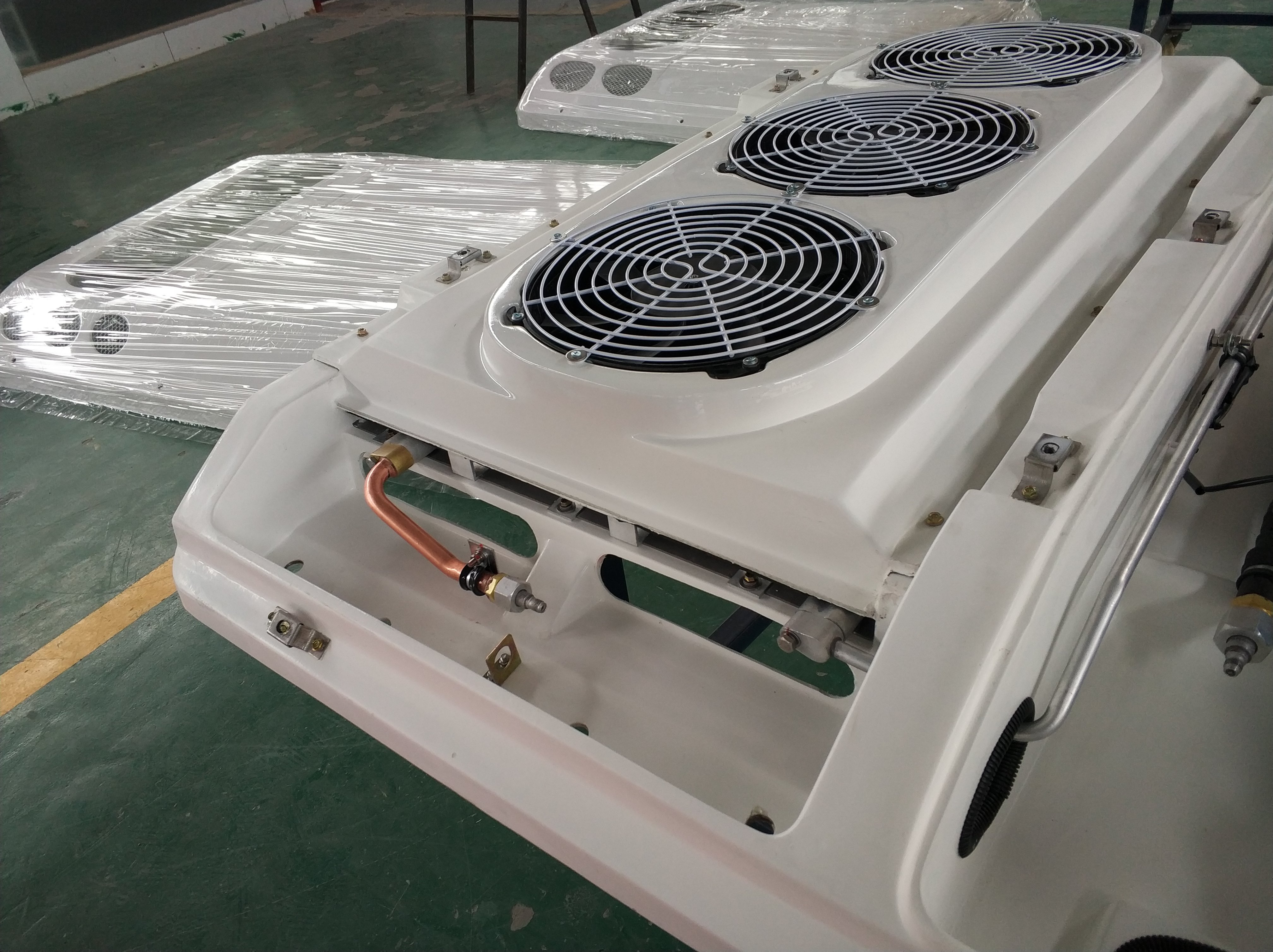
A 12v air conditioner is the backbone of modern automotive comfort, operating through a sophisticated refrigeration cycle powered by your vehicle's electrical system. Understanding how a 12v air conditioner functions helps drivers appreciate the engineering behind their cooling and make informed maintenance decisions. The 12v air conditioner system converts electrical energy from the vehicle's battery into mechanical cooling power, delivering chilled air to the cabin regardless of external temperatures.
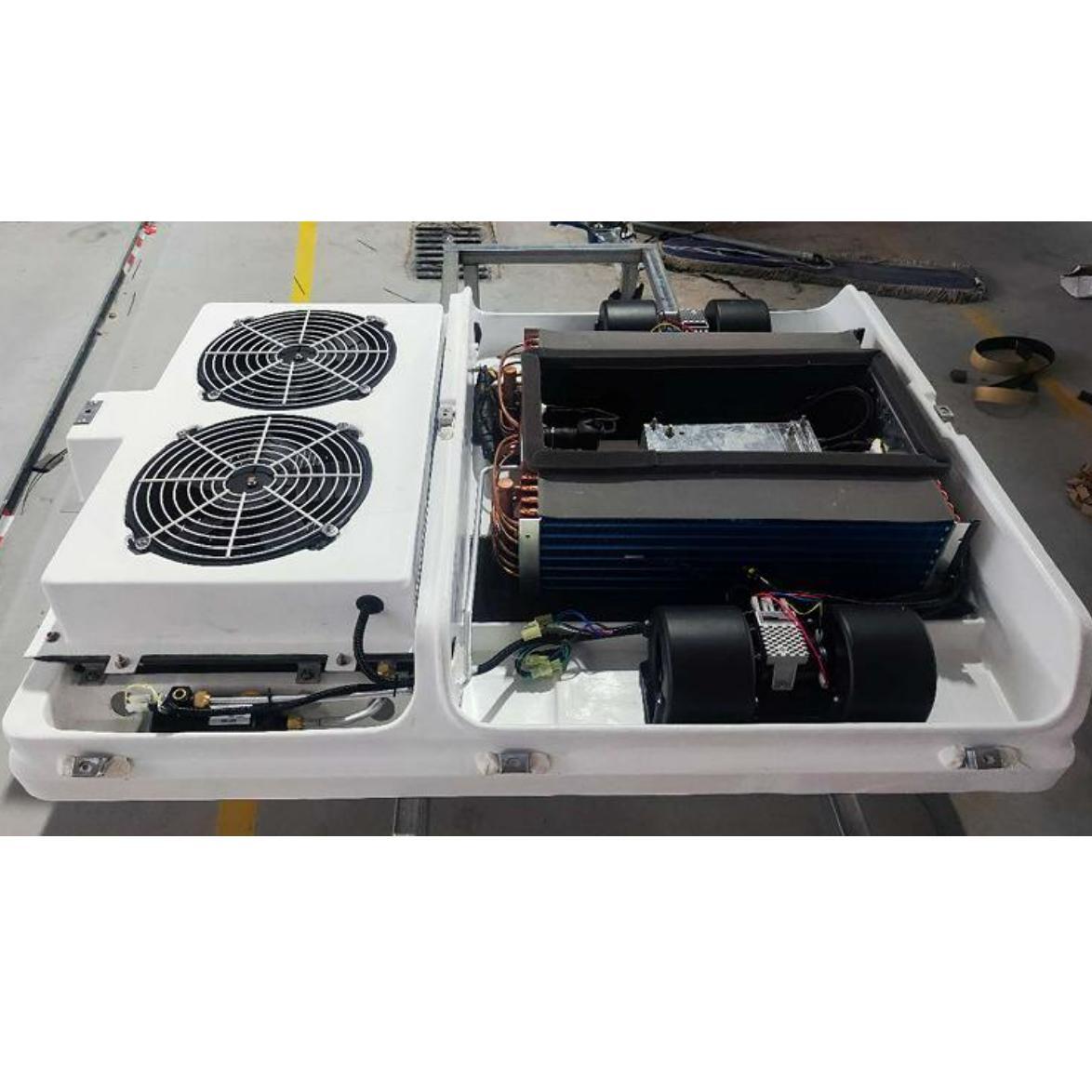
The 12v air conditioner operates on principles established over decades of refrigeration science, but automotive applications require compact, efficient designs. A 12v air conditioner must work reliably in tight engine compartments while maintaining consistent cooling performance across varying engine speeds and ambient conditions. This article explores the complete operational workflow of a 12v air conditioner, from compressor engagement through cabin temperature regulation.
Core Components of a 12V Air Conditioner System
The Compressor and Its Role
The compressor is the heart of every 12v air conditioner system. Driven by a serpentine belt connected to the engine, the 12v air conditioner compressor pressurizes refrigerant gas, raising its temperature and enabling heat transfer. When the driver engages the air conditioning control, an electromagnetic clutch connects the compressor shaft to engine rotation. Inside the 12v air conditioner compressor, pistons or vanes compress the gaseous refrigerant into a high-pressure state, fundamentally initiating the cooling cycle that makes a 12v air conditioner effective.
Condenser and Expansion Components
After compression, refrigerant flows into the condenser, a heat exchanger mounted at the vehicle's front. The 12v air conditioner condenser uses ambient airflow to reject heat from the pressurized refrigerant, converting it into liquid form. From the condenser, the 12v air conditioner routes liquid refrigerant through a receiver-drier that removes moisture and contaminants. The expansion valve or orifice tube then regulates refrigerant flow into the evaporator, where a 12v air conditioner achieves its primary cooling objective by allowing refrigerant to expand and absorb cabin heat.
The Refrigeration Cycle Within a 12V Air Conditioner
Pressure and Temperature Dynamics
The 12v air conditioner operates through continuous cycling of refrigerant between high-pressure and low-pressure states. When compressed by the 12v air conditioner compressor, refrigerant pressure increases dramatically, typically to 200–300 PSI depending on ambient temperature and system design. This high-pressure gas entering the 12v air conditioner condenser is hot, allowing the condenser to reject thermal energy into surrounding air. As the 12v air conditioner cycle progresses, the refrigerant transitions from gas to liquid at high pressure, storing significant thermal energy ready for release in the evaporator stage.
Evaporation and Cabin Cooling
Inside the evaporator core, the 12v air conditioner allows liquid refrigerant to expand through a metering device, creating a dramatic pressure drop. This expansion causes the 12v air conditioner refrigerant to evaporate into vapor form at low temperature and pressure, typically between 30–40 PSI. As cabin air flows across the cold evaporator coils, the 12v air conditioner absorbs thermal energy from this air, cooling it to comfortable levels before delivering it through interior vents. The refrigerant vapor, now warm again from absorbed heat, returns to the 12v air conditioner compressor inlet, completing the cycle that sustains continuous cooling.
Control Systems and Operational Integration
Electrical Control and Temperature Regulation
Modern 12v air conditioner systems use electronic control modules to manage compressor engagement and system efficiency. When the driver selects air conditioning mode, signals activate the 12v air conditioner compressor clutch solenoid, mechanically engaging the compressor. Temperature sensors throughout the 12v air conditioner system provide real-time data: evaporator outlet temperature, cabin air temperature, and refrigerant pressure readings. The 12v air conditioner control algorithm uses this data to cycle the compressor on and off, maintaining cabin temperature within the driver's selected range while preventing evaporator freeze-up and optimizing fuel efficiency.
Safety and Pressure Management
Pressure switches protect a 12v air conditioner from operational extremes. High-pressure switches disable the 12v air conditioner compressor if refrigerant pressure exceeds safe limits, preventing component damage from excessive system pressure. Low-pressure switches similarly disengage the 12v air conditioner compressor if refrigerant charge becomes insufficient, protecting the compressor from damage caused by inadequate lubrication. These safety mechanisms make a 12v air conditioner reliable for automotive service by automatically preventing conditions that would cause premature component failure. Additionally, the 12v air conditioner receiver-drier continues trapping moisture that could otherwise degrade refrigerant quality and cause internal corrosion.
Maintenance and Performance Optimization
Refrigerant Charge and System Efficiency
Maintaining proper refrigerant charge is critical to 12v air conditioner performance. Undercharged 12v air conditioner systems produce inadequate cooling because insufficient refrigerant flows through the evaporator to absorb cabin heat. Conversely, overcharged 12v air conditioner systems experience excessively high operating pressures, reducing compressor efficiency and potentially causing compressor failure. A properly charged 12v air conditioner operates within manufacturer specifications, typically containing 0.75–2.5 pounds of refrigerant depending on vehicle size and system architecture. Professional technicians charge a 12v air conditioner to precise pressure and temperature specifications using calibrated equipment, ensuring optimal cooling output and system longevity.
Component Condition and System Durability
Regular inspection of 12v air conditioner components extends system lifespan significantly. The compressor clutch requires periodic examination for proper engagement and disengagement, as slipping clutches reduce 12v air conditioner cooling effectiveness. Refrigerant hoses and connections must remain tight and corrosion-free; leaking 12v air conditioner systems lose charge gradually, degrading cooling performance until service becomes necessary. The receiver-drier requires replacement every 3–4 years or after any major 12v air conditioner service to maintain moisture absorption capacity. Technicians should also verify that condenser and evaporator fins remain clean and unobstructed, as debris accumulation prevents effective heat exchange and forces the 12v air conditioner to work harder than designed.
FAQ
What electrical voltage does a 12v air conditioner actually require?
A 12v air conditioner draws power from the vehicle's 12-volt electrical system, though actual compressor clutch engagement may require slightly different voltage depending on solenoid design. Modern vehicles maintain approximately 13.5–14.5 volts during engine operation due to alternator regulation, providing stable power for 12v air conditioner clutch activation and control modules. Some heavy-duty commercial vehicles use 24-volt systems, employing corresponding 24v air conditioner components, but standard automotive applications universally use 12v air conditioner technology.
How does a 12v air conditioner affect fuel economy?
Operating a 12v air conditioner increases engine load because the compressor draws mechanical power from the engine through the serpentine belt, requiring additional fuel to maintain engine speed. Under typical driving conditions, active 12v air conditioner use reduces fuel economy by 5–15 percent depending on ambient temperature, vehicle speed, and compressor cycling frequency. However, modern 12v air conditioner systems with variable displacement compressors and sophisticated electronic controls minimize efficiency losses by cycling on and off intelligently rather than running continuously.
Why does a 12v air conditioner produce water discharge under vehicles?
Water drainage from a 12v air conditioner system is completely normal and indicates proper operation. As the 12v air conditioner evaporator removes heat from cabin air, moisture in that air condenses on the cold evaporator coils, collecting as liquid water. Drain tubes route this condensation away from the evaporator and out through the vehicle floor, preventing interior mold and odor development. Observing water dripping under a parked vehicle after running the 12v air conditioner confirms that drainage pathways are open and functioning correctly.